In today’s fast-paced world, the demand for durable, flexible, and versatile materials has never been greater. Enter elastomers—an extraordinary category of polymers known for their remarkable elasticity and resilience. But what exactly are elastomers, and why are they so essential across a myriad of industries? Elastomers are a type of polymer characterized by their ability to return to their original shape after being stretched, compressed, or twisted. This exceptional property can be attributed to their unique molecular structure, which consists of long, flexible chains that can be easily stretched and then snap back into place. This makes elastomers incredibly useful in applications where durability and flexibility are paramount.
One of the most notable attributes of elastomers is their capacity to withstand significant deformations without permanently altering their shape. This sets them apart from other types of polymers, such as thermoplastics and thermosets, which may deform or even break under similar conditions. Elastomers’ unique properties make them indispensable in a range of industries, including automotive, aerospace, medical, and consumer goods. In the automotive industry, for example, elastomers are used to manufacture tires, gaskets, and seals, which must endure extreme conditions and repetitive stresses. In the medical field, they are utilized in products like gloves, catheters, and seals that require both flexibility and robustness. The applications are endless, and the versatility of elastomers ensures they will continue to play a critical role in technological advancements and innovation.
Understanding the basics of elastomers is just the beginning. To fully appreciate their significance, it’s essential to delve deeper into the various types of elastomers, each with its own set of characteristics and applications. In this comprehensive guide, we’ll explore the different types of elastomers, their unique properties, and their wide-ranging applications across industries.
Types of Elastomers: Natural vs. Synthetic
Elastomers can be broadly classified into two categories: natural and synthetic. Both types exhibit the fundamental characteristics of elasticity and resilience, but they differ significantly in their source, properties, and applications.
Natural Elastomers
Natural elastomers are derived from natural sources, the most common of which is natural rubber. Natural rubber is obtained from the latex of rubber trees, primarily found in regions with tropical climates. It has been used for centuries due to its excellent elasticity, tensile strength, and resistance to abrasion and tear. Natural rubber is extensively used in the production of tires, footwear, and various other rubber products. Despite its numerous advantages, natural rubber has some limitations. It can degrade when exposed to heat, light, and ozone, and it is not resistant to certain chemicals and solvents. As a result, the need for more versatile and durable elastomers led to the development of synthetic alternatives.
Synthetic Elastomers
Synthetic elastomers are man-made materials produced through the polymerization of various monomers. They are designed to mimic or improve upon the properties of natural rubber, offering enhanced performance in specific applications. Some of the most common types of synthetic elastomers include:
- Styrene-Butadiene Rubber (SBR): SBR is one of the most widely used synthetic elastomers. It is employed in the production of tires, conveyor belts, and industrial rubber goods. SBR offers excellent resistance to abrasion and aging, making it a popular choice in applications where durability is essential.
- Nitrile Rubber (NBR): Known for its exceptional resistance to oils, fuels, and other chemicals, NBR is commonly used in the automotive and oil industries. It is utilized in the manufacture of hoses, seals, and gaskets that need to withstand harsh chemical environments.
- Silicone Rubber: Silicone rubber is renowned for its outstanding thermal stability, flexibility, and resistance to extreme temperatures. It is widely used in the medical, automotive, and electronics industries for applications such as medical tubing, automotive components, and electronic enclosures.
- Neoprene: Neoprene exhibits excellent resistance to weathering, ozone, and chemicals. It is used in the production of wetsuits, industrial gaskets, and seals, as well as in various automotive applications.
- Polyurethane Elastomers: Polyurethane elastomers are known for their high abrasion resistance, mechanical strength, and versatility. They are used in applications ranging from industrial rollers and wheels to footwear and coatings.
The diverse range of synthetic elastomers allows manufacturers to select the most suitable material for specific applications, ensuring optimal performance and longevity.
Properties of Elastomers: What Makes Them Unique?
Elastomers possess a unique combination of properties that make them indispensable in various applications. Understanding these properties is essential to appreciate their full potential and versatility.
Elasticity and Flexibility
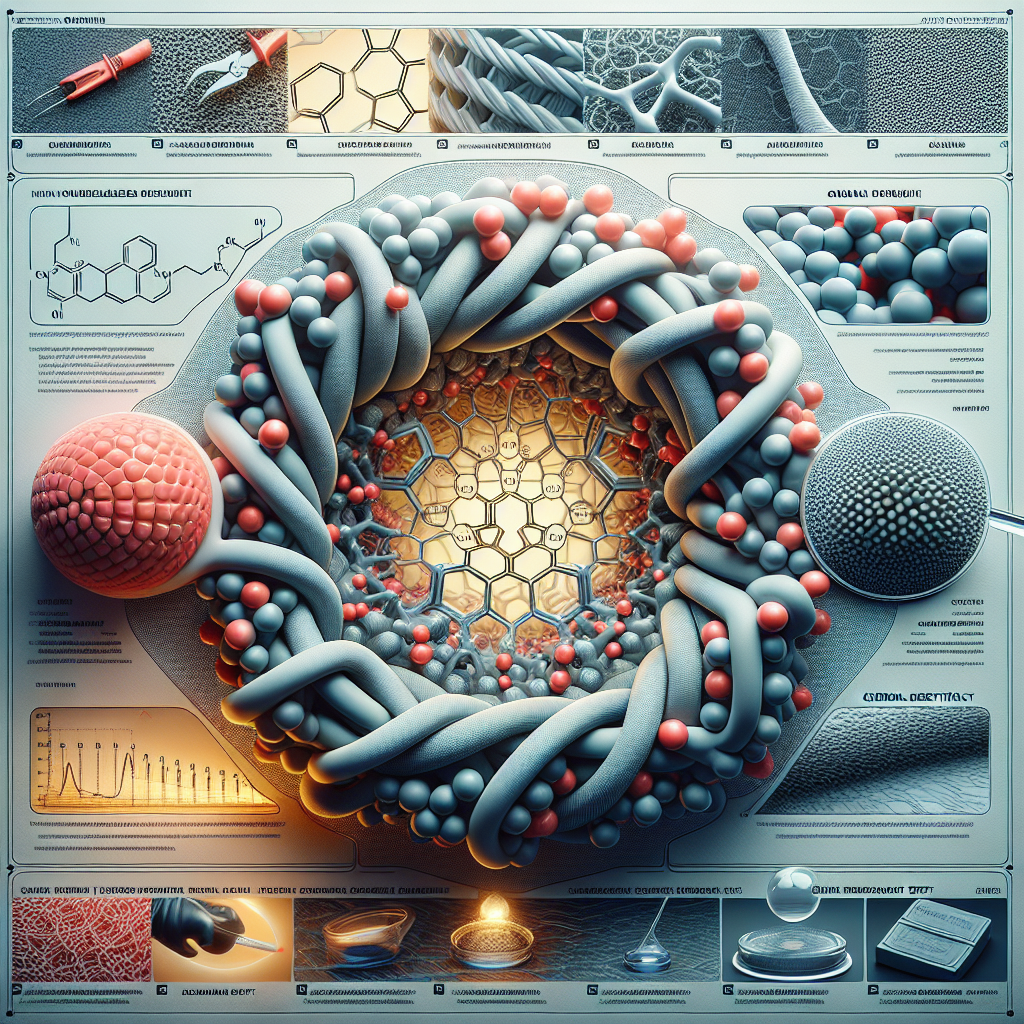
The most defining characteristic of elastomers is their ability to stretch and return to their original shape. This elasticity is due to the molecular structure of elastomers, which consists of long polymer chains with flexible links. When an elastomer is stretched or compressed, these chains can uncoil and slide past one another, but they snap back into place when the stress is removed. This property makes elastomers ideal for applications requiring flexibility and deformation recovery, such as seals, gaskets, and flexible tubing.
Strength and Durability
Elastomers exhibit impressive tensile strength and resistance to wear and tear. This durability ensures that elastomeric products can withstand harsh conditions and repetitive stresses without significant degradation. For instance, automotive tires made from synthetic elastomers can endure the rigors of the road, while medical gloves crafted from natural or synthetic elastomers provide reliable protection and flexibility.
Chemical Resistance
Many elastomers are designed to resist a wide range of chemicals, oils, and solvents. This property is particularly valuable in industries such as automotive, oil and gas, and chemical processing, where elastomers are used to create seals, gaskets, and hoses that come into contact with aggressive substances. Nitrile rubber (NBR), for example, is prized for its exceptional resistance to oils and fuels, making it a common choice for automotive applications.
Thermal Stability
Certain elastomers, such as silicone rubber, offer excellent thermal stability and can withstand extreme temperatures without losing their properties. This makes them suitable for applications in environments with high heat or fluctuating temperatures. For example, silicone rubber is used in the production of automotive components, medical devices, and kitchenware that must endure high temperatures.
Electrical Insulation
Elastomers can also serve as effective electrical insulators, making them valuable in the electronics and electrical industries. Silicone rubber, in particular, is known for its excellent dielectric properties and is used in the manufacture of electrical connectors, insulating tapes, and enclosures for electronic devices.
Understanding these key properties helps manufacturers select the most appropriate elastomer for their specific needs, ensuring that the end products deliver optimal performance, reliability, and longevity.
Applications of Elastomers Across Industries
The remarkable properties of elastomers make them indispensable in a wide range of industries. Here are some notable applications that demonstrate their versatility and importance:
Automotive Industry
The automotive industry relies heavily on elastomers for the production of various components that require flexibility, durability, and resistance to wear and tear. Tires, one of the most critical automotive components, are typically made from natural or synthetic rubber. Elastomers are also used in the manufacture of gaskets, seals, hoses, and bushings, ensuring that vehicles operate smoothly and reliably under diverse conditions.
Medical Industry
The medical field benefits greatly from elastomers, particularly due to their biocompatibility, flexibility, and resistance to sterilization processes. Medical gloves, catheters, and tubing are commonly made from latex, nitrile rubber, or silicone rubber. These materials provide the necessary tactile sensitivity, flexibility, and durability required for medical applications. Additionally, silicone rubber is used in the production of prosthetics, medical implants, and drug delivery systems.
Consumer Goods
Elastomers play a crucial role in the production of various consumer goods, offering flexibility, durability, and comfort. Footwear, including sports shoes and sandals, often incorporates elastomeric materials like rubber and polyurethane for enhanced comfort, shock absorption, and longevity. Household items such as kitchen utensils, silicone baking molds, and rubber grips also benefit from the properties of elastomers, providing users with practical and reliable solutions.
Aerospace Industry
The aerospace industry demands materials that can withstand extreme conditions, including high temperatures, pressures, and mechanical stress. Elastomers, particularly silicone rubber and fluorocarbons, are used in the production of seals, gaskets, and O-rings for aircraft components. These materials offer excellent thermal stability, chemical resistance, and mechanical strength, ensuring the safety and reliability of aerospace systems.
Electronics and Electrical Industry
Elastomers like silicone rubber are extensively used in the electronics and electrical industry for their excellent dielectric properties and thermal stability. They are employed in the manufacture of insulators, connectors, cables, and protective enclosures for electronic devices. These elastomeric materials provide the necessary electrical insulation, flexibility, and durability required to protect sensitive electronic components from harsh environmental conditions.
Industrial Applications
In industrial settings, elastomers are utilized in various applications that require resistance to wear, abrasion, and chemical exposure. Conveyor belts, industrial hoses, gaskets, and seals are commonly made from synthetic elastomers like neoprene and polyurethane. These materials ensure the reliable and efficient operation of industrial equipment and processes, even under demanding conditions.
The diverse applications of elastomers across industries highlight their essential role in modern technology and manufacturing. Their unique properties make them versatile and indispensable, driving innovation and enhancing the performance of countless products.
Challenges and Future Developments in the Elastomer Industry
Despite the numerous advantages of elastomers, the industry faces several challenges that require ongoing research and innovation to address. Understanding these challenges and potential solutions is crucial for the continued advancement of elastomer technology.
Environmental Concerns
One of the primary challenges facing the elastomer industry is the environmental impact associated with the production and disposal of elastomeric materials. Many synthetic elastomers are derived from petroleum-based feedstocks, which contribute to environmental pollution and resource depletion. Additionally, elastomer products, particularly those that are not biodegradable, can persist in the environment for extended periods, leading to waste management issues.
To address these concerns, researchers are exploring the development of sustainable and eco-friendly elastomers. Bio-based elastomers, derived from renewable resources such as plant oils and natural polymers, offer a promising solution. These materials can reduce the environmental footprint of elastomer production and provide biodegradable options for various applications.
Recycling and Reuse
The recycling and reuse of elastomeric materials pose another significant challenge. Due to their cross-linked structure, many elastomers cannot be easily melted and reprocessed like thermoplastics. This makes recycling complex and often cost-prohibitive. However, advances in material science and recycling technologies are paving the way for more efficient and effective methods of elastomer recycling.
Innovations such as devulcanization, which involves breaking down the cross-links in rubber to allow for reprocessing, hold promise for the recycling of elastomeric materials. Additionally, the development of new elastomers that can be more easily recycled and the implementation of circular economy principles can further enhance the sustainability of the elastomer industry.
Performance Enhancements
As technology and industrial needs evolve, there is a continuous demand for elastomers with enhanced performance characteristics. Researchers are focusing on developing new elastomeric materials with improved properties such as increased tensile strength, thermal stability, chemical resistance, and electrical conductivity.
Nanotechnology is playing a significant role in this endeavor, with the incorporation of nanomaterials like graphene, carbon nanotubes, and nanoclays into elastomer matrices. These nanocomposites offer the potential for elastomers with superior mechanical, thermal, and electrical properties, opening up new applications and opportunities for innovation.
Regulatory Compliance
The elastomer industry must also navigate a complex landscape of regulatory requirements and standards to ensure the safety, quality, and environmental impact of their products. Compliance with regulations such as REACH (Registration, Evaluation, Authorization, and Restriction of Chemicals) in the European Union and RoHS (Restriction of Hazardous Substances) is essential for market access and consumer safety.
Ongoing research and collaboration with regulatory bodies are necessary to develop elastomeric materials that meet stringent regulatory requirements while maintaining desirable properties and performance.
Conclusion: The Future of Elastomers
Elastomers have come a long way since the discovery of natural rubber, evolving into a diverse and versatile group of materials that are essential to modern industry and technology. Their unique properties, including elasticity, flexibility, durability, and resistance to chemicals and extreme temperatures, make them indispensable in a wide range of applications. From automotive and aerospace to medical and consumer goods, elastomers play a critical role in enhancing performance, safety, and innovation.
As the elastomer industry continues to face challenges related to environmental impact, recycling, and regulatory compliance, ongoing research and technological advancements are crucial for the development of sustainable and high-performance elastomeric materials. The exploration of bio-based elastomers, recycling technologies, and nanocomposites offers promising avenues for addressing these challenges and driving the future of the industry.
In conclusion, the durability and versatility of elastomers ensure their continued relevance and importance across multiple sectors. By embracing innovation and sustainability, the elastomer industry can continue to thrive and contribute to the advancement of modern technology and the improvement of quality of life. As we look to the future, the potential for new and improved elastomeric materials promises exciting opportunities for innovation and progress.