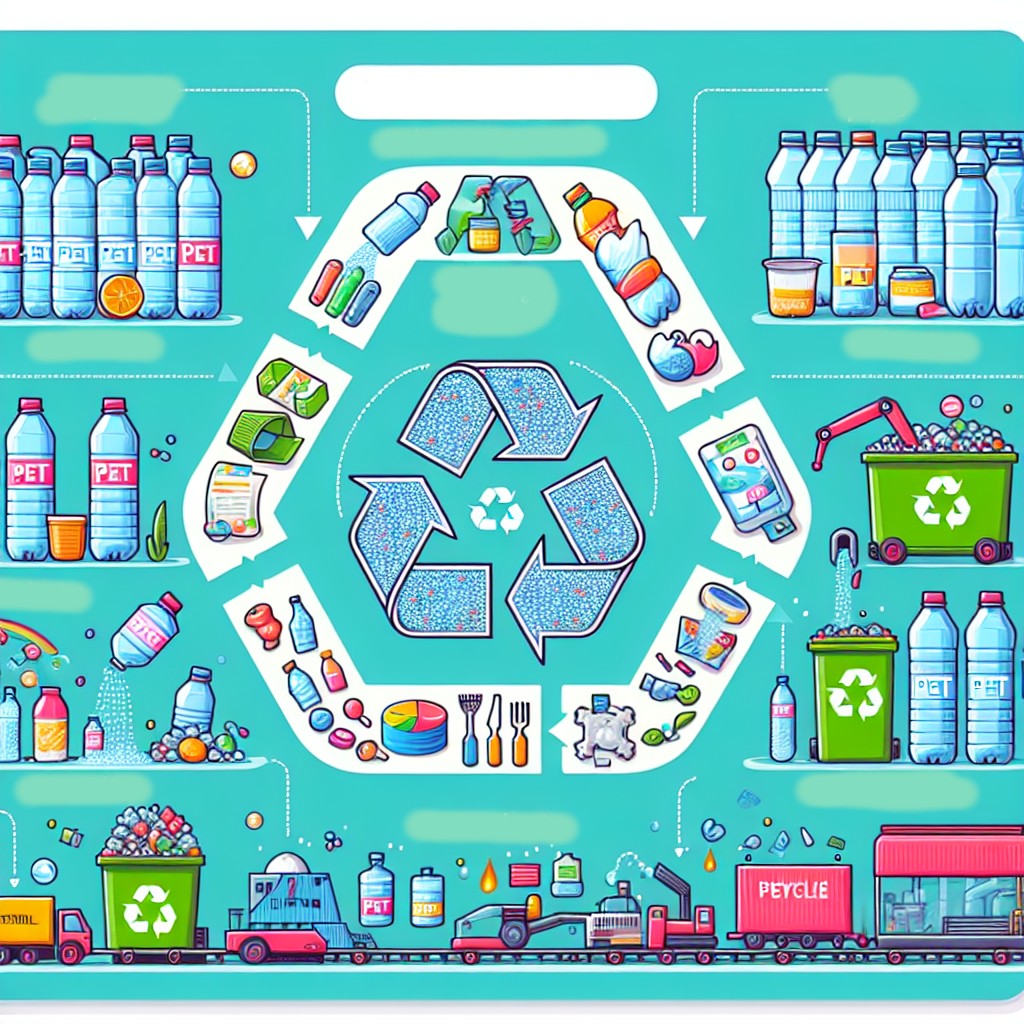
The surge in environmental consciousness and the persistent drive for sustainability have thrust recycling to the forefront of industrial innovation. Within this context, the recycling of polymers—a diverse group of materials prevalent in packaging, construction, automotive, and numerous other industries—has gained considerable attention. Polymers, better known as plastics, play an indispensable role in modern life. However, their widespread use also poses significant environmental challenges due to their longevity in ecosystem conditions. Recycling these materials not only helps reduce landfill waste but also mitigates the continuous harvesting of natural resources for virgin polymer production. Yet, while recycled polymers offer clear environmental benefits, their mechanical properties and the integrity of these properties remain a critical area for exploration.
The mechanical properties of polymers, such as tensile strength, elasticity, toughness, and durability, fundamentally determine their applicability in various industries. Recycled polymers have, in many cases, shown altered mechanical properties compared to their virgin counterparts. This can influence their usability in applications requiring specific performance standards. The alterations in property can stem from factors like the thermal history of the polymer, the method of recycling employed, and the presence of contaminants or additives. Such factors can introduce complexities when directly substituting recycled polymers for virgin ones. An understanding of these properties not only allows industries to effectively utilize recycled materials but also drives innovation in recycling technologies for enhanced material performance. Thus, exploring the mechanical properties of recycled polymers is not merely a scientific endeavor but also an economic and environmental imperative. This article delves into the dynamic world of recycled polymers, examining their mechanical properties, the challenges involved, and potential solutions for optimizing their uses.
Understanding Polymer Recycling
Polymer recycling encompasses several processes aimed at converting plastic waste into reusable material, each with distinct impacts on mechanical properties. The most common recycling methods include mechanical recycling, chemical recycling, and thermal recovery. Mechanical recycling involves shredding and remelting plastics to form new products. It is the most prevalent method due to its cost-effectiveness, but the process can degrade the material’s structural integrity due to thermal and mechanical stress, especially if repeated multiple times. This typically leads to a change in the mechanical properties, such as reduced tensile strength and elasticity.
Chemical recycling, a more advanced method, breaks polymers down to their monomers, which can then be reassembled into polymers. This method holds promise as it can potentially restore the mechanical properties of the material to levels comparable with virgin polymers. However, it is still an emerging technology and often involves higher production costs and energy inputs. Thermal recovery, predominantly used for energy extraction rather than material reclamation, does not preserve polymers’ mechanical properties as it converts polymers to basic hydrocarbons and gases. Each method’s varying impact on mechanical properties emphasizes the importance of strategic selection based on the intended end-use of recycled materials.
Impact of Contaminants and Additives
Contaminants found in recycled polymers pose another significant challenge to maintaining mechanical properties. Such contaminants often include non-polymeric materials or incompatible polymers, which can act as stress risers in the material, leading to premature failure under load. For instance, in polyethylene terephthalate (PET) recycling, even small amounts of polyvinyl chloride (PVC) contamination can severely affect the polymer’s quality due to differing melting points. Hence, contamination control is paramount, requiring precise sorting and cleaning processes before recycling.
Additives, initially incorporated in polymers to enhance properties such as UV stability, color, or flexibility, may also alter the mechanical behavior of recycled polymers. Repeated recycling can lead to protective additives degrading, resulting in diminished performance. Alternatively, interactions between different additives can cause unexpected changes in mechanical properties. Therefore, developing advanced characterization techniques and innovative additive technologies are crucial for improving the performance of recycled polymers while keeping their benefits intact.
Evaluating Mechanical Properties
Testing the mechanical properties of recycled polymers provides insight into their potential reuse across various applications. Key properties, including tensile strength, impact resistance, and thermal behavior, are often evaluated through rigorous testing. Tensile strength, the measure of a material’s resistance to breaking under tension, remains a critical indicator of a recycled polymer’s strength. It is typically assessed using universal testing machines to ensure consistency with industry standards.
Impact resistance tests, such as the Charpy or Izod tests, measure the ability of a polymer to absorb energy and resist fracture from a sudden force or impact. This is particularly crucial for applications requiring robust, durable materials, such as in automotive or construction industries. Thermal analysis, including differential scanning calorimetry (DSC), evaluates the thermal properties of recycled polymers. This ensures stability under operating temperatures and helps address potential challenges such as degradation or melting point variations, which may arise from recycling additives and contaminants.
Challenges and Innovations
Despite the widespread benefits, recycling polymers does not come without its challenges. Many recycled materials suffer from lower mechanical properties compared to virgin polymers. This can result from various factors, including chain scission—where polymer chains break down during processing—or uncontrolled thermal history. Innovations in recycling technology continue to evolve, addressing these challenges through chemical recycling, advanced sorting techniques, and novel additive solutions to bolster recycled materials’ mechanical performance.
In recent times, researchers have explored compatibilizers—chemical agents that enhance the compatibility between different polymers or between the polymer and additives. These compatibilizers have shown promise in improving the mechanical reliability of recycled polymers. Additionally, advancements in sorting technology, leveraging artificial intelligence and machine learning, have improved the purity of recycled streams, ultimately contributing to enhanced mechanical performance.
Applications of Recycled Polymers
The applications of recycled polymers span a diverse range of industries, each necessitating specific mechanical properties. For instance, in the construction industry, recycled polymers are often used in producing lightweight, durable building materials, such as decking, piping, and insulation, where mechanical performance is paramount. Automotive manufacturers have also embraced recycled polymers for components like dashboards, bumpers, and upholstery, requiring precise mechanical criteria to ensure safety and durability.
In packaging, the demand for sustainable materials has driven innovations in using recycled polymers to create flexible packaging solutions. Such applications necessitate a balance between maintaining mechanical integrity and cost-effectiveness. While challenges exist, the potential for recycled polymers in diverse applications continues to expand as technological advancements and the demand for sustainable solutions grow.
Conclusion
The exploration of the mechanical properties of recycled polymers highlights both the potential and the challenges inherent in substituting recycled for virgin materials in myriad applications. The circular economy benefits offered by polymer recycling can propel industries toward sustainable practices while simultaneously challenging researchers and technologists to overcome the quality disparities between recycled and virgin materials. Understanding and improving mechanical properties through innovations in recycling techniques, sorting technologies, and additive science will be essential for recycled polymers to fulfill their promise as viable alternatives in high-performance applications.
Policymakers, industry leaders, and scientists alike must collaborate, driving research and development efforts toward enhancing the mechanical properties of recycled polymers. By achieving parity with virgin polymers, recycled materials can not only reduce environmental impact but also drive economic growth, creating a sustainable future where ecological balance and industrial advancement coexist harmoniously. The journey toward optimized recycled polymers is not merely about addressing technical challenges but embracing an opportunity to transform an entire industry’s relationship with the environment.
Frequently Asked Questions
1. What are the mechanical properties of recycled polymers?
The mechanical properties of recycled polymers include a spectrum of characteristics that define the material’s response to mechanical forces. These properties typically incorporate tensile strength, which describes its resistance to being pulled apart, and impact resistance, which is its ability to absorb energy and resist impacts without shattering. Other mechanical properties include elongation at break, which is the material’s capacity to stretch, and flexural strength, the ability to resist deformation under load.
Recycled polymers can exhibit altered mechanical properties compared to their virgin counterparts due to the degradation of polymer chains during the recycling process. Even though recycled polymers may have decreased tensile strength and impact resistance, advancements in technology allow for the enhancement of these properties. Through strategies like blending with virgin materials or employing additives, the mechanical integrity of recycled polymers can be improved, making them suitable for demanding applications across various industries.
2. How does recycling affect the tensile strength of polymers?
Tensile strength is a critical mechanical property that signifies the maximum stress a material can withstand when being stretched before failing. In recycled polymers, the recycling process can impact tensile strength due to the thermal and mechanical breakdown of polymer chains. During recycling, polymers often undergo multiple processes, including melting, extrusion, and reformation, which can degrade their molecular structure.
However, the degree of reduction in tensile strength often hinges upon factors such as the type of polymer, the number of times it has been recycled, and the recycling method used. Innovations like the addition of reinforcement fibers, coupling agents, or compatibilizers can help improve the tensile strength of recycled polymers. By optimizing these aspects, industries can enhance the structural reliability of recycled materials for various applications, ensuring sustainability without compromising on performance.
3. In what ways is the impact resistance of recycled polymers maintained or enhanced?
Impact resistance is the ability of a polymer to withstand sudden forces or shocks without fracturing. This property is crucial in applications where materials are subject to dynamic and unpredictable forces or impacts. The recycling process can sometimes affect impact resistance due to the repeating heating cycles and material handling, leading to embrittlement and reduced ductility of the polymer.
To maintain or enhance the impact resistance of recycled polymers, technological interventions are applied. Blending recycled polymers with virgin polymers or other impact modifiers, such as rubber or elasticizers, can significantly increase their ability to absorb energy. Moreover, proper control of processing conditions during recycling, like temperature management and the prevention of oxidation, can help retain the polymer’s natural toughness, ensuring recycled polymers continue to perform robustly in industrial applications.
4. What measures can be taken to improve the mechanical properties of recycled polymers?
Improving the mechanical properties of recycled polymers is critical to their viability and broader acceptance as alternatives to virgin materials. There are several strategies to enhance these properties:
1. **Blending with Virgin Resins:** Combining recycled polymers with virgin polymers can offer a synergistic effect, enhancing properties such as tensile strength, impact resistance, and flexibility.
2. **Additives and Reinforcements:** Incorporating additives like plasticizers, stabilizers, and reinforcements (e.g., glass fibers, nano-clays) can enhance strength, toughness, and resistance to thermal or UV degradation.
3. **Advanced Manufacturing Techniques:** Employing advanced manufacturing techniques like compatibilization and coextrusion can help maintain desirable mechanical properties by creating more uniform blends and reducing defects during the processing phase.
These measures allow recycled polymers to meet specific industry standards and criteria, thus seamlessly integrating into various end products, fostering sustainability without sacrificing performance.
5. Why is it important to explore and understand the mechanical properties of recycled polymers?
Understanding the mechanical properties of recycled polymers is essential for multiple reasons. Firstly, it directly influences the feasible applications for these materials. Knowing how recycled polymers compare to virgin polymers in terms of mechanical properties helps engineers and designers make informed decisions when selecting materials for products, ensuring that they meet necessary safety and performance standards.
Secondly, gaining insight into these properties aids in optimizing recycling processes and methodologies. By identifying the limitations and potential of recycled polymers, researchers can tailor recycling methods to preserve or enhance mechanical properties, making recycled materials more competitive in different markets.
Finally, from a sustainability perspective, a comprehensive understanding enables better product design, recycling protocols, and waste management strategies. By maximizing the utility and lifecycle of recycled polymers, industries can significantly reduce environmental impact, contribute to resource conservation, and promote a circular economy, aligning with global efforts toward sustainable development.