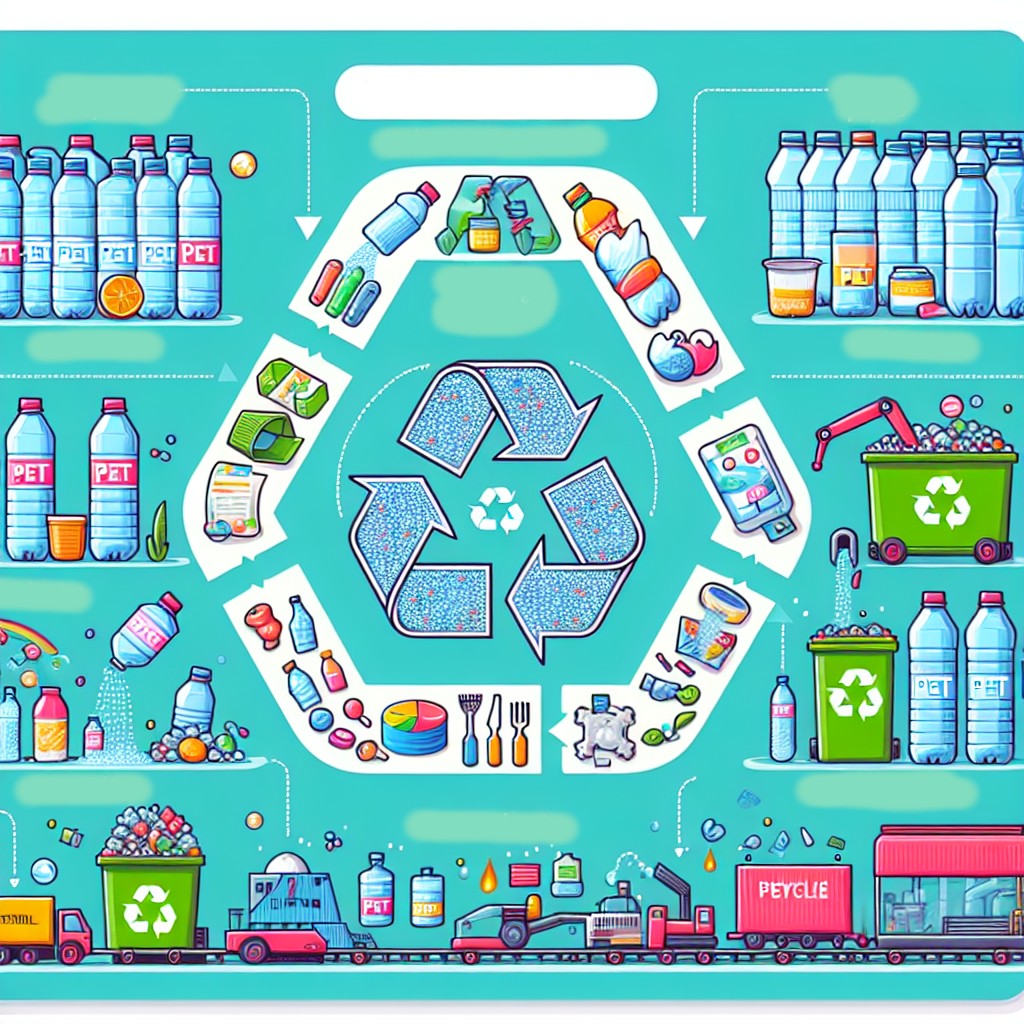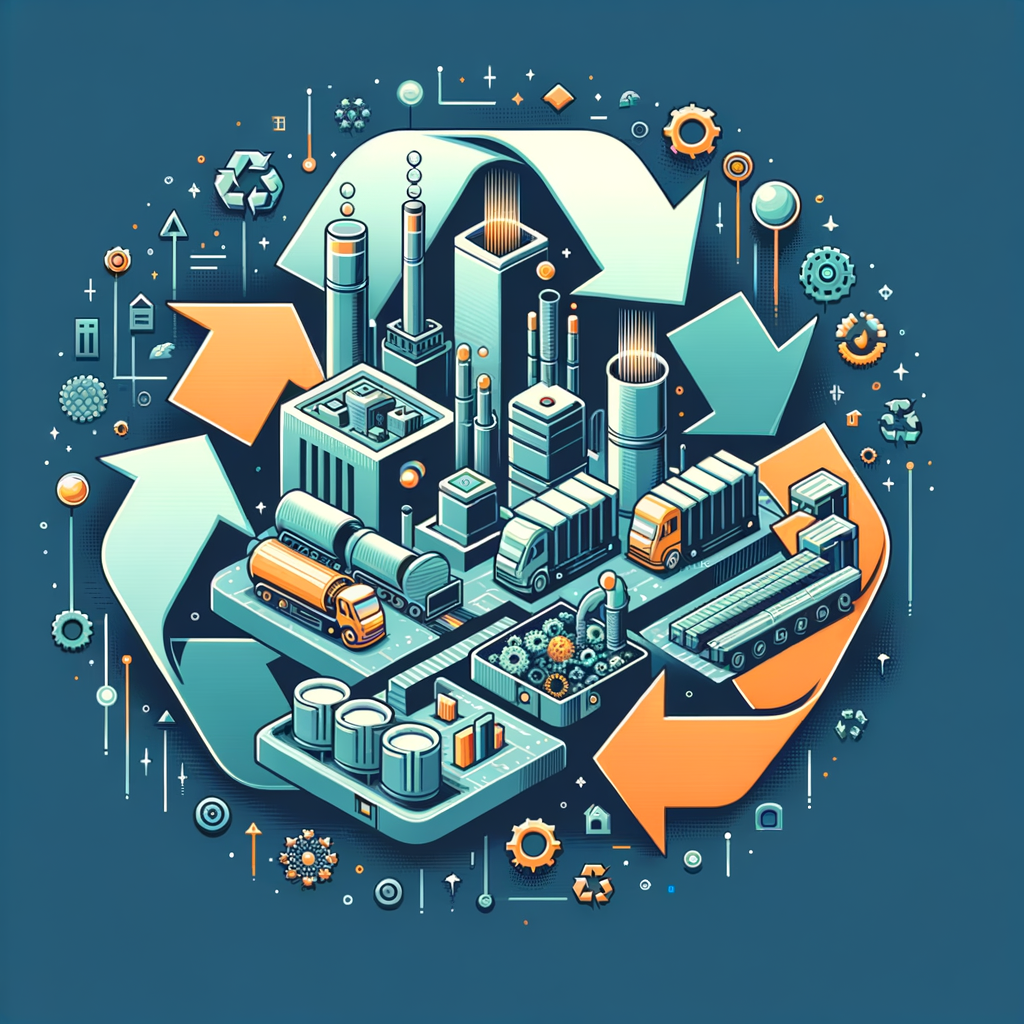
In recent years, the increasing awareness of environmental sustainability has propelled efforts to minimize waste and enhance resource efficiency through innovative recycling processes. Central to these efforts is the concept of closed-loop recycling systems, which strive to transform waste products into reusable materials, thereby engineering a cycle that is environmentally friendly and economically viable. Unlike traditional recycling processes that often downcycle materials—degrading their quality and usability over time—closed-loop recycling maintains the integrity of materials, allowing them to be used repeatedly in the production of new products. This approach not only reduces waste and conserves resources but also minimizes energy consumption and greenhouse gas emissions associated with the production of new materials. This article explores the cutting-edge innovations in closed-loop recycling systems, delving into the technologies and strategies that are driving significant advancements in this field.
Closed-loop recycling systems are gaining traction across various industries, with leading technologies providing platforms for substantial improvements in how materials are recycled and reused. The application of advanced technologies such as artificial intelligence, the Internet of Things (IoT), and chemical recycling has transformed the closed-loop recycling landscape. Understanding these innovations is crucial for realizing the full potential of closed-loop systems and achieving a circular economy. As we explore the various facets of closed-loop recycling innovations, it becomes evident how these systems not only address environmental challenges but also create economic opportunities, fostering sustainable growth.
Technological Innovations in Closed-Loop Recycling Systems
Closed-loop recycling systems are benefiting immensely from technological advancements that enhance efficiency and material recovery. Among the noteworthy innovations are smart sorting technologies, which leverage the power of artificial intelligence and machine learning algorithms to automate and optimize the sorting processes. Traditional recycling systems often rely on manual sorting, which is labor-intensive and prone to human error. However, with smart sorting technologies, sensors and high-speed cameras are utilized to identify and separate different types of materials with high precision. This level of accuracy ensures that materials retain their value and can be effectively reintroduced into the production cycle, minimizing contamination and maximizing yield.
Another pivotal innovation is the integration of the Internet of Things (IoT) in waste management and recycling systems. IoT devices and sensors deployed in recycling facilities provide real-time data analytics that enhances operational efficiency. By monitoring and tracking the movement and condition of recyclable materials, these systems can predict and manage collection schedules, improving material flow and reducing waste backlogs. Moreover, the IoT approach facilitates predictive maintenance of recycling machinery, minimizing downtime and reducing operational costs. The data-centric nature of IoT also allows for better tracking and accountability, crucial for meeting regulatory requirements and corporate sustainability goals.
Chemical recycling, or advanced recycling, represents another groundbreaking approach. Unlike mechanical recycling, which grinds and melts materials, chemical recycling breaks down materials to their molecular level. This process allows for the recycling of complex and composite materials that were previously unrecyclable, such as multi-layer plastics. Chemical recycling transforms these materials back into their original monomers, which can be used to produce new virgin-quality polymers. This technology thus expands the range of materials that can be incorporated into closed-loop systems, significantly reducing plastic waste and demand for fossil fuel-based raw materials. As chemical recycling technologies continue to mature, they hold the promise of facilitating global sustainable resource management.
Strategies for Implementing Closed-Loop Recycling Systems
The transition to closed-loop recycling systems requires strategic planning and collaboration across stakeholders. A pivotal strategy is fostering partnerships between manufacturers, recyclers, and governments to create a cohesive recycling ecosystem. Collaborative efforts can lead to the establishment of extended producer responsibility (EPR) programs, where manufacturers are accountable for the end-of-life management of their products. Such programs incentivize product designs that are more recyclable, incorporate more recycled materials, and are easier to disassemble, all of which are crucial for the efficiency of closed-loop systems.
Public education and consumer engagement are critical strategies for implementing closed-loop recycling systems effectively. Increasing awareness about recycling benefits and correct disposal practices can lead to higher participation rates in recycling programs. Consumer involvement is vital because household waste represents a significant portion of recyclable materials. Educational campaigns can demystify the recycling process, encouraging individuals to participate in and support recycling efforts. Additionally, labeling systems that clearly indicate recyclability can help consumers make informed choices, further integrating them into the closed-loop model, and amplifying its impact.
Regulatory frameworks and incentives play a crucial role in promoting closed-loop recycling. Governments can implement policies that encourage recycling industries through tax benefits, grants, and subsidies. By setting stringent recycling targets and penalties for non-compliance, they can drive companies to innovate and adopt closed-loop models. Conversely, eco-labeling and certification systems that highlight companies utilizing recycled materials can serve as positive reinforcements, creating market differentiation and encouraging sustainable practices. This not only enhances environmental stewardship but also aligns with consumer demand for socially responsible brands.
Real-World Applications and Case Studies
Numerous industries have embraced closed-loop recycling systems, showcasing their practical applications and effectiveness. In the automotive industry, manufacturers like Ford and BMW have initiated programs to recycle end-of-life vehicles’ components. Companies are leveraging these programs to reclaim valuable materials like steel and aluminum, which can be reintroduced into manufacturing, reducing reliance on virgin materials. Similarly, the electronics industry has invested significantly in closed-loop systems to manage e-waste. Major electronics firms have developed take-back schemes, where consumers return obsolete devices for recycling. This approach not only recovers precious metals like gold, silver, and copper but also ensures toxic materials are safely disposed of, reducing environmental impacts.
In the textile industry, closed-loop recycling is addressing the environmental footprint of fashion. Companies such as Patagonia and H&M have launched initiatives to recycle textiles back into new clothing. Innovative technologies have been developed to separate and reclaim fibers from fabric blends, enabling the production of recycled textiles that maintain their quality and durability. This shift towards circular fashion represents a promising future for reducing waste in the apparel sector, aligning with consumer preferences for sustainable fashion choices.
One notable case study is the city of San Francisco’s zero-waste goal, which has embraced closed-loop recycling systems as a cornerstone of their strategy. The city has implemented comprehensive curbside recycling programs, incentivized composting, and established policies that require businesses to recycle. By continuously refining their recycling operations and investing in educational campaigns, San Francisco serves as a compelling model for urban centers globally looking to implement effective closed-loop recycling systems. This progressive approach not only diverts waste from landfills but also generates economic opportunities through material recovery and processing, illustrating the potential of closed-loop recycling on a city-wide scale.
Challenges and Opportunities
While the innovations in closed-loop recycling systems present significant opportunities, several challenges must be addressed to realize their full potential. One major challenge is the high initial investment costs associated with developing and implementing advanced recycling technologies. Businesses and municipalities often require significant capital to upgrade existing infrastructure to accommodate new recycling technologies, which can be daunting for many. However, these upfront costs must be weighed against the long-term benefits of reduced landfill use, decreased raw material costs, and a more sustainable operational model.
Another obstacle is the variability in waste composition, which complicates recycling processes and affects outcomes. Different regions and industries produce varied waste materials, requiring tailored solutions that can effectively manage and recycle those materials. To overcome this, companies and municipalities need robust waste characterization techniques and adaptable recycling technologies. This requires ongoing research and innovation to develop solutions that can handle diverse material streams efficiently.
Despite these challenges, the opportunities for closed-loop recycling are vast. Companies that adopt these systems can enhance their brand image, win customer loyalty, and potentially capitalize on new revenue streams through the sale of reclaimed materials. Moreover, the collaboration between academia, industry, and government can spur research and development, leading to breakthroughs that make closed-loop systems more accessible and cost-effective. Fostering innovation through grants, competitions, and public-private partnerships could accelerate progress in this field, ensuring that recycling processes keep pace with demand for more sustainable environmental practices.
Conclusion
In conclusion, innovations in closed-loop recycling systems are transforming how industries manage waste, offering promising solutions to environmental challenges while driving economic growth. The integration of smart sorting technologies, IoT, and chemical recycling has significantly enhanced the efficiency and effectiveness of these systems, demonstrating their potential to support a sustainable, circular economy. As industries and municipalities seek to implement these advanced recycling systems, strategic collaboration, education, and supportive regulatory frameworks will be critical to overcoming existing challenges and unlocking broader opportunities. The real-world applications and successes of closed-loop recycling showcase their practical benefits and create a roadmap for others to follow in pursuit of a sustainable future. By prioritizing resource conservation and waste reduction, closed-loop recycling systems hold the key to a more sustainable world, yet achieving this requires ongoing innovation, investment, and cooperation among all stakeholders. Continued commitment to advancing recycling technology and processes will be fundamental in realizing the promise of a cleaner, more sustainable environment that benefits both current and future generations. Embracing these innovations will pave the way for a more resilient and eco-friendly global society.
Frequently Asked Questions
1. What are closed-loop recycling systems, and how do they differ from traditional recycling methods?
Closed-loop recycling systems are at the forefront of modern sustainable waste management practices. The fundamental concept behind closed-loop recycling is to create a cyclical process where products and materials are continuously repurposed without losing their core properties. This contrasts with traditional recycling methods, which often result in downcycling. Downcycling refers to the process where recycled materials suffer a degradation in quality, reducing their utility in future productions. For instance, recycling paper might yield fibers suitable only for lower-grade paper products. In a closed-loop system, however, the aim is to preserve the integrity and quality of the material through each recycling cycle. This helps in reducing the need for virgin materials, conserves energy, and minimizes waste sent to landfills, contributing significantly to environmental sustainability.
2. What innovations are making closed-loop recycling systems more effective and efficient?
Recent innovations in closed-loop recycling systems are making them more effective and efficient than ever before. One key advancement is the development of improved sorting technologies, such as AI-enhanced sorting machines that use machine learning and computer vision to accurately identify and separate materials at high speed. This enhances the precision of sorting, ensuring that processes yield pure recycled materials that maintain their quality. Additionally, chemical recycling, a method where plastics are broken down to their original monomers and repurposed into new plastics, is gaining traction. This preserves the molecular integrity of the plastics, effectively restoring them to their original quality. Another innovation is the development of biodegradable materials designed to fully integrate within a recycling process or naturally decompose without leaving harmful residues, thereby closing the loop even tighter.
3. How can companies implement closed-loop recycling systems into their operations?
Implementing closed-loop recycling systems into business operations requires a multifaceted approach. Companies must start by assessing their entire product lifecycle, from raw material acquisition to production, distribution, and end-of-life disposal. This lifecycle analysis helps identify opportunities for integrating recycled content back into products or processes. Establishing partnerships with specialized recycling service providers can aid businesses in ensuring their waste materials are recycled back into the production loop efficiently. Companies should also invest in research and development to enhance their product designs for recyclability. A pivotal element is consumer engagement, whereby educating consumers about proper recycling practices can significantly improve recycling rates. Aligning business operations with sustainable practices not only minimizes environmental impact but can also create economic incentives, improve brand image, and meet evolving regulatory requirements.
4. What are the economic benefits of adopting closed-loop recycling systems?
The economic benefits of adopting closed-loop recycling systems are increasingly being recognized by industries worldwide. Firstly, by recycling materials within an internal loop, companies can reduce costs associated with purchasing raw materials. This reduction is significant, especially when fluctuations in raw material prices occur. Additionally, maintaining materials at a high-quality level through closed-loop systems means enterprises can sell their recycled products at a competitive rate compared to virgin products. Beyond direct cost savings, adopting these systems can enhance brand reputation, as consumers increasingly prefer products aligned with environmental sustainability values. Companies may also experience reduced compliance costs concerning waste management regulations and benefit from potential tax incentives or subsidies designed to encourage sustainable practices.
5. What challenges do closed-loop recycling systems face, and how can they be overcome?
Despite the promising potential of closed-loop recycling systems, several challenges must be addressed. One significant challenge is the initial financial investment required for technology and infrastructure to support these recycling processes. Additionally, there can be technical barriers relating to the recyclability of complex product designs or multi-material products. Addressing these challenges requires collaborative efforts across industries and governments. Investment in sustainable research and development can lead to breakthroughs that reduce initial costs in the long term. Policies and regulations must support innovation by incentivizing investments and encouraging the adoption of recyclable material designs. Furthermore, educational initiatives aimed at consumers and businesses can aid in harmonizing practices towards better recycling rates and quality improvements. Overcoming these hurdles will necessitate a supportive framework that aligns industry objectives with sustainability goals, fostering a circular economy.