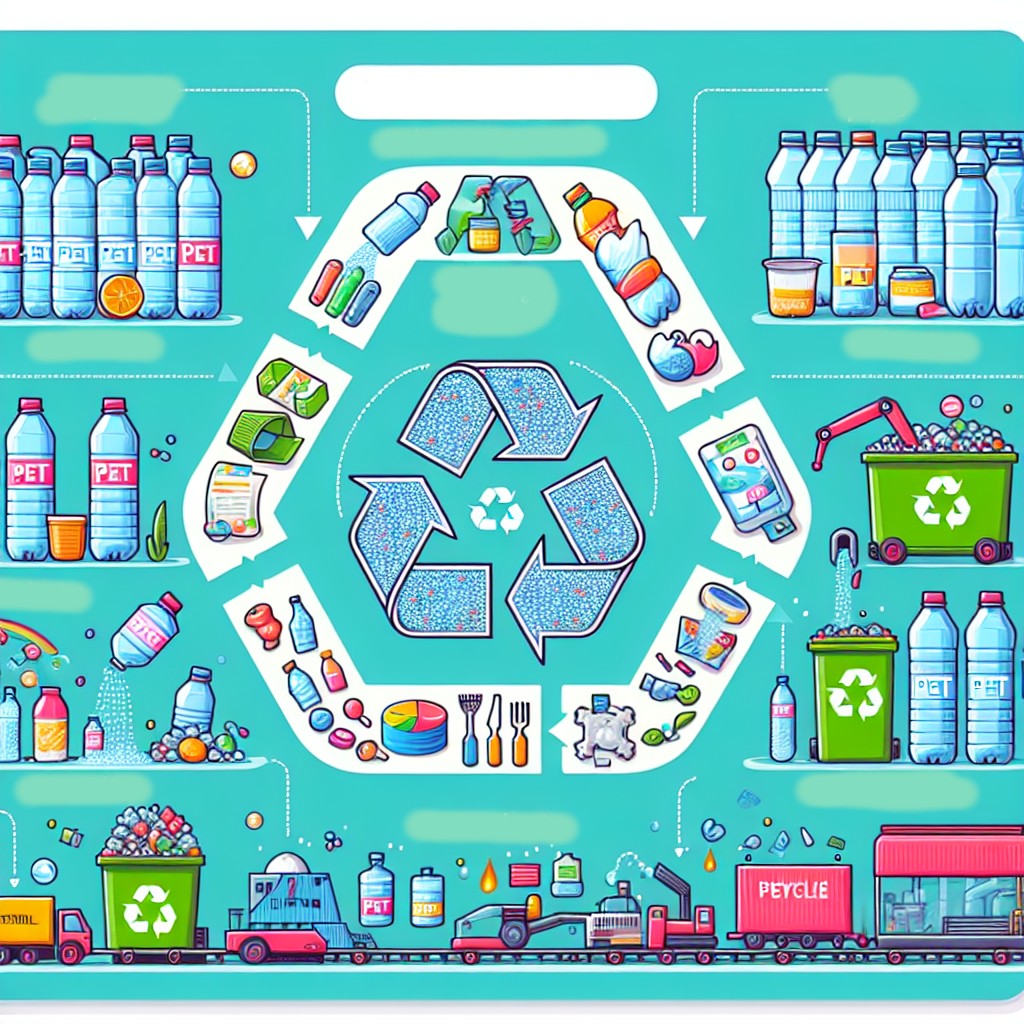
The construction industry has long grappled with the challenge of sustainability as traditional practices often lead to significant environmental degradation. Amid a backdrop of increasing resource scarcity and substantially growing waste, the integration of recycled materials has emerged as a crucial pathway in fostering environmental stewardship. One of the promising materials gaining traction is recycled polymers. This transformative move is part of a broader strategy to reduce reliance on virgin materials, decrease carbon emissions, and foster circular economic principles. Recycling polymers from various post-consumer and post-industrial waste streams offers a sustainable option that promises not only environmental benefits but also economic advantages.
Recycled polymers are increasingly finding applications in the construction domain, thanks to advancements in processing technologies. These recycled materials are being deployed in various forms, including substitutes for conventional building materials like concrete, wood, and metal. Polymers such as polyethylene, polypropylene, and polystyrene are being recycled and repurposed for construction products, which contribute to improved insulation, durability, and reduced building costs. As construction stakeholders grapple with ways to mitigate their carbon footprint while meeting functional and economic goals, recycled polymers provide a compelling narrative of possibility.
The integration of recycled polymers in construction reflects a paradigm shift towards more sustainable practices. This article explores the numerous roles that recycled polymers play within the construction industry, addressing their environmental impact, economic benefits, and the technological advancements propelling their adoption. By shedding light on the practical implications and tangible benefits of recycled polymers, this discourse aims to underline the critical role these materials play in shaping a future of sustainable construction.
Environmental Impact of Recycled Polymers
The first and foremost role of recycled polymers in construction lies in their potential to significantly reduce environmental degradation. Globally, construction contributes to nearly 39% of carbon emissions, with a substantial portion attributed to material extraction and manufacturing processes. Traditional materials like concrete and steel not only consume considerable amounts of energy but also emit significant quantities of greenhouse gases. Conversely, recycled polymers offer a reduced environmental footprint due to lower energy requirements during processing and decreased emissions.
By repurposing waste materials, recycled polymers prevent the accumulation of plastics in landfills which can take hundreds of years to decompose. The adoption of recycled polymers helps mitigate the problem of plastic pollution, which is a globally pressing environmental concern. Furthermore, integrating recycled polymers into construction reduces the need for virgin polymer production, which is energy-intensive and involves the extraction and refinement of fossil fuels, further compounding environmental issues.
The use of recycled polymers also promotes biodiversity by decreasing the ecological disruption associated with quarrying for natural aggregates. As a result, habitats and ecosystems remain intact, underpinning the construction sector’s role in protecting natural environments. Moreover, environmental regulations and standards increasingly favor materials that demonstrate lower environmental impact, thus incentivizing the adoption of recycled polymers and catalyzing further innovation in sustainable building materials.
Economic Benefits of Recycled Polymers
Beyond environmental advantages, recycled polymers offer notable economic benefits that appeal to builders, developers, and policymakers alike. The cost-efficient nature of recycled polymers arises from their abundant availability and lower price point compared to virgin materials. Reducing reliance on new resources translates into decreased raw material costs for construction projects.
Businesses adopting recycled polymers can also gain from substantial financial incentives that add another layer of economic allure. Governments and international bodies are increasingly rewarding eco-conscious practices through tax breaks, subsidies, and grants, thereby enhancing the financial viability and competitiveness of projects that prioritize recycled materials. These incentives, coupled with consumer demand for sustainable innovation, make recycled polymers an attractive option for construction businesses aiming to bolster their bottom lines while maintaining or enhancing their brand reputation.
The enhanced durability and performance of recycled polymers also translate into long-term savings. Their resistance to environmental wear and tear, coupled with low maintenance needs, reduces the lifecycle cost of construction projects. Reduced replacement and repair costs further accentuate the economic sustainability of structures built with recycled polymers.
Furthermore, the development and utilization of recycled polymers contribute to job creation within the recycling and manufacturing sectors. As the market for these materials expands, it nurtures industries focused on the collection, processing, and repurposing of waste materials into valuable construction resources, spurring economic activity and fostering a circular economy ethos.
Technological Advancements Driving Adoption
Technological advancements play an instrumental role in enabling the widespread adoption of recycled polymers in construction. Innovations in recycling processes have dramatically improved the quality and performance characteristics of recycled polymers, making them viable alternatives to conventional building materials.
Advancements in sorting and cleaning technologies have ensured higher purity levels, enabling the production of recycled polymers that meet demanding performance specifications. This has extended the applicability of these materials across various construction applications, from lightweight partition panels to load-bearing structural components.
The development of composite materials, which combine recycled polymers with other elements, such as fiberglass or carbon fiber, results in products with enhanced mechanical properties. These composites exhibit increased strength and durability, making them suitable for structural applications traditionally dominated by metal and wood.
Furthermore, 3D printing technologies have unlocked new possibilities in the design and construction of complex structures using recycled polymers. This innovation enables the customization of construction materials to meet specific project requirements, translating to reduced material wastage and improved structural efficiency.
Collaborations between academia, industry, and government have also facilitated extensive research and development efforts that promote the better integration of recycled polymers into mainstream construction practices. Research focusing on the life cycle assessment of these materials provides insights that help optimize their environmental and economic benefits, ensuring they align with industry standards.
Applications in Diverse Construction Elements
Recycled polymers are revolutionizing construction by offering practical solutions for various building elements. These materials are finding footing in a myriad of applications, ranging from structural frameworks to insulation solutions.
In structural applications, recycled polymers are utilized in the form of polymer concretes. Unlike traditional cement-based concrete, polymer concretes offer improved resistance to chemical corrosion and superior tensile strength. Moreover, their reduced weight translates into less material consumption and a corresponding decrease in transportation and construction energy costs.
The insulation capabilities of recycled polymers make them ideal for energy-efficient building designs. Expanded polystyrene (EPS) derived from recycled sources is a popular insulation material for wall panels, floors, and roofing applications. It boasts exceptional thermal properties, enhancing a building’s energy performance, and ultimately reducing heating and cooling costs.
Recycled polymers are also employed in pipe manufacturing, offering enhanced corrosion resistance and longevity when compared to metal alternatives. Additionally, their lightweight nature simplifies installation and reduces energy consumption during transportation.
Moreover, in landscaping and urban infrastructure, recycled polymers are employed in the production of paving stones, kerbs, and drainage systems. Their integration supports the development of sustainable urban environments, catering to modern urban planning needs and reducing the overall environmental impact of cities.
Challenges and Solutions
While recycled polymers offer tremendous benefits, challenges remain in their widespread implementation in construction. Among the primary concerns are material consistency and quality assurance. Variability in source materials can lead to uneven product quality, which may affect structural integrity and performance.
To address these challenges, stringent standards and certifications have been developed to ensure reliable and safe recycled polymer products. Quality control is emphasized throughout the supply chain, from initial waste sorting to final product manufacturing. The implementation of rigorous testing protocols helps ascertain compliance with international standards for construction materials.
Another challenge is market perception and acceptance. There is still a degree of skepticism among stakeholders regarding the performance and reliability of recycled polymers. Educational initiatives and awareness campaigns promote the demonstrated benefits and successful case studies which showcase the full potential of these materials.
Logistics and supply chain management pose additional challenges, primarily due to a lack of infrastructure for efficiently collecting and processing waste materials. Expanding recycling networks and investing in technology and infrastructure could help in achieving a seamless integration of recycled polymers into the construction industry.
Conclusion
In conclusion, recycled polymers play a significant role in addressing the construction industry’s sustainability challenges by offering an eco-friendly alternative to traditional materials. Their integration reduces environmental impact, provides cost benefits, and fosters innovation. The ongoing advancements in recycling technologies, coupled with supportive policy frameworks, are vital in maximizing the potential of recycled polymers within construction, thus ensuring their viability and acceptance.
The adoption of recycled polymers contributes positively to the industry’s transition towards sustainable practices and underlines construction’s key role in moving towards a circular economy. While challenges remain, the resilience and adaptability of the construction sector, supported by unrelenting innovation and commitment to environmental stewardship, poise it to embrace recycled polymers more fully in the future.
By embracing recycled polymers, the construction industry not only enhances its sustainability but also sets a precedent for other sectors to follow, creating a ripple effect of positive environmental impact. The collaboration between industry players, regulatory bodies, and innovation leaders will continue to catalyze this transformation, paving the way for a sustainable and economically vibrant construction future.
Frequently Asked Questions
1. What are recycled polymers, and why are they important for construction?
Recycled polymers, in essence, are types of plastic materials that have been reprocessed from waste products. These are transformed into usable forms or products that can be integrated into new applications. In the context of construction, these materials hold significant importance. As the industry pushes for more sustainable practices, choices that minimize reliance on virgin resources become critical. By using recycled polymers, we are tapping into a valuable resource that reduces waste clogging landfills and conserves raw materials. The manufacturing of recycled polymers generally consumes less energy compared to producing new polymers, resulting in a smaller carbon footprint. Furthermore, their adaptability, strength, and often superior weather-resistance compared to traditional materials, make them an ideal candidate in constructing buildings that last longer and perform better. This innovative use reflects a broader global initiative to mitigate environmental impact by decreasing construction-related pollution and promoting circular economy practices.
2. How do recycled polymers contribute to reducing the environmental impact of construction?
The construction industry is a major contributor to environmental degradation, so integrating recycled polymers is a potent response to this challenge. By utilizing polymers that have been used and discarded by other sectors, such as the packaging or automotive industry, the cycle of waste production is interrupted. This not only prevents the accumulation of plastic waste in our environment but also diminishes the need for producing new materials, which typically involves energy-intensive processes that emit high levels of greenhouse gases. When recycled polymers replace traditional building materials, the reduction in energy consumption, extraction, and processing of raw materials is substantial. Additionally, these polymers often boast enhanced durability and thermal properties, which contribute to energy efficiency in the buildings they comprise. Over time, this can mean buildings that require less energy for heating or cooling, offering further reductions in operational emissions.
3. In what ways can recycled polymers be used in construction projects?
The versatility of recycled polymers provides a wealth of opportunities for their application in various construction projects. They are commonly used to produce building components such as insulation materials, roofing tiles, pipes, and structural panels. These applications benefit from the polymers’ lightweight nature and weather-resistant characteristics. For example, recycled plastic lumber is becoming a popular alternative to traditional wood, providing a durable and rot-resistant option for decking and outdoor structures. Furthermore, recycled polymer composites can be employed in designing custom parts for architectural purposes, offering aesthetic enhancement in addition to performance and longevity. With advances in technology, 3D printing using recycled polymer filaments enables the production of complex architectural elements while reducing material waste. By integrating these materials across different aspects of construction, builders can achieve a balance between creativity, performance, and sustainability.
4. What challenges exist in using recycled polymers in construction?
Despite the clear advantages, using recycled polymers in construction doesn’t come without its challenges. One primary concern is the variability in the quality and consistency of recycled polymer material. Since the source of the polymers is recycled waste, the purity, and mechanical properties of the materials can vary significantly, which can complicate their application in construction projects that require precise performance criteria. To address this, standardized processes and certifications are often necessary to ensure the reliability and safety of these materials. Another challenge is the initial investment required for adopting recycled polymers, as the production processes might still be more costly due to the current limited supply chain and processing facilities. Additionally, there is often a lack of awareness or trust in recycled materials within the industry, which can slow down their adoption. Educating stakeholders on the benefits and successful applications of recycled polymers is essential in overcoming these obstacles.
5. How does the use of recycled polymers align with modern sustainable construction practices?
The integration of recycled polymers is directly aligned with the principles of modern sustainable construction practices. These practices aim to reduce environmental impact, promote energy efficiency, and support the circular economy. Recycled polymers help achieve these goals by providing materials that are not only functional and cost-effective but also environmentally responsible. Their use encourages material recycling, reducing landfill contribution, and lessening the extraction of new raw materials. In terms of energy efficiency, buildings incorporating recycled polymers often achieve better insulation performance, decreasing overall energy consumption. Furthermore, using these materials supports innovations within the construction industry, prompting the development of new techniques and materials that embrace sustainability at their core. By integrating recycled polymers, the industry can respond more robustly to global environmental concerns, improve its resource stewardship, and pave the way for constructing buildings that are friendly to both inhabitants and the planet.