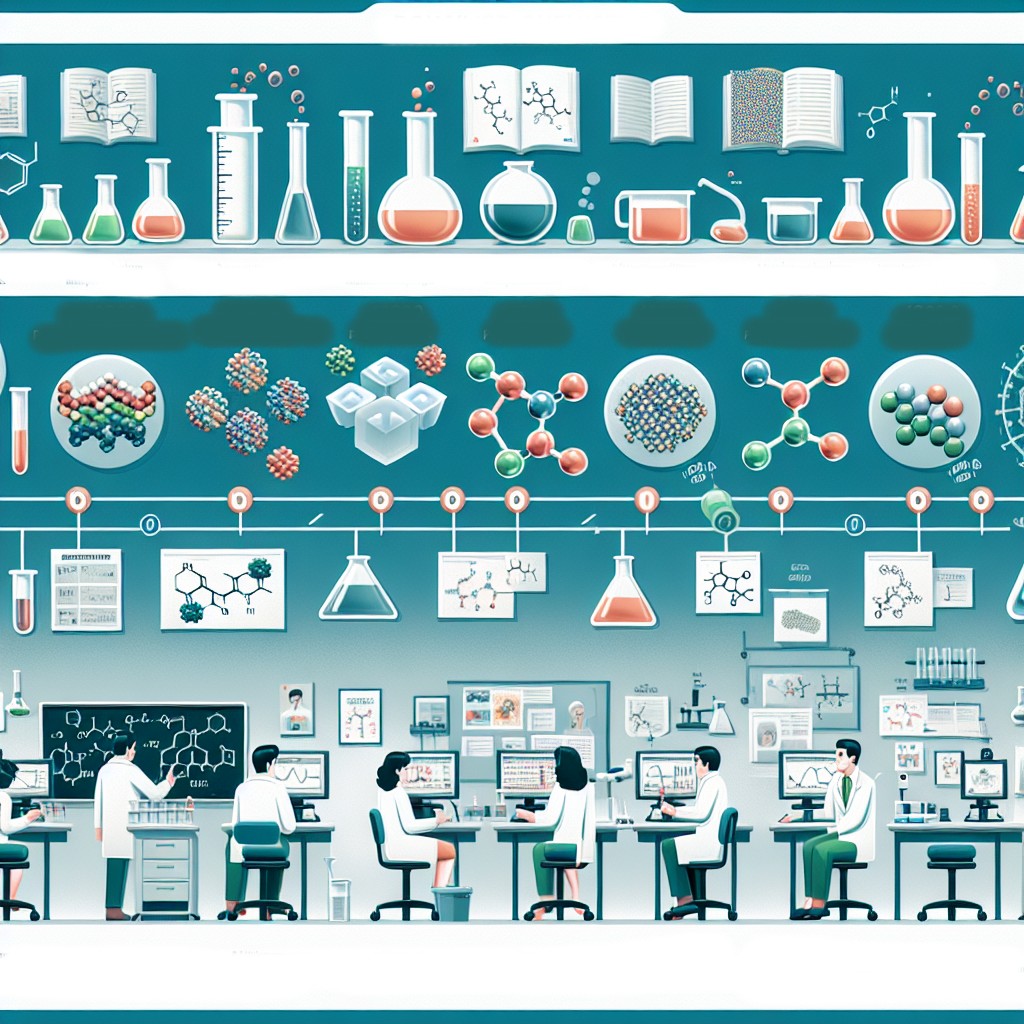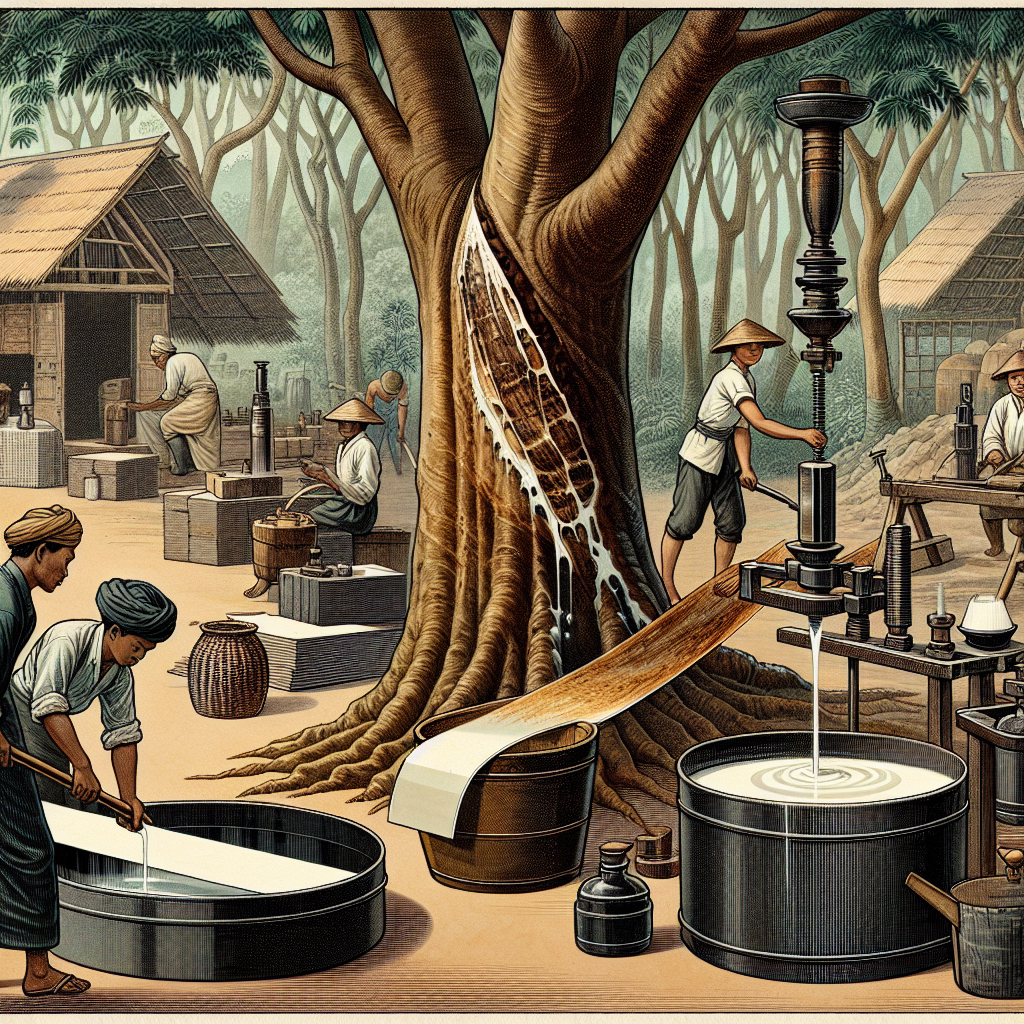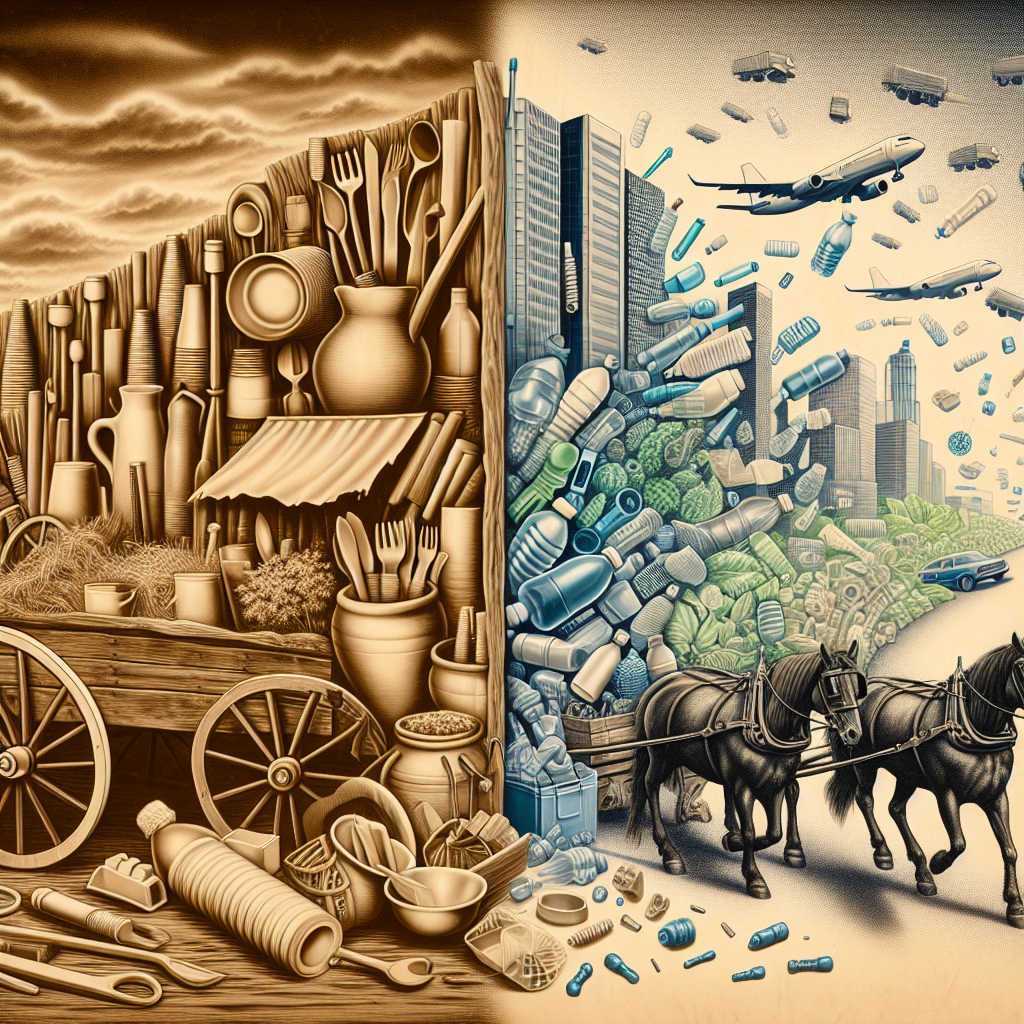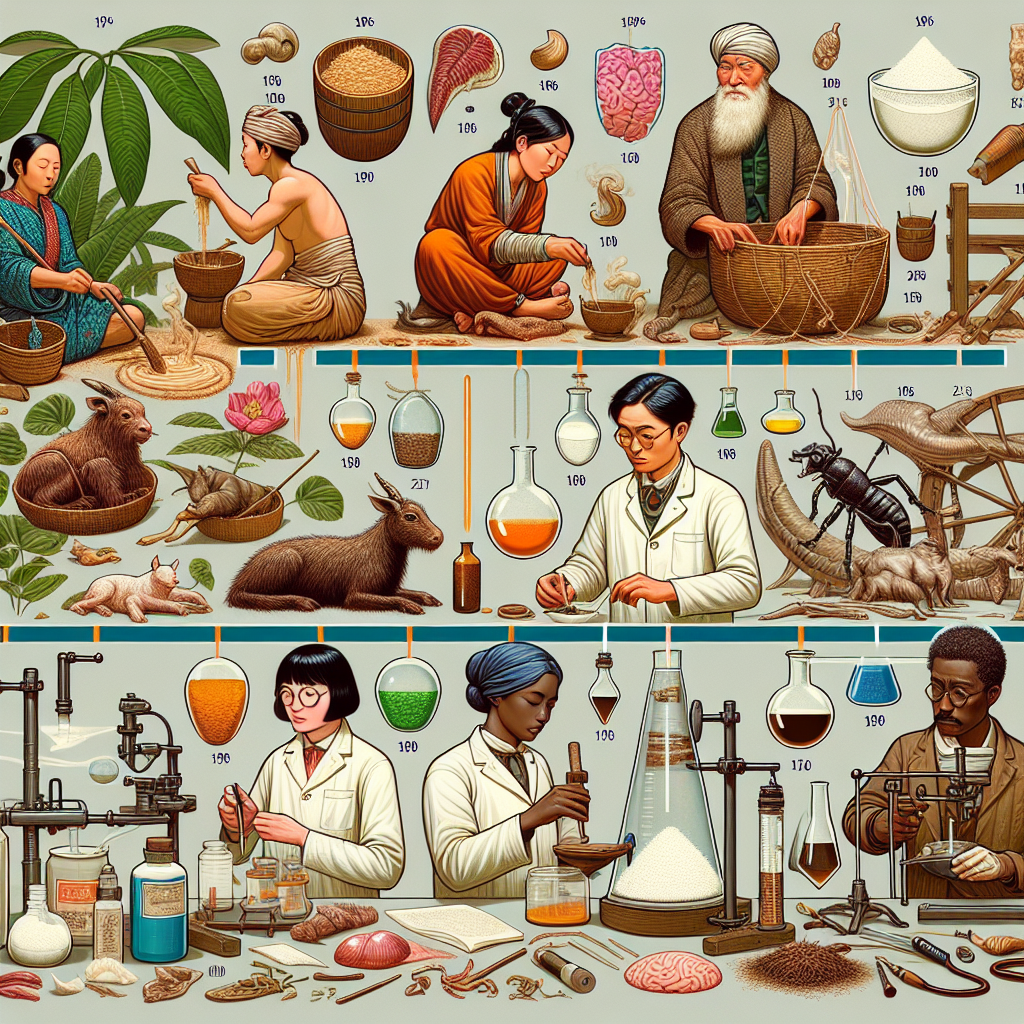
The polymer industry is undergoing a transformative phase, driven by groundbreaking innovations and emerging technologies that are reshaping material science and its applications across various sectors. This article delves into the latest advancements propelling the industry forward, highlighting key trends and their implications for the future.
1. Sustainable and Biodegradable Polymers
Environmental concerns have intensified the demand for eco-friendly materials. Biodegradable polymers, such as polyhydroxyalkanoates (PHAs), have emerged as viable alternatives to traditional plastics. PHAs are biopolyesters produced by microbial fermentation, offering biodegradability and biocompatibility. Recent research has focused on enhancing their properties by incorporating nanofillers like graphene and carbon nanofibers, resulting in biocomposites with improved electrical and thermal characteristics. These advancements expand the applicability of PHAs in areas like electronics and packaging.
2. Advanced Recycling Technologies
Traditional recycling methods often degrade polymer quality, posing challenges to sustainability efforts. Emerging technologies aim to preserve or restore polymer properties, ensuring a circular lifecycle for materials. Innovations such as chemical recycling, including pyrolysis and depolymerization, are being developed to convert plastic waste into valuable raw materials. Additionally, advanced sorting technologies, like near-infrared spectroscopy and AI-driven systems, enhance the efficiency and accuracy of plastic recycling processes.
3. Integration of Artificial Intelligence in Polymer Design
Artificial intelligence (AI) is revolutionizing polymer research by enabling the rapid discovery and optimization of materials with desired properties. AI-driven polymer informatics platforms utilize machine learning algorithms to predict polymer behavior, facilitating the design of materials for specific applications such as energy storage and filtration technologies. This approach accelerates development cycles and reduces reliance on trial-and-error experimentation.
4. Automated and High-Throughput Polymer Synthesis
Automation in polymer synthesis enhances efficiency and reproducibility in material development. Automated systems enable parallel synthesis and combinatorial methods, allowing researchers to create extensive libraries of polymer compositions rapidly. This streamlines the exploration of structure-property relationships and accelerates the identification of optimal materials for various applications.
5. Development of Smart and Functional Polymers
The demand for materials that respond to environmental stimuli has led to the development of smart polymers. These materials can change their properties in response to factors like temperature, pH, or light, making them suitable for applications in drug delivery, sensors, and adaptive coatings. Advancements in this area are opening new avenues for innovation in medical and technological fields.
6. Nanostructured Polymer Assemblies
Nanotechnology is playing a pivotal role in enhancing polymer performance. Nanostructured polymer assemblies, such as block copolymers, can self-assemble into well-defined nanostructures with tailored properties. These materials are being explored for applications in nanolithography, filtration membranes, and as templates for the synthesis of nanomaterials. The ability to control structures at the nanoscale enables the development of polymers with unprecedented functionalities.
7. Sustainable Energy Applications
Polymers are integral to advancements in sustainable energy technologies. For instance, polymer membranes are crucial components in fuel cells and batteries, contributing to improved energy efficiency and storage capabilities. Research is focused on developing polymers with enhanced durability, lightweight properties, and recyclability to meet the demands of sustainable energy solutions.
8. Innovations in Polymer-Based Electronics
The rapid growth of the electronics industry, driven by consumer electronics and emerging technologies like the Internet of Things (IoT) and wearable devices, has increased the demand for polymers that offer high flexibility, conductivity, and heat resistance. Developments in this area are leading to the creation of flexible electronics, sensors, and energy storage devices that integrate seamlessly into various applications.
9. Circular Economy and Waste Valorization
The shift towards a circular economy emphasizes the valorization of waste materials. Researchers are developing methods to convert agricultural and industrial waste into valuable polymer products. For example, biocarbon derived from biomass is being used as a reinforcing agent in thermoplastic composites, enhancing material properties while promoting sustainability.
10. Challenges and Future Outlook
While these innovations are propelling the polymer industry forward, challenges remain. Issues such as raw material shortages, environmental impact, and the need for scalable manufacturing processes require ongoing research and development. Nonetheless, the convergence of advanced technologies and sustainable practices holds promise for a future where polymers play a central role in addressing global challenges.
In conclusion, the polymer industry is experiencing a dynamic evolution, with innovations and emerging technologies paving the way for materials that are not only high-performing but also environmentally sustainable. As research continues to break new ground, the applications of polymers are set to expand, offering solutions that meet the complex demands of modern society.