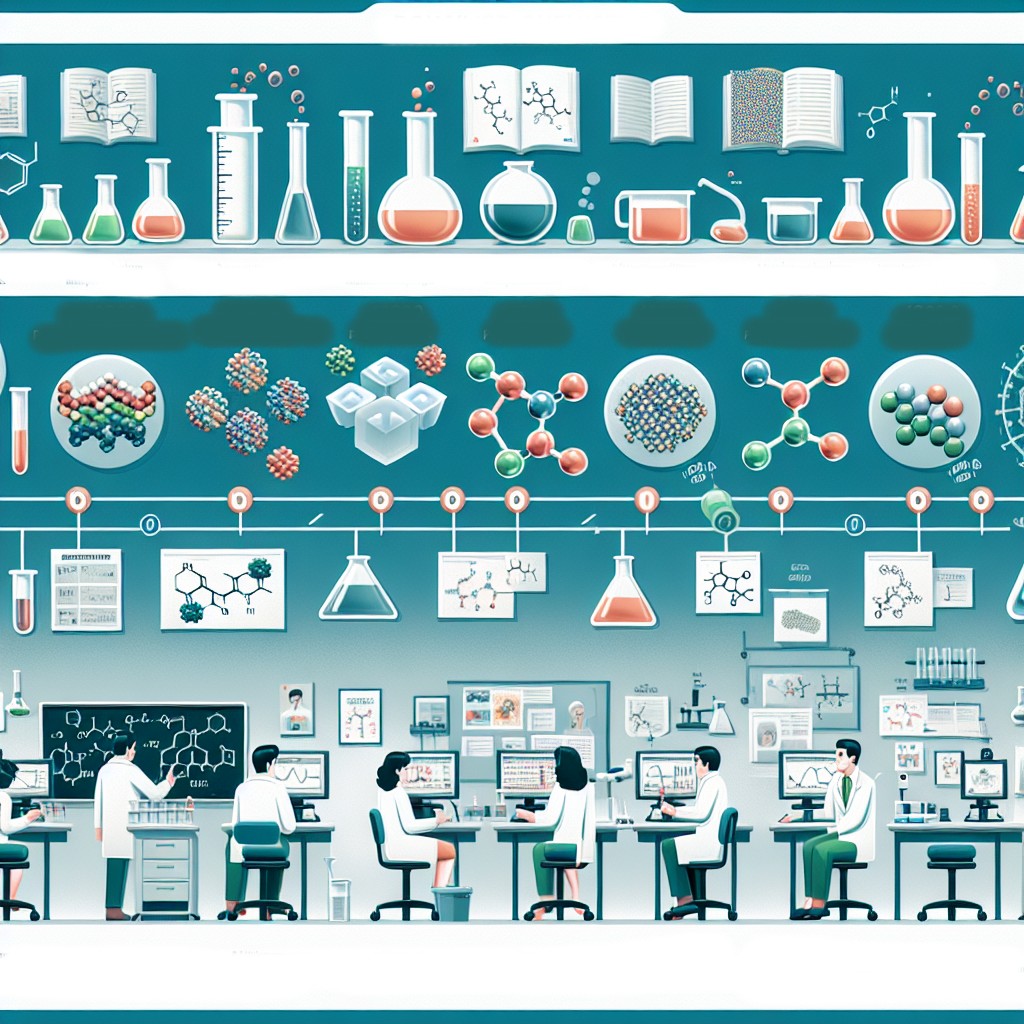
The field of polymer production has seen revolutionary changes over the past few decades, driven by advances in technology and innovative research methodologies. Among these advancements, the role of big data has emerged as a key player. Big data refers to the vast volumes of unstructured and structured data generated across industries and processes, including polymer production. Its integration into the polymer industry not only optimizes production techniques but also enhances the quality and diversity of polymer products. The rising importance of big data in polymer production cannot be overstated. From improving research and development (R&D) processes to optimizing supply chains, big data is transforming the landscape of polymer manufacturing. This article delves deeply into the multifaceted role of big data in polymer production, exploring its significant impact on improving efficiency, quality, and sustainable practices in the industry.
Data-Driven Research and Development in Polymers
The integration of big data in the field of R&D is particularly transformative within the polymer industry. Traditionally, the development of new polymers involved extensive laboratory experiments, trial and error, and substantial resource investment. Big data has revolutionized this process by enabling data-driven R&D methodologies. By leveraging machine learning algorithms and advanced data analytics tools, researchers can now analyze vast datasets to predict the properties of new polymer formulations before they are synthesized. This allows for the rapid identification of promising materials and helps in tailoring polymers with specific characteristics, such as enhanced thermal stability or improved mechanical strength, thus reducing the time and resources typically required in product development.
Furthermore, big data facilitates a more profound understanding of polymer behavior under various conditions. By collecting and analyzing data related to temperature, pressure, and concentration variables during polymerization, researchers can develop comprehensive models to predict the behavior of polymers. This data-driven approach enables the fine-tuning of polymer production processes, optimizing them for the desired end characteristics. Moreover, the ability to store and retrieve vast historical datasets allows scientists to learn from past experiments and avoid repeating mistakes, significantly accelerating the innovation cycle within polymer R&D.
Optimizing Polymer Manufacturing Processes
In the realm of manufacturing, big data plays a critical role in streamlining and enhancing the polymer production process. Large-scale polymer manufacturers generate immense amounts of operational data. This data includes parameters such as temperature readings, chemical feed rates, and energy consumption patterns, all of which are crucial for maintaining efficient production lines. Utilizing predictive analytics, manufacturers can process this data to identify potential bottlenecks and inefficiencies in real-time, thus ensuring smooth and uninterrupted production flows. For instance, predictive maintenance powered by big data can foresee equipment failures before they occur, reducing downtime and associated costs. This not only boosts productivity but also extends the lifespan of production equipment, resulting in significant cost savings.
Moreover, big data analytics helps in optimizing the use of raw materials. By analyzing historical production data, manufacturers can better understand the correlation between input materials and product quality. This insight enables them to adjust formulations and processing parameters for maximum efficiency, ensuring that the highest quality standards are consistently met while minimizing waste. In the long run, this leads to cost reduction, as less material is discarded, refining the sustainability aspect of the production process.
Enhancing Quality Control and Assurance
Quality control is another area where big data has a substantial impact. Manufacturing polymers involves complex chemical reactions that can lead to subtle variations in the final product. Big data analytics provides the necessary tools to monitor these processes with a high degree of precision. Utilizing real-time data collection and analysis, manufacturers can identify deviations from the desired product specifications at any stage of production. This early detection capability leads to rapid intervention, minimizing the impact of defects and preserving the quality of the final polymer products. Additionally, data-driven quality assurance frameworks can analyze trends over time to predict potential quality issues, enabling a proactive approach to quality management.
Another key advantage is the ability to consolidate customer feedback and warranty claims data into quality control processes. By integrating consumer insights into the production phase, manufacturers can continuously improve their products to meet market demands. The insights garnered from customer data not only enhance product quality but also guide future R&D efforts, ensuring that the newest polymer lines address the continuously evolving needs and preferences of consumers.
Supply Chain and Distribution Optimization
Big data also plays a crucial role in optimizing the supply chain and distribution networks of polymer production companies. In today’s globalized market, the complexity of supply chains has increased tremendously, requiring efficient management to maintain competitiveness. By utilizing big data, companies can gain real-time visibility into their supply chains, tracking the movement of raw materials from suppliers to the final delivery of finished products to consumers. This comprehensive visibility aids in minimizing delays and disruptions, thus maintaining the integrity of supply networks.
Furthermore, predictive analytics can analyze historical sales data and external market trends to forecast demand more accurately. This capability allows companies to adjust their production schedules and inventory levels accordingly, reducing overproduction or underproduction risks. Consequently, businesses can minimize storage costs and avoid inventory wastage, enhancing overall profitability. Additionally, understanding consumer demand patterns enables better alignment of marketing strategies, ensuring that the right products are available at the right time and place.
Driving Sustainability in Polymer Production
Sustainability is an ever-growing concern across industries, and polymer production is no exception. The integration of big data supports sustainable practices by driving efficiency across the supply chain and production processes. By analyzing energy consumption patterns in real-time, manufacturers can identify areas for improvement, leading to reduced energy usage and lower greenhouse gas emissions. This not only benefits the environment but also reduces operational costs. Additionally, big data enables the analysis of waste generation patterns, helping businesses to devise strategies for waste minimization and recycling effectively.
Beyond internal operations, big data aids in sourcing raw materials sustainably. By mapping supply chain data, manufacturers can assess the ecological impact of their sourcing decisions, opting for suppliers with environmentally friendly practices. This commitment to sustainability can enhance a company’s brand reputation and align with growing consumer preferences for greener products. By leveraging big data, the polymer industry can facilitate responsible production that aligns with global sustainability goals.
Conclusion
In conclusion, the influence of big data on polymer production is profound and multifaceted. From revolutionizing research and development processes to optimizing manufacturing, quality assurance, and supply chain management, big data is pivotal in refining efficiency and driving innovation throughout the industry. Moreover, its role in promoting sustainable practices cannot be overemphasized, as the industry moves towards a more environmentally responsible future. As technology advances and data analytics tools become increasingly sophisticated, the polymer industry stands to benefit even further, unlocking new possibilities and enhancing competitive advantage. Big data has firmly established itself as an indispensable asset in polymer production, poised to continue shaping the industry’s trajectory for years to come.