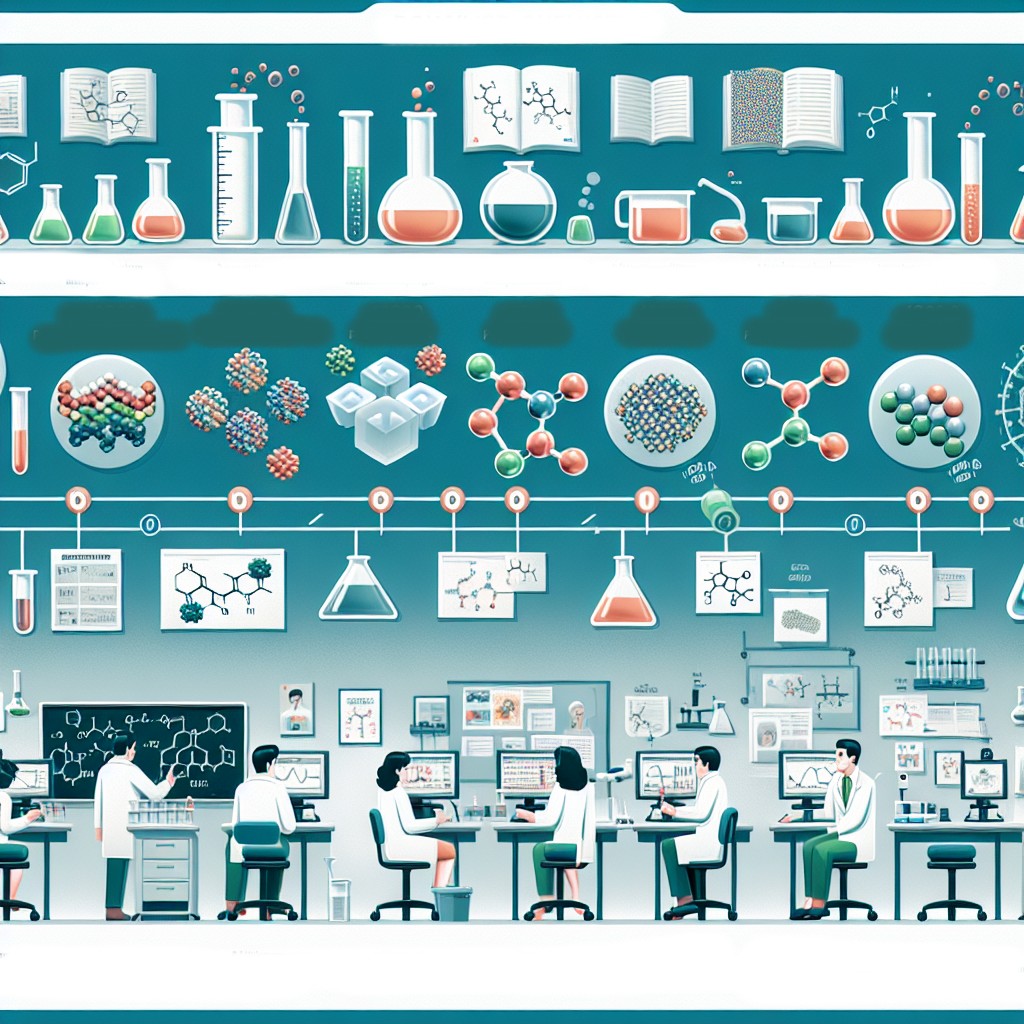
In recent years, significant efforts have been directed towards reducing the carbon footprint associated with various industrial processes and consumer products. As the global awareness of environmental issues intensifies, industries are turning towards innovative solutions to mitigate the adverse impacts of climate change. Polymers, a diverse group of materials, stand at the forefront of these efforts due to their versatile nature and potential applications across numerous sectors. They play a pivotal role in reducing carbon emissions and enhancing environmental sustainability. This article delves into the multifaceted role of polymers in lowering carbon footprints by examining their applications in different industries and highlighting their contributions towards a more sustainable future.
Polymers, consisting of long chains of repeating molecular units, are used widely due to their lightweight, durable, and customizable properties. They serve as the foundational backbone for a myriad of products, from everyday consumer goods to advanced technological applications. This unprecedented flexibility makes them essential in designing environmentally sustainable solutions. By replacing traditional materials associated with high carbon footprints, such as metals and glass, polymers help in conserving energy, reducing greenhouse gas emissions, and promoting eco-friendly manufacturing practices.
The growing emphasis on sustainable development underscores the need to examine the lifecycle impact of materials. Herein lies the remarkable capability of polymers, which can be engineered to meet specific needs and recycle efficiently, thus offering a pathway to reduce waste and enhance resource efficiency. Through various innovations and targeted research, polymers are continually evolving, with new types emerging that promise even greater environmental benefits. Their continued development and deployment could significantly influence global efforts to curb carbon emissions and foster a circular economy.
Applications of Polymers in Energy Conservation and Efficiency
Polymers play a crucial role in the energy sector, particularly in improving energy conservation and efficiency. One of the primary ways polymers contribute to this field is through the insulation of buildings and infrastructure. Traditional building materials, while strong, often lack effective insulating properties that minimize energy loss. Polymers, on the other hand, exhibit excellent insulating capabilities that help maintain temperature regulation within buildings, reducing the need for extensive heating and cooling systems. High-performance polymer foams, employed as insulators, decrease energy consumption by as much as 50%, which in turn lowers the associated carbon emissions.
Moreover, advanced polymer-based coatings and sealants are used to enhance the energy efficiency of surfaces by providing thermal resistance and minimizing leaks. These materials, often applied to windows and external facades, enable buildings to harness natural light and heat, further reducing dependence on artificial energy sources. The durability and lightweight characteristics of polymers also allow for streamlined transportation of insulation materials, decreasing the carbon footprint associated with logistics and installation.
In the automotive industry, polymers are making remarkable strides in contributing to fuel efficiency. Modern vehicles benefit from polymer components in automotive design as they replace heavier materials, leading to reduced overall vehicle weights. This weight reduction results in improved fuel efficiency and reduced emissions. Lightweight polymers, such as thermoplastics and carbon-fiber-reinforced polymers, have become staples in automotive manufacturing, enhancing not only the energy performance of vehicles but also their safety and durability.
Polymers in Renewable Energy Technologies
The advancement of renewable energy technologies is heavily reliant on the development and application of high-performance polymers. These materials are integral to the manufacturing and efficiency of renewable energy systems, such as solar panels and wind turbines. In solar technology, polymers facilitate the production of flexible, lightweight photovoltaic cells. These polymer-based solar cells can be integrated into various surfaces and materials, expanding the usability and accessibility of solar energy, especially in urban environments where traditional solar panels may not be feasible.
Similarly, in wind energy, polymers contribute to the manufacture of turbine blades. Advanced polymer composites, such as fiberglass-reinforced plastics, allow for the creation of larger and more efficient turbine blades. Such enhancements enable wind turbines to capture more wind energy and convert it into electricity, all while maintaining structural integrity even in harsh environmental conditions. By maximizing the efficiency of turbines through the application of polymer technology, the renewable energy sector can produce more power with less environmental impact, significantly reducing the overall carbon footprint.
Furthermore, polymers are essential in emerging energy storage technologies. The transition to renewable energy sources necessitates efficient storage solutions to balance supply and demand. Polymers are used in the development of next-generation batteries, such as lithium-ion and solid-state batteries, where they serve as electrolytes and separators. These polymer-based components contribute to safer, more efficient energy storage solutions that extend battery life and improve performance, thereby enhancing the overall sustainability of energy systems.
Role of Polymers in Packaging and Waste Reduction
Packaging is a critical area where polymers are used to reduce carbon footprints by minimizing material use and improving recycling capabilities. Traditional packaging materials, such as glass and metal, are often resource-intensive and energy-consuming to produce and recycle. Conversely, polymers like polyethylene and polypropylene provide more sustainable alternatives due to their lightweight and versatile properties. They not only require less energy for production and transport but also offer superior protection, thus reducing product waste and spoilage.
Biodegradable and compostable polymers exemplify advancements in sustainable packaging. These materials break down more easily in the environment, mitigating the impact of plastic waste. Innovative techniques are being developed to produce polymers from renewable resources, such as plant biomass, which further reduces reliance on fossil fuels. Such developments shift paradigms from a linear to a circular economy, promoting materials that can return to the environment without leaving harmful residue.
Recycling processes for polymer-based packaging have also evolved, ensuring that used materials are effectively reprocessed into new products. Technologies such as chemical recycling enable the breakdown of polymers back into monomers for reuse, greatly enhancing the lifecycle of these materials and lowering their environmental impact. This efficient recycling reduces the overall demand for virgin materials, which, in turn, decreases greenhouse gas emissions and fossil fuel consumption.
Benefits of Polymers in Electronics and Technology
In the world of electronics and technology, polymers are indispensable. Their application in electronic devices contributes substantially to reducing the overall carbon footprint associated with production and usage. The miniaturization made possible by polymer technology allows for smaller and more efficient devices. Insulative and conductive polymers enhance the functionality and longevity of electronic components, leading to energy savings both during and after manufacturing.
Flexible electronics, powered by conductive polymers, have seen massive strides owing to their adaptability and potential to revolutionize various sectors. These polymers are employed in the development of bendable, lightweight electronic devices, such as wearables and flexible displays, which consume less energy during production compared to conventional electronics. The reduction in material volume and manufacturing requirements significantly diminishes the carbon emissions throughout the product lifecycle.
Moreover, polymers contribute to improving energy efficiency through their role in cooling systems. Electronics generate substantial heat, and efficient thermal management is critical to performance and reliability. Advanced polymers used as thermal interface materials enhance heat dissipation, reducing the need for energy-intensive cooling systems. This increased efficiency leads to more sustainable devices that consume less electricity and produce fewer emissions during use.
Innovations in Sustainable Polymer Development
With ongoing research and innovation, polymers are becoming increasingly sustainable. Scientists are actively developing bio-based polymers that originate from renewable resources rather than petroleum. These materials maintain the functional characteristics of traditional polymers while exhibiting reduced environmental impact. For example, polylactic acid (PLA), derived from corn starch, and polyhydroxyalkanoates (PHAs), produced by microbial fermentation, illustrate the shift towards more eco-friendly polymer solutions.
In addition, the advancement of self-healing polymers marks a significant breakthrough in reducing material waste. Self-healing ability enhances the lifespan of products, allowing for the repair of small defects or damages without needing replacements. This capability extends the utility of products and decreases the frequency of disposal and replacement cycles, thus mitigating the environmental impact of constant production and waste.
Research also focuses on improving the recycling process of traditional polymers, aiming to create near-perfect recycling loops. Efforts to refine chemical recycling processes are underway, which would enable polymers to be depolymerized and re-polymerized with minimal quality loss. Such technological advancements present the opportunity to dramatically enhance the lifecycle management of polymers, ensuring they contribute less to waste and more to the reduction of carbon footprints.
Conclusion
As the global initiative to combat climate change intensifies, polymers emerge as integral components in efforts to reduce carbon footprints across various sectors. From energy conservation, renewable technology, and packaging to electronics and sustainable innovations, they provide crucial avenues for minimizing reliance on non-renewable resources and decreasing greenhouse gas emissions. The distinctive properties of polymers, along with ongoing research and innovation, unlock numerous opportunities to promote sustainability and efficiency in industries worldwide.
The future of polymers holds the promise of even more groundbreaking advancements in sustainability. Their continued development hinges on creating materials that are not only high-performing and reliable but also environmentally advantageous. In concert with other strategies and technologies, polymers can play a transformative role in addressing the pressing need for sustainable development and environmental stewardship. They exemplify the potential of human ingenuity to solve pressing global challenges such as climate change and resource depletion, guiding societies toward a more sustainable and mindful relationship with the planet.
As industries and consumers alike recognize the need for responsible resource management, polymers stand as inspirational examples of how material science can harmonize with ecological concerns to foster a greener, more efficient future. Their significant contributions to reducing the carbon footprint illustrate the broader potential of science and technology to redefine our relationship with the environment for generations to come.