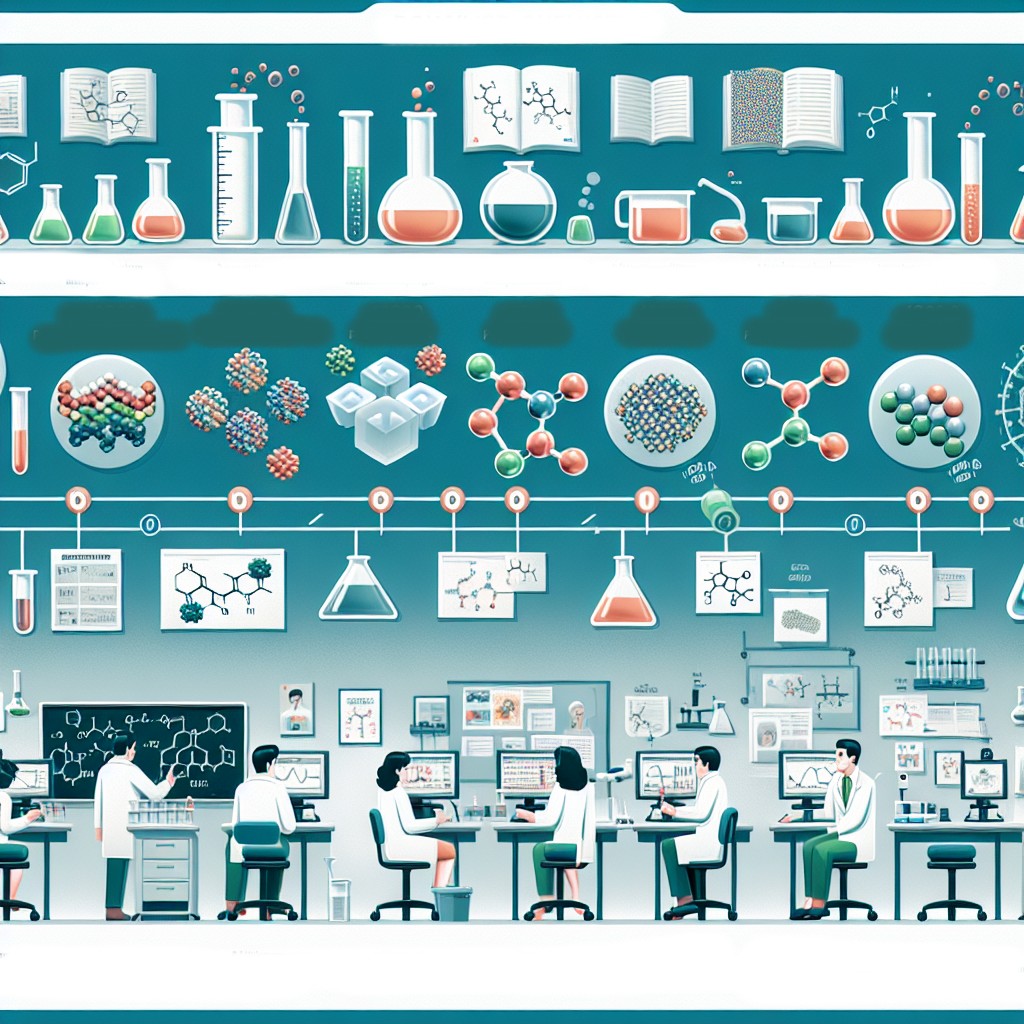
Polymers represent an essential segment in the world of materials, with their applications stretching across countless industries. These sophisticated substances are macromolecules composed of repeated subunits, known as monomers, and possess diverse properties that meet a variety of needs in today’s complex world. From packaging materials to automotive parts and even biomedical devices, polymers play an integral role in modern industrial and consumer products. However, given their widespread use and potential environmental and health impacts, understanding the regulatory framework governing polymers is crucial. This framework, defined by various international, national, and regional bodies, ensures that polymeric materials are produced, utilized, and disposed of responsibility while safeguarding human health and the environment. To grasp the nuances of polymer regulation requires delving into the complexities of chemical safety laws, waste management protocols, and sustainability considerations. This article aims to provide a thorough overview of the regulatory landscape for polymers, outlining the key regulations, agencies, and compliance processes that influence material innovation and market accessibility.
Global Regulatory Framework
The polymer industry is subject to meticulous regulations at a global level to ensure safety, minimize environmental impact, and promote sustainable development. International bodies such as the United Nations and the World Health Organization contribute to forming regulations that member countries adopt and adapt. The United Nations’ Convention on the Transboundary Movement of Hazardous Wastes and their Disposal, known as the Basel Convention, not only addresses waste handling but also emphasizes reducing hazardous materials, including certain polymers. In addition, the Strategic Approach to International Chemicals Management (SAICM) offers a policy framework promoting chemical safety worldwide. Both frameworks have significant implications for the polymer industry, impacting how materials are produced, shipped, and disposed of globally.
European Union Regulations
The European Union (EU) provides one of the most comprehensive regulatory frameworks for polymers, mainly through its Registration, Evaluation, Authorisation, and Restriction of Chemicals (REACH) legislation. This regulation requires polymer manufacturers and importers to register substances used or produced over 1 tonne per year with the European Chemicals Agency (ECHA). The information necessary for registration includes the polymer’s properties, hazards, and exposure potential. The REACH framework inspires confidence in product safety and environmental responsibility while fostering innovation through incentives for developing safer alternatives. Similarly, the Classification, Labelling, and Packaging (CLP) regulation ensures polymers are appropriately classified and labeled, providing transparency and ensuring the safety of workers and consumers alike.
Additionally, the EU’s prioritizes sustainable polymer use through its Circular Economy Action Plan. This strategy encourages the transition to a sustainable model by promoting polymer recycling, reuse, and reducing waste. Particular attention is given to reducing single-use plastic polymers and supporting innovations in biodegradable and biopolymer materials.
United States Regulations
The regulatory framework governing polymers in the United States is primarily overseen by the Environmental Protection Agency (EPA) under laws such as the Toxic Substances Control Act (TSCA). TSCA mandates that any new polymer or significantly modified existing chemical must undergo an evaluation before entering the market. This Pre-Manufacture Notice (PMN) process requires detailed substance information, necessitating companies to provide safety data and intended use cases. The EPA assesses the risks associated with polymers, ranging from environmental impact to potential health hazards, and may impose restrictions or require further testing to mitigate concerns.
FDA and FDA’s Role
Polymers intended for food contact or medical applications are subject to additional scrutiny by the Food and Drug Administration (FDA). The FDA enforces strict regulations to ensure that these polymers do not release hazardous substances that could compromise human health. These materials are required to comply with standards outlined in the Code of Federal Regulations Title 21, which stipulate migration limits for specific substances and lists of approved additives and manufacturing processes.
Asia-Pacific Regulatory Environment
In the Asia-Pacific region, countries like China, Japan, and South Korea have developed their regulatory systems to oversee polymer use and production, with a growing emphasis on environmental protection and sustainability. China’s Ministry of Ecology and Environment (MEE), along with the country’s Registration, Evaluation, Authorisation, and Restriction of Chemicals (REACH) model, governs polymer regulations. Notably, China’s version of REACH focuses on the stringent registration and evaluation of new chemical substances, aligning closely with the EU’s framework.
Similarly, Japan’s Chemical Substances Control Law (CSCL) plays an integral role in regulating polymers, alongside the Industrial Safety and Health Act (ISHA), which mandates that businesses assess and mitigate any potential hazards posed by chemicals. South Korea’s Act on the Registration and Evaluation of Chemicals (K-REACH) mirrors the EU model, demanding extensive chemical registration and risk assessment, underscoring the region’s commitment to comprehensive regulatory control over polymers.
Challenges in Compliance
While regulatory frameworks aim to ensure safety and sustainability, they present significant challenges to the polymer industry, particularly in terms of compliance. Companies must navigate complex processes, gather extensive data, and incur substantial costs associated with testing and documentation. Multi-national corporations operating across different jurisdictions often face the additional burden of aligning with diverse regulatory requirements that may vary significantly between regions, requiring a profound understanding of each area’s specific rules.
Moreover, innovation within the polymer field can be hampered by regulatory hurdles. As new materials and technologies are developed, the time and resources required to gain compliance can delay bringing cutting-edge solutions to market. This tension between regulatory demands and innovation requires strategic planning and investment to ensure that polymers remain pivotal in advancing technology while adhering to essential safety standards.
Sustainability and Future Directions
Given the growing awareness of environmental issues, the future of polymer regulation is likely to increasingly embody sustainability principles. Regulatory frameworks are expected to place even greater emphasis on promoting eco-friendly polymers, specifically those that are biodegradable or derived from renewable sources. Governments and international bodies may introduce additional incentives and mandates to spur innovation in sustainable materials and to improve recycling efficiencies.
Technology also will play a role in the future of polymer regulation. Advances in data analytics, artificial intelligence, and other emerging technologies offer opportunities for more efficient compliance processes and more predictive risk assessments, streamlining the submission, review, and approval stages. These tech-driven solutions promise to reduce the time-to-market for new polymers while ensuring safety and compliance remain at the forefront of developments.
As the demand for transparent supply chains grows, enhanced traceability in polymer production and distribution is becoming vital. Digital tools, such as blockchain technology, may soon revolutionize the tracking process, allowing for real-time insights into material composition, sourcing, and lifecycle, thus supporting regulatory compliance and consumer assurance.
Conclusion
The regulatory framework for polymers is essential in balancing innovation with safety, environmental stewardship, and consumer protection. Understanding these dynamics is crucial for stakeholders within the polymer industry, regulators, and consumers alike. As polymers continue to innovate and become increasingly integrated into daily life, ensuring that they remain safe and sustainable involves navigating a complex web of regulations. However, the challenges posed by compliance can be addressed with strategic planning, awareness, and the adoption of advanced technologies.
In the coming years, the focus on sustainability will likely intensify, prompting regulatory bodies to further refine frameworks that encourage the development and deployment of eco-friendly polymers. Simultaneously, as digital innovations create efficiencies in regulatory processes, stakeholders must remain adaptive and open to change. Ultimately, the relationship between polymer materials and regulatory frameworks will undoubtedly evolve, driving the industry towards more sustainable practices, safer products, and enhanced regulatory compliance to meet the needs of a dynamic and ever-shifting market landscape.
By embracing this evolution, the polymer industry can continue to thrive while meeting its responsibilities to society and the environment, ensuring that these versatile materials remain integral to technological and industrial progress.