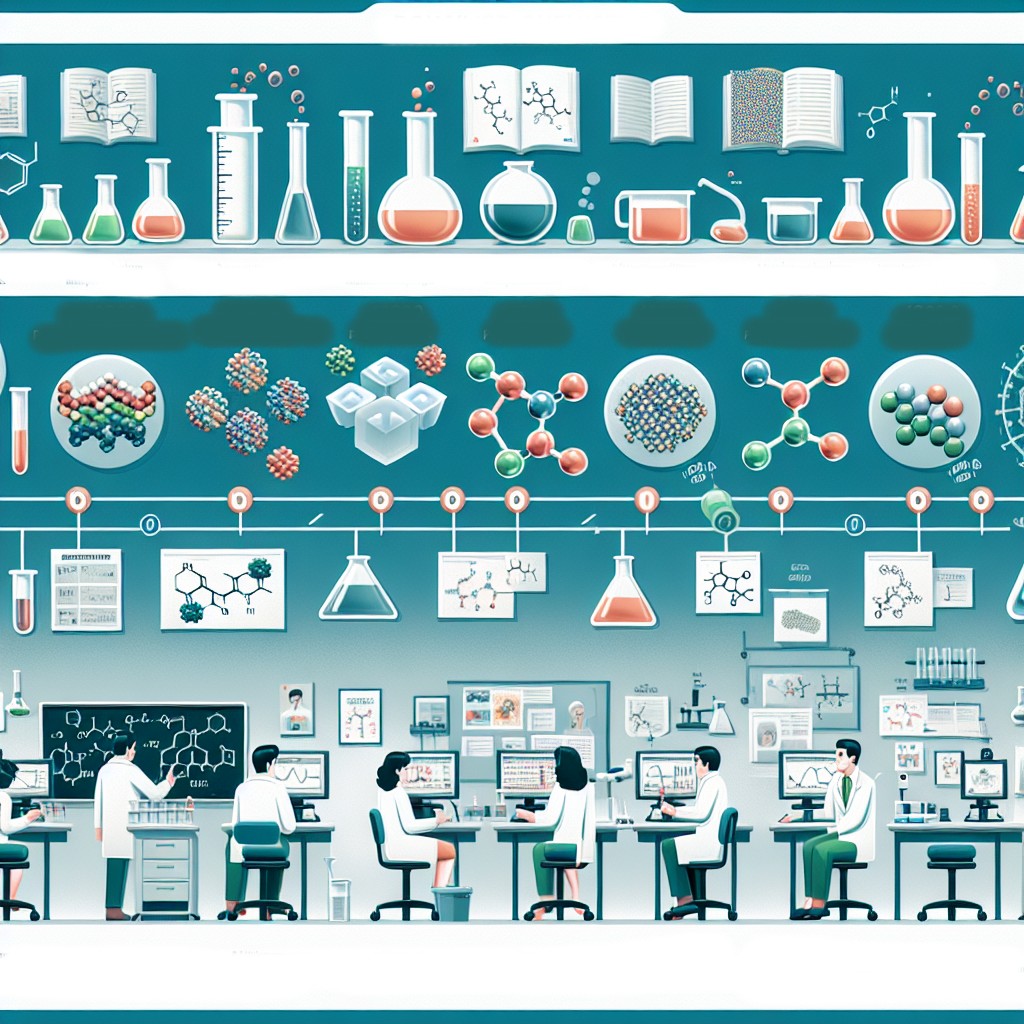
In today’s rapidly evolving world, the polymer industry stands at the forefront of innovation, driven by the dynamic collaboration between public institutions and private enterprises. These public-private partnerships (PPPs) are not just beneficial—they’re essential for fostering groundbreaking advancements in polymer science and applications.
The Essence of Public-Private Partnerships
At its core, a public-private partnership is a collaborative agreement where government entities and private sector companies unite to achieve common goals. In the context of the polymer industry, these partnerships leverage the strengths of both sectors: the research capabilities and regulatory frameworks of public institutions, and the agility, resources, and market access of private companies.
Accelerating Innovation Through Collaboration
One of the most significant advantages of PPPs in the polymer sector is the acceleration of innovation. By pooling resources and expertise, these collaborations can tackle complex challenges more effectively than either party could alone.
For instance, the Polymer Industry Cluster in Akron, Ohio, exemplifies the power of such partnerships. This collaboration between private and public partners focuses on innovation and investment opportunities in the region’s materials industry. In 2024, the cluster received a $51 million federal investment to advance a hub dedicated to sustainable polymers. This initiative aims to create a strategic advantage in sustainable polymers for the U.S., fostering job creation and economic growth in the region.
Bridging the Gap Between Research and Application
PPPs play a crucial role in bridging the often-cited gap between academic research and industrial application. Universities and research institutions generate a wealth of knowledge, but translating these findings into market-ready products requires the involvement of industry partners.
A notable example is the collaboration between the Adolphe Merkle Institute (AMI) in Switzerland and various industrial partners. AMI conducts both fundamental and application-oriented research in soft nanomaterials, receiving part of its funding through industrial partnerships. This model ensures that research is aligned with industry needs, facilitating the swift commercialization of new polymer technologies.
Driving Sustainability in Polymer Development
Sustainability is a pressing concern in the polymer industry, with increasing demand for eco-friendly materials and processes. PPPs are instrumental in driving sustainable innovation by combining public interest with private sector efficiency.
The Sustainable Polymers Tech Hub, recognized by President Biden, is a testament to such efforts. This hub focuses on expanding collaborative intergovernmental and public-private partnerships, enhancing workforce development training, and positioning the region as a global leader in the sustainable polymer industry.
Enhancing Competitiveness Through Cluster Initiatives
Industry clusters—geographic concentrations of interconnected companies and institutions—benefit significantly from PPPs. These clusters enhance competitiveness by fostering collaboration, driving innovation, and attracting investment.
The North East of England Process Industry Cluster (NEPIC) is a prime example. NEPIC collaborates with various international clusters and associations to promote knowledge sharing and business development. Such partnerships have led to significant investments and job creation in the region, underscoring the effectiveness of PPPs in bolstering regional economies.
Overcoming Challenges in Public-Private Collaborations
While the benefits of PPPs are substantial, these collaborations are not without challenges. Aligning the objectives of public institutions and private companies can be complex, given their differing priorities and operational frameworks. Effective communication, mutual trust, and clearly defined goals are essential to navigate these challenges successfully.
Moreover, intellectual property rights and profit-sharing agreements must be carefully negotiated to ensure that all parties benefit equitably from the partnership. Establishing transparent governance structures can help in managing these aspects, fostering a collaborative environment conducive to innovation.
The Future of PPPs in the Polymer Industry
Looking ahead, the role of PPPs in the polymer industry is poised to expand further. As global challenges such as environmental sustainability and resource scarcity intensify, the need for innovative polymer solutions will grow. PPPs will be central to developing these solutions, combining public oversight with private sector dynamism to drive progress.
Emerging trends indicate a greater emphasis on international collaborations, with PPPs transcending national boundaries to tackle global issues. Additionally, there is a growing focus on involving small and medium-sized enterprises (SMEs) in these partnerships, recognizing their agility and innovative potential.
Conclusion
Public-private partnerships are a driving force behind the remarkable advancements in the polymer industry today. By leveraging the unique strengths of both public institutions and private companies, these collaborations accelerate innovation, promote sustainability, and enhance competitiveness. As the industry continues to evolve, fostering and strengthening these partnerships will be crucial for addressing future challenges and seizing new opportunities.