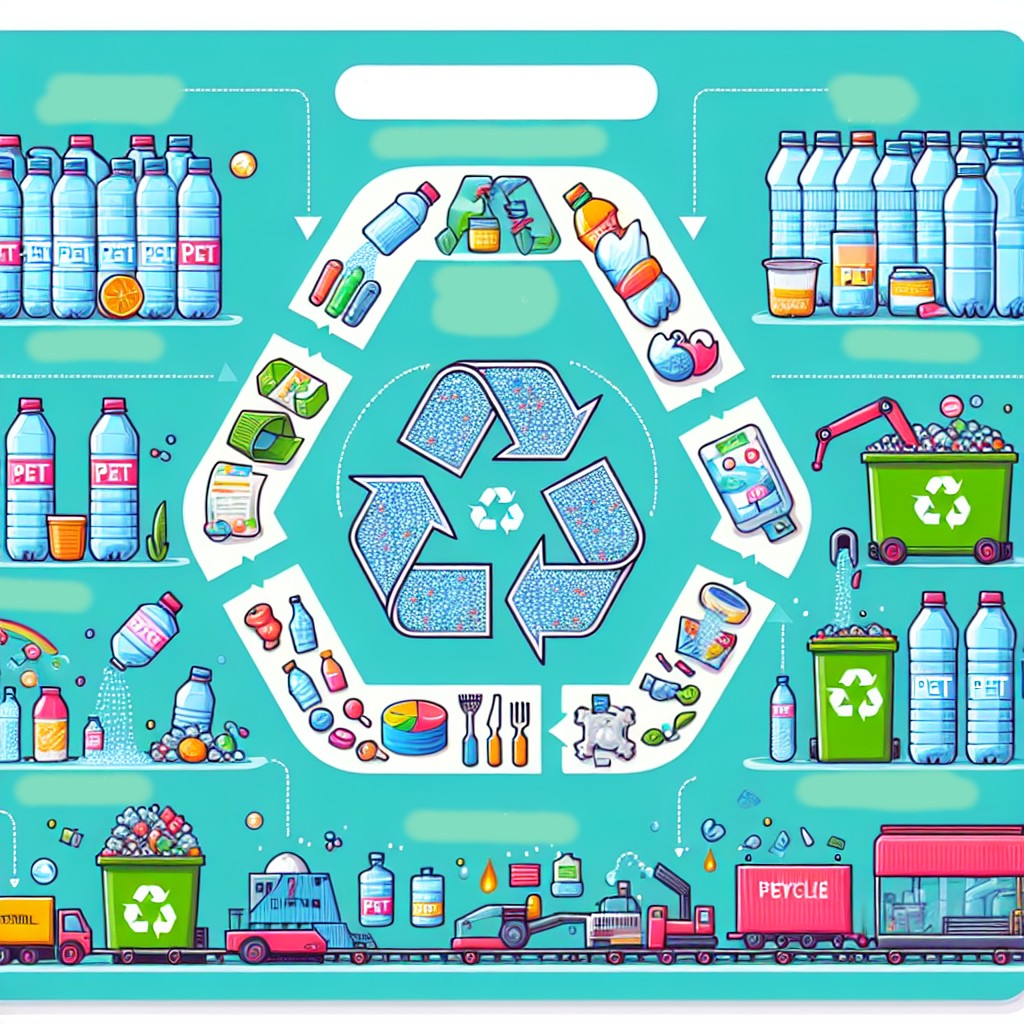
In recent years, the growing awareness of environmental issues has sparked significant interest in sustainable packaging solutions. As consumers and businesses increasingly prioritize eco-friendly practices, the packaging industry is undergoing a transformation to adopt materials that offer reduced environmental impact. One such material that has emerged as a viable solution is polylactic acid (PLA). Derived from renewable resources such as corn starch or sugarcane, PLA is a type of biodegradable plastic that is playing a pivotal role in the development of sustainable packaging alternatives. This article delves into the role of polylactic acid in sustainable packaging, exploring its properties, applications, benefits, challenges, and its potential to replace conventional packaging materials.
The mounting concerns over plastic pollution, coupled with stricter regulations aimed at minimizing waste, have necessitated a shift from traditional, petroleum-based plastics to more sustainable options. Polylactic acid, owing to its renewable origins and biodegradable nature, offers a promising alternative. It not only reduces dependency on fossil fuels but also addresses the end-of-life disposal issues associated with conventional plastics. In the following sections, we will discuss the unique properties of PLA that make it suitable for packaging, the various applications it finds in the industry, and how it compares with traditional packaging materials in terms of performance and environmental impact.
As we explore the multifaceted role of PLA in sustainable packaging, it’s crucial to understand both its advantages and limitations. While PLA presents a green alternative to conventional plastics, its production and use involve certain challenges and trade-offs. Despite this, advancements in technology and increasing awareness around sustainable practices continue to enhance its viability and application scope. By the end of this article, readers will gain a comprehensive understanding of how PLA is shaping the future of sustainable packaging and what developments are needed to overcome current barriers for broader adoption.
Properties of Polylactic Acid
Polylactic acid (PLA) is a thermoplastic polyester known for being biodegradable and derived from renewable resources. Its chemical composition gives PLA some distinct characteristics that are advantageous for packaging applications. PLA is known for its clarity, stiffness, and a glossy finish, making it visually appealing for consumers. Additionally, it offers good resistance to moisture and grease, an essential factor for food packaging. The melting temperature of PLA ranges between 150 to 160°C, making it suitable for certain applications, though it is generally not recommended for high-temperature environments due to deformation risks.
The biodegradability of PLA is one of its most significant benefits. Under industrial composting conditions, PLA can break down into water, carbon dioxide, and organic matter within a few months. This characteristic is a stark contrast to traditional plastics that can persist in the environment for hundreds of years. However, it is essential to note that PLA requires specific conditions to break down efficiently, meaning it does not readily decompose in a household compost setting or if discarded improperly in a landfill.
Applications in Packaging
PLA has found its place in an array of packaging applications due to its versatility and environmentally friendly profile. It is extensively used to manufacture containers, cups, and bottles commonly used in the food and beverage industry. Given its safe, non-toxic nature and attractive aesthetic properties, it is an ideal choice for packaging fresh produce, salads, and deli foods. Further, its suitability for creating attractive film wraps and liners has expanded its usage to products that prioritize appearance, such as confectionery and bakery items.
Beyond food applications, PLA is also increasingly used in the cosmetics and personal care sectors. Here, it serves as a convenient material for tubes, jars, and cosmetic pots. In the context of e-commerce, where packaging plays a vital role in brand perception, PLA’s sustainable profile offers companies a way to align with consumer expectations for eco-conscious operations.
Comparisons with Conventional Plastics
When compared to conventional plastics derived from petroleum, PLA offers a range of environmental benefits. Traditional plastics, such as polyethylene and polypropylene, are non-biodegradable and contribute significantly to landfill waste and ocean pollution. PLA, on the other hand, reduces reliance on non-renewable resources and offers compostable end-of-life disposal options under suitable conditions. Furthermore, its production is associated with lower greenhouse gas emissions, making it a preferable option for brands committed to reducing their carbon footprint.
However, there are challenges involved in replacing conventional plastics with PLA on a broad scale. The cost of producing PLA is currently higher than that of traditional plastics, which can deter some companies from switching despite its environmental benefits. Additionally, the mechanical and thermal properties of PLA are inferior to those of some conventional plastics, limiting its application in sectors that demand high durability and thermal resistance.
Benefits of PLA in Sustainable Packaging
PLA’s benefits in the context of sustainable packaging are multifaceted, offering both environmental and market-driven advantages. One of the primary benefits lies in its origin from renewable resources, which reduces dependency on finite fossil fuels. This aligns well with global objectives to transition towards circular economies and reduce carbon emissions. Its compostability, under the right conditions, also adds to the appeal of PLA as it can result in nutrient-rich compost, thereby supporting sustainable waste management systems.
From a marketing perspective, adopting PLA packaging can enhance a brand’s image, portraying a commitment to sustainability that resonates with increasingly eco-conscious consumers. As consumer demand for green products grows, businesses incorporating PLA can differentiate themselves and potentially capture untapped market segments.
Challenges and Limitations
Despite its advantages, PLA is not without its challenges and limitations. The main issue stems from its relatively slow degradation in natural environments, falsely positioning it as a quick-solution bioplastic. This misconception highlights the need for awareness and education about proper disposal and the significance of industrial composting facilities. The infrastructure for composting PLA remains limited, especially in regions without established industrial composting facilities. This lack of wide-scale composting infrastructure can thwart the environmental benefits offered by PLA, leading to similar disposal issues as conventional plastics.
Additionally, there are technical limitations. PLA’s brittleness compared to other plastics can result in weaker packaging, requiring careful handling and increased material use for robust packaging designs. PLA’s lower resistance to heat can also be a restriction when packaging hot-fill products or becoming exposed to high-temperature environments. These factors must be considered within R&D to enhance PLA’s performance and broaden its application scope, potentially via blends or composites with other biodegradable materials.
Future Directions for PLA in Sustainable Packaging
Research and development continue to play a critical role in overcoming the challenges associated with PLA. Various innovations aimed at improving its mechanical properties and widening its application possibilities are underway. Additives that enhance PLA’s strength, impact resistance, and thermal stability are being actively explored to make it a more attractive alternative to traditional plastics. Furthermore, ongoing research into reducing production costs could eventually make PLA a more economically viable option for a wider range of companies, potentially leading to an expanded presence in the packaging market.
The advancements in recycling technologies, especially chemical recycling, involving breaking down PLA back into its monomers for repurposing, indicate a promising avenue for the plastic’s lifecycle management. If innovative recycling solutions are developed and become cost-effective and widely adopted, they could eliminate or reduce disposal concerns while facilitating a closed-loop system that maximizes resource reuse.
Conclusion
As the world moves towards greater environmental accountability, polylactic acid stands out as a promising solution in the sustainable packaging sector. Its renewable origins, lower carbon footprint, and compostability under the right conditions position PLA as a viable alternative to traditional plastics. Despite the current challenges related to disposal infrastructure and cost, technological advancements and growing consumer awareness continue to increase its attractiveness and accessibility.
The role of PLA in sustainable packaging reflects a significant step towards addressing both waste management and greenhouse gas emissions as part of broader environmental goals. Future efforts aimed at enhancing its properties and economic feasibility, coupled with advances in recycling infrastructure, could foster broader adoption across diverse industries. At the same time, ongoing education efforts are vital to ensuring an understanding of PLA’s role, benefits, and limitations. As industries continue to innovate and tackle the emerging challenges, polylactic acid is poised to play a crucial role in the transition to more sustainable and environmentally responsible packaging solutions.
In summary, while PLA is not a silver bullet solution, it undoubtedly represents a critical piece of the sustainable packaging puzzle. By addressing outstanding challenges and fostering collaborative efforts among stakeholders, PLA can significantly contribute to the development of packaging systems that align with the global vision for sustainability.