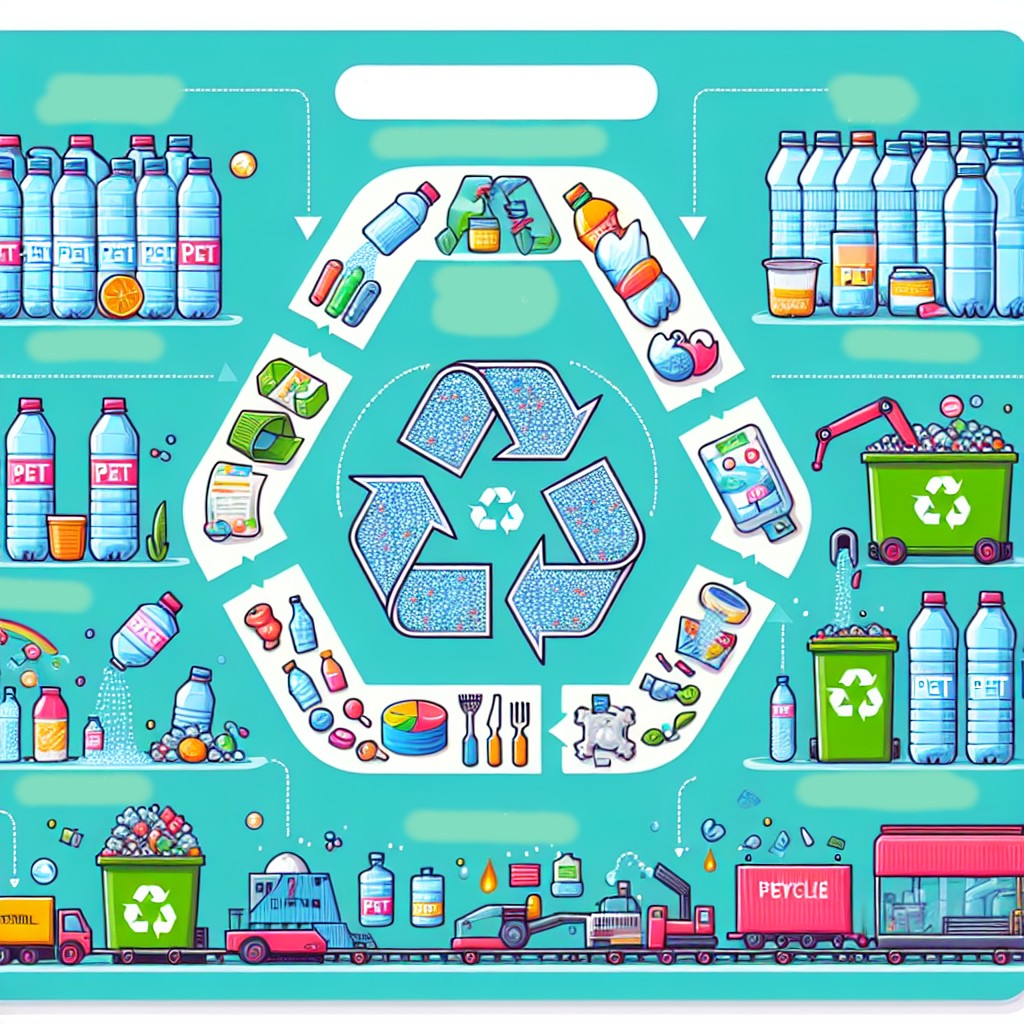
Polymer composites have become an integral part of various industries due to their enhanced mechanical properties, lightweight nature, and versatility. However, the surge in their usage has led to significant environmental concerns, primarily associated with their disposal. Traditional recycling methods often fall short in effectively handling the complex structures of polymer composites, leading to an urgent need for innovative recycling methods. This article delves into recent advancements in polymer composite recycling, exploring how technological innovations are reshaping the landscape. It highlights the need for sustainable solutions that address the end-of-life challenges associated with polymer composites while maintaining the integrity and performance of recycled materials. As global awareness of environmental preservation sharpens, the development of efficient recycling processes becomes pivotal in promoting circular economies and reducing the adverse environmental impact of polymer composite waste.
Mechanical Recycling Techniques
Mechanical recycling remains one of the most straightforward approaches to polymer composite recycling. This process involves physically breaking down composite materials into smaller constituents that can be reprocessed. While this method retains the integrity of polymer chains to some extent, it often results in inferior material quality due to degradation during processing. Recent innovations have focused on optimizing mechanical recycling by enhancing grinding and separation techniques, allowing for better material recovery with minimized quality loss.
Advanced milling technologies, such as cryogenic milling, where materials are cooled to extremely low temperatures before grinding, have shown promise in maintaining the structural characteristics of recycled composites. Furthermore, developments in automated sorting technologies using machine learning and robotics have improved the efficiency and accuracy of separating composite materials based on resin type, fiber composition, and size. These advancements contribute to a more sustainable recycling pipeline, reducing contamination and enhancing the purity of reclaimed materials.
Chemical Recycling Innovations
Chemical recycling involves breaking down polymer composites into their monomeric or oligomeric components through chemical reactions. This method offers the potential to overcome the quality limitations seen in mechanical recycling by restoring materials to their original states. Innovative approaches in chemical recycling include solvolysis, pyrolysis, and depolymerization processes. These methods have shown considerable potential in tackling the challenges posed by heterogeneous composite systems.
Solvolysis, for example, employs solvents to selectively dissolve polymers, facilitating the recovery of clean resin and fibers. Researchers have developed novel solvents tailored for specific composite types, improving efficiency and reducing the energy footprint of the recycling process. Pyrolysis, which involves the thermal decomposition of composite materials in an inert atmosphere, is gaining traction due to its ability to convert waste into value-added products such as pyrolysis oil and char. Recent advancements in reactor design and catalyst development have enhanced the selectivity and yield of desired products in pyrolysis processes.
Biological Recycling Approaches
Biological recycling is emerging as an innovative approach to composite recycling. It involves utilizing microorganisms and enzymes to degrade polymer composites under controlled conditions. This process presents an environmentally friendly alternative by potentially resulting in minimal emissions and energy consumption. Enzymatic depolymerization, in particular, has shown promise in effectively breaking down polymer matrices without the harsh conditions required in traditional chemical methods.
Research has identified specific strains of bacteria and fungi capable of decomposing various polymer blends. Advances in genetic engineering have further enabled the customization of microbial systems to target specific composite types, enhancing the efficiency of biodegradation. Additionally, integrating biological methods with other recycling techniques can create hybrid processes that maximize material recovery and sustainability. However, challenges remain in scaling these biological processes for industrial applications, necessitating ongoing research and development.
Advanced Thermal Recycling Technologies
Advanced thermal recycling, often referred to as thermolysis, is a method that uses heat to decompose polymer composites into smaller molecular units. This process is distinguished by its ability to manage diverse waste streams and its minimal environmental footprint compared to conventional incineration. Innovations in this field focus on enhancing process control, efficiency, and yield optimization.
Fluidized bed reactors and microwave-assisted thermolysis represent significant advancements in thermal recycling technology. Fluidized bed reactors provide uniform temperature distribution and efficient heat transfer, leading to improved material conversion rates. Meanwhile, microwave-assisted systems leverage microwave radiation to heat materials selectively, offering faster processing times and reduced energy consumption. Both methods show potential in producing high-quality by-products, such as combustible gases and oils, which can be directly reused in industrial applications.
Recycling Hybrid Glass and Carbon Fiber Composites
The recycling of hybrid glass and carbon fiber composites presents unique challenges due to the inherent differences in their thermal and chemical properties. These mixed material composites are commonly used in automotive, aerospace, and consumer goods industries for their superior strength-to-weight ratio and durability. Recent innovations have focused on developing multi-step recycling processes that efficiently segregate and recover fibers while preserving their performance properties.
Innovations in automated fiber separation, involving sensor-based sorting and advanced algorithms, have improved the precision and throughput of recycling operations. Additionally, microwave processing combined with rapid heating rates has shown potential in selectively disassembling hybrid composites, facilitating the extraction of clean glass and carbon fibers. These advancements enhance the feasibility of recycling hybrid composites on a larger scale, aligning with the industry’s sustainability goals.
Sustainability and Economic Implications
Innovations in polymer composite recycling not only address environmental challenges but also have significant economic implications. Sustainable recycling practices help conserve resources, reduce reliance on virgin materials, and lower waste management costs. The development of efficient recycling technologies can stimulate economic growth by creating new markets for recycled materials and driving job creation in the recycling industry.
Moreover, recycling advancements contribute to achieving regulatory compliance and meeting corporate responsibility goals in sustainability. Companies capitalizing on these innovations can enhance their competitive edge by offering products with reduced environmental impacts, meeting consumer demand for eco-friendly solutions. The strategic integration of recycling processes into manufacturing practices further promotes resource efficiency, leading to cost savings via reduced material consumption and waste production.
Conclusion
Innovations in polymer composite recycling are crucial for mitigating environmental impacts and driving sustainable industry practices. The development and implementation of advanced recycling technologies, including mechanical, chemical, biological, and thermal methods, highlight a concerted effort to address the limitations of traditional recycling approaches. These innovations enable the effective recovery of high-quality materials, essential for maintaining the balance between economic growth and environmental stewardship.
Polymer composite recycling is pivotal for fostering a circular economy, where materials are continuously reused, minimizing waste and reducing pressure on natural resources. As global challenges involving waste management and resource scarcity intensify, investment in advanced recycling technologies becomes imperative. Policymakers, researchers, and industry leaders must collaborate to further optimize these technologies, turning innovation into actionable solutions. By doing so, the industry not only strengthens its sustainability trajectory but also takes essential steps toward a more resilient and environmentally responsible future.