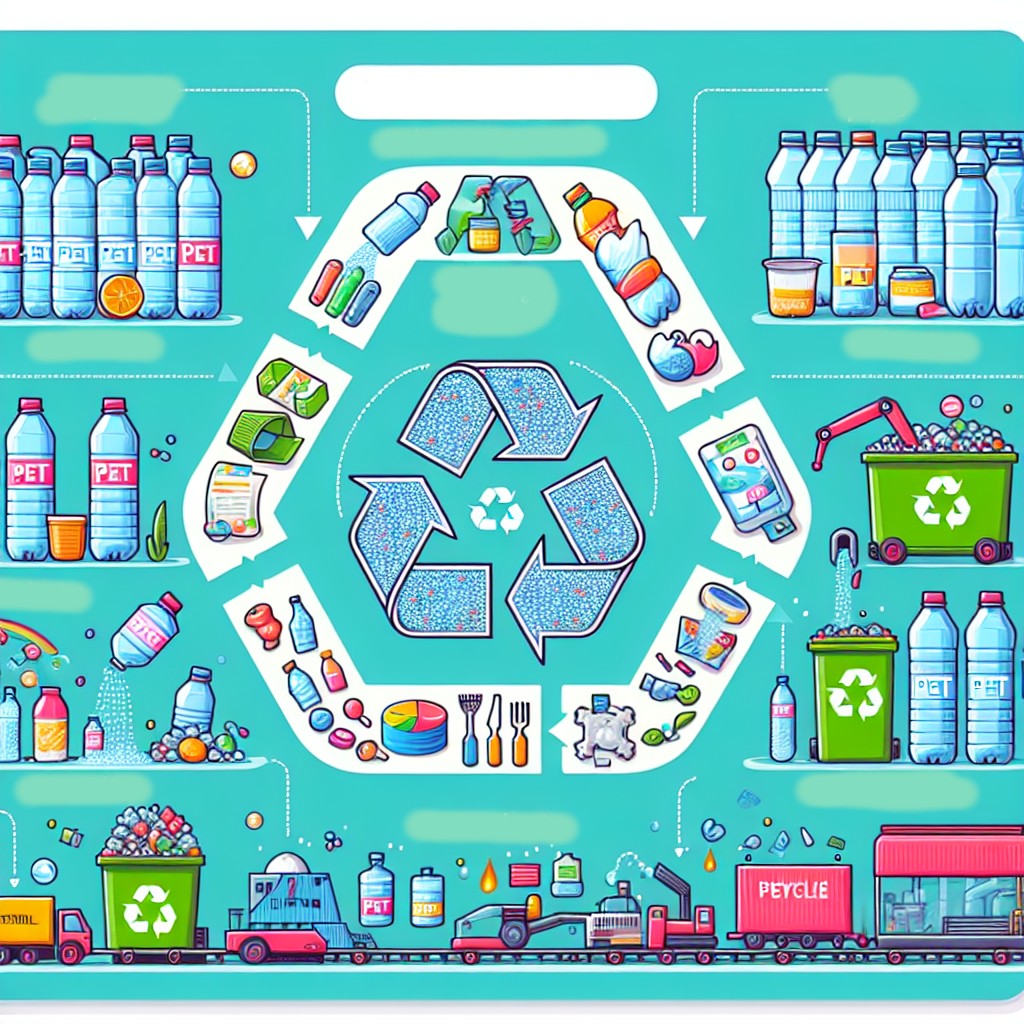
Introduction to Specialty Polymers
Specialty polymers are a fascinating and diverse category of materials with unique properties tailored to perform specific functions across a broad range of applications. These polymers differentiate themselves from conventional polymers due to their enhanced characteristics, such as improved thermal stability, chemical resistance, mechanical strength, or electrical properties. Their ability to be customized for particular requirements makes them invaluable in industries such as healthcare, electronics, automotive, and aerospace. Understanding the different types of specialty polymers and their applications can provide insight into how these materials shape modern innovations and technologies. The term “specialty polymers” encompasses a broad spectrum of materials, each designed to offer advantages that standard polymers simply cannot provide. Such enhancements are achieved through various means, including the incorporation of advanced additives, the synthesis of novel structures, or modifications at the molecular level. As global challenges and technological demands evolve, specialty polymers continue to play a crucial role in providing solutions that standard materials cannot offer effectively.
The development and application of specialty polymers are tightly intertwined with advancements in polymer science and engineering. Polymers, in their most rudimentary form, are large molecules comprised of repeating subunits known as monomers. The versatility of polymers arises from the multitude of configurations and monomer arrangements possible, allowing specialists to tweak properties to meet specific criteria. Specialty polymers push these possibilities even further, representing the cutting edge of what can be achieved in the field. Today, the growing call for sustainability and efficiency further fuels the demand and innovation within this segment of advanced materials. From biodegradable polymers that reduce environmental impact to high-performance polymers used in cutting-edge electronics, the diversity of forms and functions within specialty polymers embodies both contemporary needs and future aspirations.
Types of Specialty Polymers
Specialty polymers can be classified into several main categories, based on their properties and uses: elastomers, conducting polymers, liquid crystalline polymers, biodegradable polymers, and engineering plastics. Each of these categories serves a unique set of applications and exhibits distinct characteristics that set them apart from one another and from traditional polymers.
Elastomers are characterized by their elasticity, allowing them to stretch under force and return to their original shape once the force is removed. This property is a key factor in their extensive use in applications requiring flexibility and resilience, such as in sealing, gasketing, or for flexible joints. Elastomers include materials such as natural rubber, synthetic rubber such as neoprene, and silicones. These materials are employed in various industries and serve crucial roles like vibration damping in machinery, the flexibility in consumer electronics, and even aerospace applications where elasticity and stability are needed under varying conditions.
Conducting polymers are a category of specialty polymers designed to conduct electricity, in contrast to most other polymers which are good insulators. These polymers, such as polyaniline and polypyrrole, are integral to the development of many new technologies. They find applications in organic solar cells, light-emitting diodes (LEDs), and electronic devices where they contribute to advances in flexible electronics, energy storage, and sensors. The development of conducting polymers highlights the innovative potential of polymers, combining the processability of plastics with the electrical properties of metals.
Liquid crystalline polymers (LCPs) are another fascinating type of specialty polymer, known for their ordered molecular structure and unique phase behavior. These materials are known for exceptional mechanical strength, chemical resistance, and stability at high temperatures, making them ideal for demanding engineering applications. They are used extensively in automotive parts, aerospace components, and high-performance fiber optics. LCPs exhibit a distinct liquid crystalline phase, often providing significant advantages in processing and performance compared to traditional materials.
Biodegradable polymers are designed to decompose under natural conditions, making them highly attractive for modern sustainability goals. These can either be derived from renewable resources or be synthetically produced to break down into non-toxic byproducts. Examples include polylactic acid (PLA) and polyhydroxyalkanoates (PHAs). Their applications span packaging, agricultural films, and medical devices such as sutures and tissue engineering scaffolds. The push for reducing environmental impact continues to increase the demand and innovation in biodegradable polymer technology.
Engineering plastics represent a category of high-performance polymers that meet higher engineering standards of properties and functionality. These polymers can withstand extreme environments and are distinguished by their excellent strength, impact resistance, and thermal stability. Engineering plastics like polycarbonate, polyamide (nylon), and polyether ether ketone (PEEK) are thus used in demanding applications such as automotive parts, aerospace components, and industrial machinery. Their ability to perform reliably under stress and extreme conditions makes them critical to numerous modern technological applications.
Applications of Specialty Polymers
Specialty polymers offer an unparalleled range of applications that leverage their unique properties. In the realm of healthcare, specialty polymers play indispensable roles. For instance, biocompatible and biodegradable polymers are engineered for medical devices, drug delivery systems, and implants. Polymethyl methacrylate (PMMA) is often used in dental applications and bone cement due to its suitable mechanical properties and compatibility with human tissue. The customization of polymer properties to enhance biocompatibility and functionality is crucial for safely meeting the variable demands of medical applications.
In electronics, conductive polymers are pivotal for developing advanced device components, from flexible circuits and wearable electronics to organic light-emitting diodes (OLEDs) and photovoltaic cells. These applications leverage the unique properties of polymers, such as their lightweight nature, flexibility, and ease of fabrication, to create cost-effective, novel devices. Specialty polymers in electronics enable the integration of functionality with design demands, ushering in a new era in consumer and industrial electronics.
The automotive and aerospace industries benefit significantly from the use of engineering plastics and elastomers, which contribute to weight savings, fuel efficiency, and overall performance. By replacing metal components with lighter polymer-based materials, these industries achieve enhanced vehicle efficiency while maintaining safety and structural integrity. Applications range from interior components and fuel systems to high-performance composites used in structural parts, showcasing the versatility and reliability specialty polymers offer in demanding environments.
In environmental applications, biodegradable polymers are transforming the way we think about waste and resource management. With increasing awareness around the environmental impact of traditional plastic waste, biodegradable polymers offer a viable alternative. They are used in sustainable packaging, agricultural films, and consumables that reduce dependency on fossil fuels and help mitigate the accumulation of persistent waste in landfills and oceans.
Conclusion
In conclusion, specialty polymers encompass a diverse and essential segment of advanced materials that provide capabilities beyond those of traditional polymers. From their fascinating molecular structures to the remarkable properties they confer, these polymers enable innovation and performance advancements across numerous industries. As highlighted, specialty polymers are tailored to perform specific functions that regular polymers are unable to achieve. Their design and formulation involve a deep understanding of chemical engineering, materials science, and application demands — an interplay that drives their continued evolution.
The importance of specialty polymers lies not only in their technical applications but also in their role in meeting contemporary challenges such as sustainability and advancing technology. As research and development continue in this field, new types of specialty polymers with even more sophisticated properties and broader application potentials are likely to emerge. Furthermore, as industries strive for efficiency, sustainability, and high performance, the demand for specialty polymers is expected to grow, playing a critical part in addressing the evolving needs of modern societies.
Whether in medicine, electronics, automotive, or environmental sectors, specialty polymers prove indispensable. They represent the apex of modern material science, offering solutions where ordinary materials fall short. As we advance, understanding these polymers’ capabilities and the possibilities they present becomes ever more crucial, unlocking potential that could redefine technological and environmental landscapes as we know them.
Frequently Asked Questions
What are specialty polymers, and how do they differ from conventional polymers?
Specialty polymers are a unique subset of polymers engineered to have enhanced properties that cater to specific applications. Unlike conventional polymers, which are commonly used materials with basic properties suitable for general applications, specialty polymers possess unique attributes such as superior thermal stability, enhanced chemical resistance, and improved mechanical strength. The customization capabilities of specialty polymers set them apart, as they can be tailored to meet the exact needs of a particular function or industry requirement, making them indispensable in sectors that demand high-performance materials.
What types of specialty polymers are available, and what are their unique characteristics?
The world of specialty polymers is vast, with various types designed for specific applications. Key types include:
– **Thermoplastic Elastomers (TPEs):** Known for their flexibility and ability to return to their original shape after stretching or compressing, TPEs combine the benefits of rubber-like materials with the processing efficiencies of plastics.
– **High-Performance Polymers (HPPs):** These polymers withstand extreme conditions, including high temperatures and harsh chemicals, making them ideal for aerospace, automotive, and electronics industries.
– **Conductive Polymers:** Engineered to conduct electricity, these polymers are used in electronics, sensors, and batteries. Their ability to conduct electrical current while maintaining the flexibility of plastic offers significant advantages.
– **Biodegradable Polymers:** Designed to break down in the environment, these polymers offer sustainable solutions for packaging and agricultural applications.
Each type of specialty polymer is distinguished by its functional characteristics, which can be further modified through chemical or physical processes to suit specific application needs.
What are the common applications of specialty polymers, and why are they chosen for these purposes?
Specialty polymers are chosen for a myriad of applications across diverse industries due to their ability to meet specific performance criteria. Some common applications include:
– **Automotive Industry:** Specialty polymers are used in car parts such as seals, gaskets, and hoses due to their durability and resistance to heat and chemicals, improving vehicle performance and longevity.
– **Electronics and Electrical:** Conductive polymers are essential in the production of flexible circuit boards and anti-static materials. Their reliability and conductivity are crucial in maintaining the performance of sensitive electronic components.
– **Medical Devices:** The biocompatibility and sterilization capabilities of certain specialty polymers make them suitable for implants, prosthetics, and pharmaceutical packaging.
– **Aerospace Industry:** Polymers that can withstand challenging environments, such as extreme temperatures and high altitudes, are critical in aircraft components and insulation materials.
The choice of specialty polymers for these applications hinges on their ability to provide solutions that meet industry-specific requirements, offering reliability and performance enhancements over traditional materials.
How does the customization of specialty polymers impact their performance and application?
Customization is a defining feature of specialty polymers, allowing them to be engineered to fit precise specifications and requirements of various applications. This tailoring process can involve adjustments in molecular structure, incorporation of additives, or modification of polymer blends to achieve the desired property balance. For example, a polymer can be made more flexible, durable, or resistant to heat or chemicals by changing its molecular weight or through copolymerization.
Customization impacts performance significantly, enabling these polymers to excel in demanding environments and provide targeted solutions. Whether the aim is to reduce weight in automotive applications, increase lifespan in outdoor settings, or enhance energy efficiency in electronics, specialty polymers can be designed to deliver optimal performance.
What are the environmental and economic implications of using specialty polymers?
The use of specialty polymers offers several environmental and economic benefits along with certain challenges. Environmentally, the development of biodegradable specialty polymers addresses the pressing need for sustainable materials, reducing plastic waste and improving environmental impact. Additionally, their durability and resilience lead to longer-lasting products, potentially reducing the frequency of replacements and conserving resources.
Economically, the initial costs of developing and adopting specialty polymers can be higher; however, their superior performance often results in cost savings over time due to enhanced product longevity and efficiency. Industries that leverage specialty polymers can reduce maintenance costs and increase product reliability, translating to better economic outcomes.
Conversely, the specialized production processes required for these advanced materials may involve higher energy consumption and complex technologies, which could pose challenges in achieving environmentally friendly manufacturing practices. Nonetheless, ongoing innovations in polymer science aim to balance these aspects, making specialty polymers a critical part of future sustainability efforts.