Elastomers, commonly known as rubber materials, play a crucial role in multiple industries like automotive, aerospace, healthcare, and consumer goods. Elastomers are characterized by their elasticity, allowing them to return to their original shape after significant stretching or compressing. These materials are polymers, long chain-like molecules, which have made significant strides over the years. Despite their relatively modern inception, elastomers have evolved rapidly into high-performance materials that meet stringent industry standards. This transformation is fueled by ongoing research and technological advancements that continue to push the boundaries of their applications.
As we delve into the intricacies of elastomers, we’ll explore various types, their properties, and emerging trends shaping this field. The future of elastomer technology is bright and filled with potential, promising innovations and solutions that offer enhanced performance, sustainability, and economic viability. Through the lens of this article, we will unfold the current and upcoming trends that define the next evolution of elastomer technology.
Types of Elastomers
Industrially, elastomers can be segmented into various categories based on their chemical composition and properties. These include natural rubbers, synthetic rubbers, thermoplastic elastomers (TPEs), and specialty elastomers.
Natural rubber remains relevant, thanks to its outstanding mechanical properties, suitability for diverse applications, and unique characteristics like low hysteresis, high resilience, and superior tensile strength. Its primary sources are the latex sap of rubber trees, making it a sustainable option for eco-conscious industries. However, natural rubber is sometimes constrained by its vulnerability to extreme temperatures, ozone, and certain chemicals, leading to a demand for more robust alternatives.
On the other hand, synthetic rubbers like Styrene-Butadiene Rubber (SBR), Ethylene Propylene Diene Monomer (EPDM), and Nitrile Butadiene Rubber (NBR) offer versatile properties tailored to specialized applications. These synthetic variants have been engineer-designed to exhibit specific attributes, such as enhanced resistance to heat, chemicals, and abrasion, rendering them indispensable in sectors like automotive and aerospace.
Technological Advancements in Elastomers
The elastomer industry is witnessing remarkable technological advancements, driven by the need to meet evolving regulatory requirements and market demands. One significant area of development is the creation of high-performance elastomers that exhibit superior durability and functionality under extreme conditions.
For instance, innovations in cross-linking technology have revolutionized the development of elastomers. Cross-linking involves the introduction of chemical bonds between polymer chains, which significantly enhances the material’s mechanical properties. Peroxide curing and sulfur vulcanization are common methods used to achieve these cross-links, resulting in elastomers that offer excellent thermal stability, tensile strength, and resistance to aging.
Another breakthrough is the advent of self-healing elastomers. These materials can autonomously repair minor damages, extending their lifespan and reducing maintenance costs. Self-healing properties are particularly beneficial in applications where reliability and longevity are paramount, such as in aerospace and medical devices.

Sustainable Elastomer Solutions
Sustainability has become a driving force in the elastomer industry. To address environmental concerns, manufacturers are increasingly focusing on developing eco-friendly elastomer solutions that minimize their carbon footprint and promote circular economies.
One notable trend is the use of bio-based feedstocks in elastomer production. These renewable resources, derived from biomass, reduce dependence on fossil fuels and mitigate the environmental impact of elastomer manufacturing. For example, bio-based polyisoprene and natural rubber alternatives are gaining traction in the market, offering comparable performance to their synthetic counterparts.
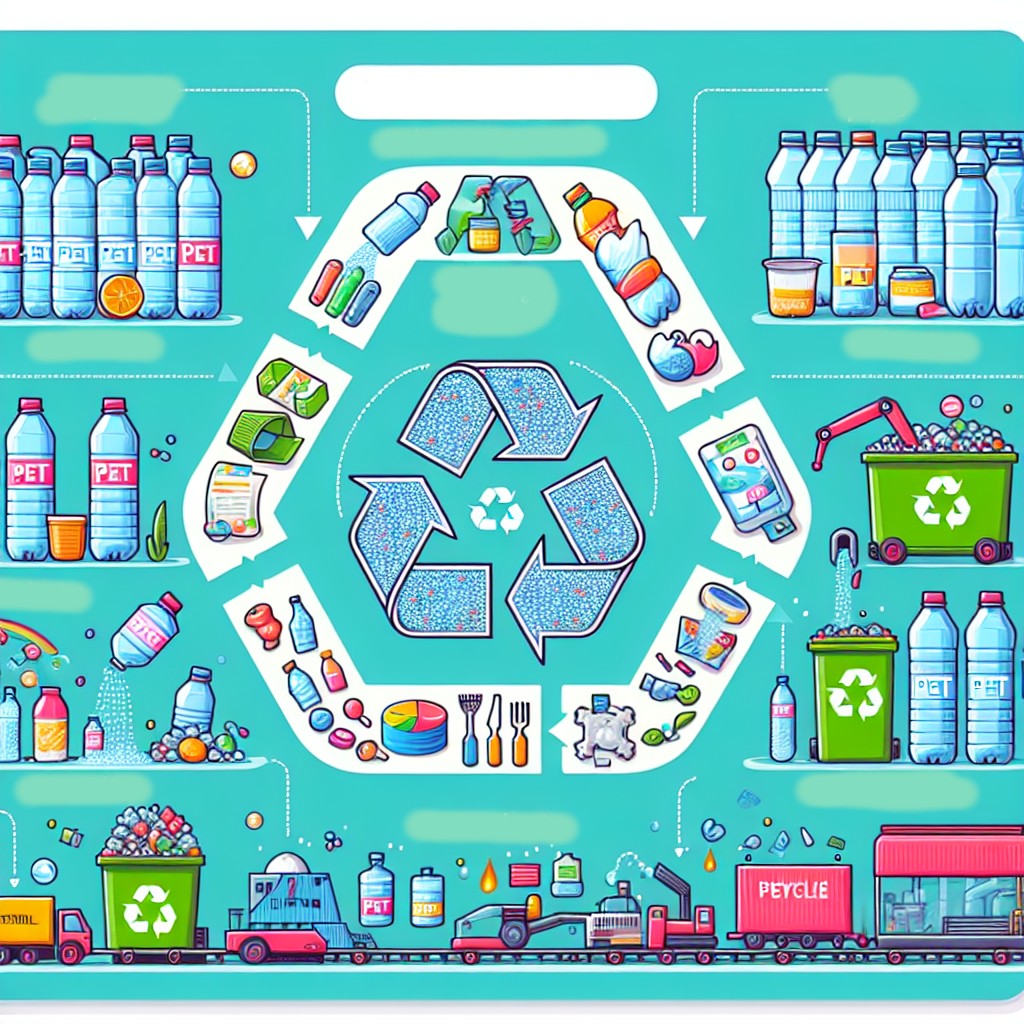
Recycling and reusing elastomers are also gaining prominence. Innovative techniques such as devulcanization enable the recovery of valuable rubber from end-of-life products, allowing them to be repurposed into new elastomeric materials. This not only conserves resources but also helps reduce waste and landfill accumulation.
Advanced Manufacturing Techniques
The rise of advanced manufacturing techniques is reshaping the elastomer industry, enabling the production of complex geometries and customized solutions with unprecedented precision and efficiency.
Additive manufacturing, commonly known as 3D printing, is a game-changer in elastomer fabrication. This technology allows the creation of intricate elastomeric structures layer by layer, eliminating the need for traditional molds and tooling. 3D printing offers design flexibility, rapid prototyping, and on-demand production, making it ideal for applications such as medical implants, footwear, and automotive components.
Furthermore, injection molding techniques have evolved significantly, enabling the production of high-quality elastomer parts with exceptional consistency and repeatability. The integration of computer-aided design (CAD) and simulation software enhances process control, ensuring precise material properties and reducing production cycle times.
Future Applications of Elastomers
As elastomer technology continues to advance, new applications are emerging across various industries, promising enhanced performance, functionality, and efficiency.
In the automotive sector, elastomers are being used in innovative ways, such as in the development of noise, vibration, and harshness (NVH) reduction components. These materials effectively dampen vibrations and reduce noise levels, enhancing passenger comfort and safety. Additionally, elastomers are finding applications in lightweighting initiatives, contributing to fuel efficiency and reduced emissions.
The healthcare industry is also benefitting from elastomer advancements. Medical devices, prosthetics, and wearable healthcare technologies are increasingly relying on elastomers for their biocompatibility, flexibility, and durability. Elastomeric materials provide comfort and functionality, improving the quality of life for patients.
Challenges and Opportunities
While the future of elastomer technology looks promising, there are also challenges that need to be addressed. One significant challenge is the need for cost-effective production methods for advanced elastomers. High-performance materials often come with a higher price tag, which can limit their widespread adoption.
Another challenge is the balance between performance and sustainability. While bio-based and recycled elastomers offer environmental benefits, ensuring they meet rigorous performance standards across diverse applications can be challenging.
However, these challenges also present opportunities for further research and development. Investment in research and innovation can lead to breakthroughs in cost-effective production techniques and materials that offer a harmonious balance between performance and sustainability. Collaboration between industry stakeholders, academia, and regulatory bodies is essential to drive progress and overcome these challenges.
Conclusion
The elastomer industry stands at the cusp of a transformative era, driven by technological advancements, sustainability initiatives, and evolving market demands. As we explore the future trends in elastomer technology, it becomes evident that the potential for innovation is vast.
From the development of self-healing elastomers and bio-based alternatives to the integration of advanced manufacturing techniques and new applications in automotive and healthcare, the possibilities are endless. These advancements not only enhance the performance and durability of elastomeric materials but also contribute to environmental sustainability and economic viability.
As industry stakeholders continue to invest in research, collaboration, and innovation, the elastomer industry will thrive, offering solutions that address the challenges of today and pave the way for a resilient and sustainable future. Tracking these trends and staying ahead of the curve will be essential for businesses seeking to harness the full potential of elastomer technology.
Frequently Asked Questions
1. How are advancements in elastomer technology impacting the automotive industry?
Elastomer technology is making huge strides in the automotive industry, enhancing both performance and sustainability. These advances are significant because elastomers are integral to vehicles, used in everything from tires and seals to gaskets and hoses. Modern elastomers offer increased durability and resistance to varying temperatures, chemical exposure, and mechanical stress. This translates to improved vehicle lifespan and performance, catering to a global demand for more reliable and long-lasting vehicles.
Moreover, with environmental concerns taking center stage, elastomer technology has evolved to incorporate eco-friendly solutions. Manufacturers now emphasize developing elastomers with lower environmental impact during production and disposal. This includes using recycled materials or innovative bioplastics designed to biodegrade without harmful residues. Also, the quest for reducing vehicle weight to increase fuel efficiency has led to creating lightweight elastomer composites that don’t compromise on strength or flexibility.
In summary, elastomer progress in the automotive sector is instrumental in driving forward a more sustainable future while ensuring vehicles perform better than ever.
2. What role do elastomers play in the aerospace industry, and what future trends are we seeing?
In the high-stakes world of aerospace, materials must deliver the highest levels of reliability and performance. Elastomers are indispensable due to their unique properties, such as exceptional resistance to extreme temperatures, pressures, and chemical exposures. These materials are used in seals, gaskets, vibration dampening components, and more.
A future trend is the use of cutting-edge elastomers in increasingly demanding aviation applications, including supersonic and even hypersonic flight. These high-speed conditions present a unique set of challenges, and materials that can withstand such extremes are critical. Advanced elastomers research focuses on enhancing thermal stability, reducing weight, and improving overall resilience without sacrificing performance.
Additionally, we are seeing significant investment in developing elastomers with improved self-healing properties, allowing for minor repairs mid-flight and increasing safety and operational efficiency. Elastomers will continue to be foundational as aerospace technology pushes the envelope.
3. How is elastomer technology revolutionizing the healthcare sector?
The healthcare industry relies on elastomers for a myriad of applications, including medical devices, wearable tech, and prosthetics. The non-toxic, hypoallergenic properties of certain elastomers make them ideal for products that need direct human contact or integration with the body.
Looking forward, the trend towards bio-compatible and bio-integrative elastomers is growing rapidly. These materials are being engineered to mimic natural tissue elasticity, providing more natural movement and comfort in prosthetics and implants. This enhances user experience significantly and boosts the longevity and effectiveness of healthcare products.
Furthermore, the ongoing development of elastomers in drug delivery systems has the potential to revolutionize treatments. These systems use elastomeric polymers to release medication at controlled rates, ensuring more consistent and effective patient care. As research continues, we can anticipate even more innovative applications leveraging the adaptability and versatility of elastomer technology in healthcare.
4. Could you elaborate on the environmental impact of elastomers and how the industry is addressing sustainability?
Historically, elastomer production has raised concerns over environmental impact, primarily due to reliance on fossil fuels and challenging disposal processes. As awareness around sustainability has grown, so has the industry’s commitment to reducing its ecological footprint.
The future of elastomer technology is increasingly focused on sustainability, with research geared towards utilizing bio-based raw materials and improving recyclability. Bio-based elastomers—derived from renewable resources like plants—are gaining traction, offering a greener alternative without compromising performance.
Another exciting development is the advent of closed-loop systems in production processes, reducing waste by recycling and reusing elastomeric materials. This shift not only minimizes waste output but also conserves resources and reduces overall greenhouse emissions. Companies are also investing in novel additives that enhance the decomposition process, making elastomers more environmentally friendly at the end of their lifecycle.
These efforts suggest that the future of elastomer technology will be characterized by a balance between innovation and ecological mindfulness.
5. How is consumer goods industry being transformed by future trends in elastomer technology?
In the consumer goods arena, elastomers are prized for their versatility and adaptability, appearing in products ranging from footwear and household appliances to sports equipment and electronic devices. As new technologies emerge, the properties of elastomers open opportunities for improved durability, comfort, and functionality.
Advancements in composite elastomer materials are particularly beneficial, offering enhanced strength-to-weight ratios that are ideal for creating more ergonomic and user-friendly products. For instance, in footwear, these composites help in developing lighter yet stronger shoe soles, increasing comfort without sacrificing longevity.
Moreover, smart elastomers that react to external stimuli such as pressure, temperature, or light, present exciting possibilities. These could lead to innovations like self-adjusting clothing or intelligent packaging that changes properties based on environmental conditions, providing unparalleled benefits to consumers.
As these technologies progress, the consumer goods industry is poised to offer products that not only outperform previous iterations but also align with the sustainability paradigms, making life more convenient while being kinder to the planet.