In the ever-evolving landscape of automotive technology, lighting plays a crucial role in both aesthetics and functionality. The integration of polymer-based materials in automotive lighting has brought forward a wave of innovation that is transforming the design, efficiency, and personalization of vehicle lights. Historically, traditional materials such as metals and glass dominated the automotive lighting industry. However, polymers offer a unique set of advantages that are now being harnessed by manufacturers worldwide. The shift towards polymer-based automotive lighting solutions is not just a technological advancement; it is a paradigm shift that impacts manufacturing processes, environmental sustainability, and consumer satisfaction. This article delves into the innovative trends, benefits, challenges, and future prospects surrounding polymer-based automotive lighting, offering a comprehensive view of how these materials are reshaping the industry. As we navigate through these exciting developments, it is important to understand the synergy between advanced polymers and cutting-edge lighting technologies that is driving this transformation.
Advantages of Polymer-Based Automotive Lighting
The adoption of polymers in automotive lighting provides several significant advantages that are contributing to their growing popularity. Firstly, polymers are lightweight compared to traditional materials like glass and metal. This reduction in weight results in improved fuel efficiency and performance, as lighter vehicles require less energy to operate. Automakers are perpetually seeking ways to decrease vehicle mass, and polymer-based lighting systems offer an efficient solution.
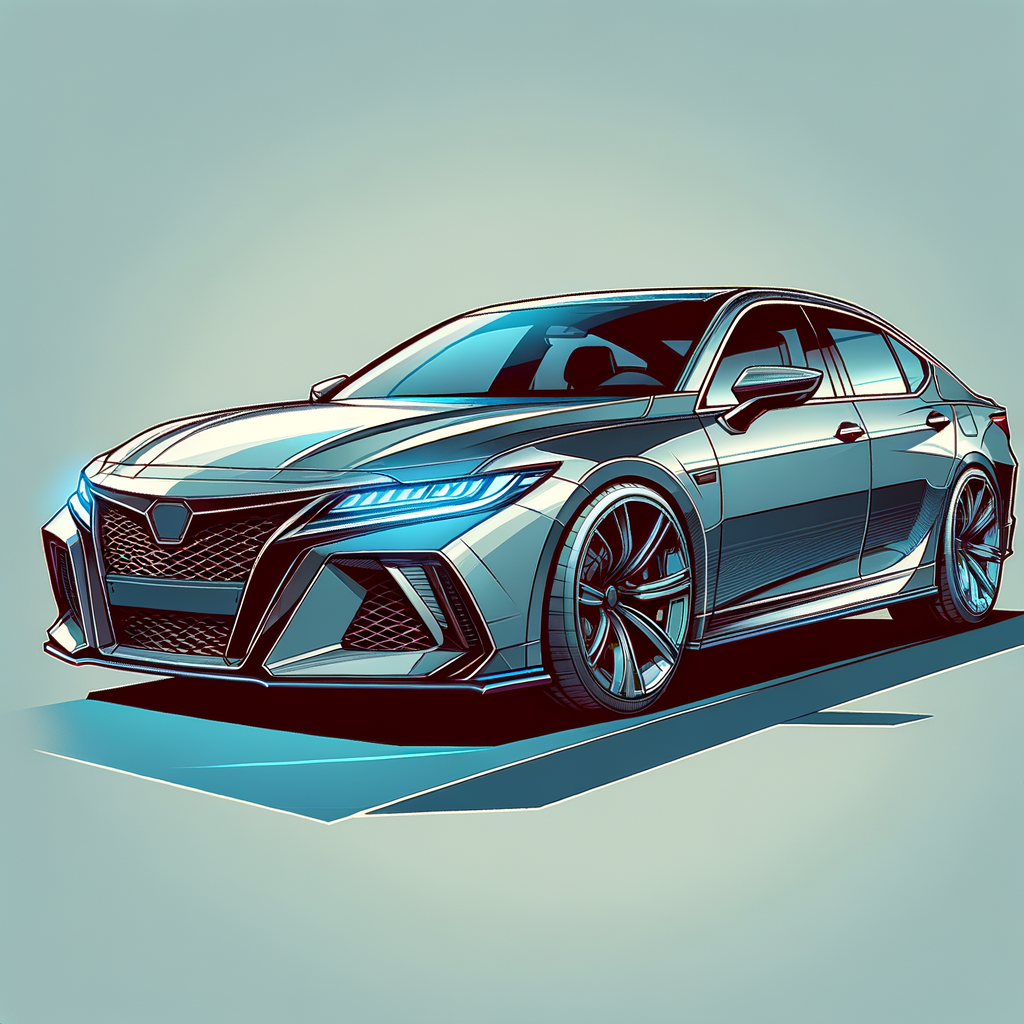
Moreover, the versatility of polymers allows for greater design freedom. Modern automotive lighting designs require intricate shapes and complex geometries to meet the dual demands of style and functionality. Polymers can be molded into almost any shape, enabling designers to create aerodynamic and stylish lighting units that enhance the overall aesthetic of a vehicle. This design flexibility is particularly advantageous for electric vehicles, which often prioritize progressive and futuristic designs.
Additionally, polymers boast superior impact resistance. In an industry where durability is paramount, this is a crucial attribute. Automotive lighting systems must withstand various environmental conditions, including temperature fluctuations, UV radiation, and mechanical stresses. Polymers have been engineered to endure these conditions while maintaining their integrity over time, resulting in longer-lasting lighting solutions. Furthermore, the integration of advanced polymer technologies ensures enhanced thermal management, preventing overheating and prolonging the life of LEDs, which are commonly used in modern automotive lighting.
Polymer Types and Technologies
The use of polymers in automotive lighting encompasses a range of materials, each offering specific benefits suited to different applications. Thermoplastics, such as polycarbonate and acrylic, are commonly used due to their high optical clarity and impact resistance. Polycarbonate, in particular, is renowned for its toughness and ability to resist deformation under stress, making it ideal for lenses and outer covers of lighting systems.
Additionally, advanced polymer technologies have facilitated the development of thermoplastic elastomers and liquid silicone rubber, which are utilized for components requiring flexible and durable sealing solutions. These materials provide excellent weather resistance and maintain their properties over a wide temperature range. Consequently, they are well-suited for gaskets and seals within lighting assemblies, ensuring environmental protection and preventing moisture ingress.
Innovations in polymer chemistry are also leading to the development of self-healing materials, which have the potential to revolutionize automotive lighting. These polymers possess the ability to repair minor scratches or abrasions autonomously, maintaining optical clarity and aesthetics without the need for manual intervention. By incorporating self-healing capabilities, automakers can offer consumers products with extended lifespans and reduced maintenance.
Innovative Manufacturing Processes
The transition to polymer-based lighting has spurred novel manufacturing processes within the automotive sector. One such advancement is the integration of additive manufacturing, commonly known as 3D printing. This technology allows for rapid prototyping and production of intricate polymer components, drastically reducing development cycles and enabling swift adaptation to design modifications. With 3D printing, manufacturers can produce functional prototypes for testing and validation much faster than with traditional methods.
Another innovation is multi-material molding, a process that combines various polymers into a single component. This technique results in parts that leverage the strengths of each material, such as combining high rigidity with enhanced flexibility. Multi-material molding facilitates the creation of complete lighting assemblies with fewer production steps, improving efficiency and reducing assembly complexity.
Furthermore, advances in precision injection molding have enabled the production of high-quality polymer components with tight tolerances. This precision is vital for maintaining the optical efficiency of lighting systems and ensuring a perfect fit within the vehicle’s design. By employing state-of-the-art molding technologies, manufacturers can achieve superior surface finishes, reducing the need for post-processing and enhancing the overall aesthetic quality.
Environmental Impact and Sustainability
One of the critical considerations in the automotive industry is sustainability, and polymer-based lighting systems offer significant environmental benefits. Traditional automotive lighting materials such as metals and glass are often derived from processes with higher environmental footprints. In contrast, many polymers can be produced with lower energy consumption and can be recycled at the end of their lifecycle.
Moreover, the reduced weight of polymer components contributes to the overall fuel efficiency of vehicles, leading to lower carbon emissions over the vehicle’s operation. The ability to produce thin and lightweight parts without compromising strength or durability further aligns with the industry’s sustainability goals.
Innovations in polymer recycling are also gaining traction, offering new avenues for repurposing used automotive components. By implementing closed-loop recycling systems, manufacturers can reintegrate recycled polymer materials into production, reducing waste and resource consumption. The automotive sector’s shift towards using biodegradable and bio-based polymers is an exciting development, promising to further decrease its ecological impact and enhance the sustainability of the supply chain.
Challenges and Considerations
Despite their many advantages, the adoption of polymer-based automotive lighting systems does present some challenges. A primary concern is the need for careful selection and testing of polymers to ensure they meet rigorous industry standards for safety and performance. Different driving conditions and environmental factors can affect polymer behavior, necessitating thorough material characterization and validation.
The industry must also address potential issues related to cost. High-performance polymers often come at a premium compared to standard materials, thereby impacting the final cost of the lighting systems. However, as technology advances and economies of scale are realized, the cost barriers are gradually diminishing, making these innovations more accessible to automakers.
Another consideration is the competitive landscape of automotive manufacturing. As more companies adopt polymer-based lighting, the demand for high-quality polymers may strain supply chains. Building robust supply chains with reliable sources for polymers will be crucial for manufacturers seeking to maintain production schedules and meet market demand.
Future Prospects and Trends
The future of polymer-based automotive lighting is ripe with potential for innovation and growth. Emerging trends in the industry include integrating smart lighting technologies, enabling advanced communication between vehicles and their environment. By coupling polymers with sensor technologies, manufacturers can produce lighting systems that adjust brightness or color based on driving conditions or user preferences. This advancement in adaptive lighting enhances safety and personalization, aligning with the broader trend towards connected and autonomous vehicles.
Fragmented micro-optics is another area poised for growth. By exploiting the optical properties of polymers, these systems can direct light precisely, optimizing illumination and energy use. This targeted lighting reduces glare and improves visibility, delivering a tailored driving experience.
The continual evolution of materials will undoubtedly play a pivotal role in the advancement of automotive lighting. The development of ultra-lightweight, high-strength polymers can transform design possibilities for future vehicles. As computational technologies become more integrated into manufacturing, the ability to simulate and optimize polymer properties in virtual environments will accelerate innovation cycles, facilitating ever more sophisticated lighting solutions.
Conclusion
The transition to polymer-based automotive lighting systems marks a significant step forward in automotive technology, revolutionizing the industry through innovation and sustainability. By leveraging the unique properties of polymers, automakers can offer lighter, more durable, and aesthetically appealing lighting solutions that align with modern design trends and environmental commitments.
The myriad advantages of polymer-based lighting are clear, from promoting vehicle efficiency and enhancing lighting design flexibility to supporting sustainability goals. While challenges remain, particularly in material selection and cost management, the focus on innovation and technological advancement continues to drive the industry forward.
As the automotive sector embraces new norms such as autonomous driving and electric vehicles, the role of polymer-based lighting is set to expand even further, offering advanced features and improved performance. Looking ahead, the collaboration between material scientists, automotive designers, and engineers will be crucial to unlocking the full potential of polymers in automotive lighting.
In summary, the evolution of polymer-based automotive lighting represents an exciting frontier characterized by ingenuity and promise. With every advance, the industry approaches a future where vehicles are not just modes of transport but exemplars of technological progress, sustainability, and user-centric innovation.
Frequently Asked Questions
1. What are the primary advantages of using polymer-based materials in automotive lighting?
Polymer-based materials offer a myriad of advantages when it comes to automotive lighting. First and foremost, polymers are incredibly versatile, which allows for more innovative and complex designs than traditional materials like metal and glass. This versatility paves the way for unique shapes and intricate designs that enhance both the aesthetic appeal and functionality of vehicle lights. Furthermore, polymers are significantly lighter than metals or glass, which plays a critical role in improving overall vehicle efficiency. By reducing the weight of the lighting components, car manufacturers can enhance fuel efficiency and reduce emissions, which aligns with industry trends towards more eco-friendly solutions. Additionally, polymers stand out for their durability. They are less prone to shattering than glass, which adds an extra layer of safety, particularly in situations like minor collisions where lights are vulnerable. The ability to resist harsh environmental conditions, like UV radiation and extreme temperatures, ensures that polymer-based lights last longer while maintaining clarity and luminosity. Moreover, polymers are easier to mold and manufacture for precision fits and finishes, which decreases production costs and time. This ease of manufacturing provides automakers with the ability to quickly adapt and implement new designs or adjustments based on market demands and technological advancements.
2. How do polymer-based materials contribute to the customization and personalization of vehicle lighting?
Polymer-based materials are at the forefront of enabling extensive customization and personalization in the realm of vehicle lighting. These materials’ flexibility allows for a multitude of shapes and sizes that traditional materials simply cannot achieve. This flexibility means that designers can more easily incorporate unique design elements that reflect a customer’s personal style or a brand’s identity. Furthermore, polymers can be integrated with advanced lighting technologies such as LEDs, laser lights, and OLEDs. This integration brings about a wider spectrum of lighting options and effects, offering customers the chance to personalize their lights with different colors, intensities, and dynamic effects such as animation or pulsation. Moreover, the transparency and colorability of polymers allow for intricate graphic patterns, logos, or even text to be embedded directly into the lighting design, turning basic headlights or taillights into expressive, customized features of the vehicle. These personalized touches are crucial as automakers strive to differentiate their products in an increasingly competitive market. Additionally, as consumers become more conscious of interior aesthetics, polymers also provide opportunities for personalized ambient lighting within the car cabin, further enhancing the ownership experience through mood lighting that can be adjusted according to the driver’s preferences or even linked with infotainment systems for a comprehensive, immersive experience.
3. Are polymer-based automotive lights environmentally sustainable?
Yes, polymer-based automotive lights can indeed be considered environmentally sustainable, particularly given industry trends and ongoing innovations focused on eco-friendliness. Initially, polymers contribute to sustainability through the reduction of weight in automotive lighting components, as lighter vehicles demand less fuel and produce fewer emissions. Furthermore, polymers used in the automotive lighting industry often incorporate recyclable materials, which alleviates waste and supports circular economy principles. The advancements in recyclable polymers aim to close material loops, allowing components at the end of their lifecycle to be repurposed or reprocessed into new products or parts. Additionally, the long-lasting durability of polymer-based lighting reduces the frequency of replacements, thereby lessening the environmental impact from manufacturing new components and the disposal of old ones. The extended lifespan also aligns with the sustainability goals of using resources more efficiently. Innovations in polymer chemistry are also steering toward bio-based polymers, which are derived from renewable sources and exhibit comparable mechanical properties to their petroleum-based counterparts. These bio-based alternatives further enhance the sustainability profile of polymer-based automotive lighting by reducing reliance on fossil fuels and decreasing the carbon footprint associated with production.
4. How do polymer-based materials impact the safety and visibility features of automotive lights?
Polymer-based materials positively impact both the safety and visibility features of automotive lights, crucial components for driver awareness and road safety. The inherent properties of polymers allow for the integration of advanced lighting technologies such as Light Emitting Diodes (LEDs), which provide superior illumination compared to traditional bulbs. LEDs produce a clearer, brighter light that significantly improves visibility for drivers, especially in low-light conditions or adverse weather. Moreover, polymers’ robustness enhances the structural integrity of lighting components. They are resistant to vibration and shock, which means they maintain functionality even under rough driving conditions. This is vital for maintaining consistent illumination on the road, thus preventing potential hazards due to poor lighting. Additionally, the design flexibility attributed to polymers allows automotive lights to be strategically integrated into vehicle designs to maximize the visual spread without increasing glare. This integration is essential in promoting safety both for the driver and other road users. Polymers can also accommodate sophisticated adaptive lighting systems, such as intelligent high beam assist and matrix beam systems, that adjust the beam pattern based on real-time driving dynamics. These systems rely heavily on polymer materials to house components, ensuring that lights respond quickly and accurately for optimized road safety and comfort. Lastly, the protective nature of polymer covers and lenses prevents damage from dust, moisture, or impact, maintaining optimal light output and clarity under all driving conditions. The result is a consistent, safe driving experience, aided by lights that function reliably day in and day out.
5. What future developments can we expect in polymer-based automotive lighting?
The future of polymer-based automotive lighting is poised to be as dynamic as it is innovative, driven by advancements in technology and shifts in consumer demands. One of the primary areas of development is the increased integration of smart lighting systems. These systems will leverage polymer frameworks that can seamlessly incorporate sensors and electronic components, paving the way for lights that automatically adapt to driving conditions or user preferences. Beyond simple adaptive lighting, we can expect polymers to enable communicative lighting systems—lights that can convey information to pedestrians or other drivers, such as signals for autonomous vehicles or warnings of potential hazards. Electric vehicles (EVs) and autonomous vehicles will likely demand lighting solutions that prioritize energy efficiency, a need perfectly addressed by polymers, which can be engineered to direct heat away from sensitive components, maintaining consistent performance while conserving energy. With ongoing research into advanced light technologies, such as laser lighting and holographic lighting, polymers will play an integral role in housing these components, allowing light to be manipulated with unprecedented precision and effect. These technologies promise not only cosmetic enhancements but crucial improvements in functionality, making future vehicles safer and more delightful to drive. Additionally, the development of biodegradable and bio-sourced polymers will lead the charge toward sustainable automotive lighting components, minimizing environmental impact while maintaining or even improving on functional benchmarks. In summary, the trajectory of polymer-based automotive lighting aligns with broader automotive trends, leveraging polymers to drive forward efficiency, safety, customization, and sustainability in lighting designs that are both groundbreaking and practical.