Polymers have become indispensable in modern engineering and technology due to their unique properties and versatility. They have revolutionized various industries, including automotive, aerospace, medical, and consumer goods. One of the key attributes that make polymers so valuable is their ability to enhance the toughness of materials. Toughness, in materials science, refers to a material’s ability to absorb energy and undergo significant deformation before breaking. Unlike brittleness, where materials easily crack or shatter, toughness ensures durability and reliability under stress.
The inherent properties of polymers, such as their molecular structure and the ability to be customized through chemical modifications, make them excellent candidates for enhancing material toughness. Polymers can be engineered to provide the desired balance between stiffness, strength, and ductility, which are crucial factors in determining toughness. This article delves into the roles polymers play in enhancing material toughness, focusing on their mechanical properties, common polymer types used for toughness, and real-world applications.
Mechanical Properties of Polymers
The mechanical properties of polymers, such as tensile strength, elasticity, and impact resistance, are crucial in determining their toughness. Tensile strength, for instance, measures the resistance of a polymer to being pulled apart, while elasticity refers to its ability to return to its original shape after deformation. Polymers with high tensile strength and elasticity tend to be tougher, as they can absorb and dissipate more energy upon impact.
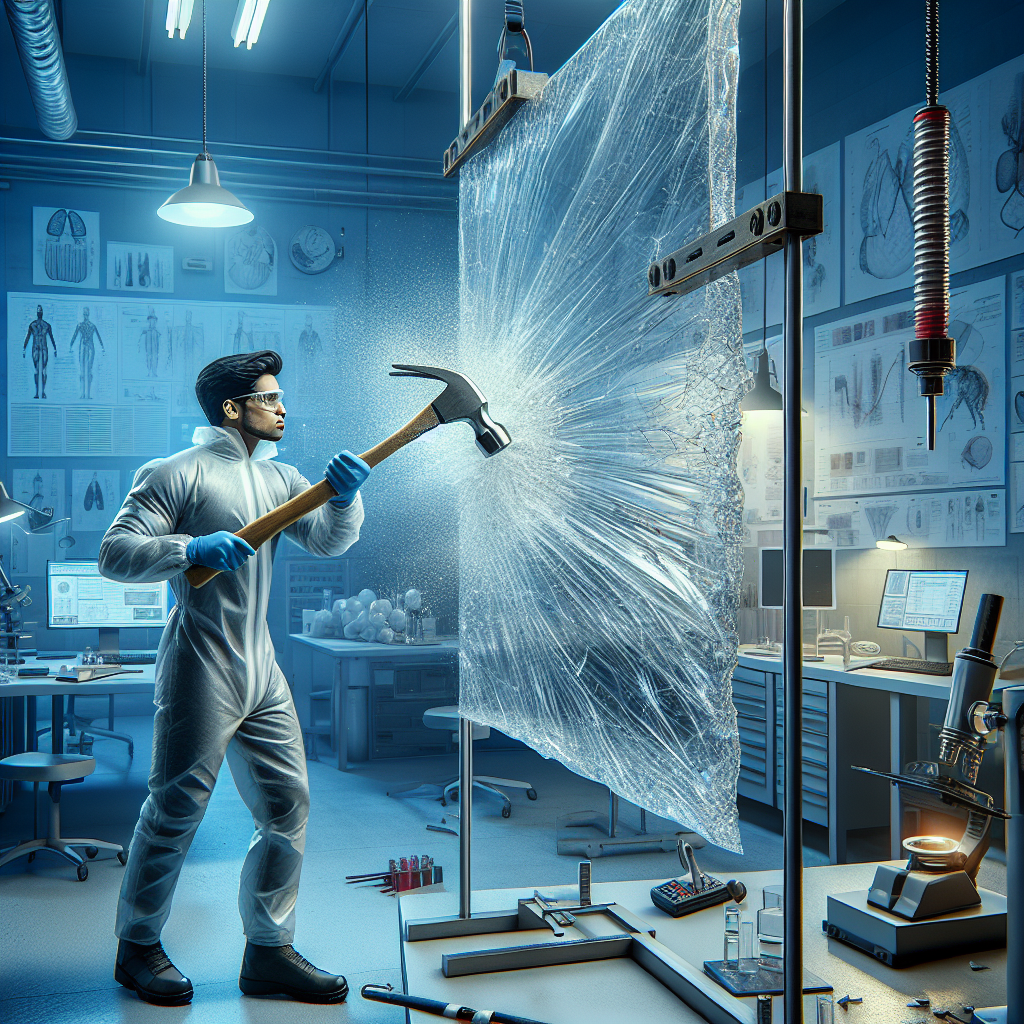
Impact resistance is another critical property where polymers excel. It defines a material’s ability to withstand sudden forces or shocks without fracturing. The molecular structure of polymers allows them to absorb and distribute the energy generated by an impact, preventing catastrophic failures. Additionally, polymers exhibit viscoelastic behavior, which means they combine the characteristics of both viscous liquids and elastic solids. This property enables them to deform under stress and absorb energy efficiently.
Moreover, the toughness of polymers can be tailored through various additives and reinforcing agents. For example, the incorporation of rubber particles, glass fibers, or nanoparticles can significantly enhance the impact resistance and overall toughness of polymer materials. By carefully selecting and optimizing these additives, engineers can create polymer composites with exceptional mechanical properties suitable for specific applications.
Common Polymers for Toughness
Several types of polymers are widely used to enhance material toughness due to their intrinsic properties and adaptability. Some of the most common polymers include:
- Polyethylene (PE): Known for its excellent impact resistance and ductility, polyethylene is widely used in packaging, containers, and automotive components.
- Polycarbonate (PC): Polycarbonate is renowned for its exceptional toughness, high impact strength, and transparency. It is commonly used in applications such as safety goggles, bulletproof glass, and electronic housings.
- Polyamide (Nylon): Nylon exhibits excellent toughness, wear resistance, and chemical resistance. It is used in applications ranging from textiles and automotive parts to industrial machinery components.
- Polyurethane (PU): Polyurethane offers outstanding toughness, flexibility, and abrasion resistance. It is used in a wide range of applications, including footwear, adhesives, and coatings.
- Epoxy Resin: Epoxy resins are known for their exceptional mechanical properties and adhesion. They are used in applications such as composites, coatings, and adhesives for demanding environments.
These polymers can be further modified and blended to achieve specific mechanical properties, making them versatile materials for enhancing toughness in various industries. The ability to customize polymers through copolymerization, crosslinking, and the addition of fillers allows engineers to create materials with tailored toughness for specific applications.
Applications of Tough Polymers
The applications of tough polymers are vast and diverse, owing to their superior mechanical properties. Some of the notable applications include:
- Automotive Industry: Polymers are extensively used in automotive components to improve impact resistance and durability. For example, bumpers, dashboards, and interior trims are often made from tough polymers to enhance safety and longevity. Additionally, lightweight yet tough polymers contribute to reducing the overall weight of vehicles, improving fuel efficiency, and reducing emissions.
- Aerospace Industry: In aerospace, tough polymers are used in the production of lightweight yet durable components for aircraft and spacecraft. These materials can withstand the extreme conditions of aerospace environments, including high impact forces, temperature variations, and exposure to harsh chemicals.
- Sports Equipment: Polymers play a crucial role in the design and manufacturing of sports equipment, such as helmets, protective gear, and sportswear. Their impact resistance and flexibility make them ideal for ensuring athlete safety and performance.
- Construction: In the construction industry, tough polymers are used in applications such as pipes, fittings, and structural components. Their ability to endure mechanical stress and resist environmental factors makes them valuable for ensuring the longevity and reliability of construction materials.
- Medical Devices: The medical field benefits from tough polymers in the creation of durable and reliable medical devices and equipment. Examples include prosthetics, orthopedic implants, and medical tubing. These materials must withstand mechanical stress while being biocompatible and safe for use in the human body.
These applications demonstrate the importance of tough polymers in various industries, where reliable performance under stress is crucial. The versatility and adaptability of polymers allow them to meet the specific demands of different applications, ensuring safety, durability, and efficiency.
Innovations in Polymer Toughening TechniquesAdvancements in polymer science and engineering have led to innovative techniques for enhancing polymer toughness. These techniques focus on molecular-level modifications and the incorporation of advanced materials to improve mechanical properties. Some of the notable innovations include:
- Nanocomposites: The incorporation of nanoscale fillers, such as carbon nanotubes, graphene, and nanoparticles, into polymers has shown significant improvements in toughness. These nanocomposites exhibit enhanced mechanical properties due to the high surface area and strong interfacial bonding of the nanoparticles with the polymer matrix.
- Self-Healing Polymers: Self-healing polymers have the ability to repair damage autonomously, improving their toughness and extending their lifespan. These materials contain microcapsules or reversible chemical bonds that allow them to heal cracks and restore mechanical integrity.
- Impact Modifiers: Impact modifiers are specialized additives that enhance the impact resistance of polymers. Common impact modifiers include elastomers, core-shell particles, and block copolymers. These additives improve energy absorption and stress distribution, reducing the likelihood of fracture.
- Crosslinked Polymers: Crosslinking involves creating covalent bonds between polymer chains, resulting in a three-dimensional network structure. Crosslinked polymers exhibit superior toughness, thermal stability, and chemical resistance. This technique is commonly used in the production of rubber, epoxy resins, and high-performance coatings.
- Blending and Copolymerization: Blending different polymers or copolymerizing monomers with varying properties can create materials with tailored toughness. This approach allows for the combination of complementary characteristics, such as flexibility and strength, to achieve the desired mechanical performance.
These innovations highlight the continuous efforts in the polymer industry to develop materials with enhanced toughness. By leveraging advanced techniques and materials, researchers and engineers can create polymers that meet the demanding requirements of various applications.
Sustainability and Tough Polymers
The growing emphasis on sustainability has led to increased interest in developing tough polymers that are environmentally friendly. Sustainable tough polymers aim to reduce the environmental impact of polymer production, usage, and disposal. Several approaches are being explored to achieve this goal:
- Biodegradable Polymers: Biodegradable polymers, such as polylactic acid (PLA) and polyhydroxyalkanoates (PHA), offer the potential for enhanced toughness while being environmentally friendly. These materials can degrade naturally, reducing the accumulation of plastic waste in the environment.
- Recycled Polymers: Recycling polymers reduces the need for virgin materials and minimizes waste. Researchers are developing techniques to enhance the toughness of recycled polymers, ensuring they meet the required mechanical properties for various applications.
- Renewable Feedstocks: Using renewable feedstocks, such as plant-based sources, to produce tough polymers can reduce reliance on fossil fuels and lower carbon emissions. Examples include bio-based polyethylene and polypropylene derived from sustainably sourced biomass.
- Eco-Friendly Additives: The development of eco-friendly additives and modifiers can enhance the toughness of polymers while minimizing environmental impact. These additives are designed to be non-toxic, biodegradable, and derived from sustainable sources.
- Lifecycle Assessment: Implementing lifecycle assessment (LCA) practices helps evaluate the environmental impact of tough polymers from production to disposal. LCA provides insights into areas for improvement and guides the development of more sustainable materials and processes.
Sustainable tough polymers align with the global efforts to reduce plastic waste, conserve resources, and mitigate climate change. By integrating sustainability principles into the design and production of tough polymers, the polymer industry can contribute to a more sustainable future.
Conclusion
In conclusion, polymers play a pivotal role in enhancing material toughness, offering a unique combination of mechanical properties that ensure durability and reliability under stress. Their versatility, adaptability, and ability to be customized through various techniques make them invaluable in numerous industries, from automotive and aerospace to medical and consumer goods.
The continuous advancements in polymer science and engineering have led to innovative toughening techniques, including nanocomposites, self-healing polymers, impact modifiers, crosslinking, and blending. These innovations have resulted in polymers with superior mechanical properties, meeting the demanding requirements of diverse applications.
Furthermore, the polymer industry is increasingly focusing on sustainability, developing tough polymers that are environmentally friendly and biodegradable. Approaches such as using renewable feedstocks, recycling, and implementing eco-friendly additives contribute to reducing the environmental impact of polymer production and usage.
As the demand for tough and sustainable materials continues to grow, polymers will remain at the forefront of material science and engineering. Their ability to enhance toughness, combined with ongoing research and development efforts, ensures that polymers will continue to play a crucial role in shaping the future of various industries, contributing to a safer, more durable, and sustainable world.