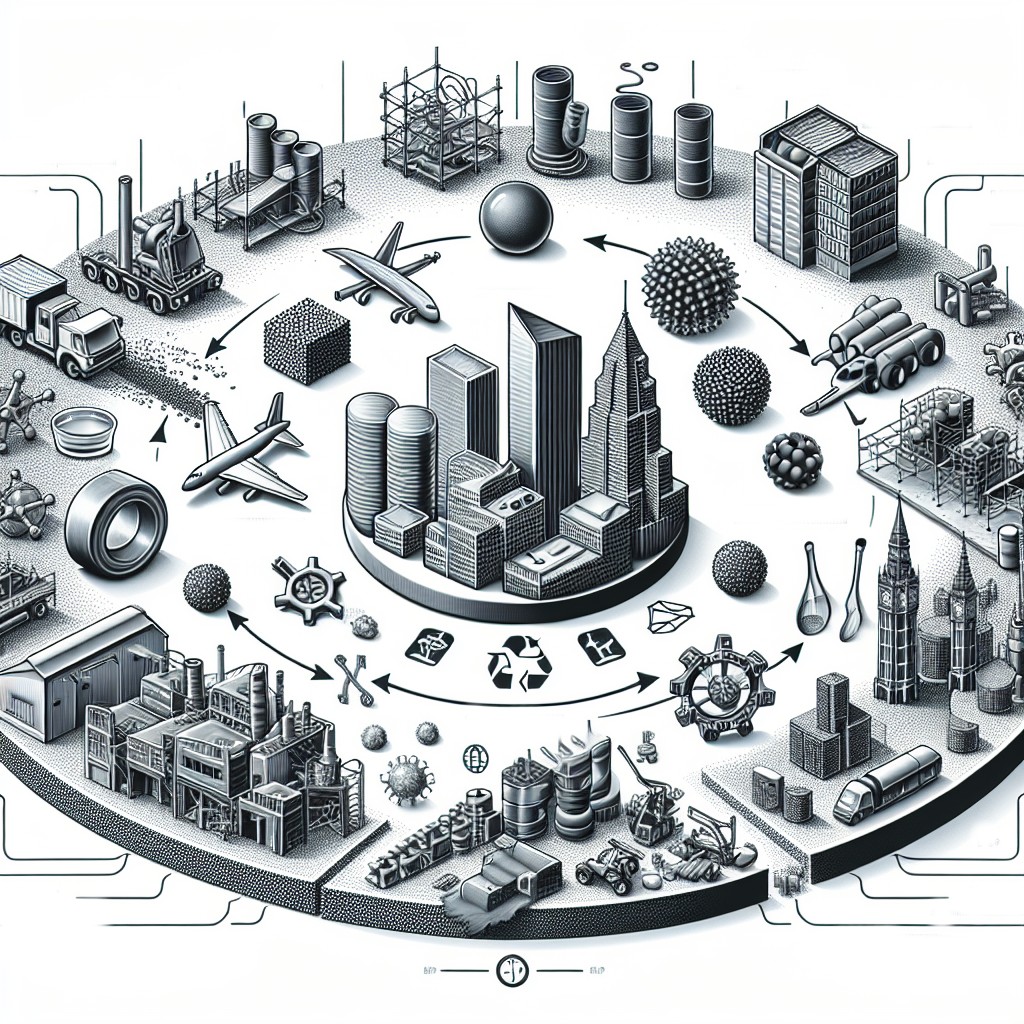
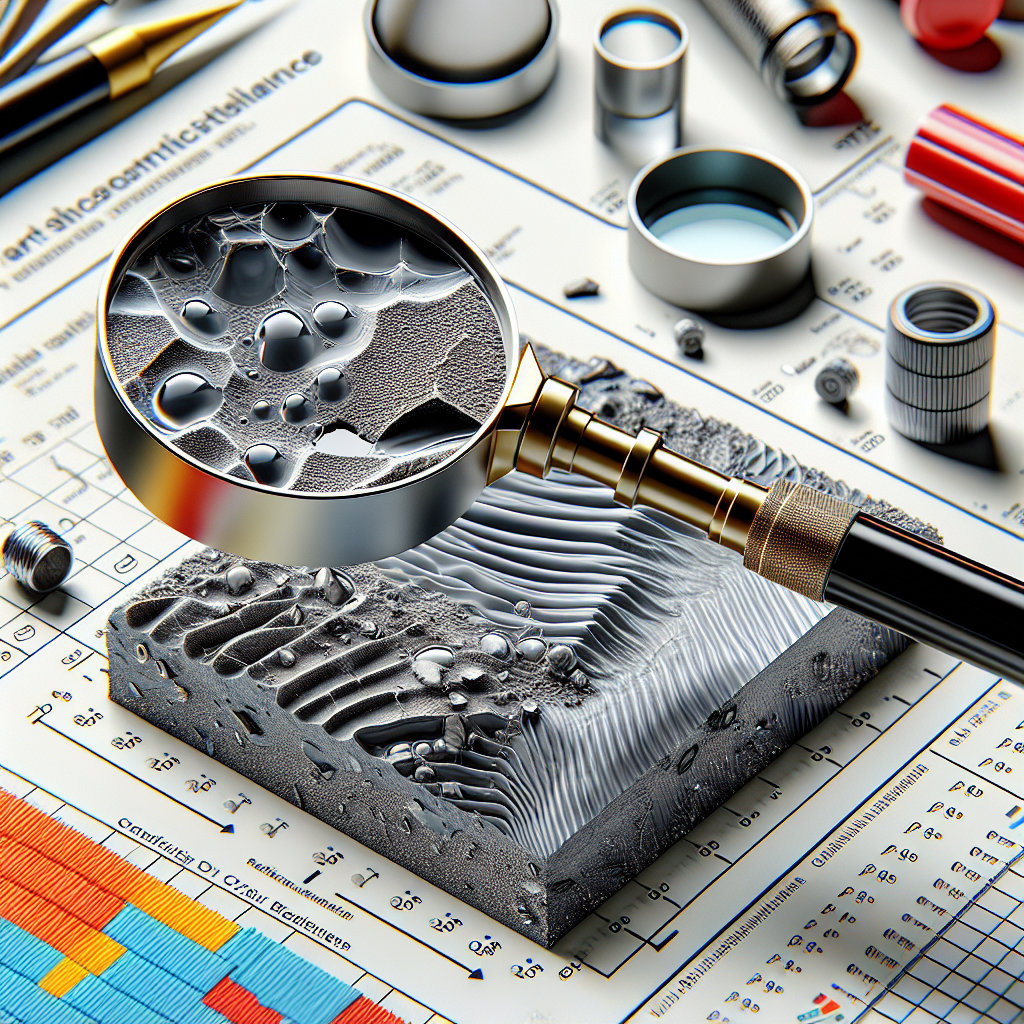
The realm of materials science has witnessed groundbreaking advancements in recent years, particularly in the development of phase change materials (PCMs). These materials, predominantly used for thermal energy storage, have found applications across numerous sectors, including construction, aerospace, and electronics. Traditional PCMs, often comprising inorganic or organic compounds, come with their own set of challenges such as stability, encapsulation, and thermal conductivity. However, the introduction and integration of polymers into PCMs have begun to overcome these constraints, bringing forth a wave of innovative solutions.
Polymers, known for their versatility and adaptability, have revolutionized various industries, and their application in PCMs is no exception. By combining the inherent properties of polymers with the thermal characteristics of traditional PCMs, researchers and engineers are unlocking new potentials in thermal energy management. This marriage of materials science and polymer technology is not just enhancing the performance of PCMs but also paving the way for eco-friendly and economically viable alternatives.
This article delves into the intriguing world of phase change materials, exploring how polymers are transforming this field. We will unpack the intricacies of PCM polymers, their properties, fabrication techniques, and the latest innovations driving this evolution. Join us as we navigate through the nuances of thermal energy storage, the benefits of polymer integration, and the future prospects of this burgeoning domain.
Phase Change Materials (PCMs): An Overview
Phase change materials (PCMs) are substances that absorb or release significant amounts of latent heat when they undergo a change in their physical state. This property makes them extremely valuable for thermal management systems. PCMs generally transition between solid and liquid states, although some may also change from solid to solid. The large heat exchange accompanies their phase transitions, which help maintain temperature stability in various applications.
The use of PCMs can be seen in areas like climate control in buildings, where they mitigate temperature fluctuations, and in the thermal regulation of electronic devices, where they prevent overheating. The traditional PCMs include paraffins, fatty acids, and salt hydrates, each offering distinct advantages and limitations. Paraffins are known for their reliable phase transition temperatures but often suffer from lower thermal conductivities. Fatty acids provide higher thermal conductivities but are typically more expensive, while salt hydrates are praised for their high heat storage capacities but can be prone to supercooling and phase separation issues.
By integrating polymers into PCMs, scientists aim to combine the favorable traits of traditional PCMs with the customization options available in polymer chemistry. This can lead to enhanced thermal energy storage systems that are more efficient, stable, and adaptable to a variety of applications.
Polymer-based PCMs: Benefits and Properties
Polymer-based PCMs offer numerous benefits over their traditional counterparts. Polymers provide a unique set of attributes, such as flexibility in design, lightweight nature, durability, and resistance to corrosion. When these properties are leveraged in PCMs, the resulting materials can be finely tuned to fit specific applications and performance requirements.
One of the primary benefits of using polymers in PCMs is their ability to act as a stable matrix for the PCM. The polymer can encapsulate the phase change material, preventing leakage and phase separation during the thermal cycles. This encapsulation also aids in enhancing the material’s mechanical properties, thus making it more resilient to repeated thermal cycling.
Moreover, polymers can be engineered to improve the thermal conductivity of PCMs. This can be achieved through the incorporation of thermally conductive fillers like carbon nanotubes, graphene, or metal oxides. These enhancements ensure that the heat is transferred more efficiently within the PCM, thus boosting its overall thermal management performance.

Fabrication Techniques of Polymer-based PCMs
The fabrication techniques for polymer-based PCMs are crucial to determine their effectiveness and applicability. One of the common methods is microencapsulation, where tiny capsules containing the phase change material are enveloped by a polymer shell. This method offers a controlled and efficient way to maximize the surface area and the heat exchange rate.
Another notable technique is the impregnation method. In this approach, the polymer matrix is infused with the PCM. The resultant composite material combines the supporting structure of the polymer with the latent heat properties of the PCM. Polymer blending, on the other hand, involves mixing the polymer with the phase change material directly, creating a homogeneous blend that retains the thermal properties of both components.
Advanced manufacturing techniques like 3D printing are also being explored to create intricate structures that optimize the thermal management capabilities of polymer-based PCMs. These cutting-edge methods allow for unprecedented precision and customization, catering to specific applications and requirements.
Innovations and Recent Developments
The field of polymer-based PCMs is ripe with innovations and recent advancements. Researchers are continually exploring novel polymer matrices and composite materials to enhance the performance and application range of PCMs. For example, polymer composites embedded with nanomaterials, like graphene or boron nitride, are being developed to improve the thermal conductivity and storage efficiency of PCMs significantly.
Another exciting development is the use of bio-based polymers in PCMs. These eco-friendly materials not only offer sustainable alternatives but also exhibit excellent thermal properties. Innovations in encapsulation technologies, such as the use of smart polymers that respond to environmental stimuli, are also making waves. These materials can adapt their properties in response to temperature changes, providing more efficient thermal management solutions.
Moreover, the integration of advanced thermal analysis techniques enables a more profound understanding of the thermal behavior and performance of polymer-based PCMs. These insights drive further innovations, leading to the continuous improvement of these materials.
Applications of Polymer-based PCMs
The applications of polymer-based PCMs are vast and varied, spanning across numerous industries. In the construction sector, these materials are used in building materials to regulate indoor temperatures, enhancing energy efficiency and occupant comfort. In the electronics industry, polymer-based PCMs are employed in thermal management systems to prevent overheating of devices, improving their lifespan and performance.
The aerospace industry also benefits significantly from these materials. The ability of polymer-based PCMs to absorb and release large amounts of heat makes them ideal for controlling the temperature of sensitive equipment and materials in spacecraft. Additionally, in the automotive sector, these materials are used in battery thermal management systems, ensuring optimal performance and safety of electric vehicles.
Medical applications, particularly in the field of thermal therapy, also leverage the properties of polymer-based PCMs. These materials are used in devices that provide controlled heating or cooling to specific body parts, aiding in treatment and recovery processes. The versatility and adaptability of polymer-based PCMs open up new avenues for innovation and application in various fields.
Future Prospects
The future prospects for polymer-based PCMs are exceptionally promising. As research and development continue to advance, these materials are expected to play an increasingly critical role in thermal management solutions. The ongoing exploration of new polymer matrices, composite materials, and fabrication techniques will likely lead to even more efficient and versatile PCMs.
Furthermore, the growing emphasis on sustainability and eco-friendly materials is expected to drive the development of bio-based polymer PCMs. These materials not only offer excellent thermal properties but also align with the global shift towards greener technologies. The integration of smart materials and advanced manufacturing techniques, such as 4D printing, is also anticipated to open up new possibilities in this field.
In conclusion, the fusion of polymers with phase change materials heralds a new era in thermal management. The innovations and advancements in this field are poised to create more efficient, sustainable, and adaptable solutions for various applications. As we continue to explore the potential of these materials, the future of polymer-based PCMs looks incredibly bright and full of possibilities.