The polymer industry, a vital segment of the global economy, plays a crucial role in a myriad of applications ranging from everyday household products to advanced aerospace technologies. Polymers are integral to various sectors including automotive, healthcare, construction, and packaging due to their versatility and robustness. In this comprehensive overview, we will delve into the key players who drive innovation and set industry standards in polymer manufacturing.
Introduction: The Backbone of Modern Industry
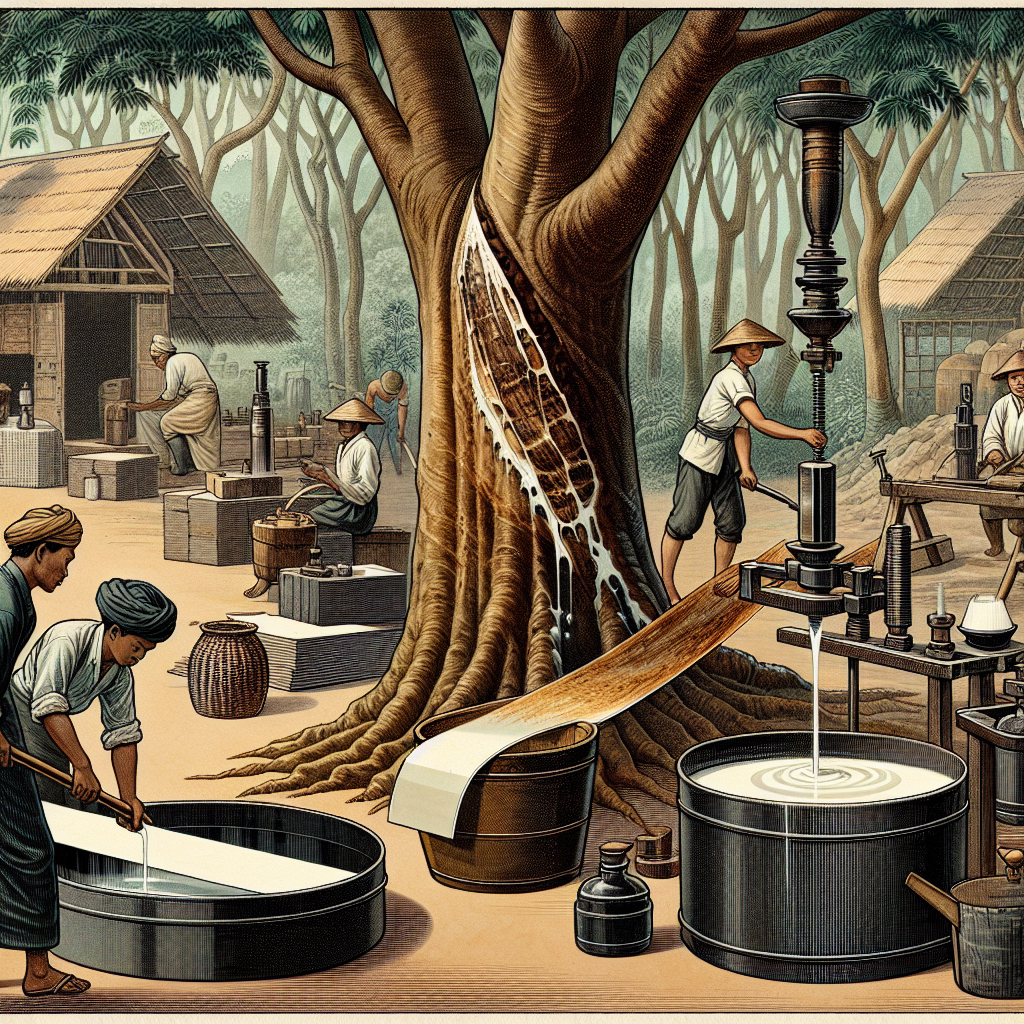
The polymer industry has seen massive transformations since its inception, evolving with advances in material science and engineering. In the early days, polymers mainly referred to materials such as rubber and cellulose-based plastics. However, the mid-20th century heralded a new era with the development of synthetic polymers like polyethylene, polypropylene, polystyrene, and polyvinyl chloride (PVC). These materials quickly became essential to industries due to their wide range of properties including strength, flexibility, heat resistance, and durability. In addition to the diversity of the polymers themselves, the manufacturing processes have also grown more sophisticated. Techniques such as extrusion, injection molding, and blow molding have advanced, allowing for more precise control over product characteristics. The industry’s commitment to innovation is evident in the development of biodegradable plastics and efforts to improve polymer recycling processes, addressing environmental concerns. Today, the polymer market is a multi-billion-dollar industry, driven by giants like Dow, BASF, and DuPont. These companies not only produce bulk quantities of essential polymers but also spearhead research and development, introducing new materials with enhanced properties and novel applications. The market’s growth potential remains high, with emerging trends like smart materials and nanocomposites opening new avenues for polymer applications. In this article, we will explore the top innovators in the polymer manufacturing industry, shedding light on the companies that lead in technological advancements, production capabilities, and sustainability efforts.
Dow Chemical Company: Pioneering Polymer Solutions
Dow Chemical Company, commonly known as Dow, is a prominent player in the global polymer market. Founded in 1897, Dow has grown to become one of the largest chemical manufacturers in the world. The company’s portfolio includes a vast array of polymers, such as polyethylene, polypropylene, and polystyrene, which are essential to countless applications including packaging, construction, and automotive components. Dow’s dedication to innovation is evident in its extensive research and development efforts. The company invests heavily in developing sustainable solutions, including recyclable and biodegradable polymers. For instance, Dow’s involvement in the Hefty EnergyBag program demonstrates its commitment to diverting hard-to-recycle plastics from landfills and converting them into valuable energy resources. Moreover, Dow collaborates with various industries to create tailored polymer solutions that meet specific needs. Its Engage™ Polyolefin Elastomers and Infuse™ Olefin Block Copolymers are renowned for their flexibility, durability, and processing ease, making them favorites in the automotive and consumer goods sectors. In recent years, Dow has also prioritized circular economy initiatives. The company is actively working on enhancing polymer recyclability and reducing plastic waste. By integrating sustainability into its business model, Dow not only leads in innovation but also sets an example for the entire polymer industry.
BASF: Revolutionizing Polymer Chemistry
BASF, a global chemical conglomerate headquartered in Germany, is synonymous with innovation in the polymer industry. Established in 1865, BASF’s extensive expertise in polymer chemistry has made it a leader in producing high-performance materials for various sectors, including automotive, construction, and healthcare. One of BASF’s standout contributions to the polymer industry is its Ultramid® range of polyamides. These materials are prized for their exceptional strength, thermal stability, and resistance to chemicals, making them indispensable in applications requiring high-performance engineering plastics. BASF’s polyurethanes, sold under the Elastollan® brand, have also gained recognition for their versatility and durability. BASF’s commitment to sustainability is reflected in its ChemCycling™ project, which aims to achieve chemical recycling of plastic waste. Through this initiative, BASF converts plastic waste into feedstock for new polymers, contributing to a circular economy and reducing dependency on fossil resources. Additionally, BASF’s polyurethanes business has developed biodegradable and bio-based polymers, showcasing the company’s forward-thinking approach to environmental challenges. By continuously pushing the boundaries of polymer chemistry, BASF remains at the forefront of innovation, offering solutions that balance performance and sustainability.

DuPont: Innovating for a Better Future
DuPont, an iconic name in the chemical industry, has a rich history of pioneering advancements in polymer science. Since its founding in 1802, DuPont has introduced several groundbreaking materials that have reshaped entire industries. Some of DuPont’s most notable contributions include nylon, Kevlar®, and Teflon®—polymers that have become household names due to their unique properties and wide-ranging applications. DuPont’s approach to innovation involves not only developing new materials but also enhancing existing ones. For example, the company’s Hytrel® thermoplastic elastomers combine the flexibility of rubber with the strength and processability of engineering plastics. This makes them ideal for applications in automotive components, industrial hoses, and consumer goods. Sustainability is a core focus for DuPont, reflected in its Sorona® polymer—a bio-based material derived partially from renewable plant resources. Sorona® offers exceptional softness, resilience, and stain resistance, proving that eco-friendly materials can meet or even exceed the performance of traditional polymers. Moreover, DuPont collaborates with other industry leaders and academic institutions to propel polymer research forward. Through strategic partnerships and innovation hubs, DuPont continues to explore new frontiers in material science, reinforcing its status as a top innovator in the polymer manufacturing industry.
INEOS: Driving Efficiency and Sustainability
INEOS, a UK-based multinational chemicals company, has rapidly ascended to become one of the largest producers of polymers worldwide. Founded in 1998, INEOS has built a comprehensive portfolio that includes polyethylene, polypropylene, and polystyrene, among others. The company’s products are utilized in diverse applications, from food packaging to automotive components. INEOS is dedicated to enhancing the efficiency and sustainability of its manufacturing processes. The company has implemented numerous initiatives to reduce its environmental impact, such as improving energy efficiency, minimizing waste, and increasing the use of recycled materials. In line with this commitment, INEOS has launched its Recycl-IN™ range of polymers, which incorporate post-consumer recycled content without compromising performance. Innovation at INEOS is driven by state-of-the-art research facilities and a culture of continuous improvement. The company’s high-density polyethylene (HDPE) grades, for instance, are tailored for specific applications, offering superior processability, strength, and chemical resistance. INEOS also invests in the development of advanced polymer products, such as high-performance polyolefin elastomers, which provide enhanced flexibility and durability. The company’s proactive approach to sustainability and efficiency has positioned INEOS as a leader in polymer manufacturing, setting a benchmark for other players in the industry. By consistently pushing for innovation and sustainable practices, INEOS ensures its products meet the evolving demands of the market while minimizing environmental impact.
SABIC: Leveraging Technology for Growth
Saudi Basic Industries Corporation (SABIC), a global leader in diversified chemicals, has established itself as a key player in the polymer industry. Founded in 1976, SABIC’s portfolio includes a wide range of polymers, such as polyethylene, polypropylene, and polycarbonate, which serve various sectors including packaging, automotive, and healthcare. SABIC is renowned for leveraging cutting-edge technology to drive growth and innovation. The company’s petrochemical complexes in Saudi Arabia are among the largest and most advanced in the world, ensuring efficient production and high-quality products. SABIC’s commitment to research and development is evident in its innovative polymer solutions, such as its Noryl™ polyphenylene ether (PPE) resins, which offer excellent dimensional stability, mechanical strength, and electrical properties. Sustainability is integral to SABIC’s operations, reflected in the company’s initiatives to develop eco-friendly materials and processes. SABIC’s TruCircle™ portfolio encompasses a range of sustainable polymer solutions, including mechanically recycled products, certified renewable polymers, and closed-loop recycling initiatives. These efforts highlight SABIC’s dedication to reducing its environmental footprint and fostering a circular economy. Furthermore, SABIC collaborates with customers and partners to create specialized polymer solutions tailored to specific needs. Through its comprehensive approach to innovation and sustainability, SABIC continues to solidify its position as a top innovator in the polymer manufacturing industry.
Conclusion: The Future of Polymer Manufacturing
The polymer manufacturing industry continues to evolve, driven by the relentless pursuit of innovation and sustainability by its leading companies. Dow, BASF, DuPont, INEOS, and SABIC exemplify the industry’s commitment to developing advanced materials that address the needs of modern society while minimizing environmental impact. These innovators invest heavily in research and development, constantly exploring new materials, improving existing ones, and enhancing production processes. Their focus on sustainability, through initiatives such as chemical recycling, bio-based polymers, and energy-efficient practices, ensures that the industry moves towards a more sustainable future. As the demand for high-performance, sustainable materials grows across various sectors, the polymer industry is poised for further growth and transformation. Emerging trends such as smart materials, nanocomposites, and biopolymers are set to open new horizons, offering exciting opportunities for innovation. The industry’s leaders have demonstrated that by embracing technology, fostering collaboration, and prioritizing sustainability, it is possible to achieve significant advancements. By staying at the forefront of these efforts, they not only shape the future of polymer manufacturing but also contribute to the broader objective of building a more sustainable and resilient world.