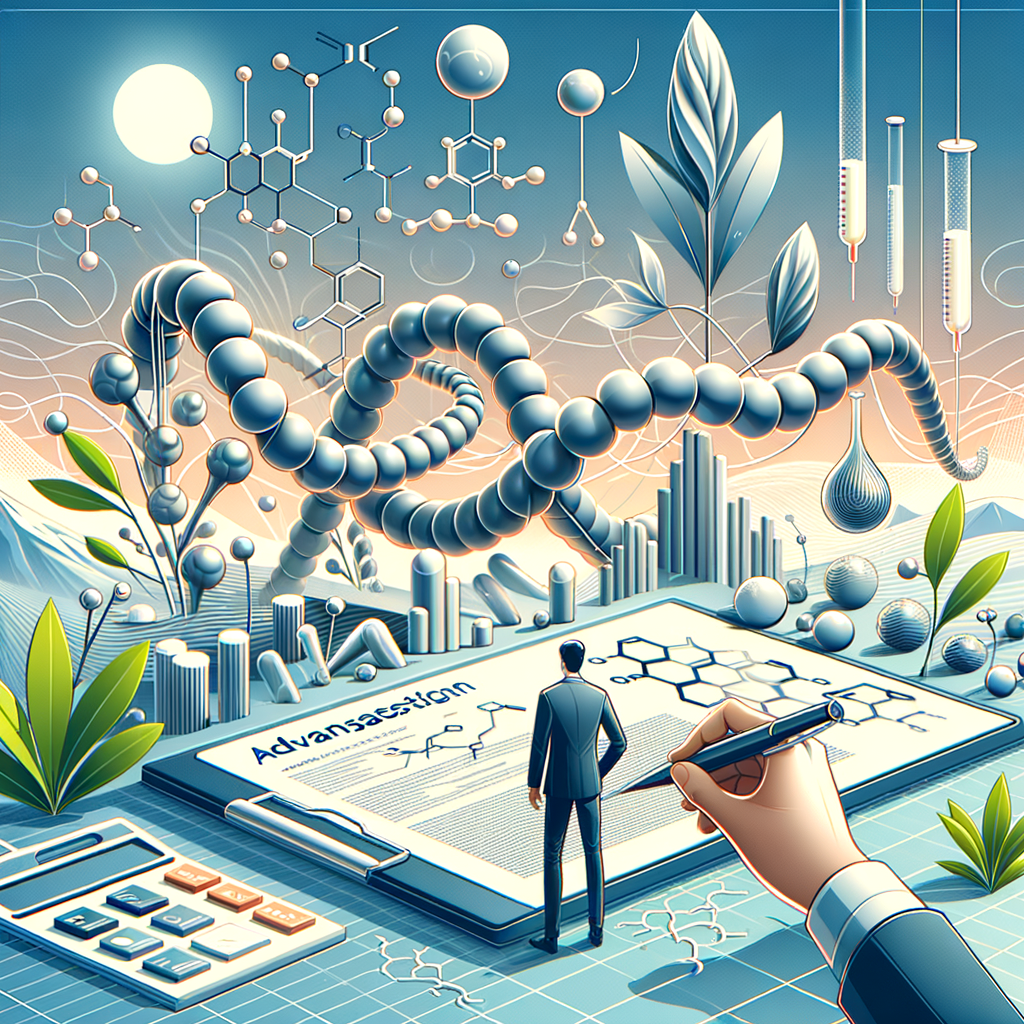
Biopolymers, natural polymers produced by the cells of living organisms, have garnered significant attention due to their biodegradability and sustainability compared to synthetic polymers. With the growing concern over environmental issues and the limitations of traditional petrochemical polymers, there is a concerted effort within the scientific community to innovate and expand the application possibilities for biopolymers. High-performance biopolymers are specific biopolymers designed to enhance the mechanical, thermal, and chemical properties, thereby bridging the gap between eco-friendliness and functionality. This article explores recent advances in high-performance biopolymers, discussing their development, applications, and the impact on industries ranging from packaging to medicine. Through these advances, biopolymers are well-positioned to play a pivotal role in a sustainable future, as they offer a remarkable compromise between environmental considerations and performance demands.
Enhancements in Biopolymer Composition
The composition of biopolymers can be optimized through the incorporation of various natural and synthetic additives. Recent innovations have focused on blending biopolymers with nanoparticles, such as cellulose nanocrystals or clay nanoparticles. These enhancements result in improved mechanical strength and thermal stability, which are crucial for packaging applications that require durability. For example, the introduction of cellulose nanocrystals has been shown to significantly increase the tensile strength and flexibility of polylactic acid (PLA) biopolymers, making them more competitive with traditional plastics. Additionally, researchers have explored the use of biopolymer composites, where natural fibers like hemp or flax are embedded in a polymer matrix, offering greater sustainability and performance enhancements due to their inherent strength and low density.
Biopolymer Processing Technologies
Advancements in processing technologies have been instrumental in improving the quality and performance of biopolymers. Techniques such as reactive extrusion, which allows for the controlled chemical reactions during the melting process, have enabled the production of biopolymer blends with tailored properties. This process facilitates the creation of polymers with specific physical or chemical characteristics, enhancing their usability across different industries. Moreover, 3D printing has emerged as a game changer for biopolymers, allowing for complex geometries that previously seemed impossible with traditional processing methods. This technology enables the precise fabrication of biopolymer structures, expanding their applicability to customized solutions in medical implants, automotive components, and more.
Biodegradability and Environmental Impact
One of the most significant advantages of biopolymers is their biodegradability, which minimizes their environmental footprint. Recent studies have aimed at enhancing this aspect without compromising on performance. By tweaking the molecular structure of biopolymers, such as polyhydroxyalkanoates (PHAs), scientists have been able to optimize degradation rates to suit different environments. For instance, biopolymers designed for marine applications degrade faster in saltwater without leaving harmful residues, an essential feature given the current concerns over oceanic plastic pollution. Furthermore, ongoing research into enzymatic and microbial degradation pathways seeks to improve recycling and reusability, supporting a circular economy. This shift not only fulfills sustainability goals but also reduces dependency on non-renewable resources, aligning with global energy strategies.
Application in Biomedical Fields
Biopolymers have found a profound niche within biomedical engineering due to their biocompatibility and functionality. Advances in tissue engineering have harnessed the potential of biopolymers like chitosan and alginate for developing scaffolds that facilitate cell growth and differentiation. This innovation is crucial in regenerative medicine where scaffolds serve as temporary templates to aid tissue repair and regrowth. Additionally, biopolymers like polyglycolic acid (PGA) are being utilized in surgical sutures, drug delivery systems, and wound dressing materials, highlighting the versatility and adaptability of biopolymers. Innovations in this space continue to push the boundaries of what’s possible, such as the development of bioresponsive hydrogels that release therapeutic agents in response to specific biological conditions, thus ensuring targeted and controlled treatment delivery.
Challenges and Solutions in Biopolymer Implementation
Despite the plethora of advancements, the commercialization and large-scale adoption of high-performance biopolymers face several challenges. High production costs compared to traditional petrochemical plastics remain a significant barrier. To address this, improvements in the scalability of production processes, such as advancements in microbial fermentation techniques for PHA production, have been crucial. Furthermore, the variability in raw material sources can cause inconsistencies in biopolymer properties. Cross-industry collaborations and standardization have been pivotal in minimizing these issues. Advances in genetic engineering have also been a significant contributor, enabling the precise manipulation of biological organisms to produce biopolymers with specific, uniform properties.
Regulatory and Industry Developments
The regulatory landscape plays a critical role in the adoption and innovation of high-performance biopolymers. Recent international policies emphasizing sustainable development and reduced plastic waste have catalyzed the development of eco-friendly biopolymers. Key players in the industry, including corporations and startups, are responding by investing in research and development to create biopolymers that not only meet regulatory criteria but also exceed traditional material performance indicators. These industry shifts are supported by growing consumer awareness and demand for environmentally-responsible products, resulting in increased pressure on manufacturers to utilize biopolymers in product packaging, electronics, and consumer goods.
Future Prospects of High-Performance Biopolymers
The trajectory of high-performance biopolymers is promising, with research focus areas including the development of polymers that possess self-healing properties, enhance thermal insulation, and exhibit superior barrier properties against gases and moisture. Innovations such as these are anticipated to unlock new market segments and applications, particularly in fields like aerospace and high-demand engineering. Furthermore, as technologies mature, the cost reductions associated with biopolymer production will likely accelerate their adoption, establishing them as primary materials within various industrial realms. Collaborative efforts across academic, governmental, and industrial sectors are vital, as they ensure that biopolymers continue to evolve, delivering on promises of sustainability, performance, and economic viability.
Conclusion
In summary, the ongoing advancements in high-performance biopolymers represent a significant stride towards a sustainable and innovative future. From composition enhancements and processing technologies to burgeoning applications in biomedical sectors and beyond, high-performance biopolymers are steadily overcoming previous limitations. While challenges remain, particularly in cost and production scalability, collaborative efforts and technological strides are paving the way for biopolymers to play a central role in various industries. As research continues and environmental considerations become deeply embedded within product development paradigms, high-performance biopolymers are not just a promise of the future but an essential component of present-day material science evolution. Their integration into mainstream applications will define a new era where sustainability and high performance go hand in hand, steering industries toward more environmentally-conscious choices.