Polymer blends represent a significant development in the materials science sector, showcasing combined properties that are unattainable through the individual components alone. Generally, polymers are large molecules composed of repeated subunits, known for their versatility and wide range of applications. However, when these polymers are blended, the resultant materials often exhibit superior performance characteristics. This is due to the interaction of different polymers at a molecular level, which can enhance specific properties, such as mechanical strength, thermal stability, and chemical resistance. Polymer blends can be classified into different types, including miscible, immiscible, and partially miscible blends, each with distinct features and industrial applications. Growing research and development in this field continue to foster innovation, allowing for the design of new materials with tailor-made properties suitable for specific functionalities. This article delves into the properties of polymer blends, exploring their applications across various industries, and elucidates why they are a focus for contemporary material science endeavors.
Types of Polymer Blends
Polymer blends are typically categorized based on the miscibility of the components involved. Miscibility refers to the ability of two substances to form a homogeneous mixture. In the context of polymer blends:
– Miscible Blends: These blends are homogeneous at the molecular level, wherein the polymers mix without phase separation. Miscible blends often demonstrate improved properties, such as optical clarity and enhanced mechanical strength. An example is the blend of poly(methyl methacrylate) (PMMA) and poly(vinylidene fluoride) (PVDF), which results in a material with combined flexibility and strength.
– Immiscible Blends: Unlike miscible blends, these are characterized by phase separation due to limited interactions between different polymer chains. However, they can still be engineered to have improved properties. For instance, through compatibilization, where a third polymer is added to improve interaction and adhesion between phases, the performance qualities can be enhanced significantly. An example is the blend of polyethylene (PE) and polystyrene (PS), which requires compatibilizers for efficient application.
– Partially Miscible Blends: These are blends that fall somewhere between miscible and immiscible. They exhibit partial miscibility with limited phase separation. The interfaces between phases might display unique characteristics, which can be exploited in creating materials for specialized applications, like biodegradable polymer blends where partial miscibility promotes flexibility and degradation balance.
Properties of Polymer Blends
Polymer blends exhibit a range of properties that make them suitable for diverse applications. The key properties include:
– Mechanical Properties: A primary benefit of creating polymer blends is the enhancement of mechanical properties such as tensile strength, elasticity, and impact resistance. For instance, blending tough polymers with ductile counterparts can absorb and distribute load effectively, useful in load-bearing applications in automotive parts.
– Thermal Properties: Blending polymers can yield products with superior thermal stability or conductivity. For instance, high-temperature resistant polymers blended with flexible types can lead to durable materials useful in electrical and aerospace industries.
– Chemical Resistance: Some polymer blends offer excellent chemical resistance, making them suitable for use in environments exposed to solvents or oils. A blend like nitrile rubber with PVC shows improved resistance to oils while maintaining flexibility.
– Barrier Properties: Enhanced barrier properties can be achieved in blends used for packaging, where protection from elements like oxygen or moisture is crucial. This is particularly critical for food and pharmaceutical packaging.
Applications of Polymer Blends
Polymer blends find extensive use in various industries due to their tailored properties:
– Automotive Industry: In this sector, the demand for lightweight and high-performance materials is high. Polymer blends like polycarbonate (PC) with acrylonitrile butadiene styrene (ABS) provide the needed impact resistance and durability essential for interior and exterior car parts.
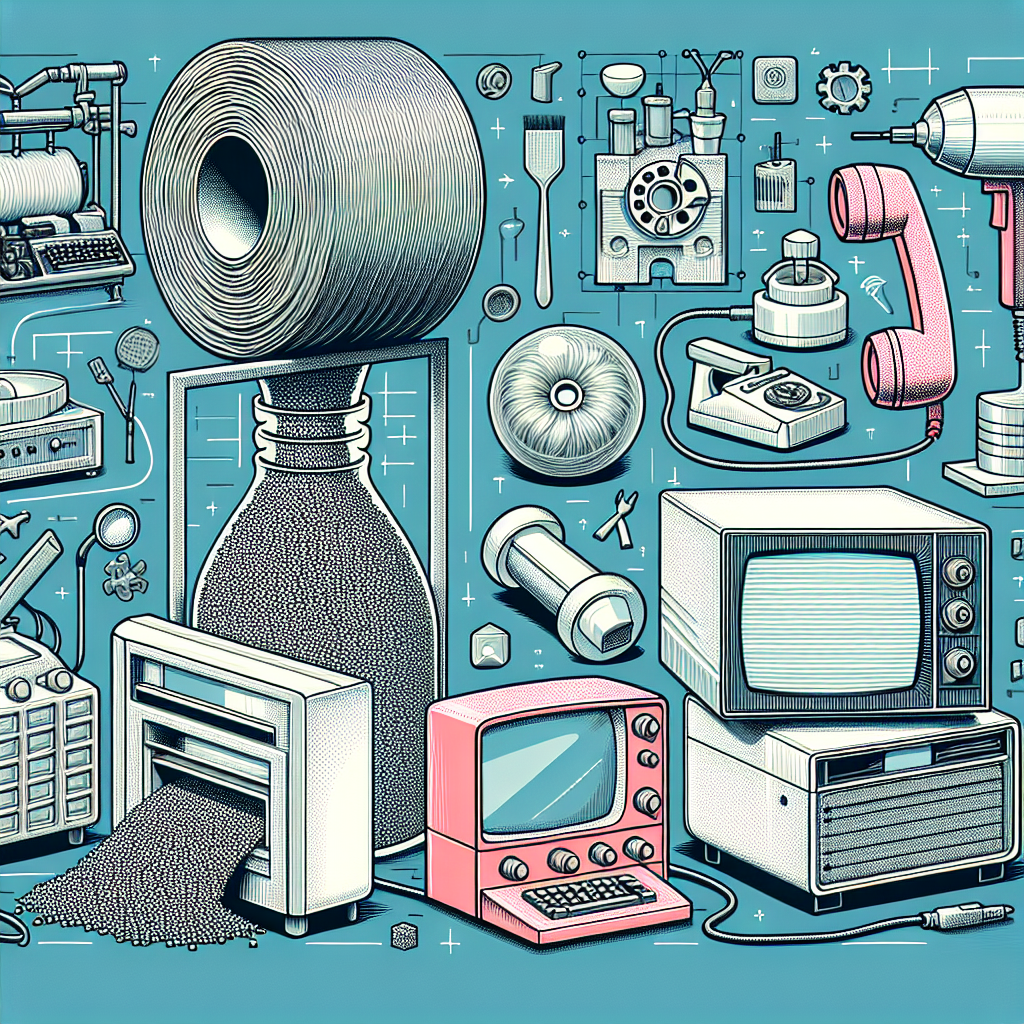
– Consumer Electronics: With the need for devices to be both durable and lightweight, polymer blends are used extensively. Polycarbonate blends offer transparency and rigidity, making them suitable for electronic housings.
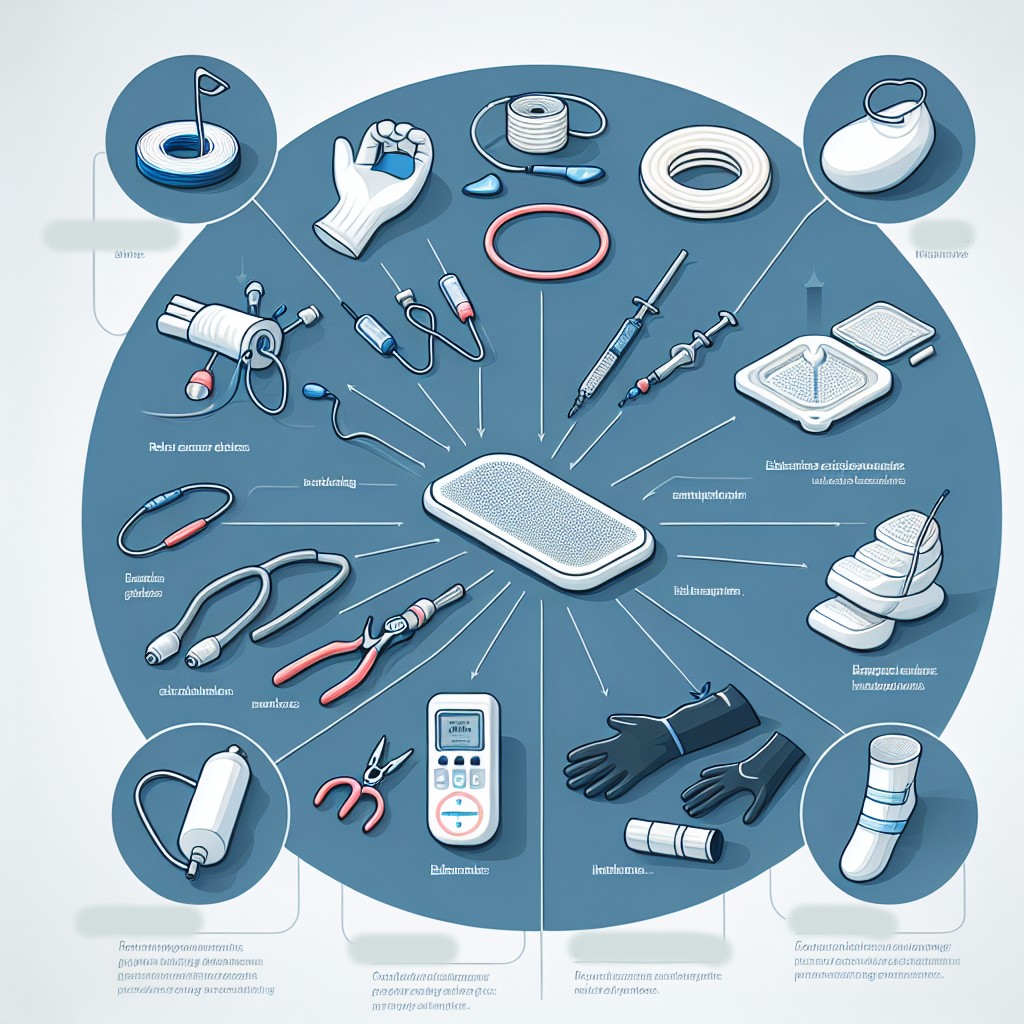
– Medical Devices: In the field of medicine, polymer blends contribute significantly to the development of devices that require biocompatibility and sterilization capability. For instance, silicone-polyurethane blends serve in medical tubing and catheters due to their flexibility and chemical resistance.
– Aerospace Industry: The aerospace industry utilizes polymer blends for developing lightweight yet robust materials. Blends that offer thermal stability and resistance to environmental conditions are crucial for constructing various components of aircraft, ranging from seals to wiring covers.
– Packaging Industry: In packaging, the need for materials that provide protection against external elements and extend shelf life is critical. Blends that ensure excellent barrier properties while also being environmentally friendly are heavily utilized. For instance, polyethylene blends offer the needed moisture barrier essential for food packaging.
Challenges in Polymer Blending
Despite their benefits, polymer blending comes with its share of challenges:
– Phase Separation: Achieving a uniform blend without phase separation can be difficult, particularly in immiscible blends. Incompatibility often leads to decreased mechanical properties and aesthetic issues.
– Processing Issues: Processing polymer blends can be more complex compared to homopolymers due to differences in melting and crystallization behaviors, requiring precise control over processing conditions.
– Cost: The utilization of compatibilizers and specific blending processes can increase the costs significantly, impacting the affordability of the final product.
Innovations in Polymer Blends
Ongoing research continues to push the boundaries of polymer blending technology:
– Nanotechnology: Incorporation of nanoparticles within polymer blends is an emerging trend led by nanoscale fillers that improve mechanical and barrier properties.
– Biodegradable Blends: The increasing focus on sustainability has led to the development of biodegradable polymer blends, essential for reducing environmental impact.
– Smart Materials: The development of responsive polymer blends that respond to environmental changes such as temperature or pH is paving the way for advanced applications in fields like biotechnology and sensors.
Conclusion
Polymer blends continue to hold substantial promise and are pivotal in advancing material technology across diverse industries. By addressing key challenges and leveraging innovative approaches, future developments will offer a wider array of applications and enhanced performance features. The balance between achieving the ideal blend of properties and addressing environmental concerns, particularly through biodegradable options, will guide the evolution of polymer blends. As industries demand more sustainable options without compromising on quality or performance, polymer blends are likely to remain at the forefront of material science, setting new standards for what is possible in creation and application. Researchers and industry professionals must collaborate to overcome the present challenges, ensuring the growth and utility of polymer blends in improving lives and facilitating technological advancements. This overview highlights the integral role polymer blends play, standing as a testament to the intricate yet rewarding nature of material science.
Frequently Asked Questions
1. What are polymer blends and why are they significant in material science?
Polymer blends are materials made by combining two or more different polymers to create a new material with enhanced properties that are not achievable by the individual components alone. In the realm of material science, polymer blends hold tremendous significance because they enable the tailoring of materials to suit specific needs by leveraging the strengths of different polymers. For instance, one polymer might provide strength while another contributes flexibility. By blending them, we can engineer a material that possesses both attributes. This blending is generally achieved through various methods such as physical mixing or chemical bonding, each providing distinct benefits. The versatility of polymer blends stretches across numerous industries, including automotive, electronics, and medical devices, where they offer improved performance, cost-efficiency, and innovation potential.
2. How do the properties of polymer blends differ from those of individual polymers?
The properties of polymer blends are often substantially different and superior to those of individual polymers due to the intermolecular interactions between the different polymers. When blended, polymers can complement each other’s properties, resulting in a material that can address particular limitations found in any single polymer. For instance, blending can enhance mechanical strength, thermal stability, and chemical resistance. Furthermore, polymer blends can achieve unique properties, such as increased impact resistance or decreased density, depending on the types and ratios of polymers used. The science behind blending involves understanding how different polymer chains interact at the molecular level, which dictates the final physical and chemical properties of the blend.
3. Can you explain some common methods used to create polymer blends?
Creating polymer blends involves various methods, each tailored to achieve the desired properties and efficiency of production. One common method is melt blending, which is a physical mixing technique where polymers are melted and mixed together to form a homogeneous blend. This process often takes place in an extruder and is advantageous for its simplicity and scalability. Another method is solution blending, where polymers are dissolved in a solution, mixed, and then precipitated out or evaporated to form the blend. This method offers detailed control over the mixing process, allowing for fine-tuning of properties. Grafting, a chemical method, involves bonding monomers of different polymers at the molecular level to form a copolymer with unique properties. Each method allows scientists and engineers to target and create tailored materials that provide strategic advantages in various applications.
4. What are some practical applications of polymer blends?
Polymer blends are ubiquitous across numerous industries due to their superior and customizable properties. In the automotive sector, they are used to manufacture lightweight yet durable components like bumpers and dashboards, contributing to improved fuel efficiency and vehicle safety. In the electronics industry, polymer blends with enhanced electrical conductivity or insulation properties are crucial for components in smartphones, laptops, and other devices. Moreover, in the medical field, their biocompatibility and flexibility make them ideal for medical implants, prosthetic devices, and drug delivery systems. Their versatility also extends to packaging, where they provide strength and barrier properties for food safety and shelf life. Each application leverages the unique properties of polymer blends to tackle specific challenges, proving their indispensability in modern technology and daily life.
5. What are the challenges or limitations associated with polymer blends?
While polymer blends offer numerous advantages, there are challenges and limitations to address in both the blending process and the resultant material properties. One primary challenge is achieving adequate compatibility between different polymers; incompatible polymers may lead to phase separation, reducing the effectiveness of the blend. This requires careful selection and potential use of compatibilizers to enhance the interfacial adhesion. Furthermore, processing conditions such as temperature and shear rate during blending must be meticulously controlled to ensure consistent quality and performance. Recycling of polymer blends also presents a significant challenge, as the differing chemical compositions can complicate the recycling process. Additionally, while polymer blends often aim to offer cost-efficiency by reducing material use, the initial research and development to tailor particular properties can be time-consuming and expensive. Overall, continued advancements in polymer science and engineering are imperative to overcome these challenges and broaden the applicability and efficiency of polymer blends.