The polymer industry is expansive, with materials that find usage in almost every sector, from consumer goods to advanced aerospace engineering. Two significant categories of polymers often discussed are thermoplastics and thermosets. Each possesses unique thermal properties, influencing their applications and performance in various environments. Understanding these differences is crucial for manufacturers, engineers, and even consumers who seek to use these materials effectively.
Introduction: Exploring the Basics
Polymers are long molecules typically composed of repeating subunits called monomers. These can be categorized into various types, with thermoplastics and thermosets predominating. At the heart of their differences lies how they respond to heat.
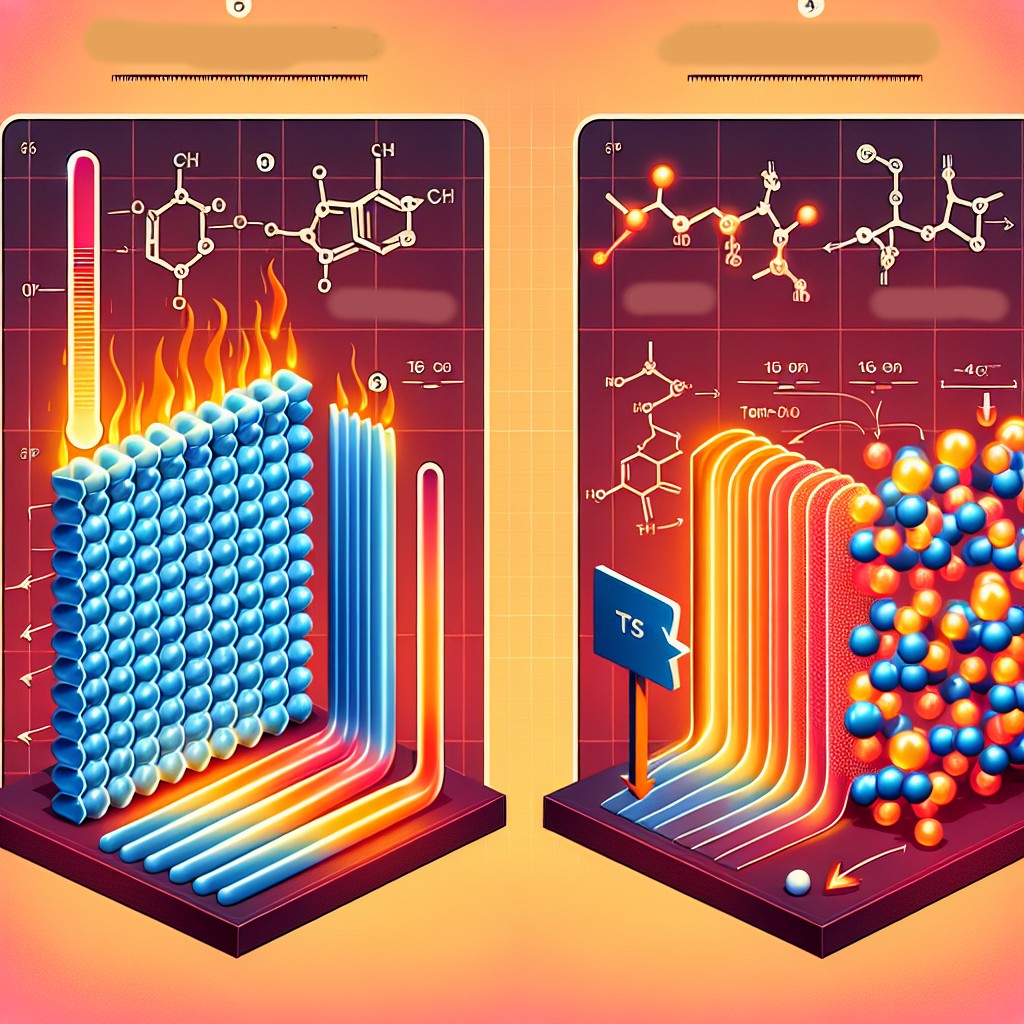
Thermoplastics are plastics that become pliable or moldable above a specific temperature and solidify upon cooling. This process can be repeated multiple times without significant chemical changes. Common types include polyethylene (PE), polypropylene (PP), and polyvinyl chloride (PVC).
Thermosets, however, are polymers that irreversibly cure. The curing process forms a robust cross-linked network that doesn’t melt upon subsequent heating. This class includes materials like epoxy, phenolic, and polyurethane resins.
Understanding these primary behaviors guides us towards the comparative study of their thermal properties, essential for their application in different fields.
Specific Heat Capacity
Specific heat capacity is the amount of heat required to raise the temperature of a unit mass of a substance by one degree Celsius. It plays a pivotal role in determining how a material manages energy in temperature fluctuation scenarios. Thermoplastics often have higher specific heat capacities compared to thermosets. This property implies that thermoplastics can absorb and dissipate more heat before their temperature rises significantly. This attribute is why thermoplastics are widely used in applications requiring significant heat absorption and distribution, like in the manufacturing of cookware and automotive parts.
Conversely, thermosets typically have lower specific heat capacities, which means they heat up faster but are also poor in managing heat distribution over time. This might seem like a disadvantage, but for specific applications where quick thermal response is needed, such as in certain electrical and electronic equipment, thermosets are preferable. Their slower thermal response can also help in maintaining structural integrity under short, intense bursts of heat.
Thermal Conductivity
Thermal conductivity is a measure of how quickly heat is conducted through a material. Thermoplastics generally exhibit lower thermal conductivity compared to thermosets. This implies that thermoplastics are poor conductors of heat and are therefore often used as insulators. Polyethylene, for instance, is frequently used for insulated wire coatings because it limits heat transfer, preventing overheating and maintaining efficiency.
Thermosets, such as epoxy resins, usually have better thermal conductivity, meaning they can transfer heat more efficiently. This property makes them suitable for applications requiring efficient heat dissipation, such as in heat sinks or electrical insulators where preventing heat buildup is critical. The high thermal conductivity of thermosets allows these materials to be used effectively in environments where managing and dissipating heat is of the utmost importance.
Melting Point and Thermal Degradation
The melting point is where a solid becomes a liquid upon heating, and this is a critical property for polymers. Thermoplastics have defined melting points that vary depending on the polymer type. For example, Polyethylene (PE) has a melting point range between 110-130°C, while Polyamide (Nylon) ranges between 190-350°C. The capacity to repeatedly melt and solidify makes thermoplastics highly useful for processes like injection molding and recycling.
Thermosets do not melt. Instead, they will burn or char when excessively heated due to their cross-linked structure, which provides dimensional stability under heat. This resistance to melting makes thermosets indispensable in high-temperature settings, such as components for aerospace, automotive, and industrial machinery. Despite this, they cannot be reshaped or recycled like thermoplastics, which could be viewed as a limitation depending on the application.
Thermal Expansion
Thermal expansion is the tendency of matter to change in volume in response to a change in temperature. Thermoplastics generally exhibit more significant thermal expansion relative to thermosets. This trait stems from their molecular structure, which allows more freedom for the molecules to move apart as they absorb heat. This characteristic is a double-edged sword; while it facilitates ease of processing and molding, it can also result in dimensional instability in finished products when subjected to wide temperature variances.
Thermosets, in contrast, have lower coefficients of thermal expansion due to their rigid, cross-linked molecular structure. This property ensures better dimensional stability, even under significant temperature swings, thus making them ideal for applications that demand precision and constant dimensions, such as in electronic casings and high-performance automotive parts. Their low thermal expansion is particularly beneficial in environments where materials undergo drastic temperature changes but must maintain strict tolerance levels.
Use Cases and Applications
Given their distinctive thermal properties, thermoplastics and thermosets find applications in markedly different fields. Thermoplastics thrive in applications necessitating repeated heating and cooling cycles. They are widespread in consumer products, packaging materials, automotive parts, and even some types of medical devices like syringes, where sterility through heat sterilization is crucial.
Thermosets are the go-to materials for high-performance, heat-resistant applications. They are commonly used in electronics, adhesives, coatings, and structural components in the aerospace and automotive industries. The durability of thermosets under thermal stress makes them ideal for components that must maintain integrity under high temperatures, such as brake pads and engine components.
Environmental Considerations
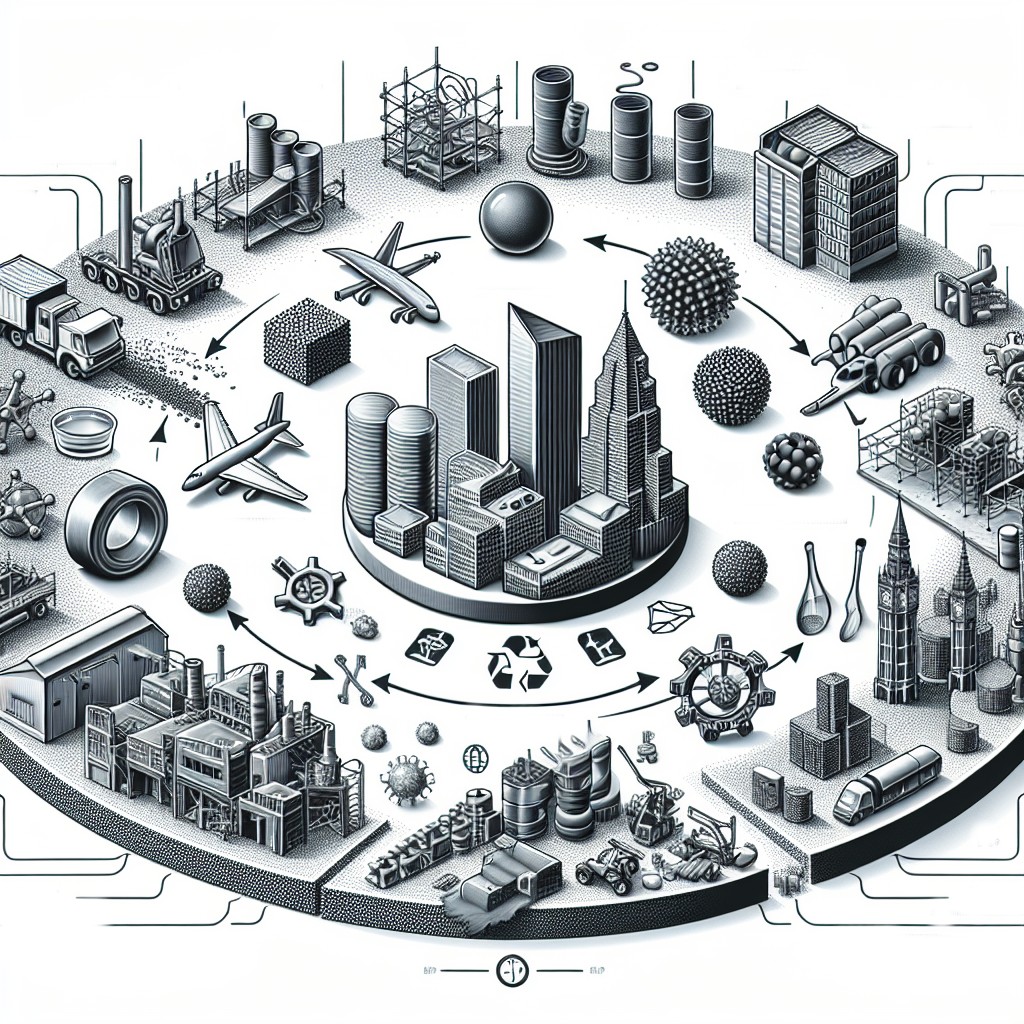
Another factor to consider is the environmental impact and recyclability of these materials. Thermoplastics stand out for their recyclability due to their ability to melt and re-solidify without significant degradation. This aspect makes them more environmentally friendly, particularly in today’s world, where sustainability and reducing waste are critical concerns.
Thermosets, however, are more challenging to recycle because they do not melt upon reheating. While they can be ground down and used as fillers or in composite materials, their lifecycle is less sustainable. Advances in recycling technologies are attempting to address these limitations, and there is ongoing research into making thermosets more environmentally friendly.
Conclusion: Making the Right Choice
When choosing between thermoplastics and thermosets, understanding their thermal properties is essential for making informed decisions tailored to specific applications. Thermoplastics offer versatility with multiple heating and cooling cycles, higher specific heat capacity, and recyclability. These qualities make them suitable for a broad range of applications that benefit from these properties.
On the other hand, thermosets provide unparalleled resistance to heat due to their inability to melt and higher thermal conductivity. Their structural integrity under thermal stress makes them indispensable in high-performance environments where durability and stability are paramount.
The decision between using thermoplastics or thermosets ultimately depends on the specific requirements of the application, considering factors such as thermal management, dimensional stability, mechanical performance, and environmental impact. By understanding these thermal properties, industries can enhance product performance, ensure longevity, and even advance towards more sustainable practices.