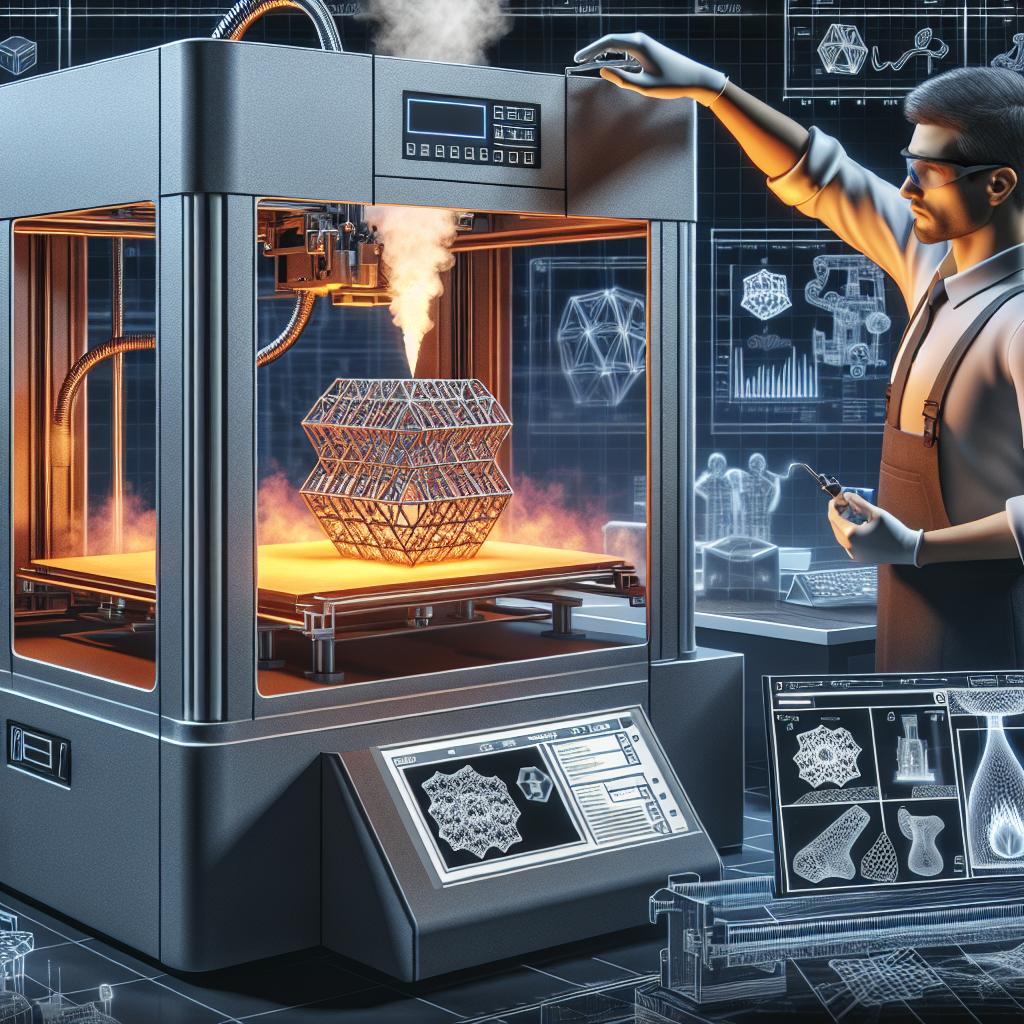
The polymer industry is a robust and dynamic segment of modern technology and material science. Polymers are essential components in countless products and applications worldwide, thanks to their versatile properties and capabilities. Broadly classified into two categories—thermoplastics and thermosetting polymers—these materials provide distinctive advantages suited for a wide range of applications. Understanding the differences between thermosetting polymers and thermoplastics is critical for material scientists, engineers, and manufacturers aiming to choose the most appropriate material for a given application.
Thermoplastics and thermosetting polymers each have unique properties that make them suitable for specific industrial and consumer applications. Thermoplastics are known for their ability to melt and re-mold multiple times without altering their fundamental properties. This melting behavior allows them to be easily processed and recycled. Examples include polyethylene, polyvinyl chloride (PVC), and polystyrene.
In contrast, thermosetting polymers undergo a chemical change during their initial processing that makes them permanently hard and inflexible. Once cured, they do not soften upon reheating, providing distinct advantages in terms of thermal stability and resistance to deformation. Examples of thermosetting polymers include epoxy, phenolic, and melamine resins.
This article delves into the significant aspects of thermosetting polymers and thermoplastics, comparing their properties, applications, and the reasons behind choosing one over the other in various scenarios. Let’s analyze the key characteristics and distinguishable features of these two fundamental polymer types.
Properties of Thermosetting Polymers
Thermosetting polymers are unique materials that solidify or “set” irreversibly when heated. This process is due to the formation of a three-dimensional network structure through covalent bonding, which generates a rigid, infusible material. The cross-linking in thermosetting polymers makes them highly resilient to heat and chemical attack, maintaining their shape and strength even at elevated temperatures.
One of the primary advantages of thermosetting polymers is their thermal stability. Once cured, these materials can withstand high temperatures without melting, making them ideal for applications where thermal resistance is crucial. For example, thermosetting polymers are commonly used in electronic components, automotive parts, and kitchenware, where heat resistance is paramount.
Another defining characteristic of thermosetting polymers is their structural integrity and mechanical strength. The cross-linked network provides exceptional hardness and durability, enabling the polymers to resist deformation under mechanical stress. This makes them suitable for high-stress environments like construction materials, adhesives, and protective coatings.
However, thermosetting polymers also come with some limitations. Due to their inability to be remolded or recycled once set, they are less environmentally friendly compared to thermoplastics. Additionally, their processing can be more complex and time-consuming, often requiring precise conditions to achieve optimal curing.
Despite these challenges, the performance benefits offered by thermosetting polymers make them indispensable in various industries, demonstrating their extensive utility and ongoing relevance in advanced material applications.
Comparing with Thermoplastics
Thermoplastics, in contrast to thermosetting polymers, do not undergo a chemical change upon heating. They soften and become moldable upon heating and harden upon cooling, a process that can be repeated multiple times. This characteristic makes thermoplastics highly versatile and easy to process, recycle, and reshape.
One of the primary advantages of thermoplastics is their ease of manufacturing. The ability to melt and remold thermoplastics streamlines production processes and reduces material waste. This property is particularly beneficial in mass production environments, such as packaging, automotive, and consumer goods industries. Common thermoplastics include polyethylene, polypropylene, polyvinyl chloride (PVC), and polystyrene.
Thermoplastics also offer a broad range of properties, from flexible and elastic to rigid and tough. This diversity allows them to be tailored to specific applications by altering their formulation and processing conditions. For instance, thermoplastics can be engineered to be more durable, UV resistant, or fire-retardant, depending on the requirements of the end product.
However, thermoplastics generally exhibit lower thermal and chemical resistance compared to thermosetting polymers. They can soften or deform under high temperatures and are generally less resistant to solvents and chemicals. This limitation restricts their use in high-temperature and high-stress applications where thermosetting polymers excel.
Despite these limitations, the recyclability and versatility of thermoplastics have positioned them as a preferred material in various industries, playing a pivotal role in reducing material waste and enhancing production efficiency.
Applications of Thermosetting Polymers
Thermosetting polymers find extensive applications across diverse industries, owing to their unique properties of thermal stability, mechanical strength, and chemical resistance. These polymers are particularly valuable in scenarios where durable, heat-resistant materials are essential.
In the electronics industry, thermosetting polymers are commonly used in circuit boards, connectors, and insulators due to their excellent electrical insulation properties and ability to withstand high temperatures without deforming. Epoxy resins, for example, are widely used in the manufacture of printed circuit boards and protective coatings for electronic components.
The automotive sector also relies heavily on thermosetting polymers for parts that require high temperature and mechanical resistance. Components such as brake pads, engine housings, and various under-the-hood parts utilize thermosetting polymers to ensure reliability and performance under strenuous operating conditions. Phenolic resins, known for their exceptional heat resistance, are frequently used in these applications.
Construction materials and coatings represent another significant application area for thermosetting polymers. Their structural strength and durability make them ideal for adhesives, sealants, and protective coatings. For instance, epoxy resins are commonly used in flooring systems, offering a hard-wearing surface that resists chemical attacks and heavy mechanical loads.
The use of thermosetting polymers is also prominent in the aerospace industry, where material performance under extreme conditions is critical. Composite materials made from thermosetting polymers provide high strength-to-weight ratios, making them suitable for aircraft components, including panels and frames, that demand both rigidity and lightweight properties.
Environmental Considerations
The environmental impact of polymer materials is an essential factor in contemporary material science and industry practices. The inability of thermosetting polymers to be remolded or recycled once they are cured presents a significant challenge concerning sustainability and waste management.
Due to their permanent curing, thermosetting polymers contribute to landfill waste as they cannot be simply melted down and remolded like thermoplastics. This disposal challenge has led researchers to seek alternative solutions and advancements in polymer recycling technologies. One approach is the development of biodegradable or more eco-friendly thermosetting materials that break down more readily in the environment.
There is also increasing interest in developing and using bio-based thermosetting polymers derived from renewable resources. These materials aim to offer the same performance benefits as conventional thermosetting polymers but with a reduced environmental footprint.
Moreover, efforts are being made to optimize the processing and application of thermosetting polymers to minimize waste. Strategies such as precise material formulation, efficient production processes, and the use of additives to enhance performance and lifespan all contribute to reducing the overall environmental impact.
While the recycling and disposal of thermosetting polymers remain challenging, ongoing advancements in material science and sustainable practices are gradually addressing these concerns, moving towards more sustainable and responsible use of these valuable materials.
Conclusion
The intricate balance of properties between thermosetting polymers and thermoplastics underscores the diverse capabilities of polymer materials in addressing modern technological and industrial challenges. Understanding the strengths and limitations of each type is essential for selecting the right material for specific applications, ensuring performance, efficiency, and sustainability.
Thermosetting polymers, with their permanent chemical cross-links, offer unmatched thermal stability, mechanical strength, and chemical resistance, making them indispensable in high-stress and high-temperature environments. They are vital in industries such as electronics, automotive, aerospace, and construction, where material integrity and performance cannot be compromised.
On the other hand, the versatility, ease of processing, and recyclability of thermoplastics make them ideal for a wide range of applications, from packaging and consumer goods to automotive parts and medical devices. Their diverse properties and ability to be remolded multiple times significantly contribute to production efficiency and environmental sustainability.
As the polymer industry advances, continuous innovation and research are essential to address the environmental challenges associated with both thermosetting polymers and thermoplastics. Developing sustainable materials, improving recycling technologies, and optimizing processing methods are crucial steps towards a more responsible and eco-friendly use of polymer materials.
In conclusion, both thermosetting polymers and thermoplastics play critical roles in driving technological progress and enhancing material capabilities. By leveraging their unique attributes and continually advancing material science, the polymer industry can meet the demands of modern applications while promoting sustainability and environmental stewardship.