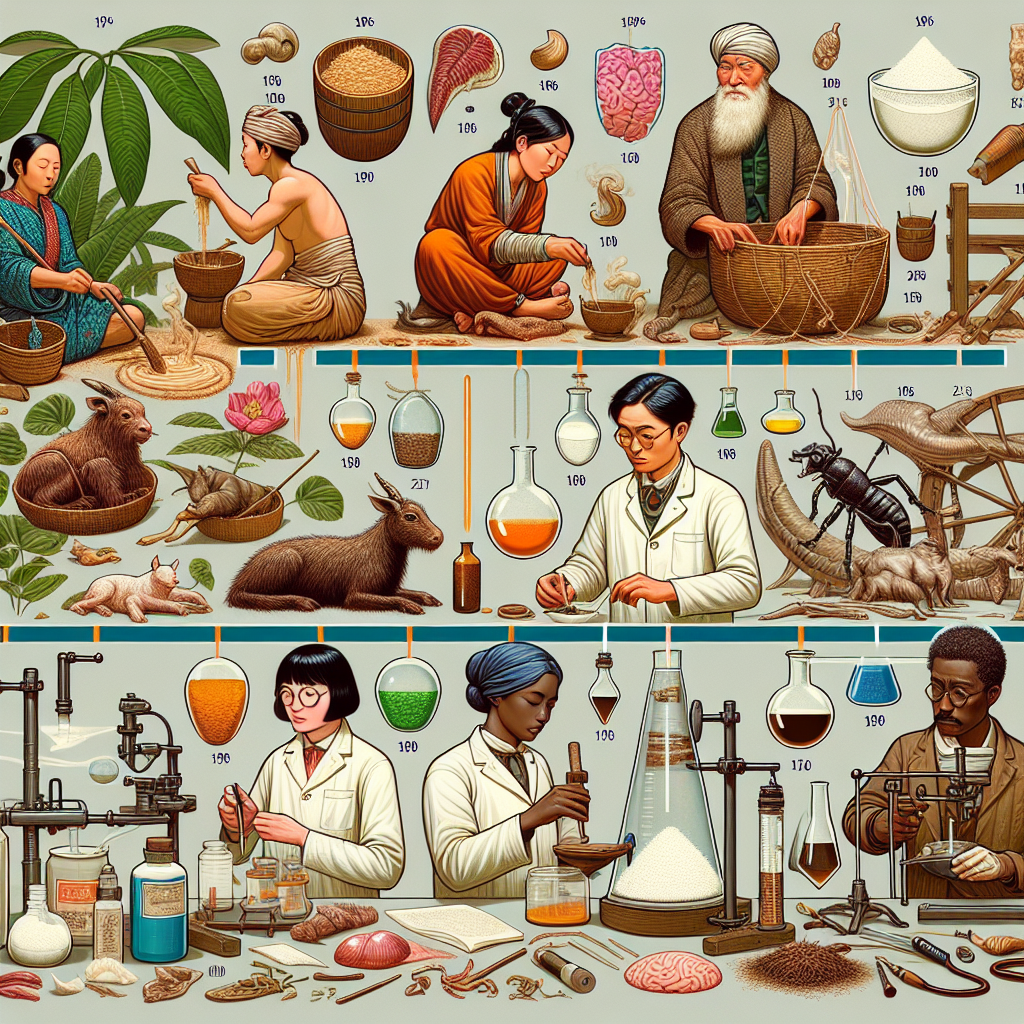
The evolution of adhesives is an intriguing journey that mirrors human innovation and creativity. Adhesives, the substances used to bond materials together, have been a part of human history for thousands of years. From the earliest natural glues discovered in prehistoric times to the sophisticated bonding agents of today’s high-tech industries, adhesives have played a vital role in the advancement of civilization. This comprehensive overview explores the fascinating history of adhesives, highlighting significant milestones and developments that have shaped the modern world. Whether used in daily household applications or in critical industrial processes, adhesives have consistently demonstrated their indispensable value, making them a cornerstone of modern technology and craftsmanship. In this article, we will delve into the origins of natural glues, examine the breakthroughs in adhesive technology, and discuss the cutting-edge innovations that continue to drive the industry forward.
The Origins of Natural Glues
The earliest forms of adhesives can be traced back to prehistoric times when natural substances were utilized for their bonding properties. Archaeological evidence suggests that as far back as 200,000 years ago, early humans used tree resins, animal hides, and vegetable gums to create rudimentary glues. These natural adhesives were crucial for constructing tools, weapons, and shelters, providing early humans with a significant advantage in their quest for survival.
Tree resins, such as pine pitch, were among the most commonly used natural adhesives. They were harvested by tapping trees and then processed through heating to create a sticky, pliable substance that could be applied to various surfaces. Similarly, animal-derived adhesives, like hide glue, were made by boiling animal skins and bones to extract collagen, which formed a gelatinous adhesive when cooled. These natural glues were not only effective but also readily available and relatively easy to produce.
Advancements in Ancient Civilizations
As civilizations evolved, so did the methods and materials used to create adhesives. Ancient Egyptians, Greeks, and Romans made significant strides in adhesive technology, utilizing more sophisticated techniques and ingredients. For example, the Egyptians used a mixture of gelatin and clay to construct elaborate works of art and architecture, such as the intricate wooden furniture found in tombs. They also employed beeswax and bitumen for various applications, showcasing their ingenuity and resourcefulness.
The Greeks and Romans further advanced adhesive technology by experimenting with different organic and inorganic substances. Notably, the Romans are credited with developing the first forms of cement and mortar, which were used to build their iconic aqueducts, bridges, and buildings. These early cements were made from lime and volcanic ash, creating a durable and long-lasting bond that remains a testament to ancient engineering prowess.

Medieval Innovations and the Renaissance
The Middle Ages and Renaissance periods saw continued innovation in adhesive technology, driven by the growing demands of art, craftsmanship, and trade. During this era, new adhesive formulations were developed to meet the needs of various applications, from bookbinding to woodworking.
One notable advancement was the use of casein-based glues, derived from milk protein. Casein glues were valued for their strong bonding capabilities and were commonly used in woodworking and furniture making. The Renaissance period also saw the rise of animal-based glues, which were refined and adapted for use in art restoration, particularly in the preservation of paintings and manuscripts.
The Industrial Revolution and Synthetic Adhesives
The Industrial Revolution marked a turning point in adhesive development, as the rapid growth of industry and manufacturing created the need for stronger, more reliable bonding agents. This period saw the introduction of synthetic adhesives, which were created through chemical processes rather than the traditional natural sources.
One of the earliest synthetic adhesives was rubber cement, developed in the mid-19th century. Made from natural rubber dissolved in a solvent, rubber cement provided a flexible yet strong bond suitable for a variety of industrial applications. Another significant development was the creation of phenol-formaldehyde resin (Bakelite) by Belgian chemist Leo Baekeland in 1907. Bakelite became the first commercially produced synthetic plastic, revolutionizing the adhesive industry and paving the way for modern thermosetting resins.
Modern Innovations and High-Tech Bonding
The 20th and 21st centuries have witnessed exponential advancements in adhesive technology, driven by the demands of high-tech industries such as aerospace, automotive, and electronics. Today’s adhesives are engineered to meet specific performance criteria, offering unparalleled strength, durability, and versatility.
One of the most significant innovations in modern adhesives is the development of epoxy resins. Known for their exceptional bonding strength and resistance to environmental factors, epoxy adhesives are used in a wide range of applications, from casting and laminating to structural repairs and aerospace components. Similarly, polyurethane adhesives have gained popularity for their strong bonding properties and flexibility, making them ideal for applications such as automotive assembly and construction.
The Future of Adhesive Technology
Looking ahead, the future of adhesive technology is poised for further innovation, driven by the ongoing pursuit of sustainability, efficiency, and performance. Researchers are exploring new materials and methods to create adhesives that are both environmentally friendly and capable of meeting the demands of modern industries.
One promising area of development is the use of bio-based adhesives, which are derived from renewable sources such as plants and algae. These adhesives aim to reduce the environmental impact associated with traditional synthetic adhesives while offering comparable performance and reliability. Additionally, advancements in nanotechnology are enabling the creation of adhesives with enhanced properties, such as self-healing capabilities and improved conductivity, opening new possibilities for their application in cutting-edge technologies.
Conclusion
The history of adhesives is a testament to human ingenuity and the relentless pursuit of innovation. From the rudimentary natural glues used by prehistoric humans to the sophisticated high-tech bonding agents of today, adhesives have continuously evolved to meet the ever-changing needs of society. As we move forward, the adhesive industry will undoubtedly continue to play a pivotal role in shaping the future of technology, construction, and manufacturing.
Understanding the history and development of adhesives provides valuable insights into the broader narrative of human progress and the importance of innovation in advancing civilization. As we explore new materials and techniques, the possibilities for adhesive technology are boundless, promising exciting advancements and applications that will further enhance our ability to connect and create.