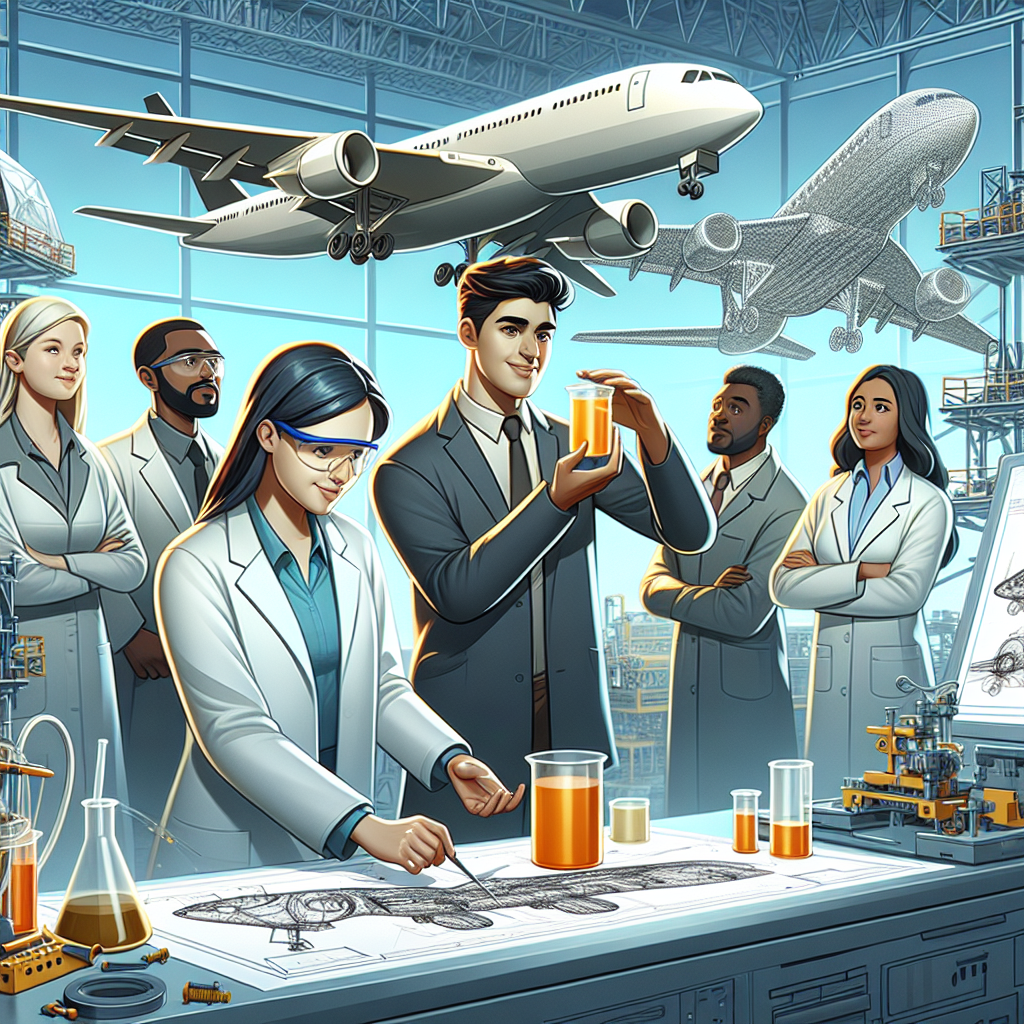
In the expansive world of polymer science, thermosetting polymers hold a unique and advantageous position. These materials undergo irreversible curing processes, resulting in rigid, cross-linked structures that provide resilience, durability, and resistance to deformation. Thermosetting polymers are essential in various industries, including automotive, aerospace, electronics, and construction, due to their exceptional material properties.
Polymers, in general, are composed of long, repeating chains of smaller units called monomers. In the case of thermosetting polymers, these chains are chemically bonded to form a three-dimensional network. This cross-linking process happens during the polymer’s curing stage, through heat or chemical reactions, creating a final product that does not melt or reshape when exposed to high temperatures. These distinctive characteristics make thermosetting polymers particularly valuable for applications requiring long-lasting, heat-resistant materials.
A deeper dive into the types of thermosetting polymers reveals a world filled with diverse substances, each with tailored functionalities for specific uses. From the ubiquitous epoxy resins to phenolic resins used in molding compounds and the high-performance polyimides employed in aviation, the scope and utility of thermosetting polymers are expansive. By exploring these types, advantages, limitations, and particular use cases, a comprehensive understanding of their significance in modern manufacturing and engineering can be achieved.
Types of Thermosetting Polymers
Thermosetting polymers come in various types, each characterized by its unique chemical structure and properties. The most widely recognized types include epoxy resins, phenolic resins, melamine formaldehyde, urea-formaldehyde, polyester resins, and polyimides. Understanding these variations helps in selecting the right material for specific industry applications.
Epoxy Resins: Among the most versatile, epoxy resins are known for their excellent adhesion, chemical resistance, and mechanical properties. They are widely used in coatings, adhesives, and composite materials.
Phenolic Resins: These resins are known for their high heat resistance and are used in applications requiring fire resistance and thermal stability, such as electrical insulators and brake linings.
Melamine Formaldehyde: With superior fire retardance and hardness, melamine formaldehyde is extensively used in laminates, kitchenware, and surface coatings.
Urea-Formaldehyde: Known for their high tensile strength and versatility, urea-formaldehyde resins are primarily used in adhesives, finishes, and molding compounds.
Polyester Resins: These resins offer excellent mechanical, electrical, and chemical properties, making them ideal for creating glass-fiber reinforced plastics and surface coatings.
Polyimides: Characterized by their extraordinary thermal stability, polyimides are used in high-performance applications such as aerospace components and electronics.
The Advantages of Thermosetting Polymers
The utilization of thermosetting polymers is driven by several innate advantages, which are well-aligned with the demands of various industrial applications. One of the most significant benefits is their structural integrity. Unlike thermoplastics, thermosetting polymers do not soften or melt upon reheating, providing stability and durability under high-temperature conditions.
Another advantage lies in their exceptional mechanical properties. Thermosetting polymers exhibit high tensile and compressive strength, making them reliable materials for demanding applications. Their resistance to deformation and creep ensures long-lasting performance even under constant stress and load.
Thermosetting polymers also offer excellent chemical resistance. This property is crucial for applications exposed to harsh chemicals and environmental factors. From chemical plants to protective coatings, these materials prevent the degradation often seen with other polymers.
Additionally, the electrical properties of certain thermosetting polymers make them suitable for electronic applications. They provide insulation and stability in the face of electrical currents, which is vital for ensuring the longevity and safety of electronic devices.
Applications of Thermosetting Polymers
Given the advantageous properties of thermosetting polymers, their applications are vast and varied. In the automotive industry, these polymers are used to manufacture parts that require high heat resistance and structural integrity, such as engine components and bumpers. This usage not only enhances the vehicle’s performance but also improves safety and longevity.
The aerospace industry relies heavily on thermosetting polymers, especially epoxy resins and polyimides, for manufacturing aircraft components. The high thermal stability and strength-to-weight ratio of these materials make them ideal for aerospace applications, where stringent performance criteria must be met.
In the electronics industry, thermosetting polymers serve as encapsulants and insulating materials. They protect sensitive electronic components from moisture, dust, and chemical exposure, ensuring reliable and long-lasting performance. Epoxy resins, in particular, are widely used in printed circuit boards and electrical insulators.
Thermosetting polymers also play a crucial role in the construction industry. Materials like melamine formaldehyde are used in laminates and surface coatings for their hardness and fire retardance. Urea-formaldehyde is commonly found in adhesives, providing strong bonds in plywood and particleboard production.
Challenges and Limitations of Thermosetting Polymers
While thermosetting polymers offer numerous advantages, they are not without challenges and limitations. One of the primary disadvantages is the difficulty in recycling. Due to their cross-linked structure, thermosetting polymers cannot be remelted or reshaped, posing environmental concerns. This lack of reprocessability necessitates careful management of waste and promotes the development of more sustainable alternatives.
The curing process of thermosetting polymers also poses challenges. It typically requires precise conditions and time, which can add complexity to the manufacturing process. Incorrect curing can result in defective products with compromised mechanical properties, making quality control a critical aspect of their production.
Another limitation is the brittleness of some thermosetting polymers, such as phenolic resins. While they offer excellent thermal and chemical resistance, their lack of flexibility can be a drawback in applications where impact resistance is crucial. To address this, material scientists continually work on improving the formulations and blending thermosetting polymers with other materials to enhance their properties.
Despite these challenges, the continuous advancement in polymer technology holds promise for overcoming these limitations, making thermosetting polymers even more versatile and sustainable in the future.
Future Trends in Thermosetting Polymers
The future of thermosetting polymers is marked by ongoing research and innovation aimed at enhancing their performance and sustainability. One significant trend is the development of bio-based thermosetting polymers. This approach seeks to reduce dependence on petrochemicals and mitigate environmental impact by sourcing raw materials from renewable resources such as plant oils and lignin.
Advancements in nanotechnology are also influencing the evolution of thermosetting polymers. The incorporation of nanoparticles can significantly enhance mechanical, thermal, and electrical properties. For example, carbon nanotubes and graphene are being integrated into epoxy resins to create materials with superior strength and conductivity.
Another promising trend is the development of smart thermosetting polymers. These materials possess the ability to respond to external stimuli such as temperature, light, and pH changes. Applications for smart polymers include self-healing materials and adaptive composites that can change properties based on environmental conditions.
Sustainability efforts are driving research into recyclability and reprocessability. Innovative methods, such as chemical recycling and the use of reversible cross-linking mechanisms, are being explored to enable the re-use of thermosetting polymers. These advancements aim to create a more circular economy within the polymer industry.
Conclusion: The Critical Role of Thermosetting Polymers
Thermosetting polymers have undeniably revolutionized numerous industries with their robust and durable properties. These polymers’ ability to maintain integrity under high temperatures and resist chemical degradation makes them indispensable in applications ranging from automotive and aerospace to electronics and construction.
Despite facing challenges like recyclability and curing complexities, the continued advancements in polymer science promise innovative solutions to these issues. The emergence of bio-based polymers, nanotechnology-enhanced materials, and smart polymers highlight the ongoing evolution in this field.
As research and development efforts continue to enhance the performance and sustainability of thermosetting polymers, their importance and utility are likely to expand even further. Leveraging these advanced materials can lead to the creation of safer, more efficient, and environmentally friendly products across numerous sectors.
In conclusion, thermosetting polymers represent a critical frontier in material science, offering unmatched benefits and holding tremendous potential for future innovation. By understanding their types, advantages, applications, and trends, industries can better harness these materials’ capabilities, driving progress and sustainability in the modern world.