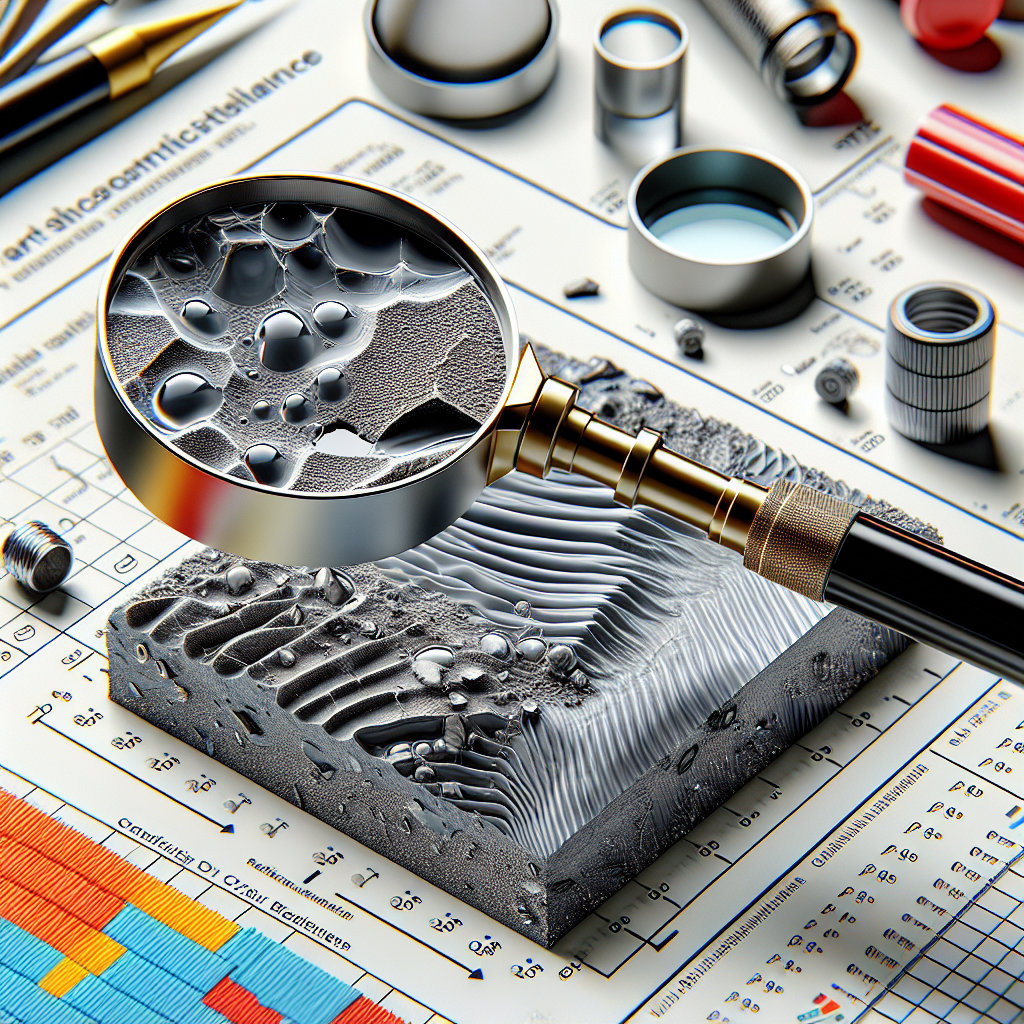
The polymer industry has significantly evolved over the past few decades, offering a plethora of materials with diverse properties, particularly focusing on wear resistance. Wear resistance is critical in applications where materials are subjected to mechanical stress, impacts, and repeated usage. Polymers have become an integral part of various industries, including automotive, aerospace, electronics, and even healthcare, due to their lightweight nature, versatility, and resilience to wear.
The demand for high-performance materials has driven extensive research and development in polymer science. Understanding the wear resistance of polymer materials is essential to optimize their performance, extend their lifespan, and reduce maintenance costs in industrial applications. This article takes a comprehensive look at wear resistance in polymers, exploring the science behind it, different material types, performance characteristics, and real-world applications.
The Science Behind Wear Resistance in Polymers
Wear resistance refers to a material’s ability to withstand the gradual removal of its surface material through mechanical action, such as friction or abrasion. Several factors influence the wear resistance of polymers, including molecular structure, crystallinity, thermal stability, and the presence of fillers or reinforcing agents.
Polymers with high molecular weight tend to exhibit better wear resistance due to stronger intermolecular forces. The degree of crystallinity within a polymer also plays a vital role. Crystalline regions within a polymer matrix provide hard segments that resist deformation and abrasion, enhancing wear resistance. Additionally, thermal stability is crucial because polymers that maintain their structural integrity at elevated temperatures are less prone to wear and tear.
The incorporation of fillers and reinforcing agents, such as carbon fibers, glass fibers, or nanoparticles, can drastically improve the wear resistance of polymers. These additives provide additional strength and reduce the coefficient of friction, resulting in slower wear rates. By optimizing these factors, polymer scientists can tailor materials to meet the specific wear resistance requirements of different applications.
Common Wear-Resistant Polymers
Several types of polymers are renowned for their impressive wear resistance. These include Polytetrafluoroethylene (PTFE), Ultra-High-Molecular-Weight Polyethylene (UHMWPE), Polyoxymethylene (POM), and Polyetheretherketone (PEEK).
PTFE, commonly known as Teflon, is famous for its extremely low coefficient of friction and excellent wear resistance. It is widely used in non-stick coatings, bearings, and sliding components. UHMWPE boasts excellent wear resistance and impact strength, making it ideal for applications in orthopedic implants and conveyor belts.
POM, also known as Acetal, is a high-performance engineering polymer with outstanding dimensional stability and wear resistance. It is commonly used in precision gears, bearings, and fasteners. PEEK, on the other hand, offers exceptional mechanical properties, thermal stability, and chemical resistance. Its impressive wear resistance makes it suitable for demanding applications in the aerospace and automotive industries.
Understanding the unique properties of these polymers allows engineers and designers to select the right material for specific applications, ensuring optimal performance and longevity.
Testing and Measuring Wear Resistance
Accurate testing and measurement of wear resistance are crucial for evaluating the performance of polymer materials. Several standardized testing methods are employed to assess wear resistance, including the pin-on-disk test, the block-on-ring test, and the reciprocating wear test.
The pin-on-disk test involves pressing a stationary pin against a rotating disk made of the polymer material being tested. The amount of wear on the pin and the disk is measured over a specified period, providing valuable data on wear rates and friction coefficients. This test is particularly useful for evaluating sliding wear resistance.
The block-on-ring test measures wear resistance under conditions of rolling contact. A polymer block is pressed against a rotating ring, simulating conditions similar to those found in bearings and gears. The wear volume is measured to determine the material’s ability to withstand rolling contact wear.
The reciprocating wear test assesses the wear resistance of polymers under oscillating motion. A polymer sample is subjected to back-and-forth linear movement against a counter surface, such as a metal or ceramic. The wear tracks formed on the polymer sample are analyzed to evaluate wear resistance.
These testing methods provide valuable insights into the durability and performance of polymer materials, helping engineers make informed decisions when selecting materials for specific applications.
Factors Affecting Wear Resistance
Several factors can influence the wear resistance of polymer materials. Understanding these factors is essential for optimizing material performance and ensuring long-term durability.
- Load: The applied load can significantly impact wear resistance. Higher loads can increase wear rates, especially if the polymer material is not adequately reinforced or stabilized. Proper load management is crucial to minimize wear and extend the lifespan of polymer components.
- Speed: The speed at which two surfaces move relative to each other can also affect wear resistance. Higher speeds can generate more frictional heat, potentially compromising the material’s integrity and increasing wear rates.
- Temperature: Elevated temperatures can soften polymer materials, reducing their wear resistance. Polymers with higher thermal stability are better equipped to maintain their wear resistance under extreme conditions.
- Lubrication: Proper lubrication can significantly reduce wear by minimizing friction between contacting surfaces. Lubricants form a protective film that reduces direct contact and wear, extending the life of polymer components.
- Material Compatibility: Compatibility between the polymer material and the counter surface is crucial. Mismatched materials can result in excessive wear and damage. Engineers must carefully select compatible materials to optimize wear resistance.
Applications of Wear-Resistant Polymers
Wear-resistant polymers find applications across a wide range of industries due to their exceptional durability and performance. Let’s explore some key applications:
- Automotive: Wear-resistant polymers are used in automotive components such as bearings, bushings, and seals, where they provide low friction and long-lasting performance.
- Aerospace: In the aerospace industry, wear-resistant polymers are utilized in critical components like gears, fasteners, and sliding surfaces, ensuring reliability and reducing maintenance requirements.
- Electronics: Wear-resistant polymers are used in electronic devices for components such as connectors, switches, and housings, where durability and reliability are essential.
- Healthcare: Polymers with high wear resistance are employed in medical devices, such as hip and knee implants, ensuring longevity and reducing the need for frequent replacements.
- Industrial Machinery: Wear-resistant polymers are vital in industrial machinery, where they contribute to the longevity of conveyor belts, gears, and other moving parts subjected to repeated use.
The Future of Wear-Resistant Polymers
The future of wear-resistant polymers is promising, driven by ongoing advancements in material science and technology. Researchers are continually exploring new polymer formulations, additives, and manufacturing techniques to enhance wear resistance further.
One area of focus is the development of self-lubricating polymers. These materials contain lubricating agents dispersed throughout the polymer matrix, reducing the need for external lubrication and minimizing wear. Self-lubricating polymers offer significant advantages in applications where maintenance is challenging or impossible.
Another exciting development is the use of advanced manufacturing techniques such as 3D printing. 3D printing allows for precise control over the material structure, enabling the creation of wear-resistant components with complex geometries and tailored properties. This technology opens up new possibilities for custom-designed wear-resistant polymers in various industries.
Furthermore, sustainable and eco-friendly wear-resistant polymers are gaining traction. Researchers are exploring biodegradable and bio-based polymers that offer excellent wear resistance while reducing environmental impact. These materials align with the growing demand for sustainable solutions in various industries.
As technology and research continue to evolve, wear-resistant polymers will play a pivotal role in advancing industries by providing durable, reliable, and sustainable materials for a wide range of applications.
Conclusion
In conclusion, the wear resistance of polymer materials is a critical factor in determining their performance and longevity in various applications. Understanding the science behind wear resistance, exploring common wear-resistant polymers, and recognizing the factors that influence wear resistance are essential for optimizing material selection and design.
Accurate testing and measurement methods, coupled with ongoing research and advancements in polymer science, are driving the development of innovative wear-resistant polymers. These materials find applications in industries such as automotive, aerospace, electronics, healthcare, and industrial machinery, where durability and reliability are paramount.
The future of wear-resistant polymers holds exciting possibilities, from self-lubricating materials to 3D-printed components and sustainable solutions. As technology continues to evolve, wear-resistant polymers will play a crucial role in shaping the future of various industries, providing high-performance materials that meet the demands of modern applications.
By staying informed about the latest developments in wear-resistant polymers and leveraging their unique properties, engineers, designers, and manufacturers can create cutting-edge solutions that deliver exceptional performance and longevity.