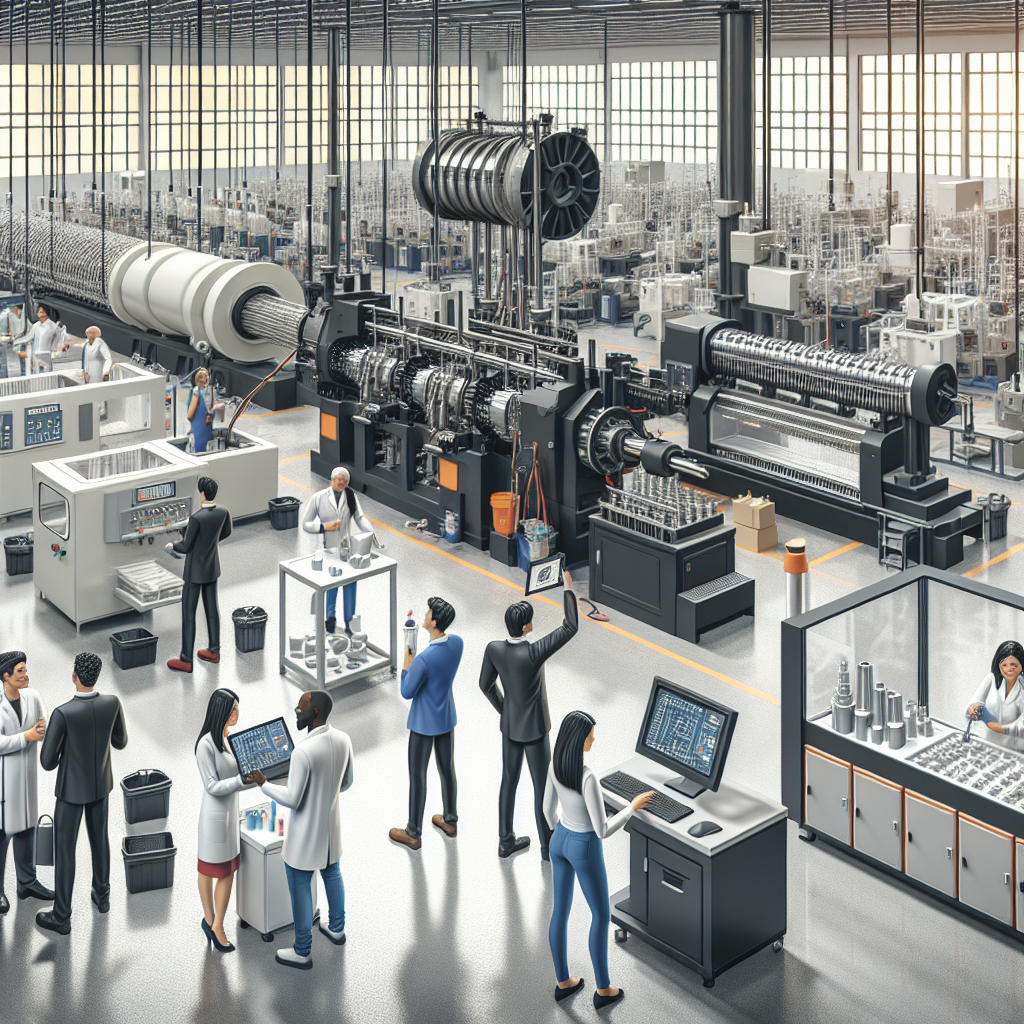
In recent years, the advent of biopolymer technology has captivated the attention of scientists, environmentalists, and industry leaders alike. As the global demand for sustainable and environmentally friendly materials surges, biopolymers present an intriguing alternative to traditional petroleum-based plastics. These materials, derived from biological sources, are celebrated for their biodegradability and reduced environmental impact. With technological advancements and increased awareness of ecological conservation, the horizon of biopolymer technology continues to expand. In this comprehensive exploration, we delve into the current landscape, potential trajectories, and future trends in biopolymer technology. Our analysis will not only highlight the innovations and applications but also assess the challenges that may influence the evolution of biopolymer technology. By examining the intersection of science, industry, and environmental stewardship, this article will provide a thorough understanding of the future of biopolymers.
The Current Landscape of Biopolymer Technology
As of today, biopolymer technology stands at the crossroads of innovation and necessity. Amidst a backdrop of climate change and an increasing emphasis on sustainable practices, the appeal of biopolymers is unmistakable. The current landscape is characterized by diversity in material types and applications. Primarily, biopolymers are categorized into two groups: natural and synthetic. Natural biopolymers, such as cellulose, chitosan, and starch, have been employed for centuries, but the recent focus has shifted to synthetic biopolymers like polylactic acid (PLA) and polyhydroxyalkanoates (PHA). These engineered solutions offer enhanced performance characteristics and biodegradability, catering to a broader range of industrial applications.
Currently, the most significant sectors utilizing biopolymers are packaging, automotive, agriculture, and biomedical industries. Packaging, being the largest market, benefits from the improved mechanical properties and environmental compatibility of bioplastics. Biopolymer-based packaging offers a viable solution to the pervasive issue of plastic waste. In the automotive sector, biopolymers are leveraged for their light-weight properties, aiding in fuel efficiency. Agricultural applications include biodegradable mulches and controlled-release fertilizer systems. Meanwhile, biomedical uses extend to drug delivery systems and tissue engineering scaffolds due to biocompatibility and non-toxic degradation.
The Imperative of Sustainability
Central to the momentum behind biopolymer technology is the push for sustainability. The pervasive use of synthetic plastics has led to ecological concerns, primarily the pollution of oceans and ecosystems. Biopolymers offer a compelling solution by providing materials that minimize waste and lower carbon footprints. The transition towards these sustainable alternatives aligns with global environmental goals, such as the United Nations’ Sustainable Development Goals, which emphasize responsible consumption and production.
The life cycle assessment of biopolymers reveals a drastically lower environmental impact compared to conventional plastics. Renewable sourcing reduces reliance on fossil fuels, while biodegradability ensures that post-consumer waste does not persist in landfills for centuries. However, the sustainability aspect is not without challenges, as the production and disposal processes must be optimized to realize true ecological benefits. Innovations in energy efficiency during production, and effective biodegradation under natural conditions, are critical for the sustained viability of these materials.
Innovations Driving the Future
Looking to the future, several cutting-edge innovations are driving the evolution of biopolymer technology. One of the paramount trends is the development of smart biopolymers. These materials possess adaptive properties that respond to environmental stimuli such as temperature, pH, or moisture. Smart biopolymers have potential applications in advanced medical devices, smart packaging, and responsive agricultural systems. For instance, in medicine, smart biopolymers can facilitate controlled drug release, optimizing therapeutic efficacy while minimizing side effects.
Another exciting trend is the integration of nanotechnology with biopolymers, leading to enhanced material properties. Nano-bio composites, whereby biopolymers are reinforced with nanoparticles, offer superior strength, barrier properties, and thermal stability. Such improvements could significantly expand the application scope, allowing biopolymers to compete with high-performance synthetic plastics in demanding applications.
Additionally, advancements in genetic engineering and synthetic biology present opportunities to synthesize bespoke biopolymers with tailored characteristics. By manipulating microbial pathways or programming new synthetic genes, researchers can produce biopolymers with specific functionalities, increasing their application potential. This precision engineering not only optimizes material properties but also reduces production costs, making biopolymers economically viable.
Economic and Regulatory Challenges
Despite the potential, the path to widespread adoption and integration of biopolymers is fraught with economic and regulatory hurdles. Currently, the production costs of biopolymers are higher than those of conventional plastics, largely due to feedstock prices and production scalability. To overcome this, continuous research and development, coupled with investments in efficient production technologies, are essential.
Regulatory frameworks also play a crucial role in shaping the trajectory of biopolymer technology. Governments worldwide are increasingly implementing policies to restrict plastic waste, providing incentives for the adoption of biopolymers. However, the lack of standardized definitions and benchmarks for biodegradability poses challenges in market labeling and consumer trust. Streamlining regulations and establishing global standards will be pivotal in fostering the growth of biopolymer markets.
Market Dynamics and Consumer Perceptions
The future of biopolymer technology is intrinsically linked to market dynamics and consumer perceptions. As awareness regarding environmental sustainability rises, consumer demand for biopolymer products is expected to grow. Marketers and manufacturers must strategically position biopolymer products, emphasizing their ecological advantages and performance benefits. Education and transparency are critical in transforming consumer behavior and ensuring widespread acceptance.
From a market perspective, collaboration across sectors is driving innovation. Cross-disciplinary partnerships are forming, with industries pooling resources and expertise to advance biopolymer technology. These collaborations extend to academic institutions, fostering research that bridges theoretical studies and practical, scalable solutions. As such alliances proliferate, the commercialization of novel biopolymers will likely accelerate, predicting a promising outlook for stakeholders involved.
Environmental Impact and Biodegradability
The cornerstone of biopolymer technology’s future success is its environmental impact, particularly its biodegradability. Engineering biopolymers with enhanced biodegradability ensures the reduction of persistent environmental waste. Ongoing research examines enzymatic breakdown mechanisms and microbial interactions that promote efficient degradation. The role of composting facilities, industrial decomposition, and natural ecosystems in this process is extensively studied to understand and promote optimal conditions.
However, ensuring complete and rapid biodegradability remains an aspirational goal. Some biopolymers require specific conditions to decompose effectively, which presents logistical challenges in waste management. Addressing these constraints will involve innovations in polymer formulation and infrastructure development, ensuring that biopolymers fulfill their environmental promise in diverse conditions, including marine and terrestrial ecosystems.
Conclusion
The journey of biopolymer technology, from its nascent stages to a promising future, is marked by innovation, challenges, and potential breakthroughs. As industries grapple with the ramifications of environmental degradation, the task of integrating sustainable materials becomes increasingly urgent. Therefore, biopolymers stand poised to transform a multitude of sectors, offering an alternative that aligns with both ecological imperatives and consumer expectations.
In looking forward, the continued advancement of biopolymer technology will hinge upon several key factors. Foremost among these are technological innovation, regulatory alignment, and economic viability. Breakthroughs in smart and nano-biopolymers, coupled with precision genetic engineering, are foreseen as catalysts in expanding the boundaries of application and performance. Harmonizing global regulatory frameworks will mitigate marketplace confusion and foster trust and transparency among consumers. Moreover, competitive pricing models will enhance the accessibility and adoption of biopolymers across industries and geographies.
The gradual acceptance and escalation of biopolymer use will yield a tangible decrease in environmental pollution, contributing to a circular economy. Industries that invest in, and adapt to, biopolymer technologies now will position themselves advantageously in what promises to be a future where sustainability is paramount. As conscientious stakeholders collaboratively drive this technology forward, biopolymers hold the potential to redefine material science for generations to come, heralding a new era of ecological unity and industrial ingenuity. With dedication, innovation, and cooperation, the trajectory of biopolymer technology will continue to align with the progression towards a more sustainable planet, emboldening hope for a green and resilient future.