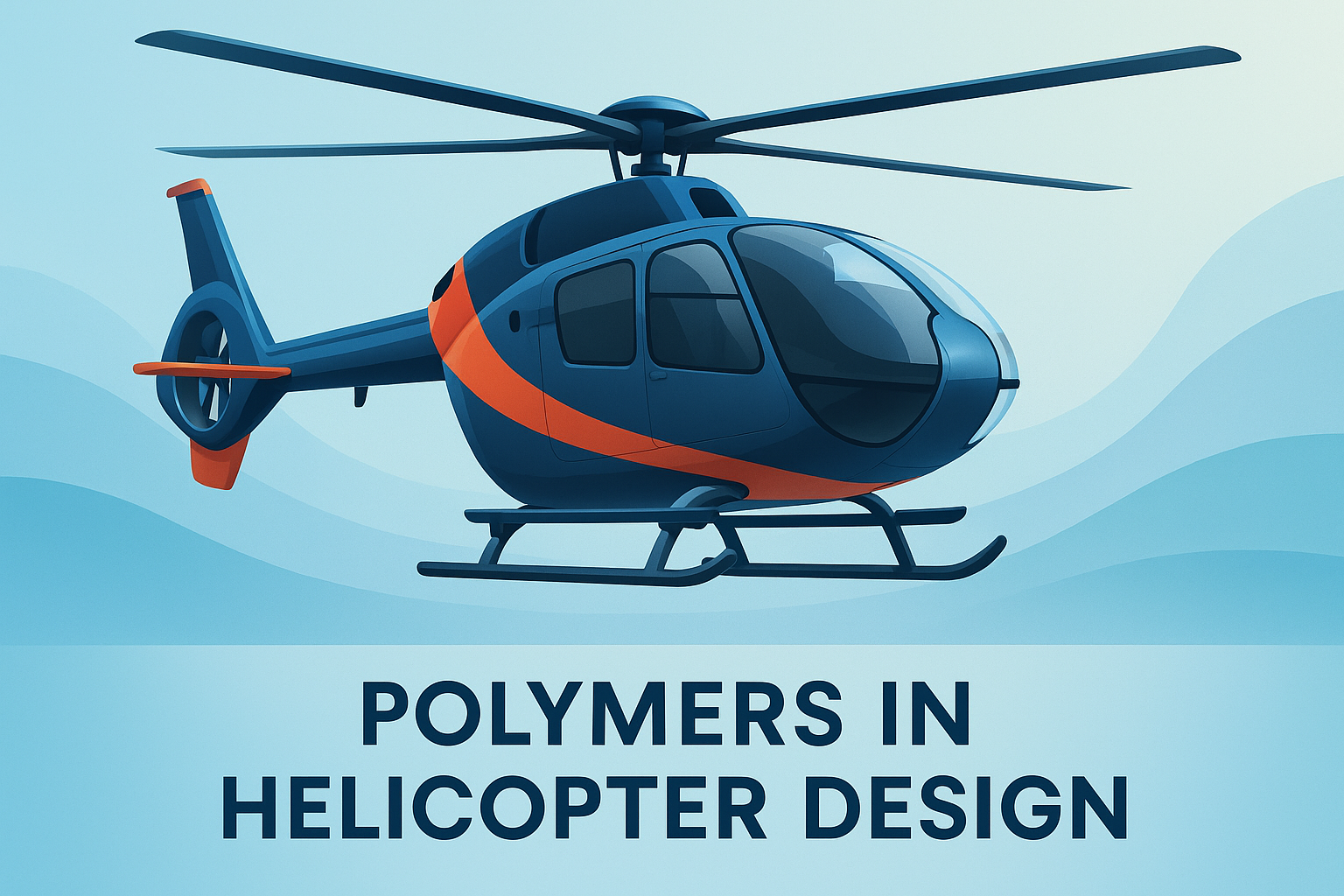
Helicopters have long been pivotal machines in modern transportation and logistics. With their ability to take off and land vertically, hover in place, and fly forwards, backwards, or laterally, helicopters offer unique advantages over fixed-wing aircraft. However, the demands of helicopter performance are immense, calling for materials that are not only strong and lightweight but also resilient to environmental stressors. Enter high-performance polymers, a class of advanced materials that is proving essential in modern helicopter design.
High-performance polymers are engineered plastic materials that exhibit exceptional thermal stability, mechanical strength, chemical resistance, and low density. These polymers also commonly feature enhanced impact resistance and reduced wear, making them ideal for demanding aerospace applications. With the advent of these polymers, helicopter manufacturers are witnessing unprecedented advancements in efficiency, safety, and performance. But why is this significant?
The significance of high-performance polymers lies in their unparalleled ability to enhance helicopter performance while optimizing fuel efficiency and decreasing environmental impact. As the aerospace industry becomes increasingly focused on sustainability and operational efficiency, the strategic application of these materials can indeed revolutionize how helicopters are designed, manufactured, and utilized. Let’s delve deeper into their specific applications and discover why high-performance polymers are transforming the face of modern helicopter design.
Structural Components: Enhancing Weight-to-Strength Ratio
One of the main challenges in helicopter design is achieving an optimal weight-to-strength ratio. The heavier an aircraft, the more energy it consumes, which in turn affects its operational cost and environmental impact. High-performance polymers have become instrumental in addressing this challenge. For instance, Carbon Fiber Reinforced Polymers (CFRPs) combine carbon fibers with a polymer matrix to provide strength equivalent to traditional metals while significantly reducing weight.
An example of CFRPs in action is the rotor blades of helicopters. Traditionally made from metals, rotor blades are now increasingly being crafted from CFRPs, which not only cut down on weight but also offer superior fatigue resistance and vibration damping. This change decreases the dynamic load on the helicopter’s mechanical structure, enhancing lifespan and reliability while conserving fuel.
Interior Furnishings: Optimizing Passenger Comfort and Safety
Beyond the structural components, high-performance polymers are also making a difference in the internal architecture of helicopters. Seating, interior panels, and other cabin components are manufactured from advanced polymers such as polyetheretherketone (PEEK) and polyphenylene sulfide (PPS). These materials are known for their flame retardance, thermal stability, and minimal off-gassing, ensuring passenger safety and comfort.
- Flame retardance: Enhanced safety in case of fire-related incidents
- Thermal stability: Ability to withstand extreme temperatures
- Minimal off-gassing: Ensuring air quality and passenger comfort
For example, as helicopter cabins increasingly cater to VIP configurations, the use of aesthetically pleasing yet robust polymers allows for state-of-the-art interiors that are both functional and luxurious. The flexibility of these polymers ensures that manufacturers can offer customizable, lightweight, and safe cabin solutions.
Fuel Systems: Resistance to Chemical Degradation
The fuel system of a helicopter is another critical area where high-performance polymers are making a tremendous impact. Components such as fuel tanks, fuel lines, and valves need to withstand exposure to aggressive chemicals without degradation. Polymers like polyimide (PI) and PEEK are utilized in these components due to their excellent chemical resistance and ability to operate over a wide temperature range.
For instance, consider the fuel tank, a crucial part of the helicopter’s fuel system. Traditionally made from metal alloys, these are now increasingly being constructed from advanced polymers, which significantly reduce weight while retaining strength and reliability. This switch not only results in improved fuel economy but also extends the life cycle of the components due to their superior resistance to corrosion and chemical attacks.
Noise Reduction: Mitigating Acoustic Emissions
In the pursuit of reducing noise pollution, high-performance polymers are proving their worth again. The inherent damping qualities of polymers make them excellent candidates for noise reduction applications. Composite materials embedded with viscoelastic polymer layers are utilized in everything from engine mounts to fuselage panels to absorb and dampen vibrational energy.
The Sikorsky S-92 helicopter is a marvel that integrates advanced polymers to lower cabin noise levels. By embedding noise-dampening polymers into the interior components, vibrations and noise can be significantly reduced, offering quieter and more comfortable flights. This development not only enhances passenger experience but also complies with stringent noise regulations set by aviation authorities globally.
Environmental Adaptability: Coping with Diverse Conditions
Helicopters often operate in a diverse range of environments—from the scorching deserts to the icy poles. The materials used must, therefore, be able to withstand environmental stressors such as UV radiation, extreme temperatures, and moisture. High-performance polymers provide an excellent solution for these challenges.
A practical example lies within the external coating of helicopters. Polymers like polyimide are excellent candidates for protective coatings due to their high thermal stability and UV resistance. When applied as a surface film, these polymers help mitigate environmental wear and tear, extending the operational life of helicopters and reducing maintenance costs.
| Polymer Type | Application | Benefits |
|---|---|---|
| Carbon Fiber Reinforced Polymer (CFRP) | Rotor blades, structural frames | High strength-to-weight ratio, reduced vibration |
| Polyetheretherketone (PEEK) | Cabin interiors, fuel system components | Flame retardance, chemical resistance |
| Polyimide (PI) | Fuel tanks, protective coatings | Thermal stability, UV resistance |
Summary and Call to Action
In conclusion, high-performance polymers are revolutionizing helicopter design, offering solutions to myriad challenges posed by traditional materials. From optimizing weight-to-strength ratios to enhancing passenger comfort, fuel efficiency, and environmental adaptability, these advanced materials are enabling helicopter manufacturers to push the bounds of design and performance.
The transformative power of high-performance polymers is an indispensable asset for the aerospace industry. As further advancements are made, it is crucial for manufacturers and engineers to remain abreast of emerging technologies and materials that could benefit their operations. Moreover, for purchasers and operators of helicopters, understanding the materials that go into these incredible machines can aid in making more informed decisions based on performance, sustainability, and cost-effectiveness.
If you’re involved in the aerospace industry or even a technology enthusiast eager to explore these advancements, staying informed on high-performance polymer innovations is your next step. By doing so, you ensure that you and your organization make the most informed decisions, leveraging the latest technologies to propel into the future.
Venturing into new territories, balancing sustainability with performance—this is the future of helicopter design facilitated by high-performance polymers.
Frequently Asked Questions
1. What are high-performance polymers, and why are they important in helicopter design?
High-performance polymers are a class of advanced materials known for their exceptional mechanical properties and resistance to environmental stressors. In the context of helicopter design, these polymers are crucial because they offer the perfect balance of strength and lightweight characteristics, which are essential for maintaining optimal performance and efficiency. Helicopters face significant demands due to their unique ability to take off and land vertically, hover, and fly in multiple directions. This versatility requires materials that can withstand significant stress without adding undesirable weight.
Furthermore, high-performance polymers can endure extreme temperatures, resist chemical exposure, and withstand UV radiation, making them an invaluable asset in the diverse operational environments that helicopters encounter. Their resilience also contributes to the longevity and durability of helicopter components, reducing the need for frequent repairs and maintenance.
2. How do high-performance polymers compare to traditional materials used in helicopters?
Traditional materials like metals have been the backbone of helicopter construction for decades. Metals are known for their strength, but they also have significant drawbacks, such as weight and susceptibility to corrosion and fatigue over time. In contrast, high-performance polymers are remarkably lightweight while still providing comparable, if not superior, strength. This weight reduction is a game-changer in helicopter design, as it improves fuel efficiency and increases payload capacity, allowing for longer flights or additional equipment and personnel.
Polymers also offer superior resistance to environmental factors. Unlike metals, they do not corrode, which drastically reduces maintenance requirements and extends the life of the aircraft. Additionally, these polymers can be engineered with specific properties tailored to various parts of the helicopter, optimizing performance for specific functions, such as vibration dampening for quieter operation or improved aerodynamic shapes.
3. In what specific helicopter components are high-performance polymers used, and what benefits do they bring?
High-performance polymers are utilized in a wide range of helicopter components, each leveraging their unique properties to enhance the aircraft’s overall functionality. Some examples include:
- Rotor Blades: These are arguably the most critical components of a helicopter. High-performance polymers provide the necessary strength while keeping the blades lightweight. This not only benefits the lift capacity but also assists in reducing the rotor’s drag, improving the helicopter’s fuel efficiency.
- Fuselage: By using lightweight polymers, the fuselage can be made significantly lighter, which improves the aircraft’s balance and allows for more flexibility in design. The materials’ durability ensures that the fuselage can withstand harsh weather conditions and impacts with minimal deformation.
- Interior Panels and Seating: High-performance polymers contribute to comfortable, safe, and aesthetically pleasing interiors. They are molded into complex shapes needed for modern designs and offer a high degree of flexibility in terms of color and texture.
The benefits these materials bring extend beyond just performance. Their lightweight nature contributes to significant fuel savings, reduced emission levels, and ultimately lower operational costs.
4. What challenges are associated with using high-performance polymers in helicopter design?
Despite their numerous advantages, high-performance polymers do pose some challenges. Perhaps the most significant hurdle is the cost aspect. These materials are generally more expensive than traditional materials due to their complex manufacturing processes and the advanced technologies needed to produce them. This can make the initial investment for incorporating these polymers into helicopter designs relatively high.
Additionally, some high-performance polymers may have a longer production time, as their manufacturing processes involving specific chemical treatments or precision layering take time. Engineers and manufacturers must also consider the polymers’ compatibility with other materials used in helicopter construction to ensure they perform as expected under operational stresses.
Moreover, the repair and recycling processes for polymers are distinct from metals, requiring specialized knowledge and equipment. Although these challenges exist, the long-term benefits of durability, weight savings, and performance enhancements often outweigh the initial hurdles.
5. What is the future outlook for high-performance polymers in helicopter design?
The future of high-performance polymers in helicopter design looks promising. As technology and manufacturing methods advance, it is expected that the cost of producing these materials will decrease, making them more accessible for widespread use across the aviation industry. Research and development continue to push the boundaries, exploring new polymer compositions and structures that offer even greater performance improvements.
The aerospace industry’s focus on sustainability and environmental impact is also driving interest in polymers, as their lightweight nature contributes to reducing fuel consumption and emissions. Furthermore, innovations in recycling processes are emerging, aimed at addressing the end-of-life phase of these materials more efficiently.
As more manufacturers recognize the value of high-performance polymers, we can anticipate their increased integration into new designs, potentially transforming the helicopter landscape with quieter, more efficient, and more eco-friendly aircraft. This trend signifies an exciting era of innovation and advancements that could redefine the capabilities and applications of helicopters in the years to come.