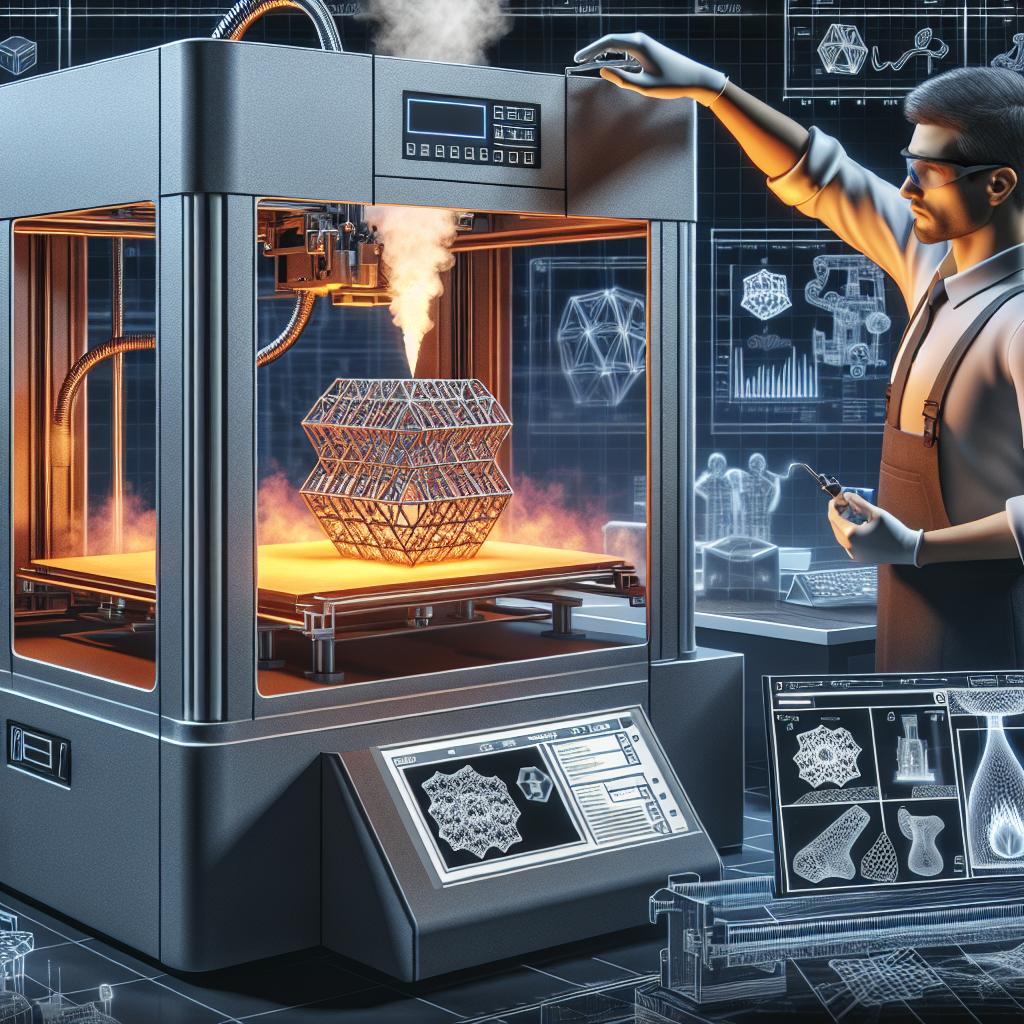
The aerospace industry is notorious for its stringent demands on materials, often requiring them to perform under extreme conditions. One of the modern solutions addressing these rigorous requirements is high-performance thermoplastics. These advanced materials are transforming aerospace engineering, offering unprecedented improvements in weight, strength, and resistance to environmental factors. In this article, we will delve into various types of high-performance thermoplastics used in aerospace applications and explore the unique advantages they offer.
Introduction
In the realm of aerospace engineering, the quest for materials that combine lightweight properties with high strength, resilience, and stability is relentless. Traditional materials like metals and ceramics have their limitations, often falling short when exposed to harsh environments and extreme temperatures. Enter high-performance thermoplastics, a class of polymers that have gained significant attention for their exceptional attributes.
High-performance thermoplastics (HPTPs) are distinct from standard polymers due to their superior mechanical properties and ability to withstand adverse conditions. This makes them ideally suited for critical components in aerospace applications, including structural elements, interior components, and even parts of propulsion systems. HPTPs’ versatility and adaptability are opening up new avenues for innovation in the design and manufacturing of aircraft and spacecraft.
These advanced materials offer a range of benefits that are particularly valuable in aerospace contexts. Their lightweight nature significantly contributes to fuel efficiency, a critical concern in both civil aviation and space exploration. Additionally, their inherent durability and resistance to chemicals and heat make them reliable substitutes for traditional materials. This article aims to provide an in-depth overview of some of the most prominent high-performance thermoplastics and their specific applications in the aerospace sector.
Types of High-Performance Thermoplastics
Polyetheretherketone (PEEK)
PEEK is a prominent member of the high-performance thermoplastics family. Known for its exceptional strength and heat resistance, PEEK is widely used in aerospace applications. This polymer boasts a melting point of approximately 343°C, allowing it to maintain structural integrity at high temperatures. Its low-density nature makes it an attractive alternative to metals, contributing to reduced weight and improved fuel efficiency.
One of the standout properties of PEEK is its resistance to wear and corrosion. This makes it perfect for applications involving friction and exposure to harsh chemicals. In the aerospace industry, PEEK is commonly used in the production of bearings, brackets, and cable insulation. Its ability to withstand radiation also positions it as a key material in space exploration, where durability and reliability are paramount.
Polyphenylene Sulfide (PPS)
Polyphenylene Sulfide (PPS) is another high-performance thermoplastic known for its robustness and versatility. PPS exhibits excellent chemical resistance and dimensional stability, even in high-temperature environments. With a continuous use temperature of around 220°C, PPS is a suitable material for various aerospace applications, particularly those involving electrical and electronic components.
PPS enhances the reliability of components such as connectors, switches, and housings by ensuring they remain stable under fluctuating temperatures and chemical exposure. Its flame retardant properties also add an extra layer of safety, crucial in the aerospace industry where fire-resistant materials are often required. Additionally, PPS’s inherent stiffness and dimensional stability contribute to the manufacturing precision, an essential factor in aerospace engineering.

Polytetrafluoroethylene (PTFE)
Polytetrafluoroethylene (PTFE) is perhaps most famously known by its brand name, Teflon. Its standout characteristic is its exceptionally low coefficient of friction, which makes it an excellent choice for reducing wear in moving parts. PTFE is also highly resistant to heat, with a continuous service temperature range of up to 260°C, and offers fantastic chemical resistance.
In aerospace applications, PTFE is used for its lubricating properties in bearings and seals, reducing the need for maintenance and improving reliability. Its resistance to UV radiation and abrasive chemicals means it can be used in various environmental conditions. PTFE also finds applications in fuel system components and wire insulation, ensuring safe and efficient operation of the aircraft.
Applications in Modern Aerospace Engineering
Structural Components
The use of high-performance thermoplastics in structural components is a game-changer for aerospace engineers. Materials like PEEK and PPS are increasingly integrated into primary and secondary structures of aircraft and spacecraft. These polymers can be molded into complex shapes, providing greater design flexibility and enabling the creation of more efficient, aerodynamic forms.
One significant advantage of using thermoplastics for structural components is the weight reduction they offer. For instance, replacing metal parts with PEEK can lead to weight savings of up to 50%. This reduction in weight translates into better fuel efficiency and reduced operational costs, making them economically viable options. Furthermore, thermoplastics’ resistance to fatigue and impact ensures long-term reliability and safety, crucial in the demanding aerospace environment.
Interior Components
High-performance thermoplastics are also making inroads into the cabin interiors of commercial and military aircraft. Materials such as PPS and PTFE are used for their non-flammability and low-smoke generation characteristics, enhancing passenger and crew safety in the event of an emergency. These polymers are used in seats, overhead compartments, and various other interior fittings.
The ability to mold thermoplastics into intricate shapes allows for innovative cabin designs and improved passenger comfort. Additionally, their sound-damping properties contribute to reducing aircraft noise levels, creating a more pleasant in-flight experience. The durability and easy-to-clean nature of these materials also ensure that the aircraft interior remains in top condition with minimal maintenance, reducing downtime between flights.
Challenges and Future Prospects
Cost Considerations
While high-performance thermoplastics offer a plethora of benefits, their cost can be a limiting factor. These materials are generally more expensive than conventional plastics and metals, primarily due to sophisticated production processes and raw material costs. As a result, their adoption is often restricted to high-value applications where their advantages justify the investment.
However, ongoing research and development aim to reduce the manufacturing costs of these polymers. Advances in production techniques and economies of scale are expected to make high-performance thermoplastics more accessible. Additionally, the long-term cost savings derived from their superior performance characteristics and reduced maintenance requirements can offset the initial investment, making them financially attractive in the long run.
Design and Manufacturing Challenges
The integration of high-performance thermoplastics into aerospace applications comes with its own set of challenges. Designing components that leverage the unique properties of these materials requires a deep understanding of their behavior under different conditions. Factors such as thermal expansion, moisture absorption, and fatigue characteristics must be carefully considered during the design phase.
Manufacturing processes for thermoplastics also differ from those used for traditional materials. Techniques such as injection molding, thermoforming, and thermo-compression are commonly employed. These processes necessitate specialized equipment and expertise, posing a hurdle for aerospace manufacturers looking to adopt these advanced materials. Ongoing collaboration between material scientists, engineers, and manufacturers is essential to overcome these challenges and unlock the full potential of high-performance thermoplastics.
The Road Ahead: Innovations and Advancements
Nanocomposites and Multifunctional Materials
The future of high-performance thermoplastics in aerospace looks promising, driven by ongoing innovations and advancements. One exciting area of research is the development of nanocomposites, which involve embedding nanoparticles into thermoplastic matrices. These nanoparticles enhance mechanical, thermal, and electrical properties, creating materials with unprecedented performance characteristics.
For example, carbon nanotube-reinforced thermoplastics exhibit superior strength and conductivity, making them ideal for lightweight structural components and advanced electronics. Multifunctional materials that combine different properties, such as self-healing capabilities and enhanced thermal management, are also under development. These innovations have the potential to revolutionize aerospace applications, pushing the boundaries of what is possible.
Sustainability and Environmental Considerations
Sustainability is an increasingly important consideration in the aerospace industry, and high-performance thermoplastics have a role to play in this regard. Efforts are underway to develop bio-based and recyclable thermoplastics that offer the same high-performance attributes as their conventional counterparts. These sustainable materials could significantly reduce the environmental impact of aerospace manufacturing and operations.
Additionally, the lightweight nature of thermoplastics contributes to reduced fuel consumption and emissions, aligning with the industry’s green initiatives. By integrating sustainable practices into the production and use of high-performance thermoplastics, the aerospace sector can achieve a balance between technological advancement and environmental responsibility.
Conclusion
High-performance thermoplastics are revolutionizing the aerospace industry, offering a compelling combination of lightweight properties, exceptional durability, and resistance to extreme conditions. These advanced polymers, including PEEK, PPS, and PTFE, are finding applications in a wide range of aerospace components, from structural elements to interior fittings. Their ability to withstand harsh environments, improve fuel efficiency, and enhance safety makes them indispensable in modern aerospace engineering.
Despite challenges such as cost considerations and manufacturing complexities, ongoing research and development are paving the way for broader adoption of high-performance thermoplastics. Innovations such as nanocomposites and sustainable materials hold the promise of even greater advancements in the future. As the aerospace industry continues to evolve, high-performance thermoplastics will undoubtedly play a crucial role in shaping the next generation of aircraft and spacecraft, pushing the boundaries of what is achievable in aerospace engineering.