In recent years, the food industry has been under immense pressure to adopt more sustainable and environmentally friendly practices. Among the numerous innovations being explored, biopolymers have emerged as a game-changer. With increasing concerns about the detrimental environmental impact of traditional plastics and consumer demand for sustainable products, biopolymers offer a promising alternative. Derived from renewable resources, biopolymers are not only biodegradable but also offer a wide range of applications within the food sector. This article delves into how biopolymers are leaving a significant impact on the food industry, transforming packaging, improving food safety, and enhancing product sustainability. By examining their production, advantages, challenges, and real-world applications, we will explore the potential of biopolymers to shape the future of food production and distribution.
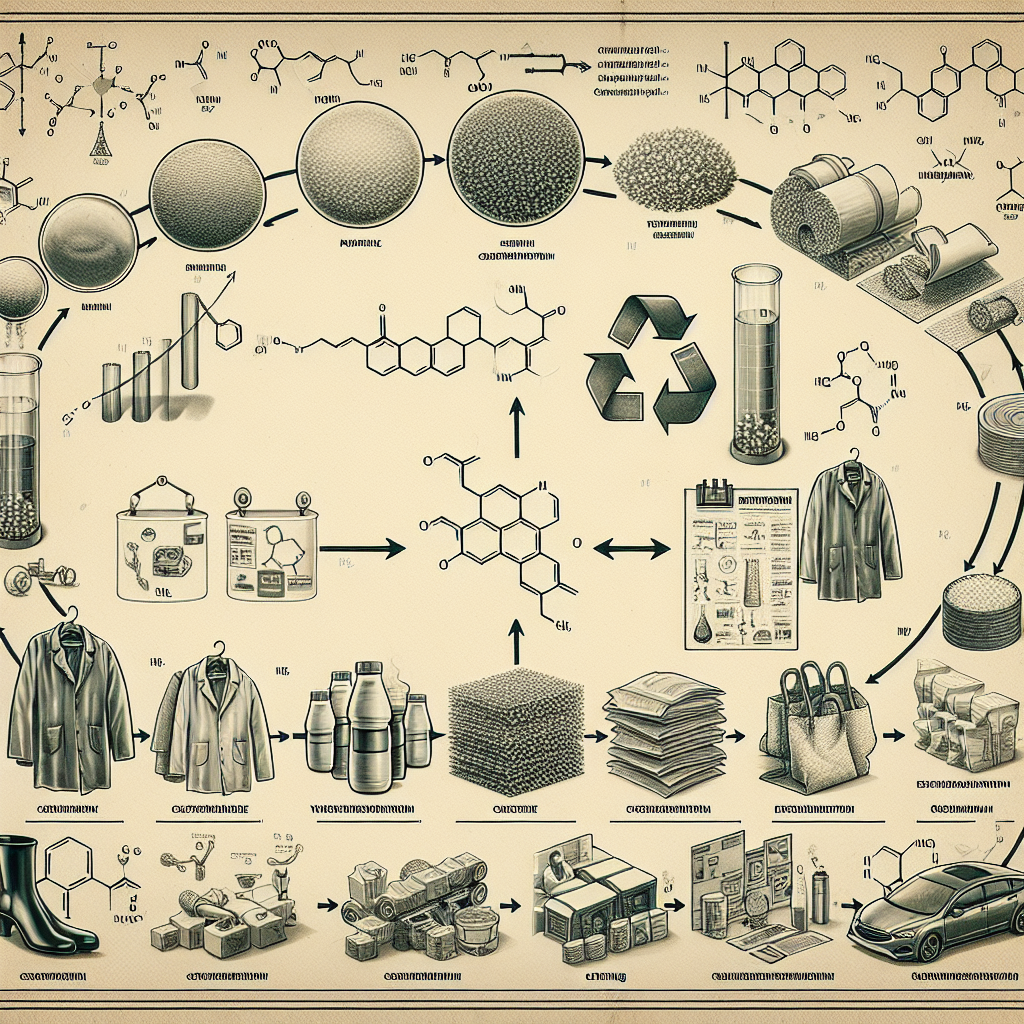
The transition to biopolymers is part of a broader movement towards circular economies, where waste is minimized, and materials are continuously reused. As the food industry grapples with the enormous volume of waste generated worldwide, biopolymers present a stellar opportunity to mitigate this issue. Companies within the sector are striving to reduce their carbon footprint while catering to consumers increasingly concerned about environmental issues. Innovations and advancements in biopolymer technology are not only changing the physical landscape of the food industry but are also influencing consumer perceptions and expectations. Understanding the growth and potential of biopolymers provides an insight into the future trajectory of sustainable practices within the food sector.
As we explore the multifaceted role of biopolymers in the food industry, this discussion will provide a comprehensive understanding of their impact. We will cover the basics of biopolymer production and the various types employed in the industry. The article will investigate their applications in packaging, preservation, and other critical areas within the food sector. We will also examine the challenges and limitations currently facing biopolymer integration, as well as the potential innovations on the horizon. Finally, we’ll look at the prospects and the future implications of biopolymers within the global food industry, underscoring their potential to revolutionize the prosperity and sustainability of food systems worldwide.
Understanding Biopolymers
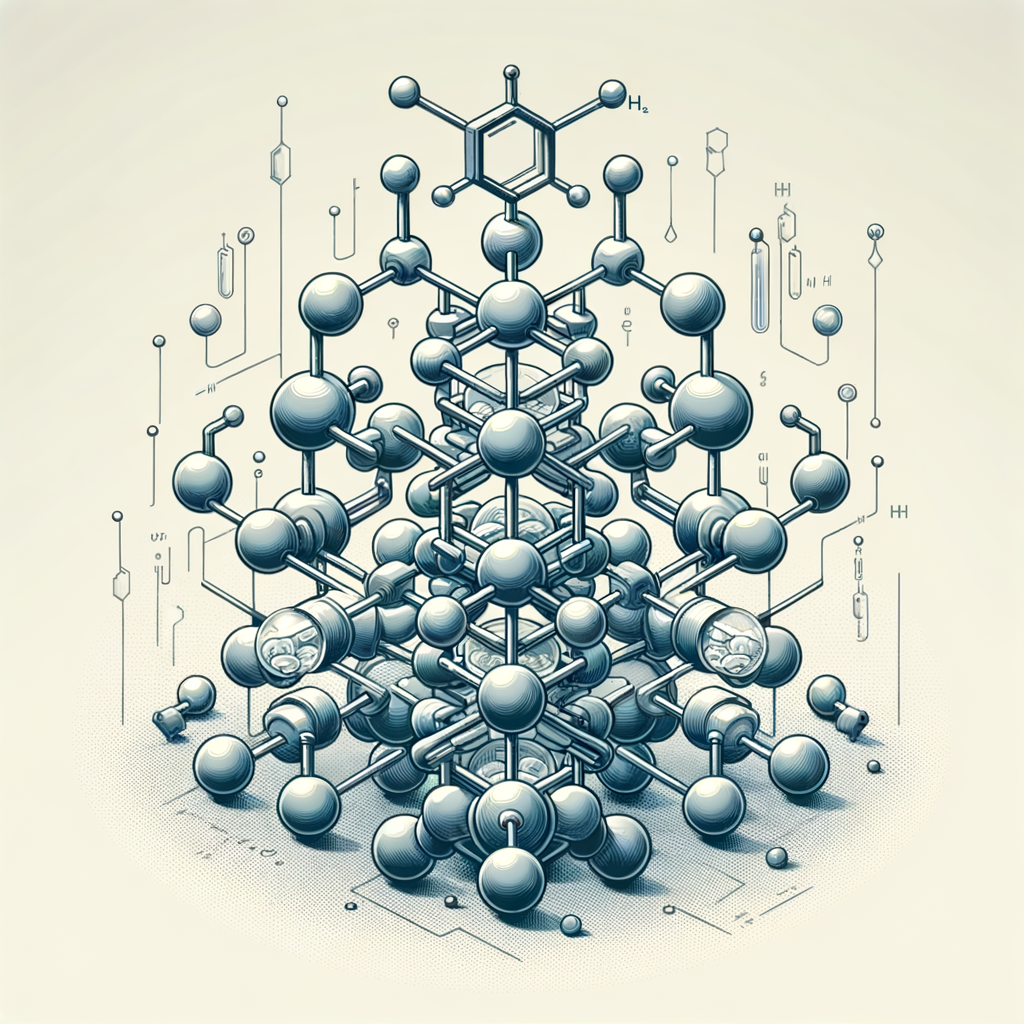
Biopolymers are natural polymers produced by living organisms. As opposed to synthetic polymers derived from petroleum products, biopolymers are made from renewable sources like plants and microorganisms. This key difference underlines their biodegradable nature, setting them apart as an eco-friendly alternative to conventional plastics. Biopolymers can naturally decompose under certain conditions, reducing waste production significantly, a crucial aspect given the increasing volume of plastic waste choking landfills and oceans.
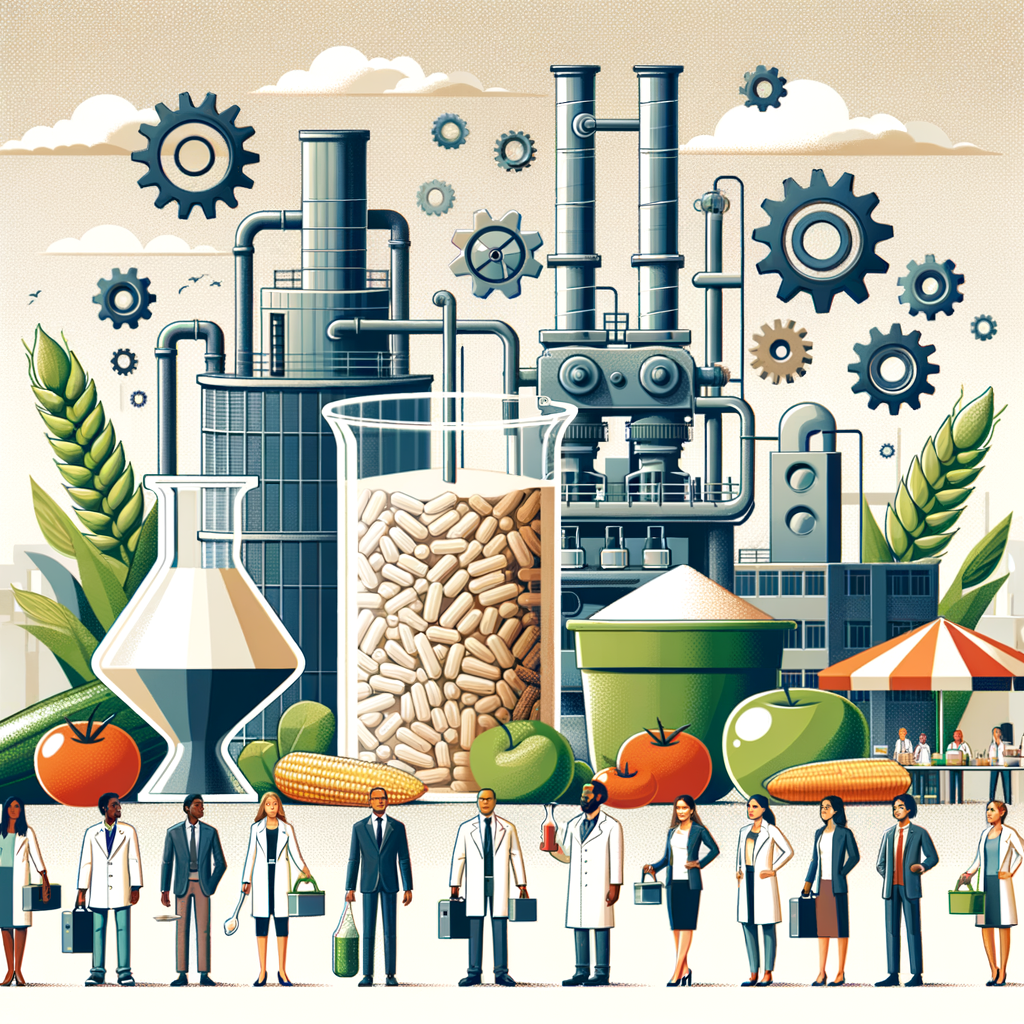
There are several types of biopolymers, each with unique properties and applications in the food industry. Polylactic acid (PLA), polyhydroxyalkanoates (PHA), and thermoplastic starch (TPS) are among the most commonly used types. PLA is derived from fermented plant starch, such as corn, and is known for its compostable properties. PHAs are produced by microbial fermentation and can be synthetically designed to achieve desired mechanical properties. TPS is developed from natural starch sources and is often employed for its cost-effectiveness and biodegradability.
The diverse properties of biopolymers make them highly suitable for various applications. Their flexibility, strength, and potential for customization allow them to replace traditional plastics in several domains. In the food industry, they are chiefly used for packaging, offering a sustainable alternative to conventional plastic wraps, containers, and bottles. They protect food products while reducing environmental impact, making them ideal for companies striving to balance sustainability with consumer needs.
Biopolymers in Food Packaging
The conversion to biopolymer-based materials in food packaging is one of the most significant advancements in this field. Packaging serves a critical role in preserving food quality, ensuring hygiene, and providing consumer protection. Traditional plastics, while effective, contribute massively to environmental pollution. Biopolymers like PLA and PHA are increasingly used to produce packaging materials due to their biodegradability and reduced reliance on fossil fuels.
Edible coatings and films are another intriguing application of biopolymers. These coatings, made from renewable sources, can be consumed along with the product or easily washed away. They provide an additional layer of protection, inhibit spoilage, and extend shelf life, keeping food fresh for longer periods. Such innovations are proving crucial in reducing food waste, a principal concern within the industry.
However, the shift to biopolymer packaging is not without challenges. Cost remains a significant barrier, as biopolymers can be more expensive to produce than traditional plastics. Performance metrics such as barrier properties, mechanical strength, and thermal resistance must meet industry standards. Yet, ongoing research continues to improve these metrics, making biopolymers increasingly viable for widespread use in food packaging.
Improving Food Safety with Biopolymers
Biopolymers contribute significantly to food safety, offering materials free from potentially harmful synthetics. As they are often biocompatible and non-toxic, biopolymers reduce the risk of food contamination. Their natural properties allow them to incorporate active components such as antimicrobials or antioxidants, providing active packaging solutions. Antimicrobial biopolymers can inhibit the growth of pathogens, making food safer and extending its freshness and shelf life.
Furthermore, biopolymers enable intelligent packaging solutions. By integrating sensors into biopolymer materials, the packaging can provide real-time information about the food product’s condition. This can include detecting spoilage or changes in the internal atmosphere of the package, aiding in maintaining food quality and preventing waste. Thus, biopolymers are not just passive elements to contain food but active solutions that contribute to the overall safety and quality of the product.
Sustainability and Environmental Impact
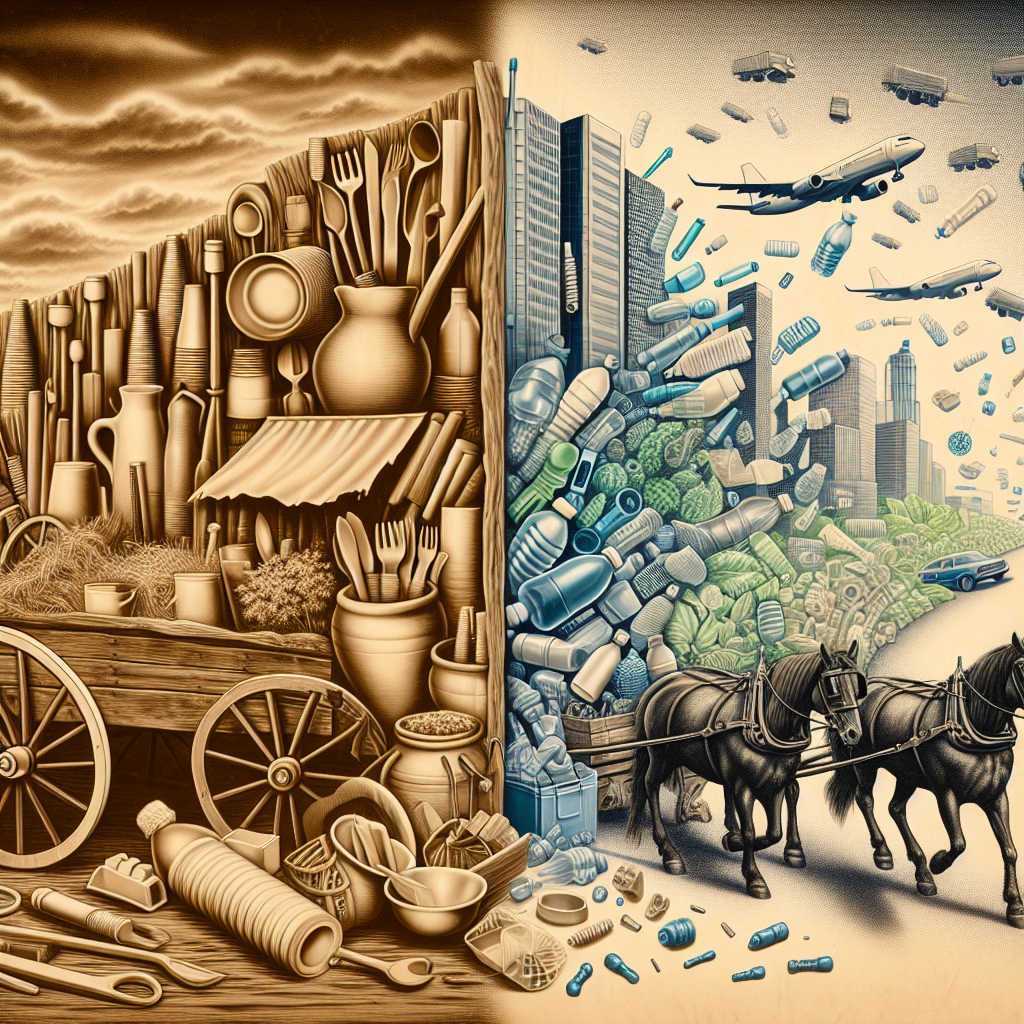
From an environmental perspective, biopolymers hold promising potential to drastically reduce the ecological footprint of the food industry. Traditionally, the sector has been a major contributor to plastic waste, which is non-biodegradable and persists in the environment for hundreds of years. In contrast, biopolymers are derived from renewable biomass and have the ability to biodegrade under specific conditions, closing the loop of the material cycle.
The shift towards biopolymers reflects a broader commitment within the industry toward sustainable practices. By reducing dependency on fossil fuels, biopolymers offer a reduction in carbon emissions associated with the polymer production process. This further aligns with global initiatives aimed at reducing greenhouse gases and combating climate change.
However, it is imperative to consider the full lifecycle of biopolymers to truly gauge their environmental impact. The cultivation of biomass, the cost, and energy efficiency of production, and the final decomposition processes all factor into their overall sustainability. Nevertheless, advances in technology are continually optimizing these processes, tipping the scales in favor of biopolymers as a sustainable pivot in food production.
Challenges and Limitations
While the potential of biopolymers is immense, there are challenges that must be addressed to ensure their practical and broad implementation in the food industry. Cost is often cited as a primary challenge; the production of biopolymers can be more expensive compared to conventional plastics, making them less accessible for smaller companies or markets sensitive to price changes.
The performance properties of biopolymers also require continuous improvement. While they are biodegradable, they need to maintain strength, flexibility, and resistance to temperature variations to be competitive with petroleum-based plastics. Enhancing these properties without compromising their environmental benefits is a key ongoing challenge facing researchers and manufacturers alike.
Another limitation lies in consumer perception. Widespread consumer adoption of biopolymer-based products requires education and awareness. Consumers need to be informed about the benefits of biopolymers compared to conventional plastics to drive demand, prompting the industry to scale up production to meet this potential demand.
Future Prospects
The future of biopolymers in the food industry is full of potential. As technology advances, and as economies of scale increase, the cost barrier will likely decrease, enabling more widespread adoption. The development of new biopolymers and enhancements in the production process are expected to yield materials that perform equally or superiorly to conventional plastics in terms of durability, strength, and flexibility.
One promising area for innovation is the customization of biopolymer properties to meet specific packaging requirements. As research delves deeper into understanding the structural and functional aspects of biopolymers, we can expect a new generation of materials tailored for specific applications. This customizability can lead to more efficient use of resources and better alignment with the varied needs of the food industry.
Moreover, the alignment of biopolymer development with the circular economy approach holds vast potential. By integrating biopolymers into a system where resources are reused, and products are designed to minimize waste, the food industry can progress towards a closed-loop system, benefiting both the environment and economy.
Conclusion
Biopolymers stand at the forefront of the sustainable transformation within the food industry. Offering a biodegradable and environmentally friendly alternative to conventional plastics, they address some of the most pressing challenges the industry faces today. From reducing environmental pollution and lowering carbon footprints to enhancing food safety and quality, biopolymers provide a multifaceted approach to sustainability.
The journey toward widespread biopolymer adoption is ongoing. Significant strides have been made within the field, yet challenges such as cost, performance, and consumer awareness must be continually addressed. However, as technology evolves and consumer sentiments sway towards more sustainable choices, the role of biopolymers is anticipated to grow, becoming a standard in food packaging and beyond.
The potential implications of biopolymers extend well beyond the immediate benefits they offer. By fostering sustainability, they encourage the entire food industry to reconsider practices and methods, paving the way for innovation and environmental stewardship. As research and technology advance, biopolymers may very well redefine the future of the food industry, pointing toward a greener, more sustainable horizon.