Emerging markets are increasingly prominent players on the world stage, impacting a range of industries—from technology to agriculture, and notably, the polymer industry. These markets, often characterized by rapid industrialization and improving living standards, are reshaping global demand and supply dynamics for polymers. Polymers, including plastics, rubber, and various resins, are indispensable materials with applications in automotive, packaging, construction, healthcare, and electronics industries. As emerging markets develop, their influence triggers significant shifts in polymer production, consumption, and innovation. Global polymer producers must adapt to these changes and reevaluate their strategies by considering influence factors like economic growth rates, urbanization, and environmental policies, specific to these regions. Understanding these dynamics and how they are reshaping the polymer industry is crucial for businesses that seek to harness the opportunities presented by these evolving markets.
The Economic Dynamics of Emerging Markets
As emerging markets experience burgeoning economic growth, they cultivate new opportunities in the polymer industry. Economic growth in countries like China, India, Brazil, and Indonesia means that industries dependent on polymers are expanding at unprecedented rates. These countries, with their large populations, drive significant demand for products made with polymers. Moreover, rising middle-class demographics in these markets lead to increased consumption of consumer goods, where packaging—often reliant on polymers—becomes essential. Besides, emerging markets offer low-cost production opportunities due to affordable labor and natural resources. International polymer companies increasingly invest in these regions, setting up manufacturing bases to capitalize on reduced production costs. Consequently, these markets have turned into hubs of economic activity, significantly contributing to global polymer output and consumption dynamics.
Urbanization and Infrastructure Development
Urbanization is one of the main phenomena in emerging markets. As rural populations migrate to urban centers in search of better opportunities, the resultant urban sprawl demands extensive construction initiatives. Polymers, particularly in the form of plastics, composites, and resins, are vital in construction—used in pipes, insulation, roofing materials, and more. This need for sustainable urban development leads to innovations in polymer materials that improve energy efficiency and endure diverse environmental conditions. Infrastructure demands not only increase in quantity but in quality as well. Advanced polymers are sought, for instance, in modern transportation networks, including in rail systems, where components must offer durability and light weight. As a response, polymer industries have amplified research and development focusing on high-performance materials, which parallels the infrastructural aspirations of burgeoning urban areas in these markets.
Environmental Awareness and Regulation
Emerging markets are becoming more environmentally conscious, impacting the polymer industry. In response to global sustainability trends and local ecological challenges, governments in these regions are introducing stringent regulations to curb pollution and waste—especially concerning single-use plastics. These regulations prompt polymer producers to innovate and adopt environmentally friendly practices by investing in recycling technologies and bio-based polymers. This dynamic fosters a push for circular economy principles, where polymer products are designed with end-of-life recyclability in mind. The pressure from environmental regulations does not only affect how polymers are produced, but also dictates the properties and types of polymers in demand. Instead of traditional plastics, there is a significant shift toward biodegradable options, creating an avenue for niche polymer markets focused on eco-friendly alternatives.
Technological Innovation and Adaptation
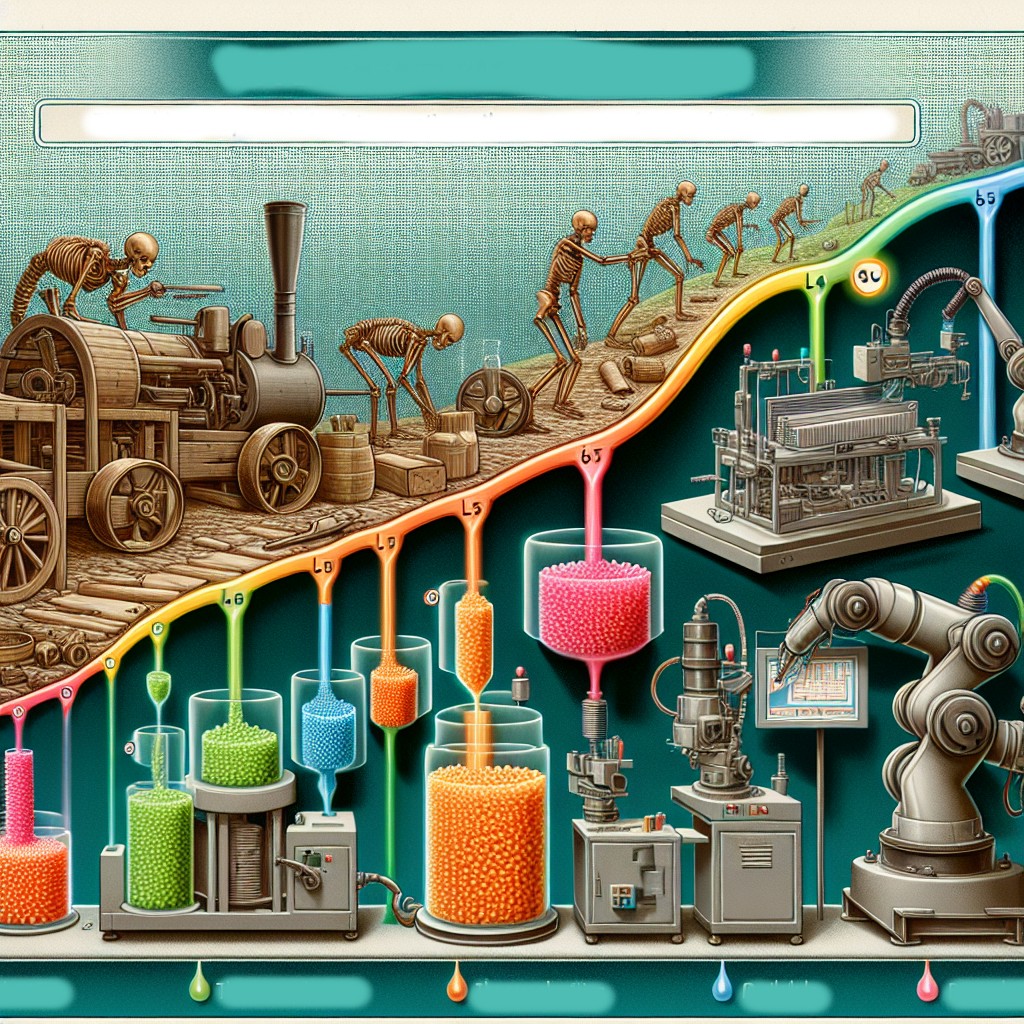
Emerging markets serve as testbeds for technological innovations within the polymer industry. With diversified needs and resource constraints, these markets necessitate novel technological solutions to optimize material performance and cost-effectiveness. Technology plays a pivotal role in enhancing polymer properties, thereby broadening their functional applications. Markets in Asia and South America are taking significant strides in digital solutions, like 3D printing and smart manufacturing, which radically change polymer processing methods, reducing waste and improving material design. Furthermore, advancements in nanotechnology applied to polymer production enable the development of materials with enhanced strength, heat resistance, and reduced weight. These innovations aim directly at addressing the unique requirements of emerging economies. International corporations, realizing this potential, collaborate with local players to leverage indigenous knowledge and technology, aiming to create products that resonate culturally while meeting global standards.
The Role of Strategic Alliances and Partnerships
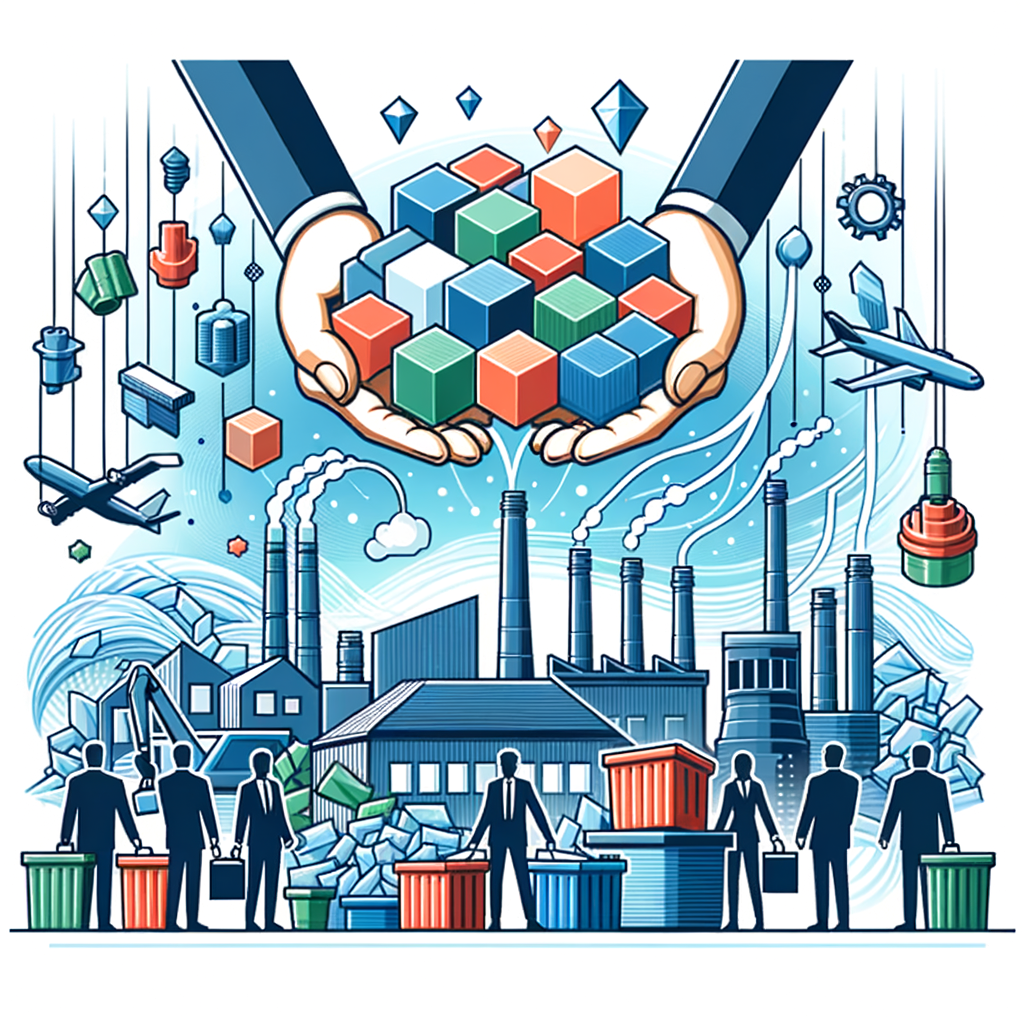
Strategic alliances and partnerships have become a norm in the polymer industry, particularly relating to emerging markets. Global polymer producers enter joint ventures with local companies to channelize strengths and overcome market entry barriers. Such alliances not only enhance market penetration but also facilitate technology transfer. They enable international companies to navigate complex regulatory frameworks and acquire market insights that are crucial for product development and marketing strategies. On the flip side, local companies gain access to advanced technologies, capital, and management expertise from their international partners. These collaborations have profound implications, leading to enhanced competitive advantages and fostering innovation that aligns with the specific needs of the local market. This duality results in a win-win scenario, propelling the growth and adaptation speed of the polymer industry within these burgeoning economies.
Challenges and Opportunities
Despite the promising prospects, the polymer industry in emerging markets faces several challenges. Infrastructure bottlenecks, economic volatility, and policy unpredictability can hinder smooth market operations. Moreover, the disparity in regulatory frameworks regarding sustainability and emissions poses another layer of complexity that polymer producers need to address. However, opportunities abound. The sheer scale of demand offers immense potential for revenue and growth. Furthermore, an increasing focus on digitalization presents opportunities to optimize supply chains, reduce operational costs, and improve customer engagement through enhanced data analytics capabilities. Companies operating in the polymer sphere are also increasingly focusing on sustainable practices to tap into the growing market for eco-friendly materials. Successfully navigating these challenges means reaping substantial benefits presented by these fast-evolving markets.
Conclusion
In conclusion, emerging markets play a pivotal role in shaping the future of the polymer industry. The ongoing economic developments, coupled with a vibrant urbanization trend, significantly influence polymer demand and production strategies. Additionally, increasing environmental awareness is compelling the industry to innovate, adapt, and seek sustainable solutions. Technological advancements fostered within these markets are not only augmenting polymer functionalities but also redefining manufacturing paradigms. The strategic collaborations between international and local entities further solidify market growth, driving technology and knowledge exchange. Despite the underlying challenges, the opportunities present an immense landscape for expansion and innovation. As the polymer industry adapts to cater to these dynamic markets, it stands to gain substantially by leveraging these emerging market trends, positioning itself for sustained growth and cutting-edge innovation.
[p count: 1500]