In recent years, the world of materials science has witnessed a cascade of advancements, placing polymer durability at the forefront of many technological innovations. Polymers, widely used in diverse applications ranging from everyday commodities to advanced industrial products, are undergoing a transformation thanks to emerging technologies. Enhancing the durability of polymers not only extends their useful life but also improves productivity, cost-effectiveness, and sustainability. Polymers, despite their ubiquity, often face challenges such as degradation from UV exposure, chemical reactivity, and mechanical stresses. Addressing these challenges through innovative technologies is crucial for future applications, especially in sectors seeking sustainable solutions. In this discussion, we’ll delve into how cutting-edge technologies are propelling enhancements in polymer durability. We’ll explore groundbreaking methods like nanotechnology, smart materials, and machine learning that are revolutionizing the way industries perceive and use polymers. These advancements represent a paradigm shift, making polymers more resilient to various environmental stresses and aligning with global sustainability goals. As we venture into this field, we’ll uncover the methods that lead to more robust polymer applications, leaving a significant impact across industries.
Nanotechnology and Polymer Durability
Nanotechnology has emerged as a powerhouse innovation, offering a substantial impact on the enhancement of polymer durability. By incorporating nanoparticles into polymer matrices, researchers have been able to significantly enhance physical properties such as strength, toughness, thermal stability, and resistance to environmental factors like UV radiation and chemical exposure. For instance, adding carbon nanotubes or graphene can drastically improve the mechanical strength and thermal conductivity of polymers. These nanoparticles fill microscopic gaps and create a more uniform structure, mitigating the onset and growth of cracks. Furthermore, because nanoparticles can be tailored at the molecular level, they offer a customizable approach to enhance specific properties in polymers. Additionally, metallic nanoparticles, such as silver or titanium dioxide, not only enhance durability but also impart antimicrobial properties, opening new doors for medical and food packaging applications. The customization potential of nanotechnology enables precise engineering of polymers per specific environmental conditions, addressing the product’s lifetime concerns comprehensively.
Smart Polymers
The advent of smart polymers marks an innovative leap in the drive towards durable materials. Smart polymers, sometimes referred to as shape-memory polymers, are able to respond dynamically to environmental changes such as temperature, pH, and moisture. This adaptability allows smart polymers to self-heal, restoring mechanical integrity after damage, which naturally enhances their lifespan. These polymers contain reversible covalent bonds or incorporated micro-capsules that release healing agents upon damage. For instance, thermally responsive polymers are programmed to repair cuts or abrasions when exposed to heat. Beyond self-healing properties, smart polymers can be used in coatings to protect underlying structures from harsh conditions, such as excessive moisture or chemical exposure. Their application ranges from infrastructure and aerospace industries to everyday use in consumer electronics, where durability is critical. By employing smart polymers, industries can ensure longer-lasting, more resilient products that offer economic advantages over time due to reduced maintenance and replacement needs.
Machine Learning and Predictive Modeling
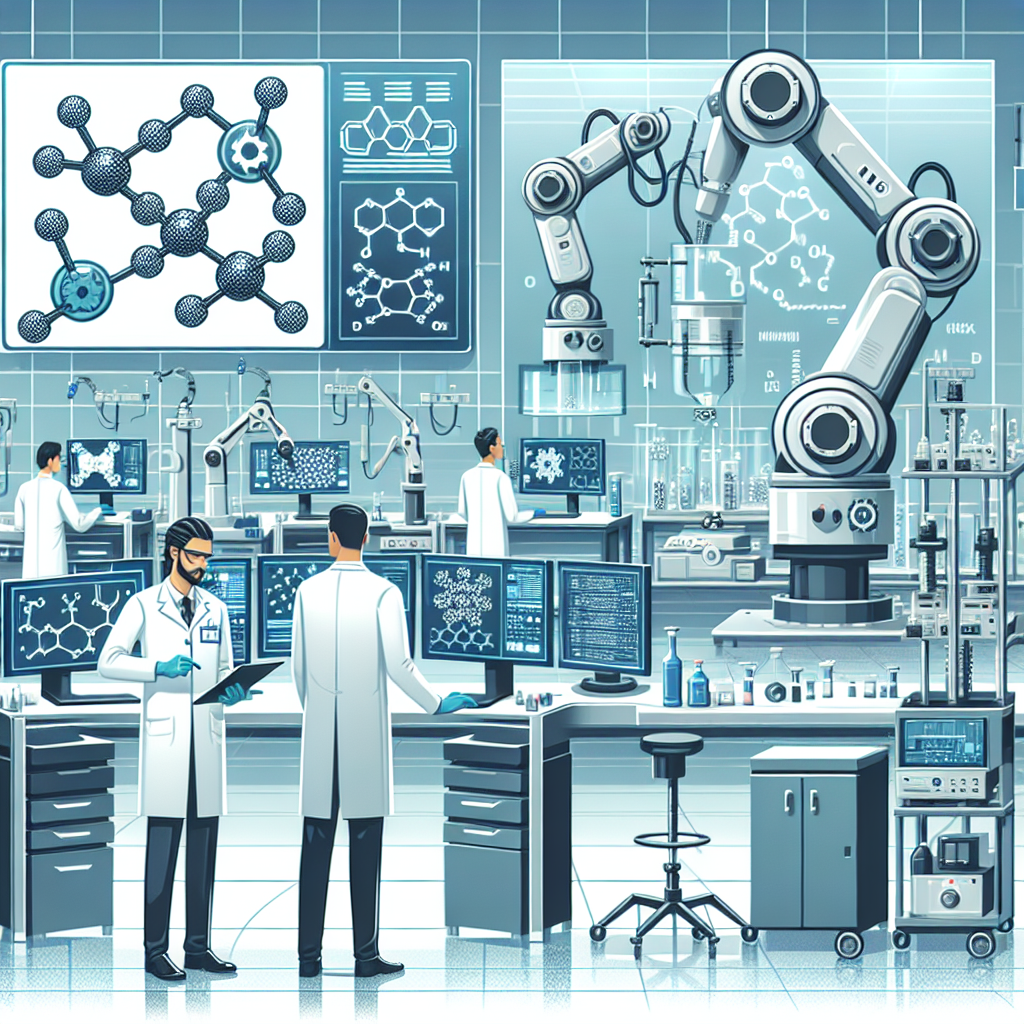
Machine learning algorithms are transforming the research and development landscape for polymers, providing predictive insights that enhance polymer durability. By using data-driven models, scientists can predict how certain polymer formulations will perform under stress, improving the design process significantly. Machine learning enables the exploration of vast datasets to identify patterns that govern polymer degradation and resilience in various conditions. With the insight gained from comprehensive modeling, researchers can pre-emptively design polymers with optimized durability traits, reducing the need for exhaustive experimental testing iterations. Additionally, these predictive models can simulate long-term performance, assessing how environmental factors like humidity and mechanical stressors impact polymers over time. This ability to foresee degradation patterns and failure points helps in crafting polymers with enhanced resistance to anticipated stresses. Moreover, machine learning-driven simulations allow the testing of polymers in a virtual environment, radically decreasing R&D time and cost. This technology ushers in a more intelligent approach to polymer design, ensuring materials produced are robust enough for extreme or prolonged environments without succumbing to typical degradation pathways.
Advanced Polymer Blends and Composites
The creation of advanced polymer blends and composites is another area where technology is enhancing durability. By combining polymers with varying characteristics or integrating them with stronger materials, these blends and composites exhibit superior performance traits. The engineering of polymer blends can facilitate the incorporation of toughness, flexibility, and durability without sacrificing other essential mechanical properties. For example, mixing elastomers with rigid plastics can yield a product that absorbs impact without fracturing, essential for automotive and aerospace applications. Composite materials, often employed in sectors such as construction and transportation, benefit not only from enhanced strength and reduced weight but also from increased resistance to environmental degradation. The reinforcement provided by fibers, such as glass or carbon, in polymer matrices creates formidable materials that can withstand intense mechanical pressures and environmental strains. By optimizing the composite’s structure at the molecular level, it’s possible to significantly improve the lifespan of components manufactured for high-stress applications. These materials showcase the potential of combining technological principles to foster durability enhancements far exceeding traditional material capabilities.
Environmental Impact and Sustainability Considerations
The pursuit of enhanced polymer durability through emerging technologies carries profound implications for environmental impact and sustainability. As technologies advance, they open avenues for creating more sustainable, long-lasting materials that reduce waste and conserve resources. The integration of sustainable technologies in polymer production contributes to a circular economy, where materials are reused and recycled, lessening environmental footprints. For instance, the development of bio-based polymers derived from renewable resources aligns with these sustainability goals while offering similar durability. Moreover, durable polymers reduce the frequency of replacements, minimizing waste generation and the associated energy consumption during production and transportation. Environmentally focused durability technologies are vital in bridging the divide between industrial innovation and ecological stewardship. Techniques like reversible cross-linking, which extends polymer life while enabling recyclability, illustrate this shifting dynamic towards sustainable options. These green pathways ensure that while polymers achieve greater durability, they also align with global initiatives to reduce carbon emissions and environmental impact.
Challenges and Future Directions
While the horizon of polymer enhancement is promising, there are challenges and future directions to consider. The integration of emerging technologies into large-scale production not only demands significant financial investment but also requires adaptation across the industrial infrastructure. Regulatory landscapes must also evolve to accommodate technological advancements while ensuring consumer safety and environmental compliance. Additionally, continuous research is necessary to address concerns about potential environmental and health risks posed by certain nanoparticles. Going forward, greater interdisciplinary collaboration across chemistry, materials science, engineering, and data science is crucial in driving further breakthroughs. The development of safer, more cost-effective techniques will play a critical role in overcoming current obstacles. Looking ahead, researchers are exploring new frontiers such as bio-inspired materials and advances in metamaterials, which provide promising frameworks for the next generation of ultra-durable polymers. These future pathways highlight an ongoing commitment to addressing durability from all angles, ensuring long-lasting, environmentally conscious, and resilient materials for the years to come.
Conclusion
Emerging technologies have markedly enhanced the durability of polymers, heralding a new age of resilience and sustainability in materials science. Innovations in nanotechnology, smart materials, and predictive modeling stand as testaments to the transformative potential of contemporary advancements, offering new horizons for both industrial applications and environmental benefits. By judiciously applying these technologies, industries can significantly lower production costs and improve product longevity. The advances we’ve explored underscore a sustainable approach to material development, where durability goes hand-in-hand with ecological considerations. These are pivotal in creating a sustainable framework for the future of materials, ensuring products that not only withstand time and stress but also contribute positively to environmental goals. As research continues to push boundaries, we can anticipate even more robust, efficient, and eco-friendly polymer solutions emerging. As we look toward the future, collaboration between industries and scientific communities remains crucial. This unified effort will undoubtedly pave the way for novel, durable polymer applications that meet the demanding expectations of modern-day society and beyond.