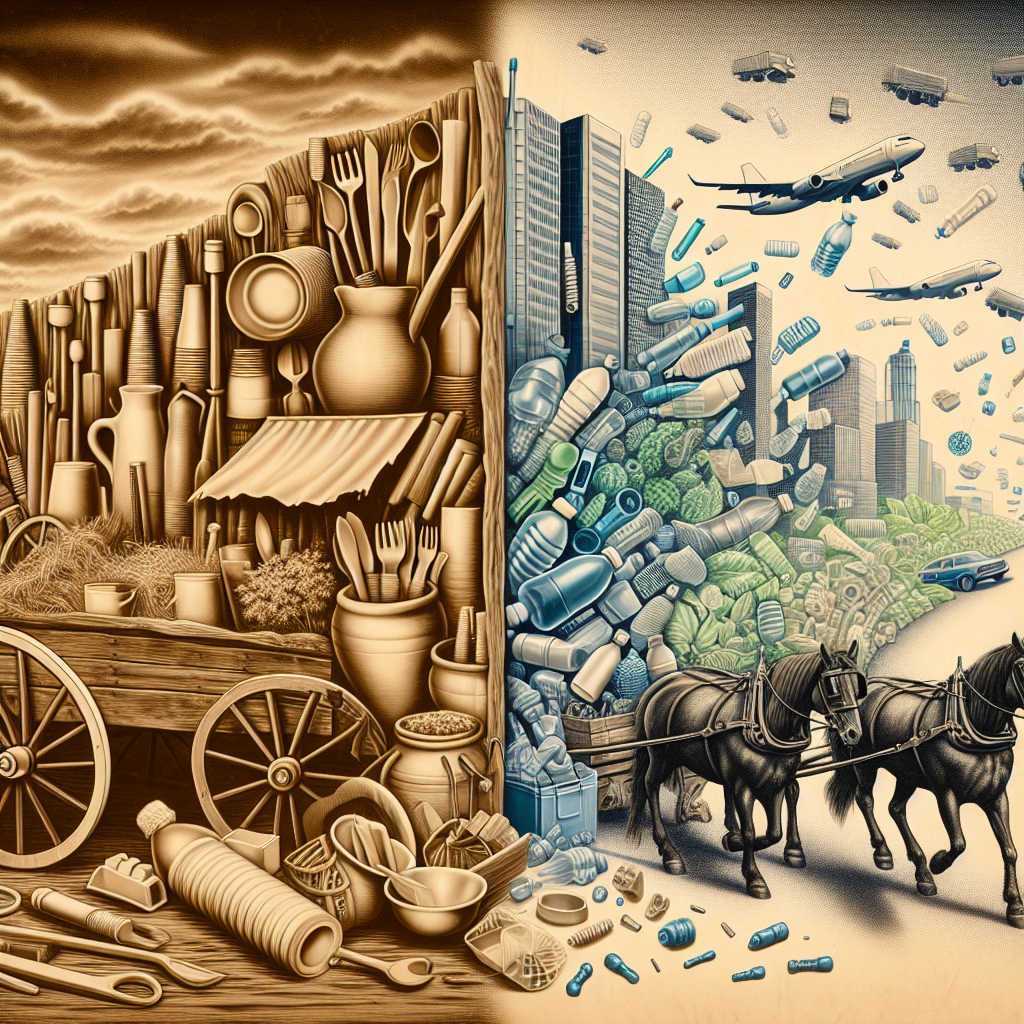
In the early 20th century, an incredible breakthrough occurred that would change the landscape of materials science and countless industries forever. This pivotal moment in history came with the invention of Bakelite, the world’s first synthetic plastic. Developed in 1907 by Belgian-born chemist Leo Baekeland, Bakelite’s arrival heralded the advent of the polymer industry as we know it today.
Before Bakelite, the world relied heavily on natural materials such as wood, metal, rubber, and ivory for manufacturing a wide range of goods. While effective, each of these materials had notable limitations in terms of cost, availability, and durability. The quest for a new material that could replicate some of these properties while offering improved features was paramount. Baekeland’s innovative mind conceived Bakelite, a material that possessed the ideal combination of strength, heat resistance, and electrical non-conductivity.
As we trace the footsteps of Bakelite from its invention to its revolutionary impact on materials science and the wider world, it’s vital to understand the context in which this discovery occurred. This article delves into the history of synthetic polymers, the creation of Bakelite, its properties and applications, and the lasting influence it has had on the development of modern materials.
The Birth of Synthetic Polymers
The story of synthetic polymers began long before the invention of Bakelite. Natural polymers like cellulose, rubber, and silk have been used by humans for centuries, but the understanding and manipulation of these substances were limited. The 19th century saw a burgeoning interest in chemically altering natural substances to create new materials. The vulcanization of rubber by Charles Goodyear in 1839 was one of the earliest breakthroughs, which significantly improved the material’s durability and elasticity.
As the industrial revolution progressed, the demand for new materials with specialized properties grew exponentially. Scientists and inventors around the world began experimenting with ways to create synthetic polymers. One such effort was the development of Parkesine in 1862 by Alexander Parkes. Parkesine, made from cellulose, was one of the first man-made plastics, though it had some significant drawbacks, such as its flammability and unstable properties.
These early experiments laid the groundwork for future discoveries, encouraging chemists to push the boundaries of materials science further. The stage was set for the advent of Bakelite, which would come to epitomize the potential of synthetic polymers and ultimately revolutionize the field.
Leo Baekeland’s Breakthrough: Inventing Bakelite
Belgian-born chemist Leo Hendrik Baekeland moved to the United States in the late 19th century, where he made significant strides in the field of chemistry. His most notable achievement before developing Bakelite was the invention of Velox photographic paper, which greatly simplified the photo development process. Leveraging the financial success from this invention, Baekeland turned his attention to solving a pressing issue of the time: finding a synthetic substitute for shellac, a natural polymer used as an electrical insulator.
Through a series of rigorous experiments in his lab, Baekeland sought to combine phenol and formaldehyde to produce a durable resin. By controlling the heat and pressure during the reaction, he eventually succeeded in developing a hard, moldable, and non-conductive material. This new material, christened Bakelite, was not only a breakthrough in materials science but also a testament to Baekeland’s ingenuity and perseverance.
Baekeland’s invention was a game-changer. Bakelite’s heat-resistant qualities made it an ideal candidate for a wide range of industrial applications, from electrical insulators to automobile parts. Its versatility and affordability opened doors to countless uses in consumer goods, which had hitherto been impossible with the natural materials available.

Properties and Applications of Bakelite
What set Bakelite apart from its predecessors was a unique combination of properties that made it incredibly valuable to manufacturers across various industries. Here are some of its most notable characteristics:
- Heat Resistance: Bakelite can withstand very high temperatures without melting, making it essential for electrical and automotive applications.
- Electrical Insulation: Its low electrical conductivity provided a safer option for electrical insulators, sockets, and switches.
- Durability: Bakelite is exceptionally hard and resistant to many chemicals, ensuring long-lasting performance in various environments.
- Moldability: During manufacture, Bakelite can be molded into complex shapes, making it perfect for detailed and intricate designs.
- Cost-Effective: As a synthetic material, Bakelite did not suffer from the same supply limitations as many natural materials, making it more affordable and widely available.
These properties allowed Bakelite to find its way into a myriad of applications. In the early 20th century, it was used in electrical insulators, radio and telephone casings, and automobile parts. It even brought new possibilities to the household, appearing in kitchenware, jewelry, and toys. The utility and aesthetic appeal of Bakelite products quickly captured the imagination of designers and consumers alike.
The Impact of Bakelite on Modern Materials Science
The invention of Bakelite marked the dawn of the modern polymer industry. Its success unequivocally demonstrated the potential of synthetic polymers, leading to a surge in research and development in the field. The 20th century saw a flurry of innovation in polymer science, resulting in the creation of materials that have become indispensable in today’s world, such as polyethylene, polypropylene, and PET.
Furthermore, Bakelite’s impact extended beyond technical applications. Its ability to be molded into intricate and aesthetically pleasing shapes inspired designers to explore new possibilities in industrial design and fashion. The Art Deco movement, in particular, embraced Bakelite for its sleek, modern look, making it a symbol of style and innovation during the early part of the century.
The principles that Leo Baekeland applied in creating Bakelite—such as manipulating polymerization processes and controlling material properties through chemical alteration—remain cornerstones of polymer research and manufacturing. Today, advanced polymers and composite materials continue to build on these foundational concepts, resulting in materials with extraordinary properties that drive progress in industries ranging from aerospace to healthcare.
Bakelite in Popular Culture
Bakelite quickly transcended its utilitarian origins and became a cultural icon, particularly in the realms of fashion and design. In the 1920s and 1930s, Bakelite’s popularity surged as it was embraced by jewelry designers for its vibrant colors and ability to be shaped into various forms. Earrings, bracelets, pendants, and buttons made of Bakelite became prized possessions, sometimes seen as statements of modernity and sophistication.
Moreover, Bakelite’s role in popular culture was not limited to fashion. It emerged in household items, linguistic expressions, and even art. The sleek Bakelite radios and telephones of the era are now cherished as nostalgic pieces, often showcased in museums and vintage collections. The phrase “Bakelite Era” is commonly used to describe a time of significant transition and modernization in the early 20th century.
The material’s cultural impact persisted even as newer plastics started to eclipse Bakelite in practical applications. Its legacy lived on in retro and vintage aesthetics, which continue to draw inspiration from Bakelite designs. The resilience and timeless appeal of Bakelite ensure its place not just in the annals of materials science but also as a cherished element of our cultural heritage.
Conclusion
Bakelite was more than just a new material; it was a technological marvel that helped shape the future of countless industries. Leo Baekeland’s invention not only met an immediate need for durable, heat-resistant materials but also opened the door to the vast field of synthetic polymers. From electrical components to fashion accessories, Bakelite demonstrated the extraordinary potential of man-made materials.
By tracing the journey of Bakelite, we gain insight into the broader history and evolution of materials science. This single invention set off a chain reaction of innovation, fostering the development of new materials that continue to drive technological progress today. The imaginative spirit and scientific rigor exhibited by Baekeland serve as an enduring inspiration for researchers and inventors striving to push the boundaries of what’s possible.
As we look forward, the lessons learned from Bakelite’s impact resonate more than ever. In an age where material innovation is crucial to addressing global challenges such as sustainability and resource scarcity, revisiting the story of Bakelite serves as both a reminder of our past achievements and a beacon guiding future endeavors. Its legacy proves that with ingenuity and perseverance, groundbreaking discoveries that revolutionize entire fields are well within our reach.