The dynamic world of polymers has revolutionized multiple industries, from automotive to electronics to healthcare. One of the most significant subsets of polymers is thermoplastics. These materials are prized not only for their versatility but also for their mechanical properties, particularly their impact resistance. Impact resistance is a measure of a material’s ability to withstand sudden or significant force without fracturing. This article delves into the properties and applications of thermoplastics, focusing on their impact resistance, how they are tested, and the factors that influence their performance.
Understanding Thermoplastics
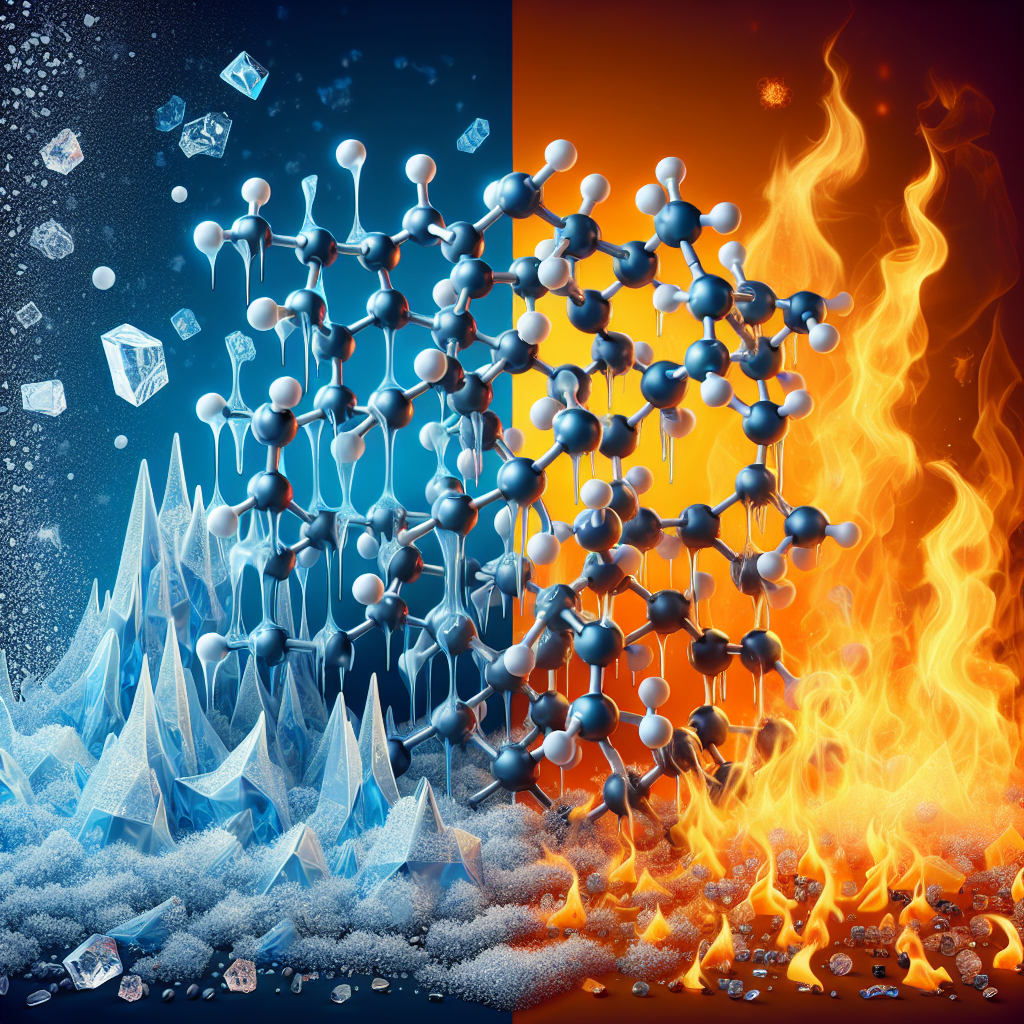
Thermoplastics are a category of polymers that become pliable or moldable above a specific temperature and solidify upon cooling. This process is reversible, allowing thermoplastics to be reshaped and reused multiple times. Unlike thermosets, which undergo an irreversible chemical change, thermoplastics retain their chemical structure even when repeatedly heated and cooled.
Thermoplastics include materials like polyethylene (PE), polypropylene (PP), acrylonitrile butadiene styrene (ABS), polycarbonate (PC), and more. These materials vary in terms of their mechanical properties, chemical resistance, and applications. For example, ABS is known for its sturdy properties and is used in applications like LEGO bricks and automotive components. On the other hand, polycarbonate is valued for its high impact resistance and is used in eyewear lenses and bullet-proof glass.
Given their diverse range of properties and applications, understanding the specific impact resistance of various thermoplastics is crucial for engineers and product designers.
Impact Resistance Testing
One of the most critical performance metrics for thermoplastics is their impact resistance. There are several standardized tests to quantify this property: Izod Impact Test
The Izod impact test is one of the most common methods for measuring a material’s resistance to impact. It involves striking a notched sample with a pendulum hammer and measuring the energy absorbed by the material before it fractures. Higher absorbed energy indicates greater impact resistance.
Charpy Impact Test
Similar to the Izod test, the Charpy impact test also assesses impact resistance using a pendulum hammer. However, in this test, the sample is placed horizontally and struck at the center rather than vertically. The difference in setup can yield different results, making it essential to specify the test method used when comparing data.
Drop Weight Test
The drop weight test simulates real-world conditions more closely by dropping a weight from a specific height onto a sample material. This test assesses how well a material can absorb and dissipate energy under impact, particularly for larger, structural applications.
These tests are vital for evaluating materials before they are chosen for specific applications, ensuring they meet the necessary safety and performance standards.
Factors Affecting Impact Resistance
Several factors can influence the impact resistance of thermoplastics: Molecular Structure
The molecular structure of a thermoplastic greatly affects its impact resistance. For instance, high-density polyethylene (HDPE) has a more rigid structure than low-density polyethylene (LDPE), resulting in different impact resistance levels. Polymers like polycarbonate, which has a highly ordered and stable molecular structure, exhibit excellent impact resistance.

Temperature
Temperature plays a significant role in determining the impact resistance of thermoplastics. Materials like ABS and PC maintain their properties over a wide temperature range, while others like polyvinyl chloride (PVC) can become brittle at low temperatures.
Material Additives
Additives such as plasticizers, fillers, and stabilizers can enhance the impact resistance of thermoplastics. For example, adding certain copolymers to polycarbonate can significantly improve its toughness.
Processing Conditions
The conditions under which a thermoplastic is processed, including the cooling rate, molding pressure, and annealing, can have substantial effects on its impact resistance. Controlled cooling and appropriate processing techniques can optimize impact resistance.
Applications Leveraging Impact Resistance
The unique properties of thermoplastics make them suitable for various applications requiring high impact resistance: Automotive Industry
Thermoplastics like ABS and polycarbonate are widely used in the automotive sector for components such as bumpers, dashboards, and headlights. Their ability to absorb and dissipate energy makes them ideal for safety applications, reducing injury risks during collisions.
Electronics
Durability and impact resistance are vital for consumer electronics housings and protective covers. Thermoplastics ensure that devices withstand drops and impacts, prolonging their operational life.
Healthcare
In the medical field, thermoplastics are utilized for devices and equipment that require reliable performance under stress. Materials like polycarbonate are used for surgical instruments, protective guards, and even components of diagnostic machines.
Sporting Goods
Thermoplastics are used in manufacturing protective gear, sports equipment, and athletic footwear. Their combination of flexibility, durability, and impact resistance makes them ideal for withstanding the rigorous demands of sports activities.
Case Studies in Impact Resistance
Examining real-world examples offers insight into how thermoplastics’ impact resistance is applied effectively: Bulletproof Glass
Polycarbonate is a crucial component in bulletproof glass due to its exceptional impact resistance. Layered between sheets of glass, polycarbonate provides a lightweight yet highly durable solution for security applications in banks, vehicles, and high-risk buildings.
Helmets
Safety helmets made from thermoplastics like ABS and polycarbonate provide essential protection against head injuries. The materials’ ability to absorb and disperse energy upon impact ensures the wearer’s safety, whether in construction or sports.
Automotive Bumpers
Modern vehicle bumpers often use a blend of thermoplastics to maximize performance. The materials are designed to absorb collision energy, reducing damage to the vehicle and enhancing passenger safety.
Future Trends and Innovations
The polymer industry continuously explores advancements to enhance the impact resistance of thermoplastics: Nanocomposites
Incorporating nanoparticles into thermoplastics can significantly improve their mechanical properties. Nanocomposites provide superior impact resistance and enhanced performance characteristics without sacrificing other essential properties.
Reinforced Polymers
Reinforced thermoplastics, such as those incorporating glass or carbon fibers, offer enhanced impact resistance. These materials are particularly useful in aerospace and automotive applications where strength and durability are critical.
Sustainable Materials
With increased emphasis on sustainability, the development of bio-based and recyclable thermoplastics with high impact resistance is gaining traction. These materials not only offer environmental benefits but also meet performance standards required in various industries.
Conclusion
Thermoplastics continue to play an integral role in modern manufacturing and engineering, largely due to their impressive impact resistance. Understanding the factors that influence this property and the methods used to measure it allows engineers and designers to select the best materials for specific applications. As the demand for stronger, more durable, and sustainable materials grows, ongoing research and innovation in the field of thermoplastics will drive new advancements, further cementing their importance in various industries.