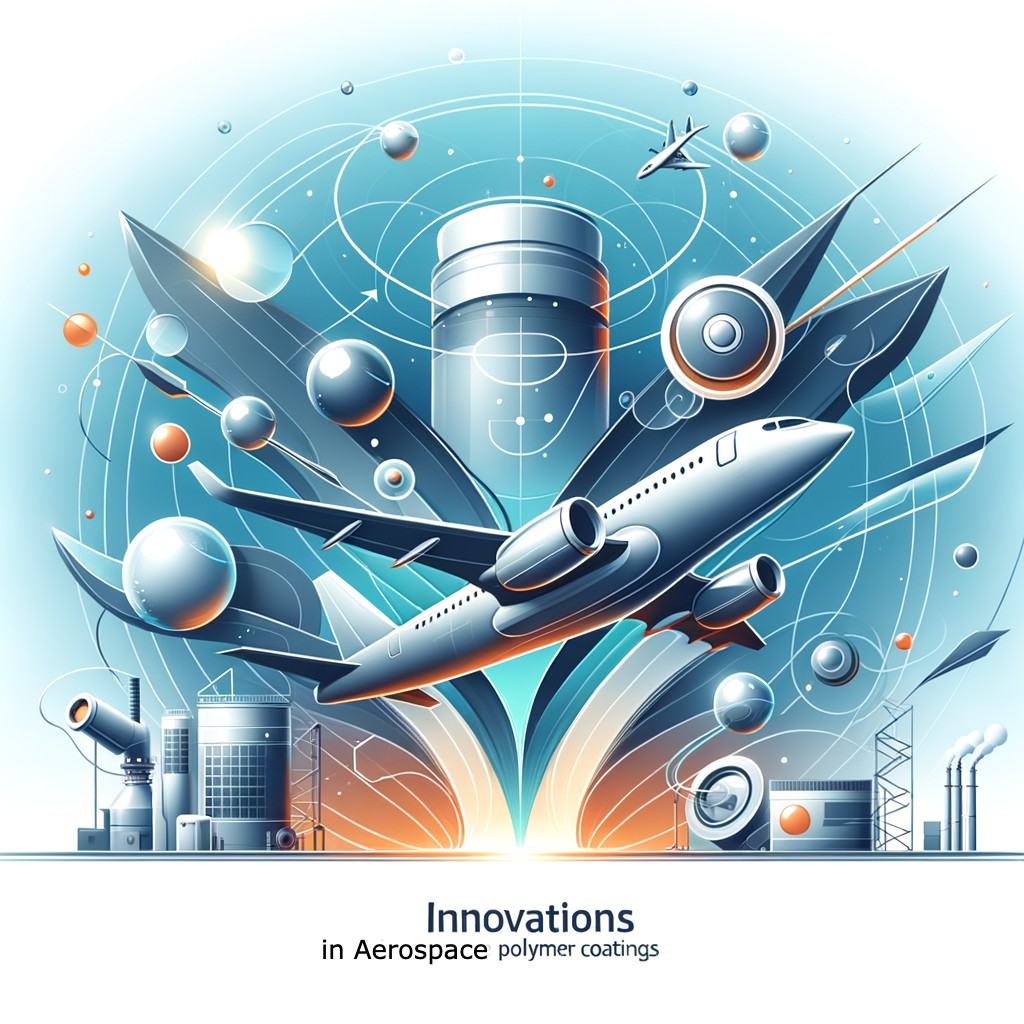
The aerospace industry is at the forefront of technological advancement, perpetually exploring ways to enhance aircraft performance, safety, and cost-efficiency. One of the critical areas of innovation over recent years is the development and application of advanced polymer coatings. These coatings are increasingly playing a pivotal role in improving the durability and functionality of aerospace components. By leveraging the unique properties of polymers, manufacturers are able to produce coatings that offer superior resistance to environmental factors such as extreme temperatures, UV radiation, and chemical exposure. Furthermore, these coatings contribute to reducing aircraft weight, thereby improving fuel efficiency and reducing overall operational costs. They also enhance safety by providing superior protection against corrosion and wear and tear, ultimately extending the longevity of the aircraft. This article delves into the innovative advancements in aerospace polymer coatings, exploring their applications, benefits, and future potential.
The first aspect of innovation to consider is the development of new polymer materials that have superior qualities compared to traditional coatings. Innovations in polymer chemistry have led to the creation of materials that can withstand the harsh conditions experienced during flight, such as rapid temperature changes and exposure to abrasive elements. These advancements have allowed for the development of multi-functional coatings that not only protect the aircraft but also contribute to improved aerodynamic performance. The ability of these coatings to seamlessly bond with a variety of substrates has also expanded the potential applications within the aerospace sector, leading to increased interest and investment in this area.
Simultaneously, advancements in manufacturing processes have enabled the production of more consistent and precise coatings, ensuring optimal performance across varied operating conditions. This aspect of innovation is essential for maintaining reliability and safety standards in aerospace applications. As the industry continues to move toward more sustainable practices, the development of environmentally friendly polymer coatings is playing an essential role. These coatings minimize the environmental impact of aircraft maintenance and manufacturing processes, aligning the aerospace industry with broader sustainability goals.
Advancements in Polymer Chemistry
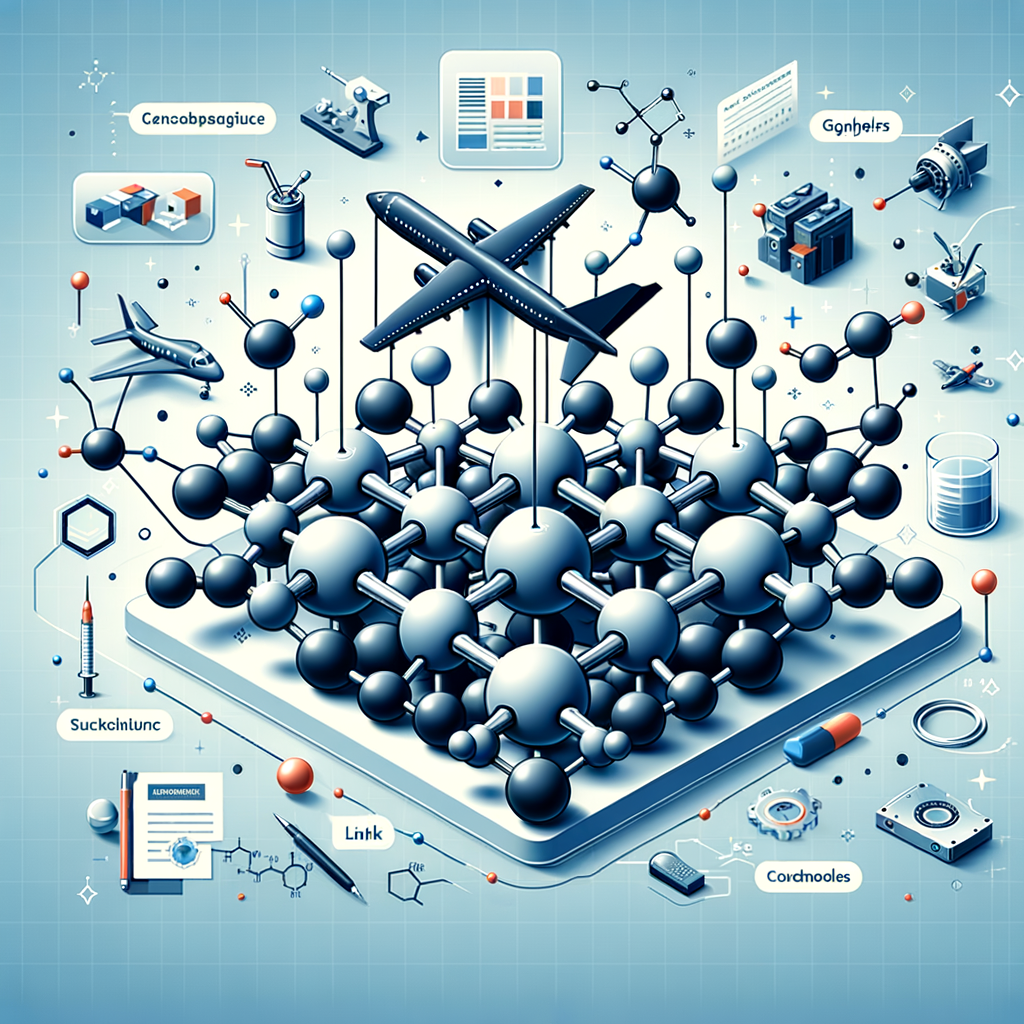
The first significant area of innovation in aerospace polymer coatings is the breakthroughs in polymer chemistry. By engineering new polymers with specific properties tailored for aerospace applications, researchers have created coatings that are not only more effective but also versatile over a range of conditions. Polymer chemists have been focusing on developing high-performance polymers that offer excellent thermal, chemical, and environmental resistance, which are critical for aerospace applications. For instance, fluoropolymers are gaining prominence owing to their outstanding resistance to oxidation and thermal degradation, while polyurethanes are noted for their flexibility and impact resistance.
Innovative polymers such as these enable manufacturers to produce coatings that provide long-lasting protection for aircraft components. This innovation is particularly crucial because aerospace components are continually exposed to challenging conditions, including ultraviolet radiation, extreme temperatures, and chemically aggressive environments. As coatings must maintain their protective qualities under these conditions, the development of such high-performance polymers represents an essential advancement in ensuring the safety and efficiency of aircraft.
Additionally, the introduction of multifunctional polymer coatings has allowed manufacturers to incorporate several desired attributes into a single coating system. By embedding functionalities such as anti-icing, anti-corrosion, and even self-healing capabilities, these coatings provide comprehensive solutions to common challenges faced in aerospace. This capability eliminates the need for multiple layers of different materials, thereby reducing weight and simplifying the coating process, ultimately saving time and resources during maintenance operations.
Improvements in Manufacturing Processes
Innovations extend beyond the polymers themselves to encompass the manufacturing processes used to apply these coatings. Modern techniques such as plasma-enhanced vapor deposition (PEVD) and thermal spraying allow for coatings to be applied with greater precision and consistency. These processes enable better control of the coating thickness and uniformity, leading to improved performance and longevity of the coatings. This precision is vital for ensuring that the coatings function as intended in preventing corrosion, damage, and wear.
Furthermore, advancements in application techniques mean that polymers can be applied more efficiently with less waste. These enhanced application processes also reduce the risk of defects and inconsistencies, which can lead to performance degradation. The improved quality assurance made possible by these techniques ensures that each aircraft benefits from the protective and performance-enhancing capabilities of the polymer coatings. An added benefit is the reduced environmental impact due to more efficient use of materials, aligning with the global trend towards sustainable manufacturing practices.
The integration of digital technologies, such as computer modeling and automated systems, has further optimized the application process. These technologies facilitate precise control over spray patterns, coating thickness, and curing times, which leads to excellent reproducibility across batches. Automation also reduces the potential for human error, guaranteeing higher quality and reliability. As aerospace manufacturing becomes increasingly complex, these technology-driven approaches provide the foundation for creating more efficient manufacturing processes.
Sustainability in Aerospace Coatings
Environmental considerations are becoming increasingly paramount within the aerospace industry, and polymer coatings are no exception. Traditional coatings often incorporate volatile organic compounds (VOCs), which are harmful to the environment and can pose health risks. Modern innovations in polymer coatings have focused on eliminating or reducing these compounds through the use of waterborne and bio-based polymers.
Waterborne polymer coatings present an environmentally friendlier alternative to their solvent-based counterparts by employing water as a primary solvent, significantly reducing VOC emissions. Furthermore, these waterborne technologies can achieve high performance without compromising the integrity of the coating. As regulations around VOCs become more stringent, the aerospace industry is ready to comply by adopting these more sustainable alternatives.
Innovations have also led to the development of bio-based polymers derived from renewable resources such as vegetable oils and sugars. These materials can be synthesized into coatings that perform on par with traditional synthetic polymers. The ability to produce these materials sustainably offers a promising path towards reducing the aerospace industry’s carbon footprint.
In addition to their environmental benefits, sustainable coatings often provide enhanced functional properties, such as self-cleaning or hydrophobic surfaces, further increasing the performance benefits of using these advanced coatings. The aerospace industry’s shift towards sustainable practices is not just about meeting regulatory demands but also about committing to long-term environmental stewardship and efficiency improvements.
Applications of Aerospace Polymer Coatings
The applications of polymer coatings in aerospace are diverse and expanding. From the fuselage and wings to engine components and interior parts, the versatility of polymer coatings is being increasingly exploited to extend the life of aircraft components while maintaining optimal performance. Exterior coatings must endure harsh environmental conditions and prevent corrosion and degradation. In contrast, interior coatings are often designed for specific purposes such as enhancing aesthetic appeal or improving passenger safety by reducing flammability and providing antimicrobic properties.
In the engine sector, polymer coatings are essential for parts that are subject to extreme temperatures and high-stress conditions, enhancing the efficiency and durability of engine components. The implementation of polymer coatings helps reduce wear and tear and improve heat resistance, which significantly contributes to extending the engine’s operational life and performance.
Additionally, the use of coatings in other aircraft areas such as cockpit displays and instrument panels is gaining attention. Specially designed coatings enhance visibility and protection against contaminants to ensure that these critical components function without obstruction. These applications underline the adaptability and capability of polymer coatings to meet the unique needs of various components within an aircraft.
Future Potential and Challenges
Looking ahead, the potential for further innovation in aerospace polymer coatings is substantial. Emerging technologies such as nanotechnology promise to introduce new functionalities that will enhance both the performance and durability of aerospace coatings. For example, the use of nanoparticles could lead to the development of ultra-thin coatings that are lighter and offer improved barrier properties against corrosion and wear.
However, challenges remain in the widespread adoption of these cutting-edge coatings. The development costs and the need for rigorous testing to meet the strict safety standards in the aerospace industry can be significant. Additionally, the need for interoperability with existing maintenance systems can slow the introduction of new materials. Continuous research and collaboration between material scientists, engineers, and aerospace manufacturers are crucial to overcoming these barriers.
In conclusion, the remarkable innovations in aerospace polymer coatings signal a promising advancement for the industry. These coatings not only advance aircraft performance but also support the industry’s sustainability and efficiency goals. Continued innovation is key to unlocking the full potential of polymer coatings, ensuring that they meet the evolving needs of modern aerospace applications. By focusing on refined polymer chemistry, advanced manufacturing processes, and sustainability, the aerospace industry is well-positioned to face future challenges and embrace opportunities for enhancement. Through these efforts, polymer coatings will remain a cornerstone of aerospace innovation, driving improvement across the board in safety, performance, and environmental stewardship.
Conclusion
The aerospace industry stands on the cusp of significant transformation, driven in large part by the innovative advances in aerospace polymer coatings. These advancements hold the promise of revolutionizing how aircraft are protected and maintained, addressing the industry’s call for materials that can withstand the rigorous demands of flight while also contributing to greater efficiency and environmental sustainability. The development of new polymers capable of surmounting challenging environmental conditions while offering multifunctional properties exemplifies the cutting-edge research fueling these changes.
The improvements in manufacturing methodologies, such as automated application processes and digital integration, ensure that the benefits of these advanced coatings are realized with precision and consistency, reducing both waste and the potential for error. The shift towards sustainable practices, including waterborne and bio-derived polymers, aligns with global environmental goals while maintaining or even enhancing performance standards. As the aerospace sector progresses, the role of polymer coatings as a fundamental element of aircraft design and maintenance is poised to grow further, underpinning efforts to achieve operational excellence and environmental responsibility.
However, continued research, collaboration, and investment will be essential to fully harnessing the potential of these innovations. By addressing existing challenges and clearing the hurdles to widespread adoption, the aerospace industry can ensure these coatings form a cornerstone of its technological advances. Consequently, aerospace polymer coatings stand as a testament to human ingenuity, continually expanding the limits of what is possible in one of the most demanding engineering fields. In embracing these cutting-edge developments today, the industry lays a robust groundwork for tomorrow’s breakthroughs, ensuring aircraft are safer, more efficient, and environmentally conscious.
Frequently Asked Questions
1. What are polymer coatings, and why are they important in the aerospace industry?
Polymer coatings are specialized layers of polymeric materials that are applied to aircraft surfaces and components. These coatings are crucial in the aerospace industry because they significantly enhance the durability and performance of aircraft. By creating a protective barrier, they shield components from extreme atmospheric conditions, ultraviolet radiation, corrosion, and wear. With advances in polymer technology, these coatings have become lighter and more efficient, which contributes to fuel savings and extended service life of aircraft parts. Furthermore, polymer coatings also improve the aerodynamics of the aircraft by maintaining smoother surfaces, thus enhancing flight efficiency.
2. How do innovations in aerospace polymer coatings contribute to the safety of aircraft?
Innovations in aerospace polymer coatings play a crucial role in improving the safety of aircraft by providing superior protection against environmental and operational hazards. These state-of-the-art coatings, often engineered at a molecular level, can withstand higher temperatures, resist chemical exposure, and prevent corrosion better than traditional coatings. By minimizing wear and extending the life span of structural components, these coatings reduce the likelihood of mechanical failures. Additionally, advanced coatings can incorporate self-healing capabilities, allowing minor damages to be autonomously repaired, maintaining structural integrity and safety without immediate human intervention. This ensures that aircraft can operate safely even under challenging conditions, providing peace of mind to both manufacturers and operators.
3. In what ways do polymer coatings enhance the cost-efficiency of aircraft maintenance?
Polymer coatings are pivotal in reducing the operational costs associated with aircraft maintenance. First and foremost, they drastically reduce the need for frequent repairs by providing long-lasting protection against wear and corrosion. The reduced frequency of maintenance translates to fewer operational downtimes, which can be significantly costly for airlines. Moreover, the development of lightweight coatings contributes to fuel efficiency as they add minimal additional weight to the aircraft, enabling the airlines to save on fuel consumption. Furthermore, some innovative polymer coatings are designed to be easily applied and removed, simplifying the maintenance procedures and saving labor costs. Overall, the incorporation of these advanced coatings ensures cost benefits throughout the aircraft’s operational lifespan.
4. How do polymer coatings affect the environmental impact of the aerospace industry?
Polymer coatings positively impact the environmental sustainability of the aerospace industry in several ways. Modern polymer coatings contribute to fuel efficiency by reducing the drag and weight of aircraft, which leads to lower fuel consumption and reduced carbon emissions. Additionally, many of these innovative coatings are developed with environmentally friendly materials that avoid the use of volatile organic compounds, which are harmful to the environment. Some advanced polymer coatings also offer improved thermal properties, which enhance the efficiency of heating and cooling systems in aircraft, further minimizing energy usage and emissions. By focusing on sustainability, innovations in polymer coatings help the aerospace industry reduce its ecological footprint.
5. What are some recent technological advancements in aerospace polymer coatings?
Recent technological advancements in aerospace polymer coatings have ushered in a new era of materials science and engineering in aviation. One significant advancement is the development of nanostructured coatings, which provide superior protective and functional properties at a fraction of the weight. These nanocoatings can offer enhanced resistance to water and ice accumulation, which is crucial in maintaining aircraft performance in adverse weather conditions. Another breakthrough is the creation of self-healing coatings, which incorporate microcapsules that release healing agents when damaged, thus extending component longevity without external intervention. Additionally, conductive coatings have been developed to respond to certain electromagnetic interferences, enhancing the communication and radar systems of aircraft. These technological strides demonstrate the potential of polymer coatings to revolutionize aerospace engineering further.