Polymers are the backbone of countless products we use daily, from packaging materials to automotive components. Their versatility and adaptability stem largely from the additives and enhancers integrated during manufacturing. These substances modify and improve polymer properties, tailoring them to specific applications and performance requirements. Recent technological advancements have ushered in a new era of innovation in polymer additives, significantly impacting the polymer industry’s landscape.
Understanding Polymer Additives
Polymer additives are compounds incorporated into polymers to enhance or impart specific properties. They play a crucial role in modifying characteristics such as durability, flexibility, thermal stability, and resistance to environmental factors. Common categories of polymer additives include:
- Plasticizers: Increase flexibility and workability of polymers.
- Stabilizers: Protect polymers from degradation due to heat, light, or oxygen exposure.
- Flame Retardants: Reduce flammability and enhance fire resistance.
- Fillers: Improve mechanical properties and reduce production costs.
- Colorants: Provide desired colors and aesthetic qualities.
Technological Advancements Driving Innovation
The polymer industry is experiencing a wave of innovation driven by technological advancements in several key areas:
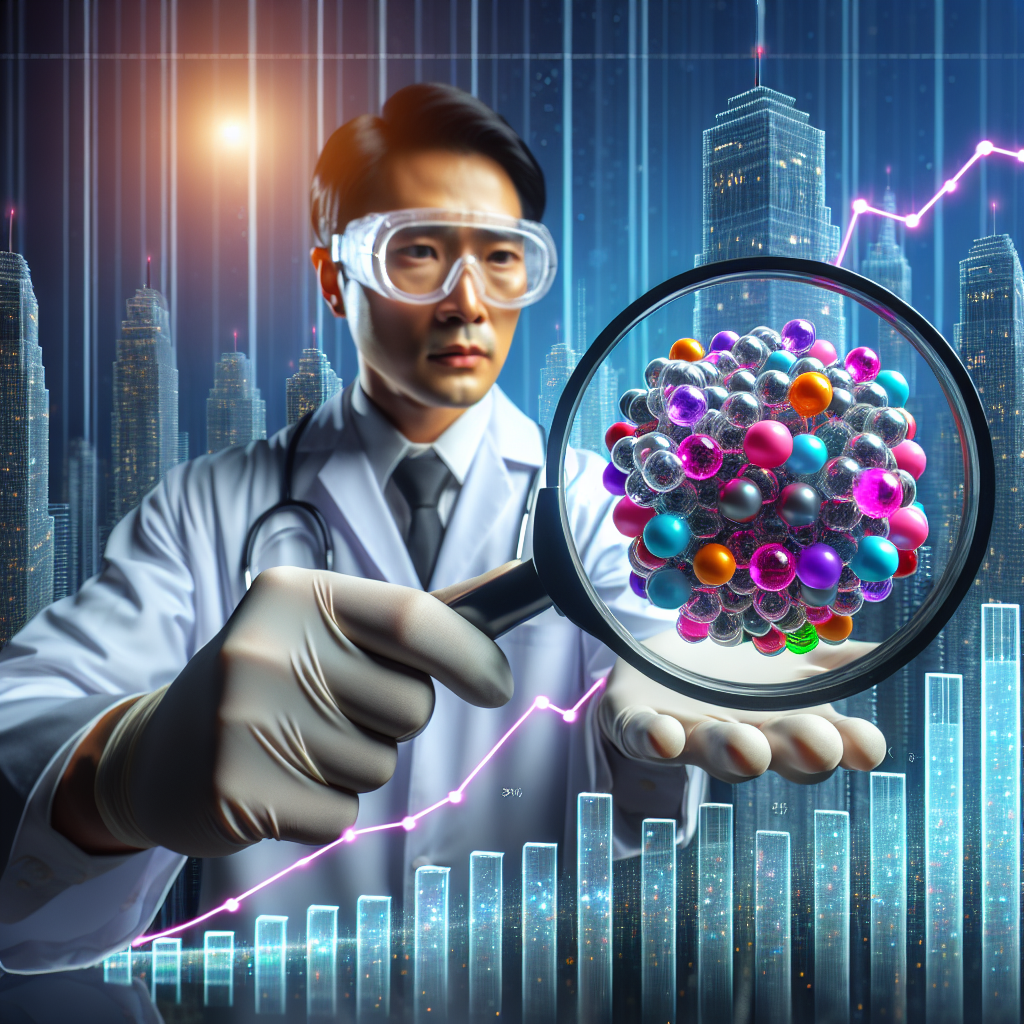
- Nanotechnology IntegrationNanotechnology has revolutionized polymer additives by enabling the incorporation of nanoparticles to enhance material properties. Nano-additives, with particle sizes less than 100 nanometers, offer improved strength, conductivity, and thermal stability. For instance, incorporating nanoclay into plastics can significantly enhance barrier properties, making materials more resistant to gas and moisture permeation. Plastics Technology
- Bio-Based and Sustainable AdditivesWith growing environmental concerns, there is a significant shift towards developing bio-based and sustainable polymer additives. These additives, derived from renewable resources, aim to reduce the environmental impact of plastic production and disposal. Innovations in this area include the development of biodegradable additives that enable polymers to break down more easily after use, contributing to a circular economy. Elsafwa Trade
- Smart Additives and Functionalized PolymersThe advent of smart plastics incorporates responsive elements such as sensors, actuators, and self-healing mechanisms into polymer matrices. These smart additives enable polymers to adapt to environmental changes or perform specific functions autonomously, opening new applications in fields like healthcare and electronics. Plastics Technology
- Advanced Manufacturing TechniquesTechnological advancements in manufacturing, such as additive manufacturing (3D printing), have facilitated the development of complex polymer structures with enhanced properties. These techniques allow for precise control over the incorporation of additives, leading to materials with tailored characteristics for specific applications. Silicon Valley Journals
Impact on the Polymer Industry
The innovations in polymer additives and enhancers have profound implications for the polymer industry:
- Enhanced Material Performance: The integration of advanced additives results in polymers with superior mechanical, thermal, and chemical properties, expanding their applicability across various industries.
- Sustainability: The development of bio-based and biodegradable additives aligns with global sustainability goals, reducing the environmental footprint of polymer products.
- Cost Efficiency: Advanced additives can improve processing efficiency and material performance, potentially lowering production costs and enhancing product longevity.
- Market Expansion: Innovative additives open new markets and applications for polymers, particularly in high-tech industries requiring specialized material properties.
Challenges and Future Directions
Despite the significant advancements, the development and integration of innovative polymer additives face challenges:
- Compatibility: Ensuring that new additives are compatible with existing polymer matrices without adversely affecting their properties.
- Scalability: Developing cost-effective and scalable production methods for advanced additives to meet industrial demands.
- Regulatory Compliance: Navigating complex regulatory landscapes to ensure new additives meet safety and environmental standards.
Looking forward, the polymer industry is poised to continue its trajectory of innovation, with ongoing research focused on:
- Developing multifunctional additives that can impart multiple enhanced properties to polymers simultaneously.
- Exploring renewable and sustainable sources for additive production to further reduce environmental impact.
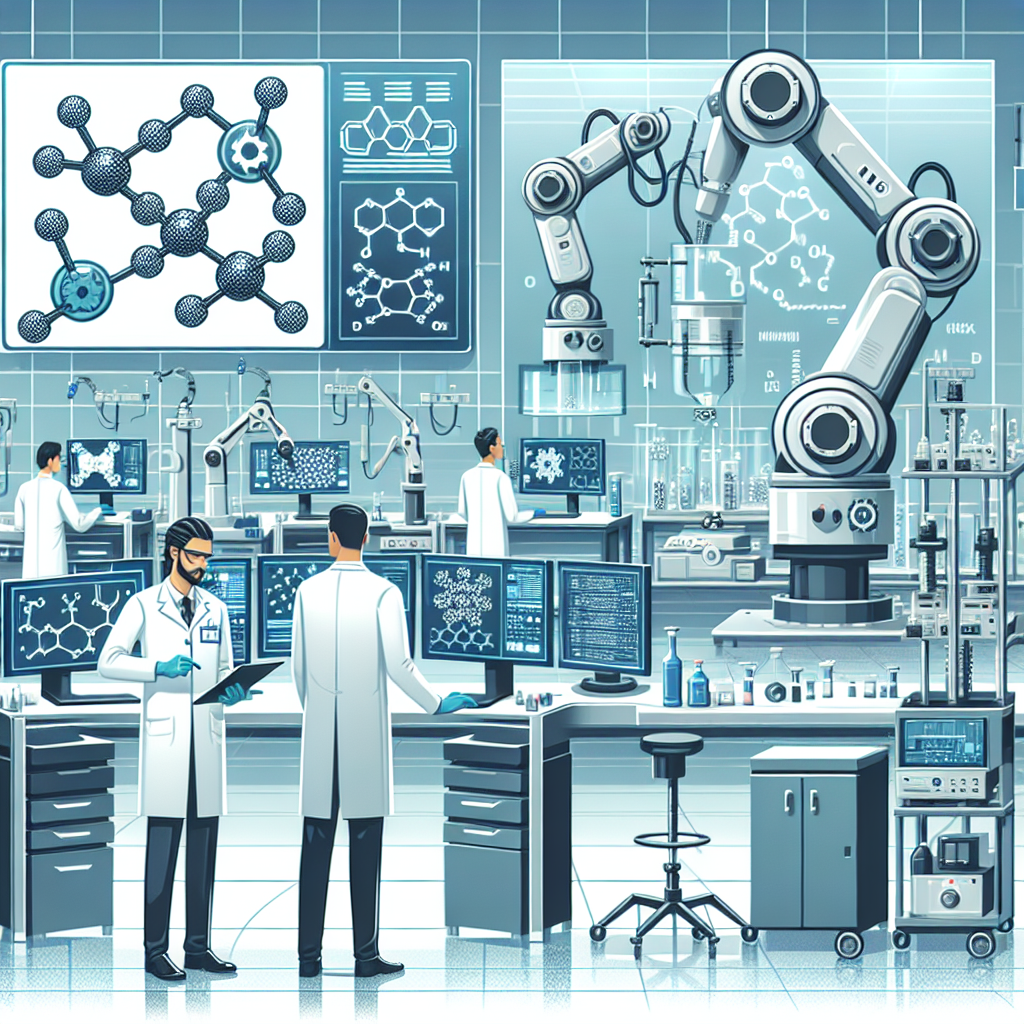
- Leveraging artificial intelligence and machine learning to design and optimize new additives with unprecedented precision.
Conclusion
The landscape of polymer additives and enhancers is rapidly evolving, driven by technological advancements and a growing emphasis on sustainability. These innovations are not only enhancing the performance and functionality of polymer materials but also paving the way for more sustainable and efficient industrial practices. As research and development continue to push the boundaries of what is possible, the future of polymer additives holds exciting potential for the material science industry and beyond.