The innovation in sustainable polymer production methods is a pressing concern in today’s environmentally conscious society. With ever-growing awareness about environmental deterioration and the destructive impact of traditional polymer production, the scientific community is pivoting toward more environmentally friendly alternatives. Polymers are indispensable to modern life, used in packaging, transportation, healthcare, and countless other industries. However, the traditional processes for producing polymers often contribute to pollution, high energy consumption, and reliance on non-renewable resources. This article delves into innovations that aim to revolutionize polymer production, mitigate environmental impact, and reshape industry practices. By focusing on new feedstocks, production processes, and recycling techniques, these advancements seek to create polymers that align better with ecological sustainability goals.
Traditional polymer production heavily relies on petrochemical resources, resulting in significant CO2 emissions. It involves processes that often consume large quantities of energy and generate waste. As the awareness of climate change and environmental protection grows, the demand for environmentally friendly and sustainable polymers is increasing. New methods, including bio-based polymers, advanced recycling technologies, and energy-efficient manufacturing processes, present promising alternatives. Through these changes, industries are not only reducing their carbon footprint but also contributing to the circular economy, enhancing the sustainability of polymer production significantly. Explore the possibilities these innovations offer, observing how they are already beginning to transform the landscape of polymer production and its impact on the environment.
Innovative Feedstocks in Polymer Production
The search for sustainable feedstocks for polymer production is central to the innovation in this field. Bio-based polymers are gaining attention as an alternative to traditional fossil-fuel-based polymers. These polymers are derived from renewable biological resources such as starch, cellulose, lignin, and various vegetable oils. By using these natural resources, the carbon footprint of polymer production is significantly reduced, promoting a more sustainable production cycle. Bio-based polymers such as polylactic acid (PLA) and polyhydroxyalkanoate (PHA) exemplify polymers already in use and have become more prevalent due to their biodegradable properties. PLA is widely utilized in packaging materials, offering compostable alternatives to petroleum-based plastics.
The use of biomass as a feedstock receives considerable attention due to its renewability and potential environmental benefits. Studies show that utilizing lignocellulosic biomass to produce polymers not only aligns with sustainability criteria but also adds value to agricultural waste, which otherwise might be disposed of without extracting its full potential. It is also crucial to consider algae, which are emerging as an exceptional resource in the production of sustainable polymers. Algae can be cultivated in diverse environments, including brackish water, avoiding competition with food crops. They also exhibit rapid biomass production, making them an efficient resource for bioplastic production.
Advancements in Production Processes
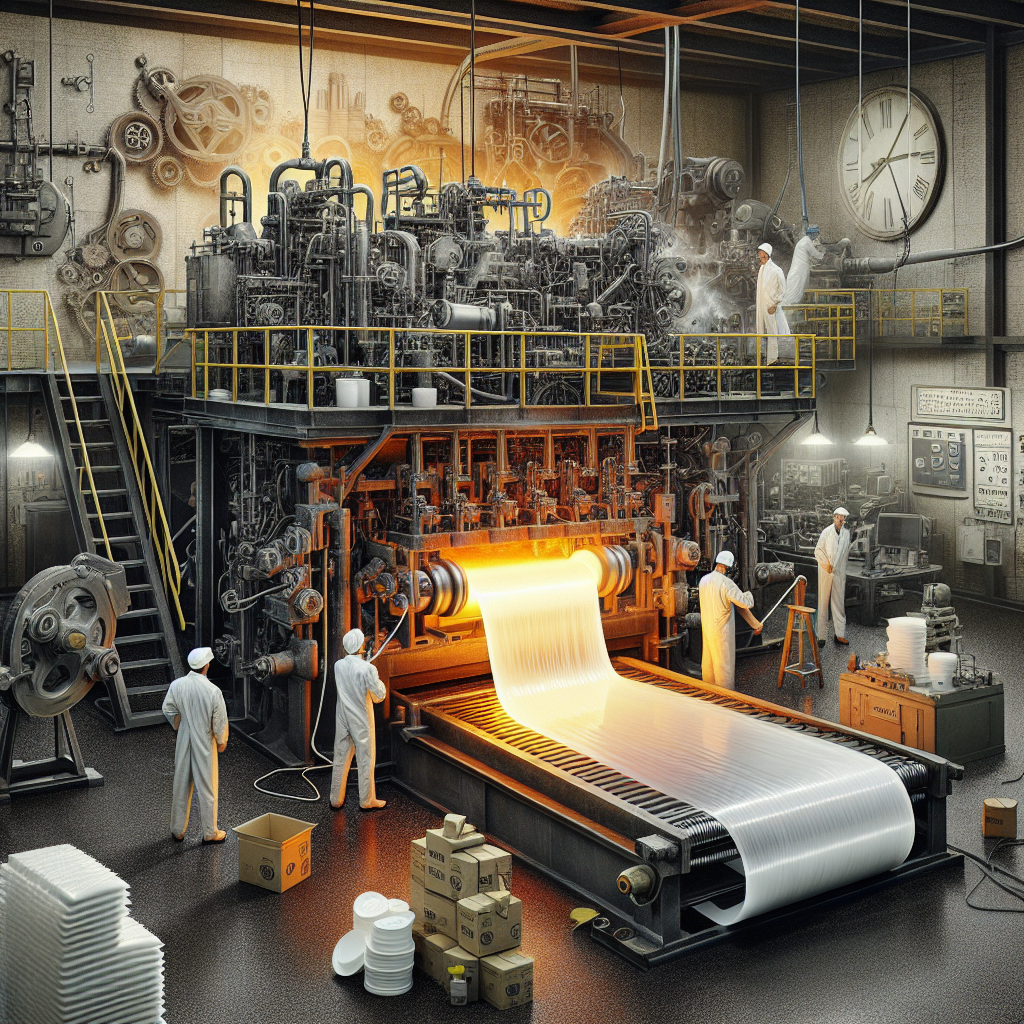
Implementing environmentally responsible production processes is another vital aspect of innovation in sustainable polymer production. Traditional methods involve significant energy consumption and can be environmentally taxing. New methods aim to reduce energy requirements and promote cleaner production pathways. The development of catalysis, enzymatic polymerization, and microwave-assisted polymerization are paving the way for more efficient, sustainable production processes. Catalysis enhances reaction efficiency, allowing for polymerization under milder conditions, significantly decreasing energy consumption and by-product waste.
Enzymatic polymerization is an eco-friendly approach that uses enzymes as catalysts to build polymer chains. This method is promising for its ability to work under benign conditions, potentially eliminating the need for harmful solvents and reducing energy input. Microwave-assisted polymerization is another innovative process that drastically cuts down reaction times and improves energy efficiency. By using microwaves to initiate polymerization, this approach ensures more uniform heat distribution and minimizes processing time, contributing significantly to lowering the overall energy footprint of polymer production.
Innovations in Polymer Recycling Techniques
Recycling plays a critical role in sustainability by ensuring that polymer materials are utilized to their fullest potential. However, traditional recycling approaches often result in polymer degradation and reduced material quality. New recycling techniques, including chemical recycling and closed-loop processes, have emerged to address these challenges. Chemical recycling breaks down polymers into their monomers, which can be repolymerized to create virgin-quality materials. This method presents a significant advantage as it potentially eliminates the structural breakdown that typically occurs in mechanical recycling.
Additionally, the concept of the closed-loop recycling process is gaining traction, particularly in industrial settings. By continuously reusing materials in a closed system, the need for new raw materials can be minimized, and waste generation is significantly reduced. Technologies like depolymerization and purification processes are integral to achieving successful closed-loop cycles, ensuring that materials are not only reused but also retain their functional integrity.
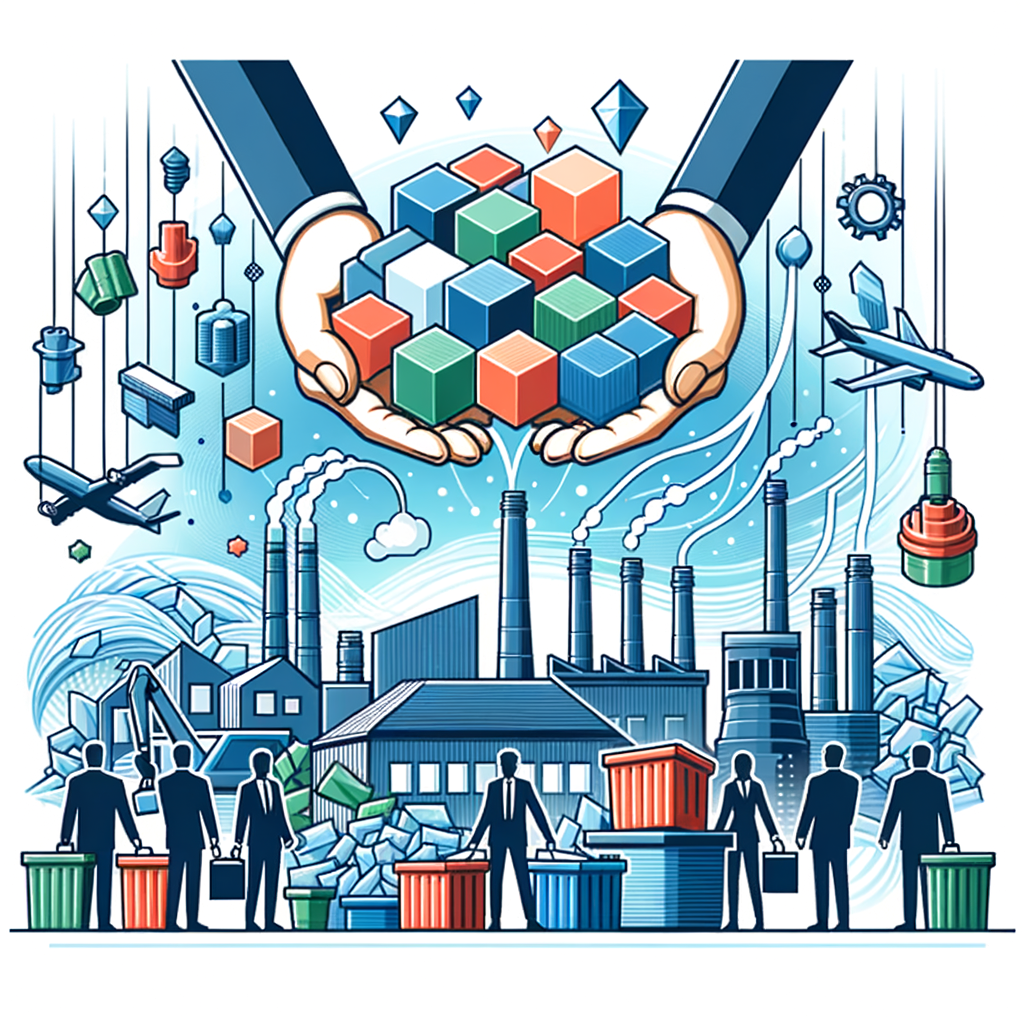
Furthermore, consortium-based advancements encourage collaboration across industries to optimize material use and recycling efficiency. Developing these processes often involves multi-stakeholder efforts combining governmental bodies, industry leaders, and academic institutions. As technologies advance, the potential for closed-loop systems in polymer recycling becomes increasingly feasible, allowing materials to maintain their lifecycle without contributing to waste.
Energy Efficiency and Green Chemistry in Polymer Production
Another pivotal aspect of sustainable polymer production is enhancing energy efficiency throughout the polymerization processes. Innovations in energy utilization are crucial for reducing the environmental impact of manufacturing. Green chemistry principles emphasize minimizing energy use and maximizing efficiency. Reactions occurring at ambient temperatures and reducing the need for external heating or cooling are particular focal points.
Researchers are actively pursuing process intensification methodologies to achieve these aims. Such innovations include employing continuous processes over traditional batch processes, which offer better heat and mass transfer efficiency and often lower energy demand. Organizing the chemical process to streamline the number of required stages can substantially decrease overall energy consumption and improve throughput.
Furthermore, the incorporation of renewable energy sources, such as solar or wind power, directly into manufacturing facilities represents an exciting frontier in sustainable production methods. By integrating these renewable sources into day-to-day production, facilities can substantially reduce their reliance on fossil fuels, further aligning polymer production with sustainability objectives.
The Role of Nanotechnology in Polymer Production
Nanotechnology offers promising avenues for revolutionizing polymer production. Using nanomaterials can lead to significant improvements in the mechanical, thermal, and barrier properties of polymers, enabling high-performance materials that demand less raw input. This contributes to more durable and efficient end-use products and reduces the overall material footprint.
For instance, through the addition of nano-fillers, scientists can enhance the strength and durability of biodegradable polymers, expanding their applicability across industries where traditional polymers have been favored. Applying nanotechnology embeds sustainability directly into the material properties of polymers, aligning with environmental goals while meeting stringent industry demands.
Conclusion
In conclusion, the future of polymer production is being reshaped by innovations geared towards sustainability. From developing bio-based feedstocks to optimizing polymerization processes and advancing recycling technologies, these innovations are creating a new paradigm for polymer manufacturing. Sustainable polymers promise to reduce environmental harm, support carbon neutrality, and bolster the circular economy by integrating renewables and minimizing waste.
Ensuring these technologies become standard practice requires continued research, collaboration across sectors, and adoption of regulatory policies that promote sustainable practices. Initiatives like investing in research and development and incentivizing the use of environmentally friendly polymers can play a critical role in their wider adoption. It is imperative for industries, policymakers, and consumer markets to champion these sustainable alternatives as they aim to address global ecological challenges.
As the polymer industry moves increasingly toward sustainability, we stand at the cusp of transformative change. By capitalizing on innovative methods and ensuring their implementation, industries can dramatically curtail their environmental footprint, contributing positively to global environmental goals and fostering a sustainable future for polymer production.
The journey to greener polymers not only benefits the environment but also represents evolving consumer values and demands. By upholding these innovations, we can commit to a future where sustainable polymers are not just an alternative but the norm.