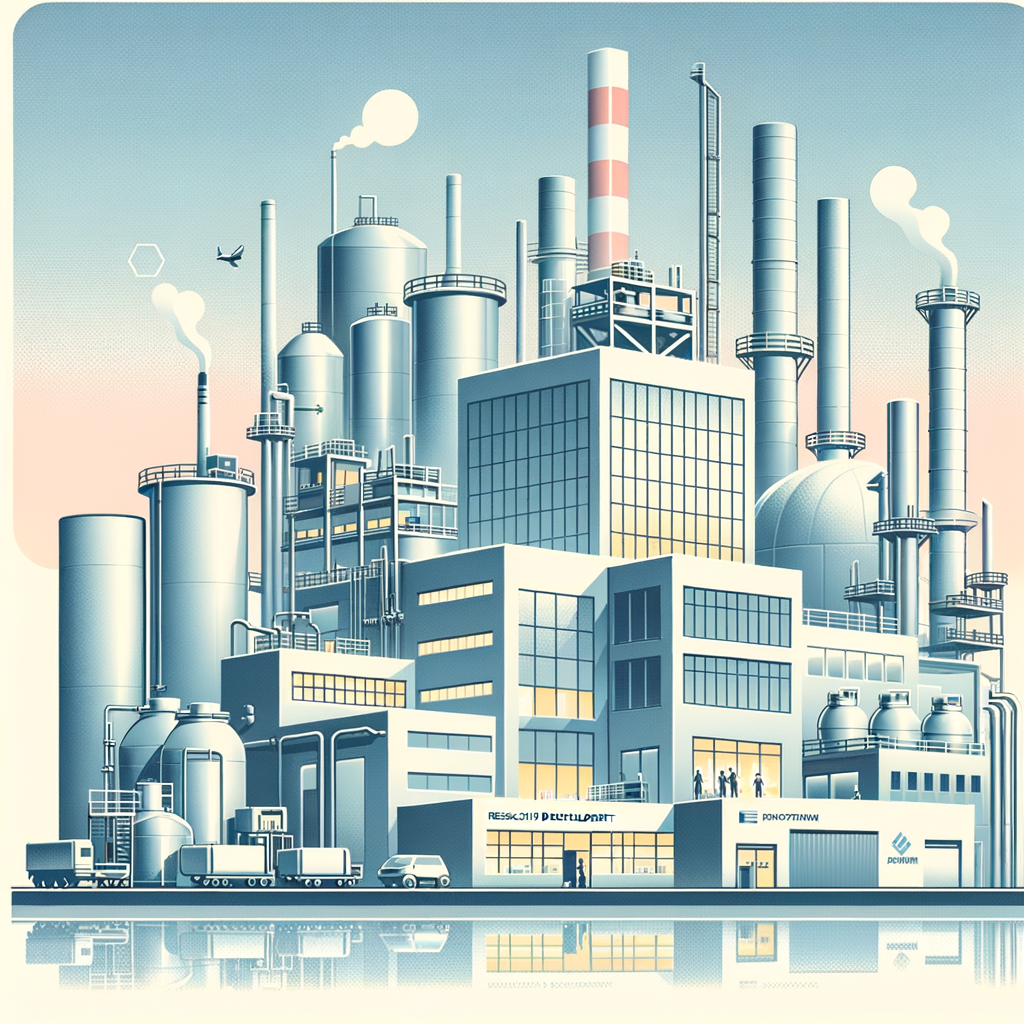
The Indian polymer market has been experiencing dynamic changes over the past few decades, growing into one of the significant segments within the country’s economy. This growth is fueled by various factors such as the rising demand from end-use industries, technological advancements, and increased foreign investments. As a nation with a robust manufacturing base, India is a substantial player in the global polymer industry. Polymeric materials are essential components in a myriad of applications ranging from packaging, automotive, electronics, agriculture, and even medical devices. This article provides insights into the driving forces behind the market’s growth, current trends, challenges, and future prospects within the Indian polymer landscape.
The polymer sector in India is closely allied with its economic development. As the country aims to improve its infrastructure and industrial capabilities, the demand for polymers sees a corresponding rise. As industries increasingly adopt polymers for their versatile properties, including flexibility, durability, and resistance to environmental factors, polymers have become indispensable. Additionally, the government’s ‘Make in India’ initiative has amplified local manufacturing, promoting the usage and innovation of polymer materials. The widespread adaptability of polymers makes them a cornerstone in India’s path toward technological advancement and sustainability.
Furthermore, the Indian polymer market is diversifying in alignment with global environmental priorities. The shift towards sustainable and recyclable polymers is noticeable, prompted by consumer demand for eco-friendly and bio-based alternatives. The market’s trajectory reflects a combination of domestic manufacturing capacity, consumer trends, regulatory frameworks, and advancements in polymer technology. Understanding the multifaceted aspects of the Indian polymer market is crucial for stakeholders aiming to harness opportunities within this thriving sector.
Market Dynamics and Key Drivers
The Indian polymer market exhibits a complex interplay of various dynamics and key drivers that are instrumental in shaping its trajectory. Intense industrialization, coupled with the rapid expansion across sectors such as automotive, construction, and consumer goods, underpins the burgeoning demand for polymers. India’s automotive industry, for instance, extensively uses polymers due to their light-weight and cost-effective properties. This sector is pivotal in driving polymer demand as it transitions toward electric vehicles, which require innovative materials for battery casings and lightweight components to optimize energy efficiency.
Furthermore, the construction sector’s growth is another substantial driver for polymer consumption. As the Indian government invests in large-scale infrastructure projects and smart cities, polymers provide indispensable solutions due to their durability and ease of installation. Polymers such as PVC and polyethylene find extensive use in piping, insulation, and fittings, crucial to both residential and commercial construction projects. The versatility of polymers contributes to the efficiency and sustainability of these projects.
The packaging industry is perhaps the most significant consumer of polymers in India. The surge in e-commerce and increased consumerism have sparked a demand for efficient, durable, and lightweight packaging materials. Polyethylene terephthalate (PET) and polypropylene are among the most commonly used polymers in packaging solutions, supporting the logistics and retail sectors. Additionally, consumer preferences for convenient and attractive packaging necessitate innovative polymer solutions tailored to diverse needs.
Technological advances further amplify the polymer market’s growth. With continuous innovations, manufacturers are developing high-performance polymers catering to specialized applications. Enhanced properties such as heat resistance, electrical conductivity, and bio-compatibility open new avenues in advanced sectors like electronics and healthcare. As a result, innovative polymers are being increasingly integrated into sophisticated applications, thereby broadening the spectrum of polymer utility in the Indian market.
Foreign direct investments (FDI) also serve as a pivotal growth engine propelling the Indian polymer market forward. Global players recognizing India’s vast market potential have contributed to technology transfer, manufacturing capabilities, and capital influx. This influx facilitates the development of state-of-the-art facilities designated for polymer research and production, which are vital in competing on a global stage. Such investments also promote cross-industry collaboration, enabling local manufacturers to leverage international expertise and innovation.
Challenges in the Indian Polymer Market
Despite the robust growth trajectory, the Indian polymer market faces several challenges that could hinder its development. One of the critical issues is the volatility in raw material prices, primarily due to fluctuating crude oil prices and geopolitical tensions. Since polymers are often derived from petrochemical processes, any disruption in supply chains or price hikes significantly impact production costs and profitability for manufacturers.
Additionally, environmental regulations are increasingly becoming stringent, compelling companies to adopt more sustainable practices. India is steadily moving toward stricter enforcement of plastic waste management rules, including recycling mandates and bans on single-use plastics. While these regulations are essential for sustainability, they impose additional compliance costs that industries must bear. Companies need to invest in sustainable alternatives like biodegradable polymers or develop efficient recycling processes, both of which require substantial R&D investments.
Moreover, the polymer market in India grapples with a fragmented industry structure, where a mix of large-scale enterprises and numerous small to medium-sized enterprises (SMEs) operate. This diversity can sometimes pose operational inefficiencies, with smaller players often lacking the resources to scale operations, invest in technology, or comply with new regulations. There is also a need for greater infrastructure development to support the entire value chain, from processing to manufacturing and distribution.
Skilled labor shortages and educational gaps in advancing polymer science and technology further impose constraints on the market. To advance innovation and meet sophisticated demand, the workforce must have specialized knowledge and skills. However, there is a noticeable lack of vocational training programs focused on polymer technology, limiting the availability of experts in the field.
Sustainability and Innovation in Polymer Technology
Sustainability is at the forefront of the polymer industry’s evolution, with a shift towards renewable and biodegradable materials becoming more prominent. Indian manufacturers are increasingly focused on producing eco-friendly polymer variations to meet global sustainability standards. Bio-based polymers derived from renewable resources such as corn starch and sugarcane are gaining traction as viable alternatives to traditional petrochemical-derived plastics, showing significant promise in reducing environmental impact.
The development and integration of recycling technologies also play a crucial role in advancing polymer sustainability. Innovations in mechanical and chemical recycling processes create avenues for converting used polymers into valuable raw materials. Government initiatives supporting waste management and recycling infrastructure further bolster the market for sustainable polymers, contributing to India’s goals of achieving a circular economy.
Factoring in technological advancements such as nano-composite polymers, the industry stands at the brink of transformation. These materials incorporate nanoparticles to enhance mechanical, thermal, and barrier properties, catering to advanced applications in aerospace, electronics, and medical fields. Such breakthroughs highlight the persistent innovation drivers within the polymer sector, reinforcing its vital role in technological progress.
Future Prospects of the Indian Polymer Market
The future of the Indian polymer industry appears promising, with several projections indicating substantial growth. As the nation navigates through its industrialization journey, polymers will continue to be integral in supporting diverse industries. Experts predict the market to expand considerably due to rising domestic demands and increased investments in research and development fostering innovation.
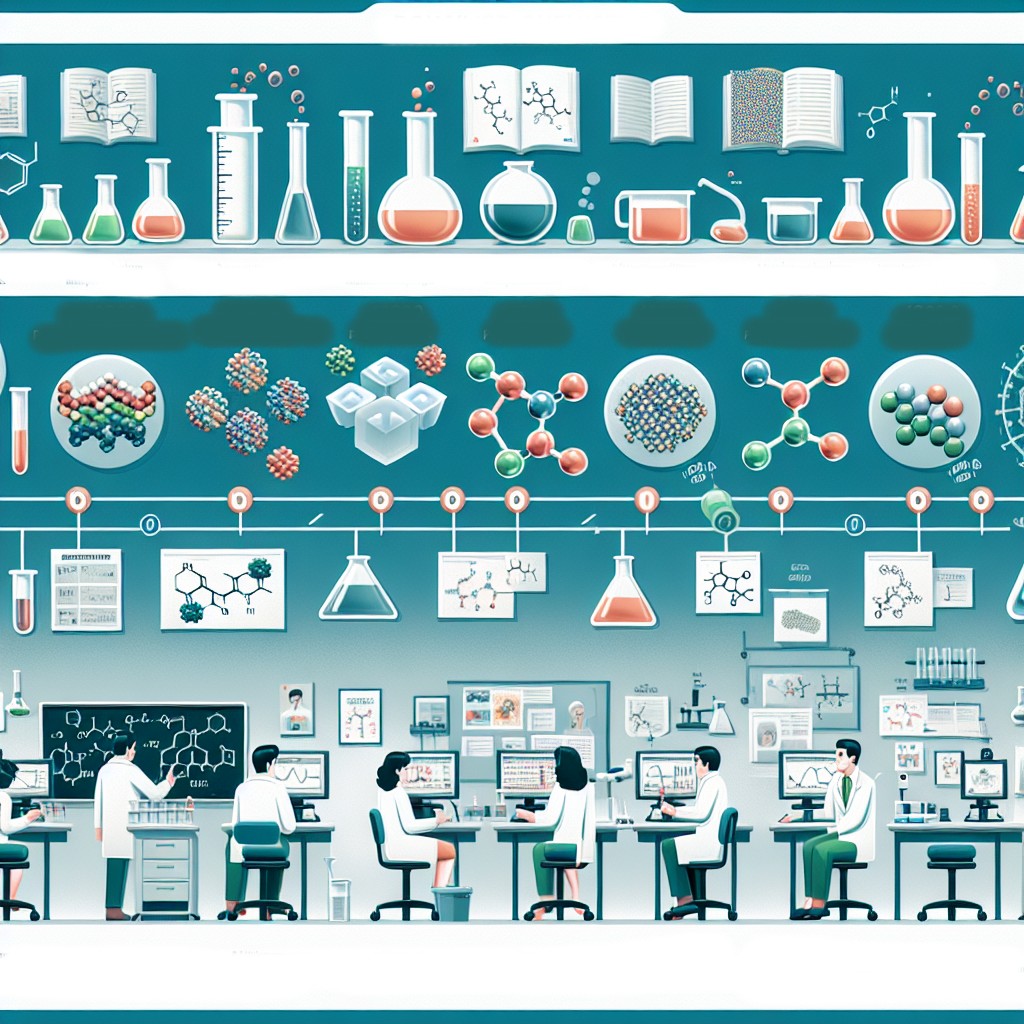
Enhancements in polymer science education and infrastructure are likely to have a positive impact on the market. By equipping the workforce with the necessary skills and knowledge, the industry can harness more sophisticated processes and applications. Collaborative efforts between government bodies, academic institutions, and private sectors could propel the polymer industry to new heights.
The evolution of smart polymers, designed to respond to dynamic environments, presents another potential growth frontier. These polymers have applications in sensors, actuators, and drug delivery systems among others, showcasing vast potential in high-tech fields. Moreover, as technology continues to evolve rapidly, further interdisciplinary research will likely unveil novel applications for polymers beyond the traditional scope.
The growing urban population, burgeoning middle class, and increased consumer awareness about sustainability will consistently drive innovation and demand in the Indian polymer market. The focus will remain on increasing efficiency and reducing environmental footprint while catering to burgeoning industrial needs.
Conclusion
The Indian polymer market is a dynamic and multifaceted component of the country’s industrial landscape, providing insightful opportunities for growth and innovation. This sector significantly contributes to numerous end-use industries, with its trajectory being shaped by economic developments and technological advancements. Various drivers including demand from automotive, construction, and packaging sectors, coupled with foreign investments, position India as a key player in the global polymer marketplace.
Although the sector faces challenges such as raw material price volatility, regulatory shifts, and fragmented industry structure, there is a strong movement towards innovation in sustainable practices. The pursuit of eco-friendly and biodegradable polymers aligns with the global trend of achieving environmental sustainability, ensuring the market’s resilience against future challenges.
Looking forward, the Indian polymer market holds promising prospects with potential growth in smart polymers and other advanced applications. By fostering education, infrastructure, and interdisciplinary research, the industry can unlock new possibilities aligned with sustainable economic growth. As India continues to evolve as an industrial hub, the adaptability and diversity of polymers will remain pivotal elements in meeting future technological and environmental needs.