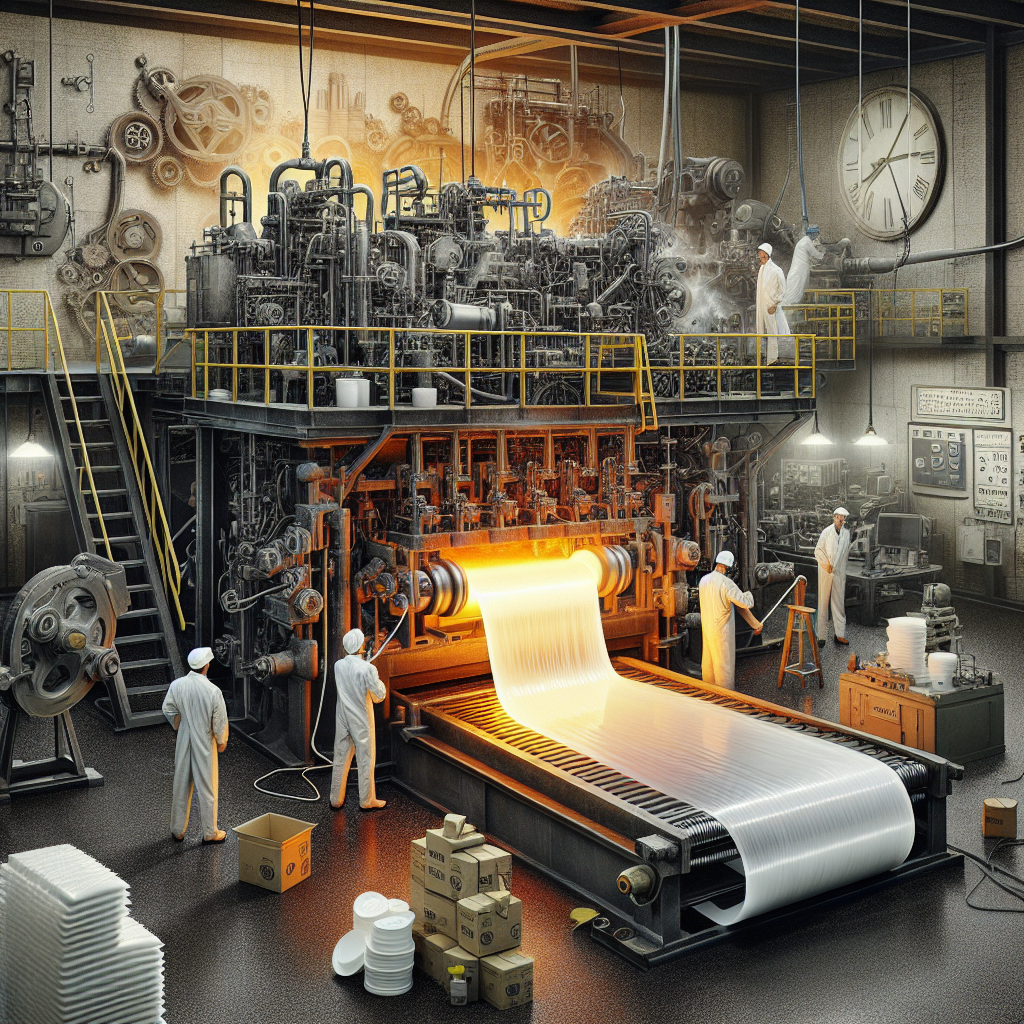
In recent years, the polymer industry in the Russian Federation has carved out a significant niche in the global market, demonstrating robust growth and a promising outlook. Polymers, versatile molecules primarily utilized in producing plastics, elastomers, and resins, are pivotal in various sectors such as automotive, construction, packaging, and health care. The Russian polymer market has shown resilience and adaptability in the face of economic challenges, influenced by strategic investments and governmental policies designed to bolster domestic production and technological innovation. This in-depth exploration of the Russian Federation’s polymer market provides keen insights into current trends, the competitive landscape, opportunities for expansion, and the challenges faced by the industry. The ultimate aim is to furnish manufacturers, suppliers, and investors with a comprehensive understanding of this dynamic market, offering a roadmap for strategic decision-making in this burgeoning sector.
Russia’s geographical expanse, coupled with its abundant natural resources, provides it with a unique advantage in the manufacture and consumption of polymers. From the extraction of raw materials like oil and gas to manufacturing and processing, the country’s polymer industry spans a complex and broad spectrum of operations. The industrial infrastructure supports a substantial production capacity for various types of polymers, ensuring a reliable supply for both domestic consumption and export markets. The synergy between governmental policies and industry stakeholders has further cemented polymers as a cornerstone of Russia’s strategic economic growth. With a diverse array of applications in multiple sectors, understanding the nuances of the Russian polymer market is crucial for all stakeholders committed to maximizing their market presence and forging synergistic industrial partnerships.
Market Structure and Key Players
The Russian polymer market is dominated by several key players that control a substantial share of the production and distribution networks. Among these, companies like Sibur, Nizhnekamskneftekhim, and Kazanorgsintez stand out as major influencers, consistently investing in technology and expanding their production capabilities. Sibur, being the largest integrated petrochemicals company in Russia, plays a predominant role by utilizing state-of-the-art technology and vertically integrated production chains. Its wide array of offerings in polyolefins, elastomers, and intermediates make it a critical player in shaping market dynamics.
Nizhnekamskneftekhim, another titan in the industry, focuses heavily on synthetic rubber and related polymers, serving both domestic and international automotive sectors. Kazanorgsintez provides a broad range of polyethylene products, positioning itself as a leader in supplying insulation materials and vital inputs for infrastructure projects. The collaboration and competition among these entities stimulate innovations and help in maintaining market stability, despite external economic pressures.
Raw Material Availability
Russia’s vast reserves of hydrocarbons present a competitive advantage in raw material sourcing for polymer production. The extensive availability of oil and natural gas serves as a foundation for large-scale petrochemical manufacturing, ensuring cost-efficient production processes. This abundance of resources aids in reducing reliance on imports and enhances the export potential of Russian polymers, especially to European and Asian markets.
The distribution of these resources through an elaborate network of pipelines and transport systems supports seamless supply chain operations, reinforcing the strategic positioning of the Russian Federation as a pivotal player in global polymer supply and logistics.
Technological Advancements
Investment in technology and research is a driving force behind the resilience and growth of the polymer market in Russia. Advanced polymer processing technologies such as controlled polymerization techniques and composite material fabrication are being increasingly adopted. Automation and digitalization in production processes aim to enhance efficiency, minimize waste, and improve product quality.
Collaborations between academia and industry have amplified research activities focusing on developing new polymer blends that offer superior characteristics while being environmentally favorable. The advancement in smart polymers and biodegradable plastics reflects the industry’s commitment to sustainable development and environmental stewardship.
Regulatory Environment and Policies
The Russian government’s regulations and policies are geared towards fostering the growth of its polymer sector by ensuring a competitive marketplace, appropriate environmental stewardship, and sustainable industrial practices. Tariff structures, aimed at protecting domestic producers, and policies encouraging foreign direct investment are integral to this regulatory framework. The government’s pivot towards reducing carbon footprints and enhancing energy efficiency aligns with global sustainability standards and directives, compelling the industry to innovate and adopt greener methodologies.
Furthermore, initiatives supporting infrastructure projects and urban development are anticipated to increase the domestic demand for polymers, stimulating growth prospects in the coming years.
Market Challenges and Opportunities
Despite its strengths, the Russian polymer industry faces several challenges that stem partly from geopolitical tensions and economic sanctions impacting exports and material sourcing. The fluctuating crude oil prices present another layer of complexity affecting production costs and market predictability.
However, emerging opportunities outweigh these challenges, as massive investments are being directed towards modernizing production facilities and enhancing the quality of polymer products. The government’s emphasis on import substitution policies offers domestic manufacturers opportunities to capture a larger market share. Additionally, expanding into emerging economies and establishing partnerships with international firms can diversify market risks and open up new revenue streams.
The ongoing focus on innovation presents pathways for growth in specialized polymers used in advanced applications such as aerospace, energy storage, and biomedical engineering.
Consumer Trends and Demand Patterns
The demand for polymers in the Russian Federation is heavily influenced by the broader economic landscape and consumer trends. As urbanization and industrialization continue, there is increasing demand for polymers in construction, automotive, and consumer goods. The packaging industry, a significant consumer of polymer products, sees growing trends in sustainable and recyclable materials, which are shaping supply-side innovations.
Furthermore, shifts toward enhanced consumer awareness about the environmental impacts of plastic waste are steering the industry to explore biodegradable and eco-friendly polymers. Such trends are reshaping production strategies, with companies increasingly investing in sustainable practices and green technologies to align with consumer expectations and regulatory requirements.
Future Outlook
Looking ahead, the future of the polymer market in Russia seems promising, thanks to concerted efforts towards strengthening production capabilities, embracing sustainable methodologies, and strategic market expansions. The anticipated rise in domestic polymer consumption driven by economic developments and government-backed infrastructure projects will likely propel growth over the next decade.
Additionally, the increasing globalization and interconnected nature of industries position the Russian polymer market to strategically benefit from international trade agreements and collaborative innovations. Prospects of developing smart and bio-degradable polymers to replace conventional plastics align with the overarching global challenge of sustainability and climate change mitigation.
Conclusion
In conclusion, the polymer market in the Russian Federation embodies a complex blend of opportunities and challenges dictated by the evolving economic landscape, technological advancements, and societal expectations. The sector’s future is inextricably linked to strategic investments, governmental policies, and global market dynamics. The promise of technological innovations, coupled with rich resource abundance, positions Russia to continue being a formidable player in the international polymer arena.
The collaboration between the private and governmental sectors plays a pivotal role in navigating the multifaceted challenges, while tapping into emerging opportunities can drive long-term sustainable growth. The industry’s adaptation to consumer demands for sustainability and performance will be crucial in shaping the next phase of growth in this ever-evolving market landscape. Thus, stakeholders must remain vigilant and proactive in addressing market shifts and harnessing the full spectrum of opportunities offered by this dynamic and strategically positioned market in the Russian Federation.