The polymer industry is a fundamental pillar of modern manufacturing, providing essential components for various sectors such as automotive, electronics, medical devices, and packaging. However, like many other industries, it is not immune to supply chain disruptions that can significantly impact production timelines, costs, and overall competitiveness. These disruptions may stem from external factors such as natural disasters, political instability, or economic fluctuations, as well as internal challenges like resource shortages or unanticipated demand spikes. In order to maintain steady operations and ensure timely delivery of products, companies within the polymer industry must adopt comprehensive strategies to overcome these disruptions. This article delves into the causes of supply chain disruptions within the polymer industry and explores strategies that can effectively mitigate these challenges, thereby safeguarding the industry’s resilience and sustainability.
Understanding Supply Chain Disruptions in the Polymer Industry
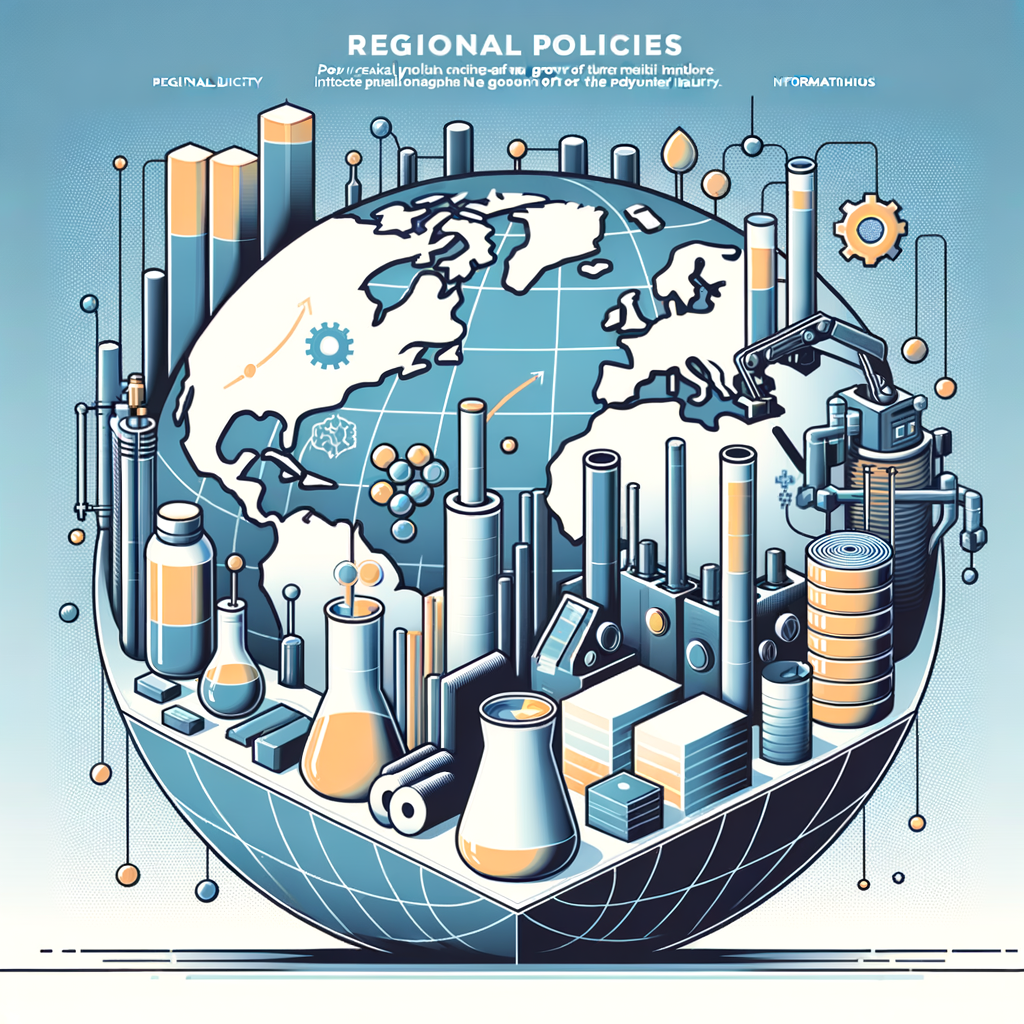
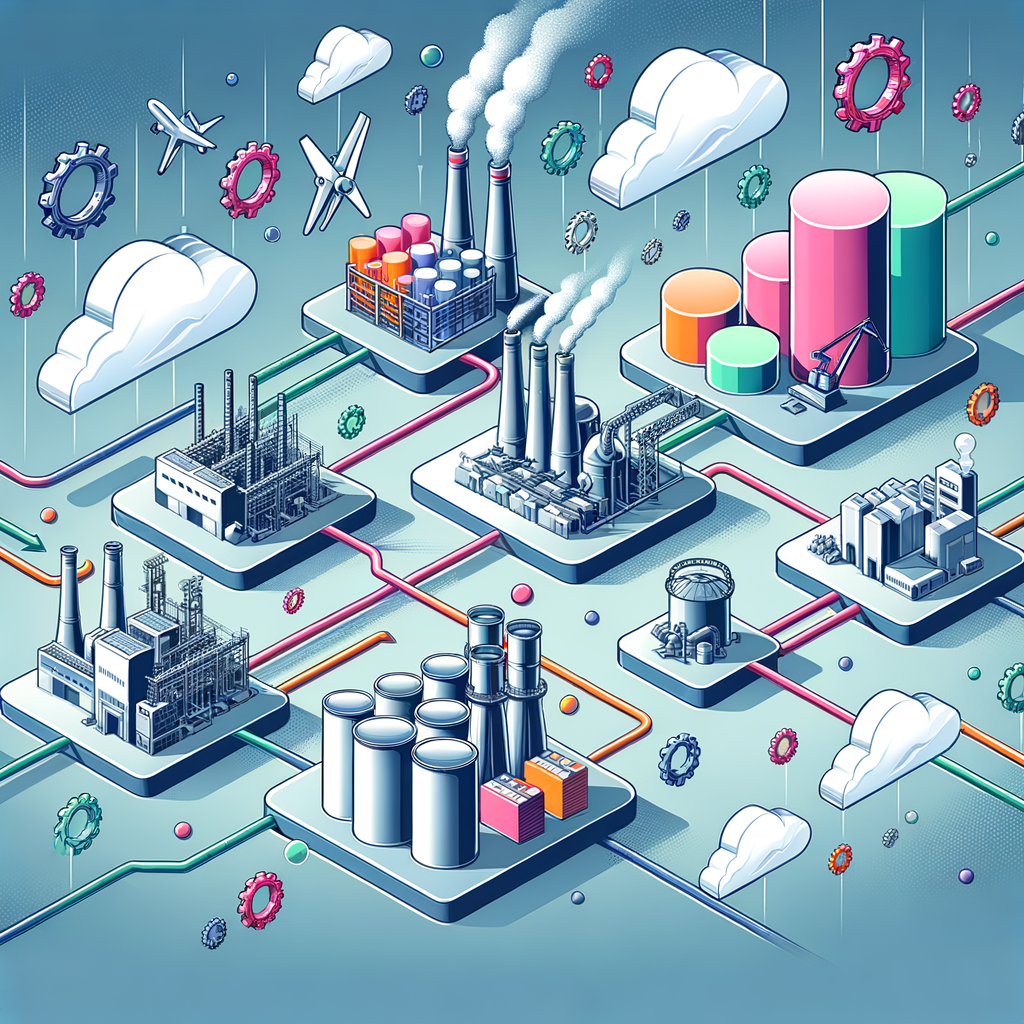
The polymer industry is intricately intertwined with global supply chains, relying heavily on raw materials sourced from various regions around the world. As such, it is susceptible to a myriad of disruption sources. Natural disasters, such as hurricanes or earthquakes, can halt manufacturing facilities and logistic routes, causing significant delays. Political instability in key production or transit regions may restrict material flow, causing bottlenecks. Additionally, economic uncertainty can lead to fluctuations in material costs, affecting companies’ abilities to forecast budgets accurately.
Technological advancements, while generally beneficial, can sometimes introduce disruptions due to sudden implementation challenges or integration with existing systems. Furthermore, regulatory changes, particularly those geared toward environmental sustainability, can force companies to adapt quickly, often before they are fully prepared. Collective bargaining and labor strikes also pose a threat, potentially crippling production for significant durations.
Internal challenges contribute heavily to supply chain vulnerabilities. A lack of diversification in supplier networks can result in dependability on a limited number of sources. This situation can be exacerbated by inefficient data management systems that fail to provide actionable insights, leading to poor decision-making. Additionally, inadequate contingency plans can leave organizations scrambling when an unexpected disruption arises. These internal and external factors provide a landscape filled with potential obstacles for the polymer industry, necessitating robust preparedness and strategy.
Developing a Robust Supply Chain Strategy
To tackle these disruptions effectively, companies within the polymer industry must first focus on risk assessment and management. By identifying potential risks and regularly reviewing them, companies can prioritize the most critical threats and allocate resources efficiently to mitigate them. A dynamic approach to risk management should also incorporate continual monitoring and updating of identified risks and mitigation strategies.
Supplier diversification is an essential aspect of a robust supply chain strategy. Establishing a broad network of suppliers minimizes reliance on a single source and provides alternatives in the event of disruption. Maintaining strong relationships with multiple suppliers can also offer competitive advantages, such as cost negotiations and timely resource allocation. When possible, local sourcing can further insulate companies from global disruptions and logistical complications, as well as reduce carbon footprints, aligning with sustainability goals.
Implementing advanced technologies, such as blockchain, AI, and IoT, can greatly enhance supply chain visibility and efficiency. Blockchain can ensure data transparency and traceability in transactions, while AI can analyze data for predictive insights, helping companies foresee potential disruptions and respond proactively. IoT devices facilitate real-time monitoring of supply chain operations, enabling early identification of possible inefficiencies or safety breaches, leading to timely interventions.
Focus should also be directed toward building resilience within the workforce. Investing in training programs that enhance employee skills ensures that the workforce is prepared to tackle various challenges, including those introduced by new technologies or processes. A motivated and skilled workforce is essential for adapting to changes and maintaining steady operations even during disruptions.
Additionally, agile supply chain practices can significantly contribute to overcoming interruptions. By adopting a flexible approach, companies can quickly pivot their strategies in response to changing circumstances. This agility can be achieved through modular production systems that allow rapid reconfiguration and by fostering a culture of innovation that encourages employees to develop creative solutions for unforeseen problems.
Transparency and communication among supply chain partners are critical in this endeavor. Companies should strive for open communication lines with suppliers, logistics providers, and customers to ensure everyone is informed about potential disruptions and the actions being taken to address them. This improved communication can help build trust and foster collaboration, ultimately leading to a more coordinated and efficient response to challenges.
Moreover, fostering a culture of sustainability within the supply chain can lead to both ecological and economic benefits. Sustainable practices not only help meet regulatory requirements but can also enhance brand reputation and customer loyalty. This can include reducing waste, optimizing resource use, and increasing investment in renewable energy sources, all of which contribute to a more resilient and adaptive supply chain.
Finally, scenario planning and investment in contingency reserves are invaluable tools in ensuring preparedness for disruptions. By simulating different disruption scenarios and testing their potential impact on operations, companies can better prepare for real-world situations. Additionally, maintaining emergency stockpiles or financial reserves enables organizations to manage sudden disruptions without significant operational impact or financial strain.
Case Studies of Successful Adaptation
The discussion of strategies would be incomplete without real-world examples of successful adaptation to supply chain disruptions in the polymer industry. One notable case is that of a global polymer manufacturer that faced significant disruption due to a major earthquake impacting its primary supplier. Instead of succumbing to inevitable production delays, the company leveraged its diversified supplier network to source materials from alternative suppliers quickly. Their investment in predictive analytics also played a crucial role, as it provided timely insights that allowed them to make swift and informed decisions, maintaining production timelines without significant hiccups.
Another case involves a company that integrated blockchain technology into its supply chain management practices. By enhancing data transparency and traceability, this company significantly improved its operational efficiencies and reduced the time needed to respond to disruptions. This proactive approach allowed them to pivot quickly during geopolitical tensions that threatened their supply chain flow, thereby maintaining their market position amid the turbulence.
A distinct example is a polymer producer that implemented an innovative waste reduction program aligned with sustainability goals. By optimizing their resource utilization, they not only reduced costs but also increased their resilience against raw material supply disruptions, thereby ensuring continuity in production even when faced with environmental challenges. These case studies underscore the effectiveness of forward-thinking strategies and illustrate how companies can, and do, adapt successfully to unforeseen supply chain disruptions.
Conclusion
The supply chain disruptions facing the polymer industry are complex and multifaceted, demanding a comprehensive approach to ensure resilience and continuity. By adopting robust risk management strategies, diversifying supplier networks, and implementing cutting-edge technologies, companies can better navigate potential obstacles. Training employees, enhancing supply chain transparency, and fostering a community-wide commitment to sustainability are additional key components in building a resilient supply chain. Real-world examples demonstrate that these strategies effectively mitigate risks, ensuring that the polymer industry remains agile, competitive, and sustainable regardless of external challenges.
Proactive and strategic preparations enable companies to transform potential challenges into opportunities for growth and innovation. By embracing and continuously adapting these strategies, the polymer industry can not only withstand disruptions but also thrive in an increasingly unpredictable global landscape. Maintaining a forward-thinking mindset and readiness to adapt will be crucial in overcoming supply chain disruptions now and in the future.