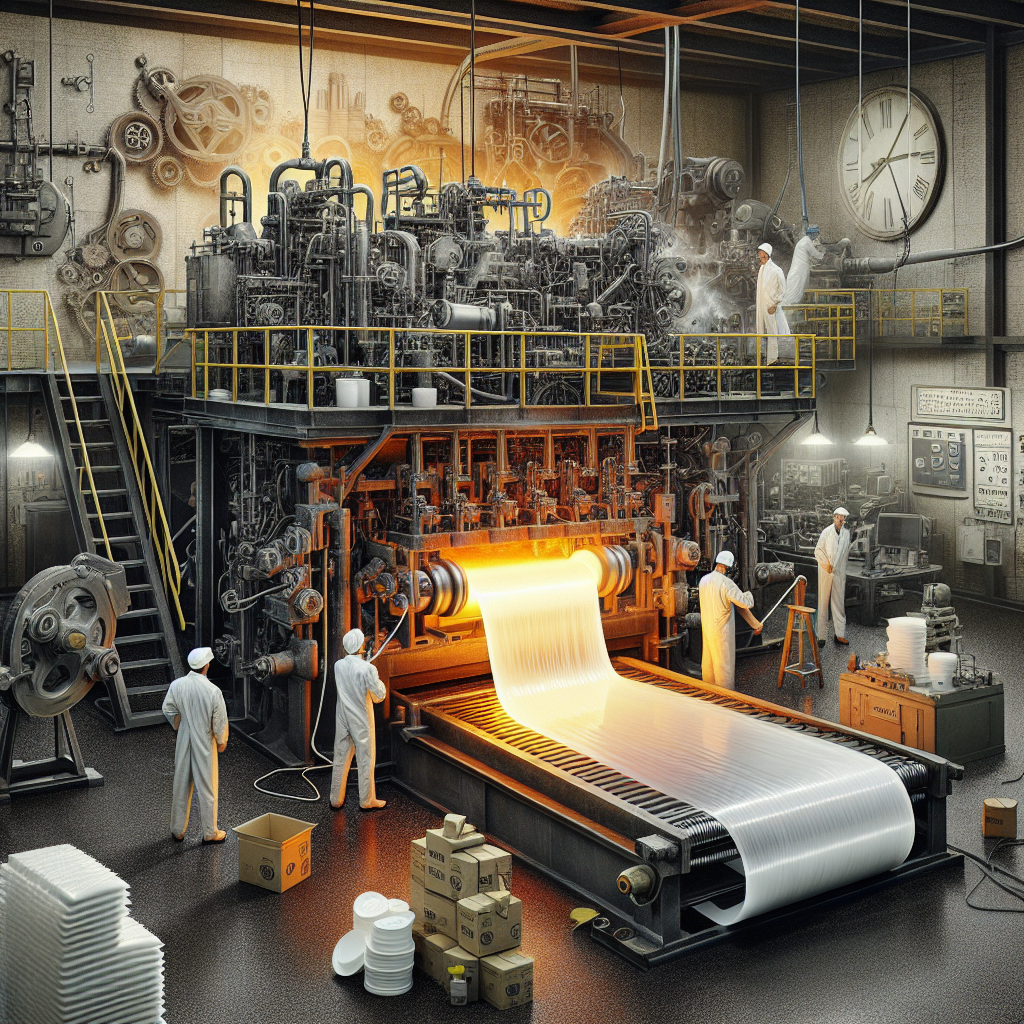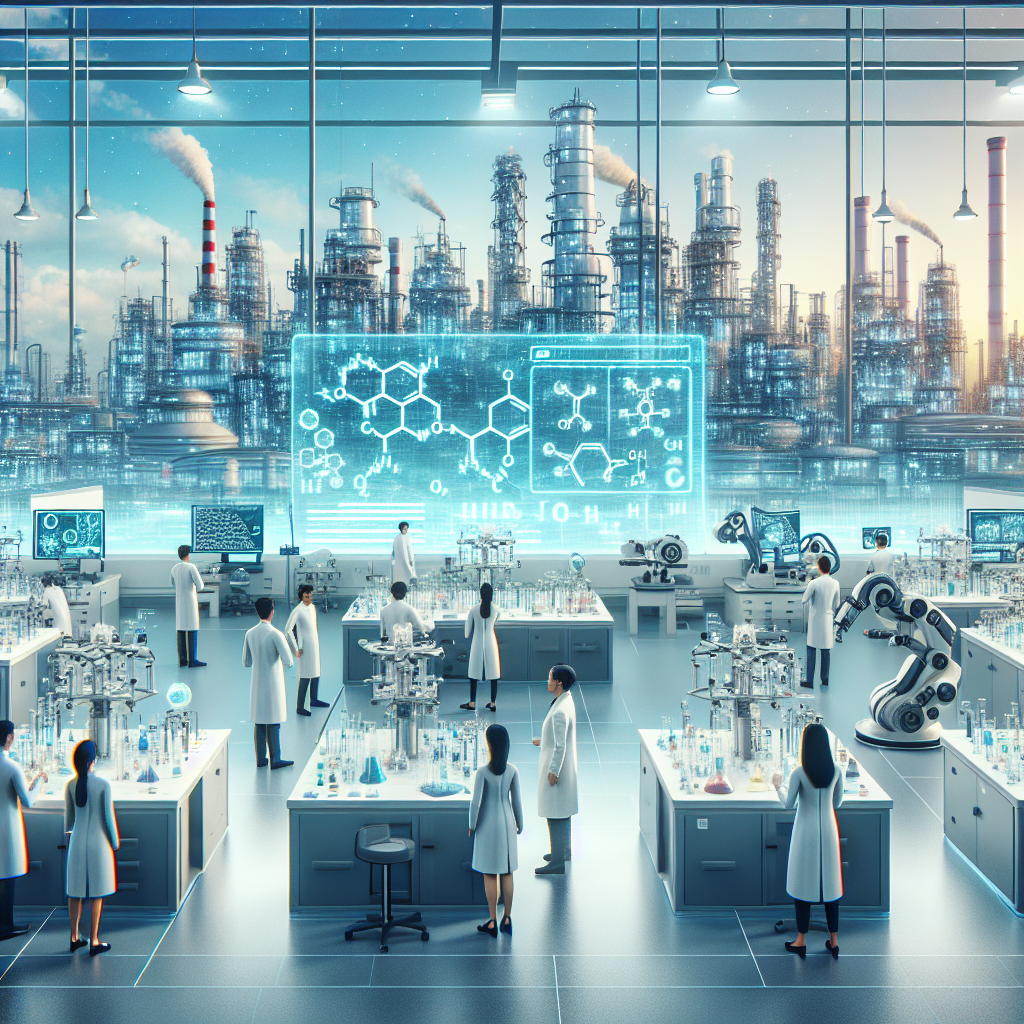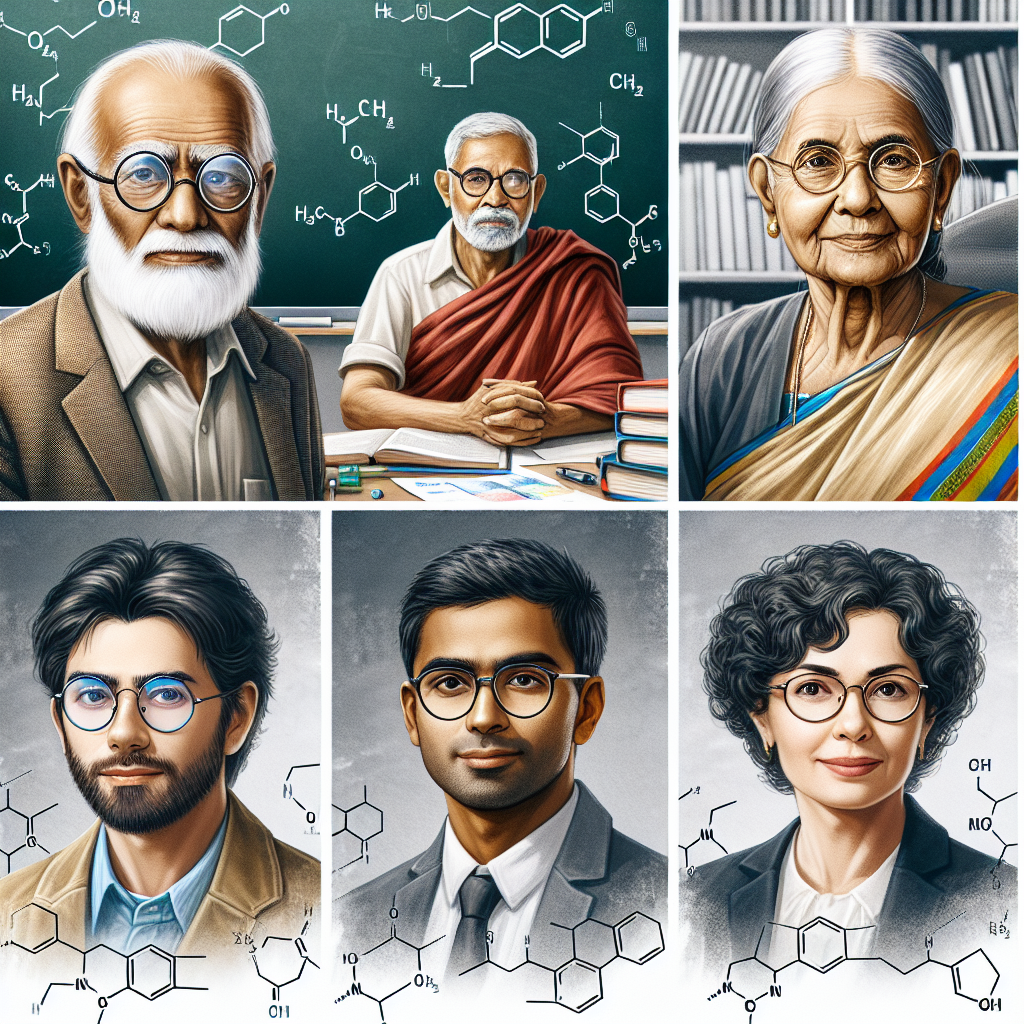
Polymer science has played a crucial role in the modern world, providing materials that are integral to countless applications, from medical devices to automotive parts. The polymer industry, marked by groundbreaking research and innovation, has grown exponentially. In this article, we will take an in-depth look at pioneering researchers in polymer science—those whose contributions have significantly advanced the field.
Understanding the polymer industry involves recognizing the key players who have made a mark with their innovative research and contributions. These individuals have pushed the boundaries of science and created materials that have applications across numerous sectors, thus defining the industry. The story of polymer science is also a story of these remarkable researchers who have shaped its current landscape.
Pioneering Researchers in Polymer Science
Hermann Staudinger: The Father of Polymer Science
Hermann Staudinger is often hailed as the progenitor of polymer science. His work in the early 20th century revolutionized our understanding of macromolecules. Before Staudinger, polymers were thought to be colloidal aggregates of small molecules. Staudinger proposed the macromolecular hypothesis, suggesting that polymers are composed of long chains of repeating units bonded covalently. This theory was initially controversial but eventually gained widespread acceptance, earning him the Nobel Prize in Chemistry in 1953.
Staudinger’s work laid the foundation for modern polymer chemistry. It enabled the development of synthetic polymers, such as nylon and other critical materials that have vast applications in various industries. His insights provided a new way of looking at complex molecules, influencing subsequent research and applications in polymer science.
Wallace Carothers: The Innovator of Synthetic Polymers
Dr. Wallace Carothers, an organic chemist working for DuPont, is best known for his work that led to the creation of nylon and neoprene. Carothers focused on the chemistry of large molecules, specifically looking into how they could be synthesized and manipulated. His contributions are vital to the development of synthetic polymers, which have had profound implications in various fields, including textiles, automotive, and consumer goods.
Carothers’ synthesis of nylon paved the way for the development of other synthetic fibers, altering the textile industry forever. Moreover, his work on neoprene opened new possibilities in creating elastomers, which have found applications in countless products. His research not only changed industries but also illustrated the potential of man-made materials to meet and exceed the properties of natural substances.
Stephanie Kwolek: Pioneering Kevlar
Another significant name in polymer science is Stephanie Kwolek, a chemist whose development of Kevlar fibers transformed the materials used in protective gear, among other applications. Working at DuPont, Kwolek discovered the polymer that would become Kevlar quite unexpectedly while working on a project to find new lightweight, strong fibers. Kevlar’s development marked a significant advancement in polymer materials, offering a combination of high strength and low weight that was unprecedented.
Kwolek’s invention of Kevlar has found uses in bulletproof vests, helmets, and other protective equipment, fundamentally changing personal and occupational safety. It has also been used in various other sectors, including aerospace and the automotive industry, underscoring the versatile nature of polymer science innovations.
Paul J. Flory: Statistical Mechanics Pioneer
Paul John Flory made seminal contributions to the theoretical understanding of polymers. His work on the statistical mechanics of polymer coils, chain lengths, and the behavior of polymers in solutions earned him the Nobel Prize in Chemistry in 1974. Flory’s theories provided a robust framework that allowed for the prediction and understanding of polymer behavior in different environments and formulations.
Flory’s research has broad implications for material science, influencing how polymers are engineered for specific functions. This includes the development of plastics and other materials that perform predictably under various conditions. His theoretical work continues to be fundamental in both academic research and industrial applications.
Karl Ziegler and Giulio Natta: Leaders of Polymer Synthesis
Karl Ziegler and Giulio Natta are other luminaries whose work has had significant implications in the field of polymer science. They were awarded the Nobel Prize in Chemistry in 1963 for their development of catalysts that made possible the synthesis of high-density polyethylene and other stereoregular polymers. Their work on Ziegler-Natta catalysts revolutionized the production of polymers, making it more efficient and enabling the creation of materials with tailored properties.
This advancement has had a considerable impact on the polymer industry, making it possible to produce large-scale, high-quality polymers for a wide range of applications. The work of Ziegler and Natta underscores the importance of catalysts in polymer chemistry and continues to influence the production processes used today.
Conclusion
The polymer industry has blossomed into a multifaceted and indispensable part of modern economic and technological landscapes, owing much to these pioneering researchers. Their work has fundamentally changed how we understand and utilize materials. Each of these scientists brought forth innovations that now underpin various sectors, contributing to advancements in everything from daily consumer goods to high-tech aerospace components.
Understanding the contributions of Hermann Staudinger, Wallace Carothers, Stephanie Kwolek, Paul Flory, and the team of Karl Ziegler and Giulio Natta provides a better appreciation of how far polymer science has come. Their legacies form the bedrock upon which current and future advancements will stand. As new challenges arise and technology continues to evolve, the ongoing research in polymer chemistry remains promising, inspired by these past achievements. The polymer industry’s future is filled with potential, fueled by the continual quest for more sustainable, efficient, and versatile materials. Learning from these pioneers and following in their innovative footsteps will guide the industry’s evolution, ensuring it can meet the demands of future generations.
By understanding and appreciating the foundational work of these key figures, we can better navigate and contribute to the ever-evolving field of polymer science.