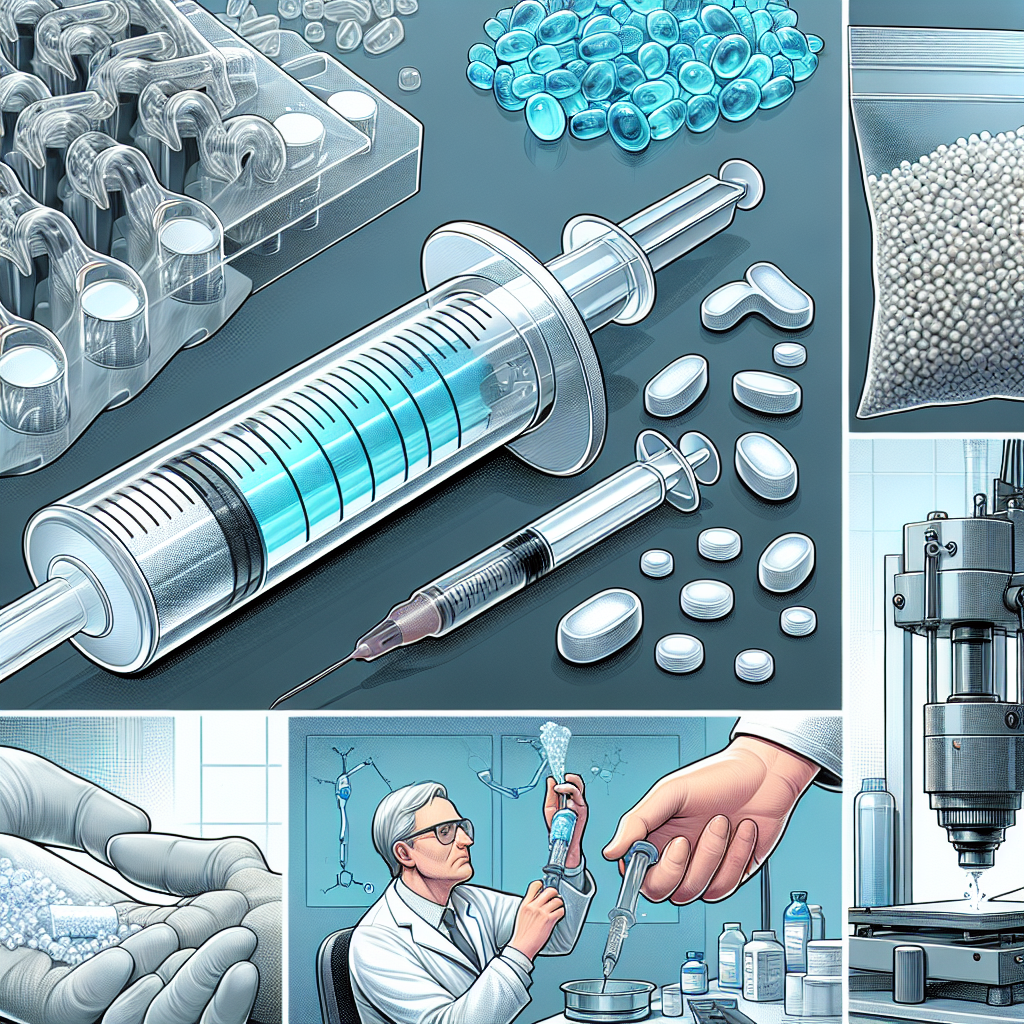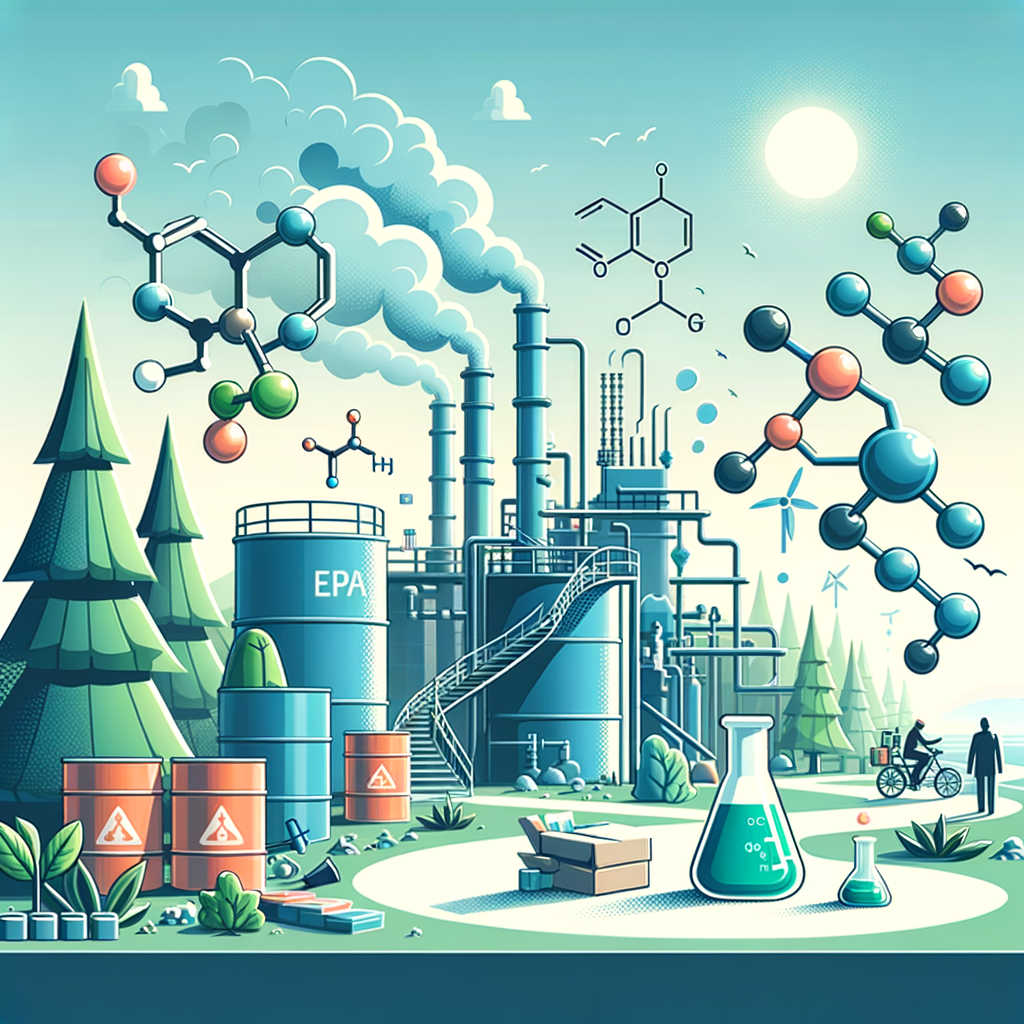
The environmental impact of polymer blend production is a topic of significant concern in today’s world, where the pursuit of sustainable development is becoming increasingly urgent. Polymer blends, which are combinations of two or more polymers to create materials with desirable properties, are ubiquitous in modern industrial practices. They find applications ranging from packaging and automotive components to electronics and medical devices. Despite their widespread use and benefits, the production of polymer blends poses considerable challenges to environmental sustainability. This includes issues related to resource consumption, waste management, and chemical emissions. Understanding these impacts is crucial to developing more eco-friendly processes and minimizing the environmental footprint of these materials.
Polymer blends offer unique advantages by combining the best properties of different polymers, resulting in materials that can outperform single polymer solutions in terms of strength, flexibility, or chemical resistance. However, the benefits often come with a cost to the environment. The process of creating polymer blends involves extensive energy use, resource extraction, and waste generation, which contribute significantly to environmental degradation. Moreover, the life cycle of polymer blends—from production to eventual disposal—often entails persistent issues of environmental pollution, notably through the release of microplastics and other pollutants that can adversely affect ecosystems.
To address the environmental impact of polymer blend production, it’s imperative to explore the intricacies of these processes and identify sustainable alternatives. This involves examining the life cycle of polymer blends, from raw material extraction, manufacturing, usage, and end-of-life management, including recycling and disposal. As such, our discussion will delve into the environmental ramifications at each stage of the polymer blend production process, evaluate ongoing challenges, and highlight potential solutions and innovations within the industry.
Resource Consumption and Emissions
One of the foremost environmental challenges associated with polymer blend production is the high consumption of resources. Producing polymers requires significant amounts of raw materials, primarily derived from non-renewable fossil fuels like crude oil. The extraction and processing of these materials not only deplete finite resources but also result in substantial greenhouse gas emissions, contributing to climate change. Transporting these raw materials to production facilities further adds to the carbon footprint.
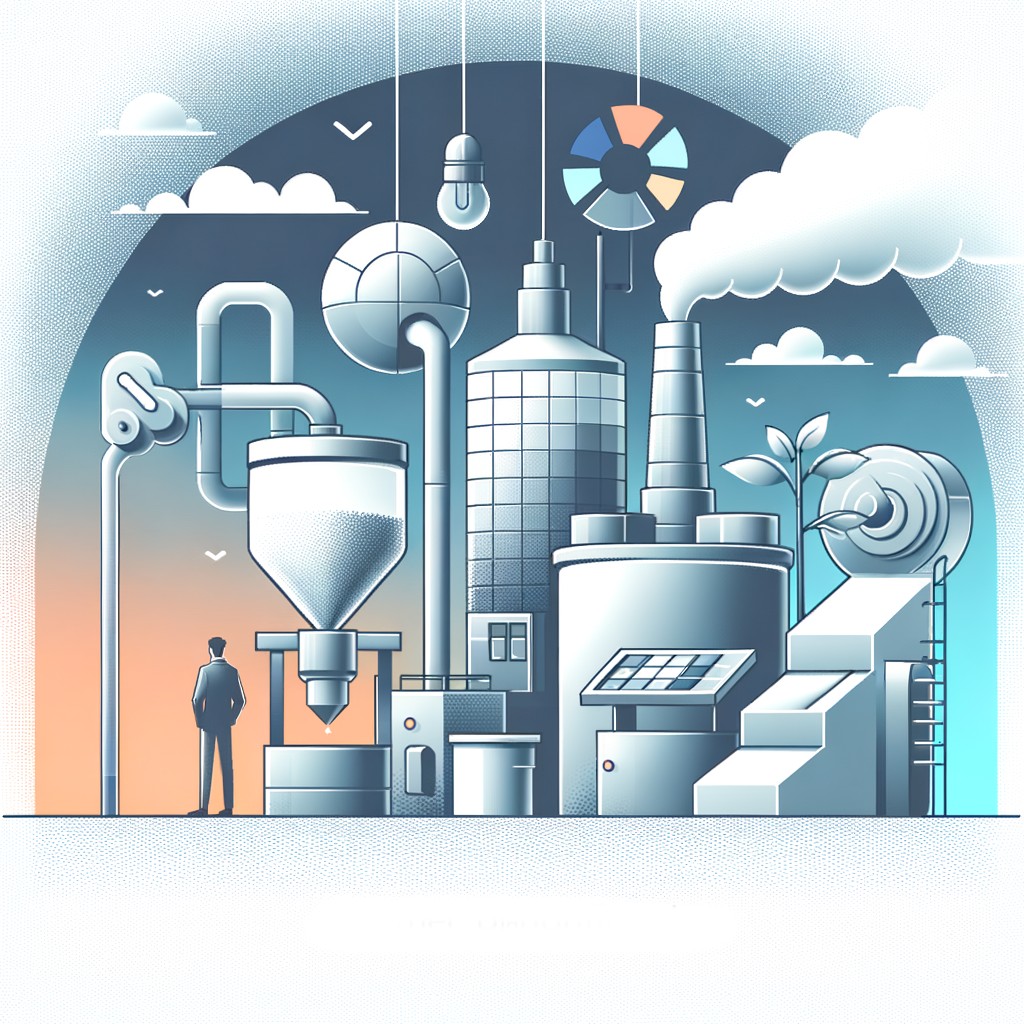
During the polymerization process itself, energy consumption remains high, largely due to the need for heating and processing the raw materials. This energy often originates from non-renewable sources, compounding the problem of carbon emissions. While some manufacturers are beginning to incorporate alternative energy sources, such as solar or wind power, the majority still rely on conventional energy methods, thus perpetuating this environmentally detrimental cycle.
Emissions are another critical concern. The chemical reactions involved in creating polymers can release volatile organic compounds (VOCs) and other hazardous by-products into the atmosphere. These emissions not only contribute to air pollution but also pose potential health risks to workers and communities near production facilities. Efforts to curtail such emissions are ongoing, but the challenge lies in balancing production efficiency with the implementation of cleaner technologies.
Waste Management and Recycling
Waste generation is another area of significant environmental impact for polymer blend production. During manufacturing, waste products such as off-cuts, rejects, and by-products are inevitable, many of which are difficult to recycle due to the complex composition of polymer blends. This complexity increases the likelihood of these materials ending up in landfills, where they persist for centuries without degradation, releasing toxins into the soil and groundwater.
The rise of microplastics is a poignant issue stemming from inadequate waste management. When polymer blends break down, they can fragment into tiny particles that contaminate water bodies, impacting aquatic life and potentially entering the human food chain. Preventing contamination requires improved waste management practices, such as capturing microplastics at wastewater treatment facilities and developing biodegradable polymer blends that break down more easily in the environment.
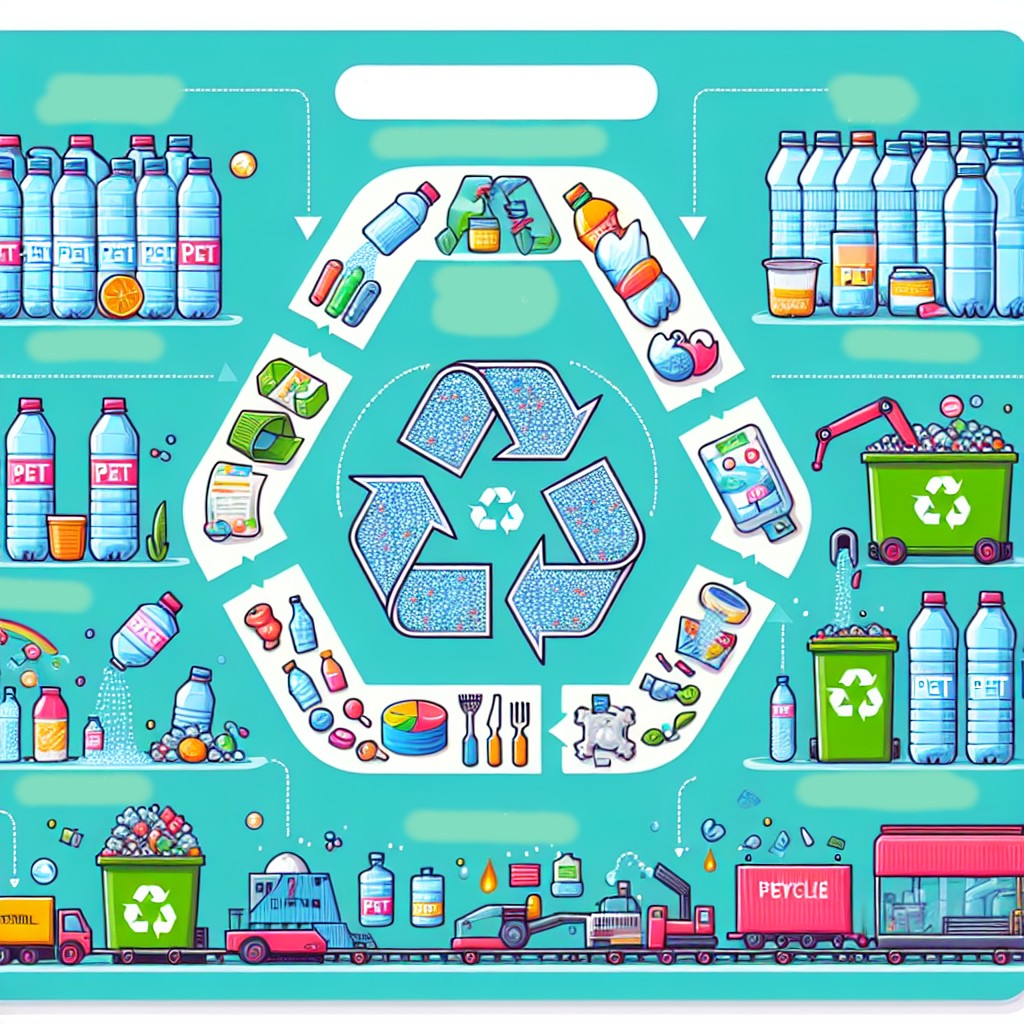
Improved recycling techniques are essential to minimize the environmental burden of polymer blends. Traditional mechanical recycling methods, which involve melting and re-extruding materials, often encounter difficulties due to the varying melting points and chemical properties of the different components in a blend. As a result, many recycled materials suffer from decreased performance relative to new products. Innovations such as chemical recycling, which breaks polymers down to their monomers for repolymerization, offer promising prospects for more effective recycling processes, though their widespread adoption remains limited due to technological and economic barriers.
Innovations and Alternative Solutions
Recent advancements and innovative approaches are paving the way toward reducing the environmental footprint of polymer blend production. One such development is the use of bio-based polymers, which employ renewable resources like corn starch, cellulose, or bacteria to create more sustainable materials. These alternatives not only reduce reliance on fossil fuels but also tend to exhibit faster natural degradation, minimizing long-term environmental impact.
Furthermore, advancements in material science have facilitated the creation of biodegradable polymer blends that maintain the necessary performance characteristics while offering better end-of-life disposal options. These materials are designed to decompose by microorganisms in natural environments, reducing landfill waste and lowering pollution levels in ecosystems.
Another promising approach is developing closed-loop manufacturing processes, where production waste is continually reused or recycled back into the system. This circular economy model reduces both resource consumption and waste generation, making the entire production cycle more eco-friendly. Implementing such systems, however, requires significant investment in new technologies and infrastructure, underscoring the need for concerted efforts from both industry and governmental entities.
The Role of Legislation and Consumer Responsibility
Governmental policies and regulations are critical in guiding the polymer blend industry towards more sustainable practices. Regulations that limit emissions, set standards for waste disposal, and incentivize the use of renewable resources can drive industry-wide change. For example, extended producer responsibility (EPR) policies, which hold manufacturers accountable for the environmental impacts of their products throughout their life cycle, encourage companies to design more sustainable materials and improve recycling efforts.
Consumer behavior also plays a significant role in shaping the polymer blend industry. Increased consumer awareness and demand for sustainable products can prompt manufacturers to adopt greener practices. By choosing products made from eco-friendly materials, consumers can drive market shifts towards more sustainable production methods. Educational campaigns and eco-labeling can help consumers make informed choices, ultimately reducing the environmental impact of polymer blend production.
Conclusion
The environmental impact of polymer blend production is a multifaceted issue that requires a comprehensive approach to address effectively. From resource extraction and emissions to waste management and recycling, each stage of the production process presents unique challenges that contribute to environmental degradation. Nevertheless, progress is being made, with innovations in renewable materials, biodegradability, and recycling technologies offering promising pathways towards sustainability.
Addressing these environmental challenges necessitates a collaborative effort involving industry, government, and consumers. Industries must invest in cleaner technologies and more efficient production processes, adopting closed-loop systems that minimize waste and maximize resource use. Governments need to enact and enforce regulations that incentivize sustainable practices, while consumers must advocate for and choose products that align with environmental values.
Ultimately, a shift towards sustainable polymer blend production is not only possible but essential for ensuring a healthier planet for future generations. While significant obstacles remain, the combined efforts of all stakeholders can lead to substantial reductions in the environmental impacts of this important industry, paving the way for a sustainable future. The journey to eco-friendly polymer blend production is ongoing, but with continued focus and innovation, meaningful change is within reach.
Frequently Asked Questions
1. What are polymer blends, and why do they have an environmental impact?
Polymer blends are materials formed by combining two or more polymers to achieve desired characteristics not present in the individual components. This innovative approach allows for enhancing properties such as strength, flexibility, thermal stability, and more, making them extremely valuable in a range of applications like packaging, automotive parts, and electronics. However, the environmental impact of their production is significant, primarily due to the processes and resources involved. The manufacturing of polymer blends often requires substantial energy and chemical inputs, leading to greenhouse gas emissions and chemical waste. Moreover, the production processes may utilize non-renewable resources, contribute to pollution, and pose challenges in terms of recyclability and waste management. This creates a need for more sustainable practices and innovations that minimize environmental footprints.
2. How does polymer blend production affect waste management and recycling?
The production and use of polymer blends present challenges in waste management and recycling due to their complex nature. Traditional recycling processes are typically designed for single-type polymers. Blends, however, consist of multiple polymer types with differing thermal and chemical properties, complicating the recycling process. This mixture often results in the need for advanced sorting technologies or chemical treatments to effectively separate the components for recycling, which can be costly and energy-intensive. Consequently, a large proportion of polymer blends end up in landfills or as incinerated waste, contributing to environmental pollution and resource depletion. Innovations in polymer composition that enhance recyclability and developing more efficient recycling technologies are essential for addressing these challenges and reducing the environmental impact of polymer blends.
3. What are the key environmental concerns associated with the raw materials used in polymer blends?
The raw materials used in polymer blend production are often derived from petroleum-based sources, which raises several environmental concerns. The extraction and refinement of fossil fuels necessary for creating these polymers are energy-intensive processes that contribute to greenhouse gas emissions and environmental degradation. Additionally, the depletion of non-renewable fossil resources poses a significant challenge in the long term. Moreover, the production of certain polymers involves hazardous chemicals that can lead to pollution and pose risks to both human and environmental health if not managed properly. As industries seek to mitigate these impacts, there’s a growing emphasis on researching alternative biobased materials that offer similar properties to conventional polymers while being derived from renewable resources. This shift towards biopolymers and green chemistry is crucial for reducing the environmental effects associated with polymer production.
4. In what ways is the production of polymer blends linked to energy consumption and greenhouse gas emissions?
The energy consumption associated with polymer blend production is substantial due to the various stages involved, including polymerization, blending, and processing. Each of these stages requires significant energy inputs, typically from non-renewable sources, leading to high levels of greenhouse gas emissions. The complexity of producing blends can exacerbate these issues, as the processes may involve multiple heating, mixing, and extrusion steps, each adding to the overall energy demand. The reliance on fossil fuels not only contributes to emissions but also to the broader challenges of climate change and air pollution. To mitigate the environmental impact, there’s an increasing focus on adopting energy-efficient processes, utilizing renewable energy sources, and developing advanced manufacturing technologies that minimize energy usage throughout the production cycle.
5. What strategies are being pursued to mitigate the environmental impact of polymer blend production?
To address the environmental challenges posed by polymer blend production, several strategies are being pursued across industries. One key approach involves the development and use of biopolymers, which are derived from renewable resources and have a smaller carbon footprint compared to their petroleum-based counterparts. This shift not only reduces reliance on non-renewable resources but also supports biodegradability and recyclability, crucial for sustainable waste management. Innovations in production processes, such as using advanced catalysts and processing techniques, are aimed at enhancing energy efficiency and reducing emissions. Additionally, more stringent regulations and incentives are encouraging industries to implement eco-friendly practices and technologies. Collaborative efforts between manufacturers, researchers, and policymakers play a critical role in advancing these strategies and promoting the development of sustainable polymer blends with lessening environmental impacts.