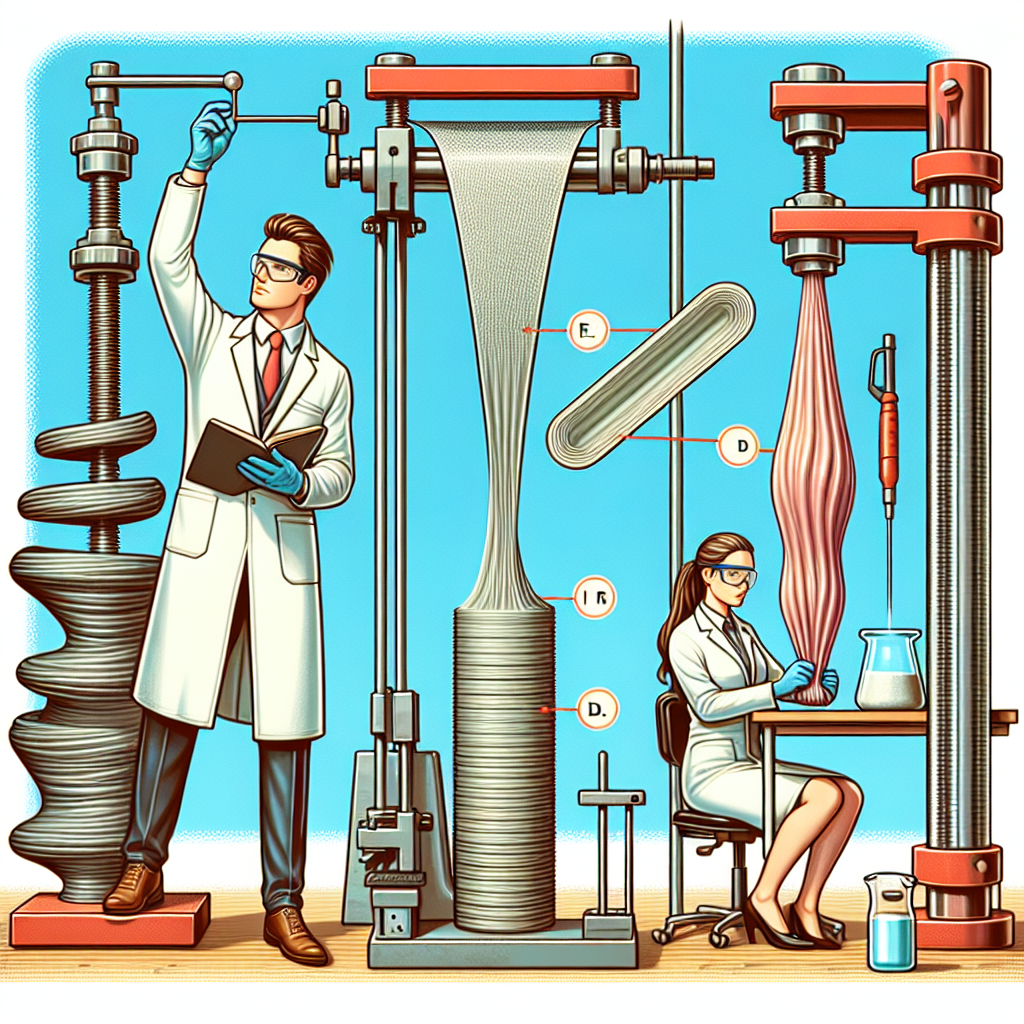
The polymer industry has experienced remarkable growth over the last century. Among the many classifications within this industry, thermoplastic composites have emerged as one of the most significant innovations. Thermoplastic materials are characterized by their ability to be repeatedly softened by heat and hardened by cooling. This adaptability makes them an invaluable resource in various applications, from automotive to consumer goods and medical devices. The evolution of these materials is a tale of endless innovation, exploring new chemical compositions, integrating advanced engineering techniques, and addressing emerging market demands. From the earliest developments to present-day high-performance composites, the journey has been fueled by a commitment to improving material properties, enhancing functionality, and promoting sustainability.
The Genesis of Thermoplastic Composites
In the early 20th century, few people could have predicted the profound impact that thermoplastic composites would have on manufacturing and consumer industries. The story began with the discovery of the first synthetic polymers, which laid the groundwork for subsequent advancements in material science. The first generation of thermoplastics included materials like polyethylene and polypropylene. These polymers were groundbreaking, as they could be molded and extruded into an endless variety of shapes while boasting impressive durability and resistance to chemicals. Early applications were primarily industrial, involving the mass production of containers, pipes, and other components where strength, low weight, and resistance to corrosion were paramount.
The Rise of Engineered Thermoplastics
As the demand for higher performance materials grew, researchers and engineers started experimenting with engineered thermoplastics. These materials, unlike their predecessors, were designed with specific applications in mind, leading to a dramatic increase in their versatility and effectiveness. Notable engineered thermoplastics include polycarbonates, polyamides, and acrylonitrile butadiene styrene (ABS). Polycarbonates, for instance, found widespread applications in the optical industry due to their excellent clarity, high impact resistance, and UV protection. Polyamides, commonly known as nylons, revolutionized the textile industry by providing a synthetic alternative to natural fibers that was stronger, more resilient, and highly resistant to abrasion and chemicals. ABS, on the other hand, became a popular choice for device casings, automotive components, and toys because of its robustness, ease of machining, and superior finish.

Advancements in Fiber-Reinforced Thermoplastics
One of the most transformative innovations in the thermoplastic composites sphere has been the incorporation of fibers to enhance mechanical properties. Fiber-reinforced thermoplastics combine a thermoplastic matrix with fibers such as glass or carbon, leading to materials with extraordinary strength-to-weight ratios. These composites are not only lighter than metals but also exhibit superior resistance to fatigue and environmental degradation. Fiber-reinforced thermoplastics have found significant use in the aerospace and automotive industries. Aircraft components made from these composites contribute to weight reduction, enhancing fuel efficiency, and reducing overall emissions. In the automotive sector, fiber-reinforced thermoplastics are used in structural components, interiors, and even bumpers, emphasizing safety, durability, and energy absorption in crash scenarios.
Sustainability and Eco-Friendly Innovations
The modern polymer industry is increasingly focused on sustainability. Traditional thermoplastic production is often associated with significant environmental challenges, from resource extraction to waste management. In response, a new wave of eco-friendly innovations has emerged within the industry, aimed at reducing environmental footprints and promoting a circular economy. Bio-based thermoplastics, derived from renewable resources such as corn starch, sugarcane, and castor oil, offer a sustainable alternative to fossil-fuel-based polymers. Polylactic acid (PLA) is one such bio-based thermoplastic that has gained traction for its biodegradability and similar mechanical properties to conventional plastics. Recycling and reusability are also critical areas of development. Advanced recycling technologies are being employed to reclaim high-quality materials from thermoplastic waste, thereby reducing landfill use and raw material consumption.
Applications and Future Prospects
Thermoplastic composites are now integral to a range of industries thanks to their unique properties and versatile nature. In the medical field, these materials are used to create durable and lightweight devices, implants, and equipment. Their resistance to sterilization processes and bio-compatibility make them indispensable. Consumer electronics is another domain where thermoplastic composites shine, offering aesthetic appeal, structural integrity, and flexibility. Lightweight, durable, and versatile, these materials are crucial for manufacturing the sleek, robust gadgets we use every day. Looking ahead, the future of thermoplastics seems inevitably tied to smart materials. Research is ongoing into the integration of sensors, conductive fibers, and other elements that could enable the creation of self-healing, shape-memory, or responsive materials. Innovations like these are expected to usher in an era of even smarter, more sustainable, and more efficient materials, further broadening their applications.
Technological Integration in Polymer Science
The continuous evolution of thermoplastic composites is strongly influenced by technological advancements. The integration of nanotechnology, for example, has led to the development of nanocomposites, which offer exceptional mechanical, thermal, and electrical properties compared to their traditional counterparts. These materials incorporate nanoparticles, such as carbon nanotubes or graphene, within the thermoplastic matrix, significantly enhancing performance. Another revolutionary development is additive manufacturing or 3D printing, which has opened new avenues for producing thermoplastic composites. 3D printing allows for the precise construction of complex geometries that would be challenging or impossible to achieve using conventional methods. The customization capabilities offered by this technology are particularly beneficial in industries like aerospace, healthcare, and automotive.
The Role of Industry Standards and Regulations
As the application of thermoplastic composites expands, so does the need for robust industry standards and regulations. These frameworks ensure materials meet the required performance specifications and safety standards, promoting reliability and consumer confidence. Organizations such as ASTM International and ISO (International Organization for Standardization) develop standards that govern the production, testing, and use of thermoplastic composites. These standards cover various aspects, from material composition and mechanical properties to environmental impact and recycling procedures. Adhering to these guidelines is crucial for manufacturers to maintain product quality and competitiveness in the global market.
The Global Market and Economic Impact
The thermoplastic composites market has witnessed exponential growth, driven by escalating demand across multiple industries. According to market research, the global thermoplastic composites market is projected to continue its upward trajectory due to the increasing emphasis on lightweight materials, sustainability, and high-performance applications. Economic impacts are significant, with thermoplastic composites contributing to job creation, technological innovation, and the development of new markets. Regions like North America, Europe, and Asia-Pacific are major hubs for production and consumption, with rising investments in research and development further propelling market expansion. Conclusion
The evolution of thermoplastic composites is a testament to human ingenuity and our constant pursuit of better, more sustainable materials. From their humble beginnings with simple polymer formulations to the development of high-performance, fiber-reinforced, and bio-based thermoplastics, these materials have continually adapted to meet the needs of a rapidly changing world. As we move forward, the polymer industry will undoubtedly continue to innovate, driven by technological advances, environmental concerns, and evolving market demands. The future holds exciting prospects for thermoplastic composites, promising even greater achievements in material science and applications that will shape our lives in profound ways.