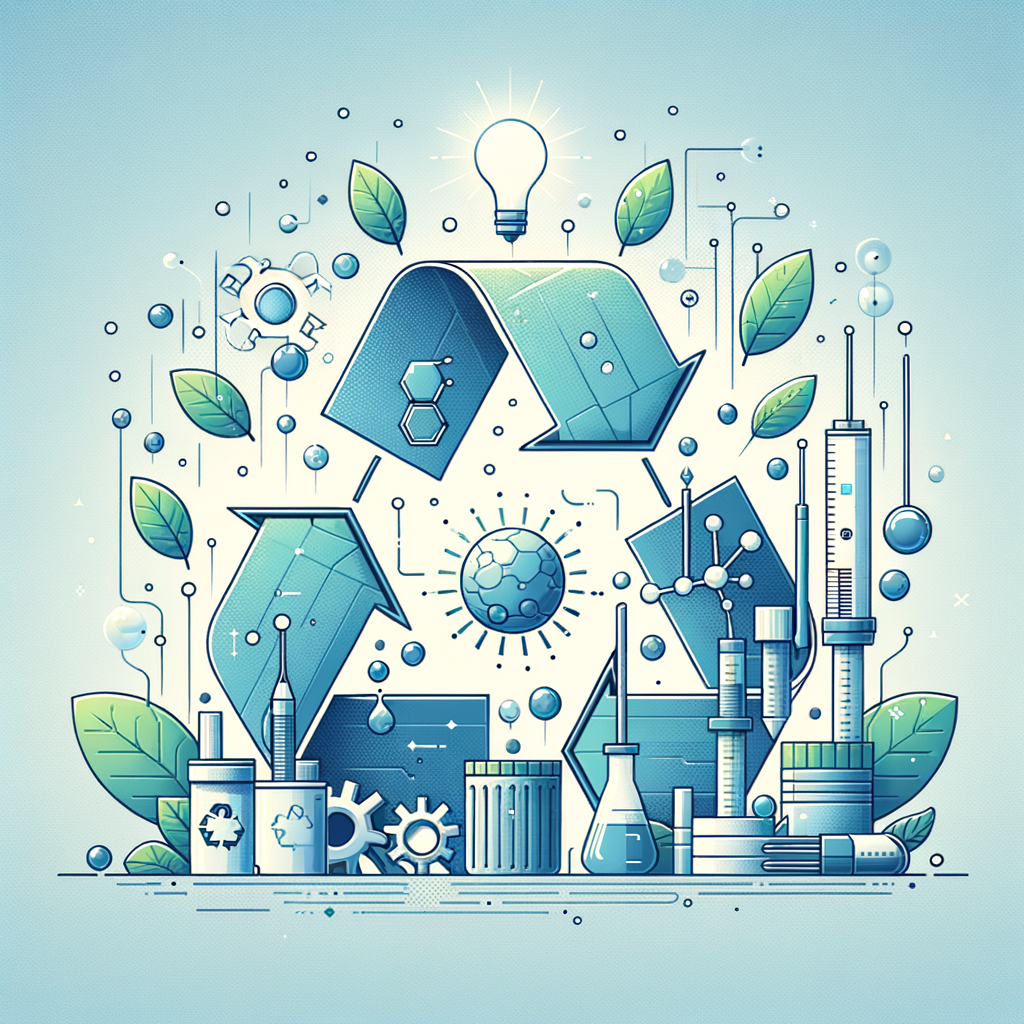
In recent years, biopolymers have emerged as pivotal materials in the sustainable materials science landscape. As concerns about climate change and environmental degradation intensify, researchers and companies alike are investing more resources into developing and optimizing biopolymers. These materials, derived from biological entities such as plants and microorganisms, offer an eco-friendly alternative to conventional petroleum-based plastics. They are biodegradable, renewable, and can drastically reduce the carbon footprint associated with many industrial processes. The significance of biopolymers is further underscored by their potential applications across various sectors, including packaging, agriculture, medical, and automotive industries. This burgeoning interest lays the groundwork for a future where biopolymers not only replace traditional plastics but also enhance the functionality and sustainability of countless products.
The research and development of biopolymers are fundamentally poised to extend current scientific boundaries. However, many challenges persist. Foremost among these is the need to balance performance and cost; traditional plastics are still economically advantageous. Nonetheless, with technological advancements and increased global commitments to sustainability, we are witnessing an accelerated pace of innovation in this field. In this article, we will explore the cutting-edge trends in biopolymer research, the role of interdisciplinary collaboration, the driving forces behind biopolymer development, and the promising future landscapes that these materials occupy. We will weave through the scientific, technological, and socio-economic facets of biopolymer uses and innovations, demonstrating how these materials will redefine industries in the near future.
The Evolution and Advances in Biopolymer Research
The journey of biopolymers from niche research subjects to mainstream scientific pursuits is intrinsically linked to advances in materials science and engineering. Over the years, significant strides in biotechnology and polymer chemistry have expanded the horizon of what biopolymers can achieve. One of the most notable areas of research involves the refinement of natural polymer sources like cellulose, hemicellulose, lignin, starch, and proteins. For instance, advances in the extraction and processing of cellulose and its derivatives have revolutionized its applicability in producing environmentally friendly films, composites, and gels.
A critical development in this field is biopolymers’ enhancement via nanotechnology. The integration of nanocellulose and other nanoparticles has resulted in improved mechanical properties and durability of biopolymers, making them viable options for high-performance environments. Additionally, researchers are fervently exploring modifications on a molecular level to enhance properties like thermal stability, elasticity, and barrier resistance. This intricate work is driven by a profound understanding of material properties and an unwavering commitment to sustainability.
Moreover, the biopolymer landscape is witnessing innovation in the form of novel composites. By merging biopolymers with synthetic or other natural fibers, researchers have far expanded the scope of application, producing materials tailored for specific industrial needs. These breakthroughs have been supported by advancements in polymer blending techniques which optimize compatibility and enhance the functionality of biopolymers without compromising their biodegradability or ecological benefits.
Interdisciplinary Collaboration and Technological Synergy
The successful development of biopolymers is not confined to a single field of study but rather demands a confluence of diverse disciplinal streams. Chemistry, biology, engineering, and environmental science are merging, creating a rich tapestry of knowledge and innovation. Interdisciplinary collaboration is the cornerstone of breakthrough innovations as it allows for the sharing of tools, techniques, and concepts across domains. For instance, the collaboration between biotechnologists and chemists can lead to improved methods of polymerizing biological monomers into more robust, eco-friendly alternatives to conventional plastics.
Technology also plays a crucial role in biopolymer development. Advances in genetic engineering have made it possible to create bioengineered organisms that produce biopolymer precursors more efficiently. Additionally, machine learning and computational modeling are being employed to predict polymer behaviors and to optimize formulations ahead of empirical testing. This synergy between predictive models and experimental validation shortens the time from concept to marketable product, driving innovation at a faster pace than ever before.
Economic and Regulatory Drivers
The market uptake of biopolymers is significantly influenced by economic and regulatory landscapes. Governments worldwide are implementing stringent regulations aimed at reducing carbon emissions and minimizing plastic waste, thereby incentivizing industries to adopt sustainable alternatives. Policies that impose financial penalties on non-biodegradable materials and award grants for ecological research are spurring rapid innovation in the sector.
Simultaneously, the economic drives for biopolymer development are gaining traction. The production costs of these materials are decreasing thanks to advancements in technology and economies of scale, rendering them more competitive against traditional plastics. Consumer demand for more sustainable and ecologically sensitive products is further reinforcing this momentum, with companies pivoting their strategies to align with greener profiles. These shifts represent a transitional phase where biopolymers become not only viable but also preferable choices for manufacturers and consumers alike.
Biopolymers in Various Industries
The potential applications of biopolymers across industries exhibit their revolutionary potential. In the packaging industry, biopolymers such as polylactic acid (PLA) and polyhydroxyalkanoates (PHAs) are being integrated into products that not only enhance the shelf life of goods through their antimicrobial properties but also decompose naturally, reducing landfill contributions. The automotive industry benefits from biopolymers that reduce vehicle weight, thus improving fuel efficiency and reducing emissions.
In agriculture, biopolymer films and coatings provide avenues for sustainable growth practices. Such materials can serve as biodegradable mulch, offering both protection to crops and a means of soil enrichment as they decompose. The medical field too has seen biopolymers become crucial for the development of sutures, scaffolds, and drug delivery systems that harmonize with bodily tissues and processes.
Challenges to Overcome
Despite the clear advantages, challenges remain that must be addressed for biopolymers to fully realize their potential on a global scale. One major hurdle is the high cost of production; while this is decreasing, biopolymers often require more sophisticated extraction and processing techniques. Additionally, the scalability of biopolymer production remains a significant barrier, necessitating more efficient bio-refinery techniques and better integration with existing production systems.
Furthermore, performance can be an issue in certain applications. While biopolymer research has progressed in improving strength, elasticity, and thermal resistance, there are specific high-demand applications where traditional plastics still outperform. Ongoing research is critical to bridge these performance gaps and ensure biopolymers can meet the rigorous demands of diverse industrial applications. Lastly, waste management systems need refinement to ensure biopolymers are composted effectively, tapping into their full environmental benefit.
Conclusion
In conclusion, the future of biopolymer research and development is not just promising; it signifies a necessary evolution in our approach to materials science for sustainability. The trajectory of biopolymers reflects an alignment with global aspirations for ecological responsibility and sound economic practices. As researchers and industries collaborate across boundaries, the potential for biopolymers to redefine our material world expands exponentially. Key success factors include technological integration, cost reduction strategies, and policy frameworks that support green innovation. These elements collectively underscore the anticipated transition from traditional polymers to biopolymers as the standard for industrial applications.
Looking ahead, the integration of biopolymers into everyday applications will likely become seamless, driven by consumer demand for sustainable alternatives and the relentless innovation within the scientific community. To maintain momentum, continuous investment in research, infrastructure, and public awareness is essential. The commitment to a sustainable future where biopolymers play a pivotal role will necessitate contributions across societal, economic, and scientific domains. Given the dynamic energy within the field today, we are on a promising trajectory towards a more sustainable and ecologically harmonious future, fueled by biopolymer innovation.