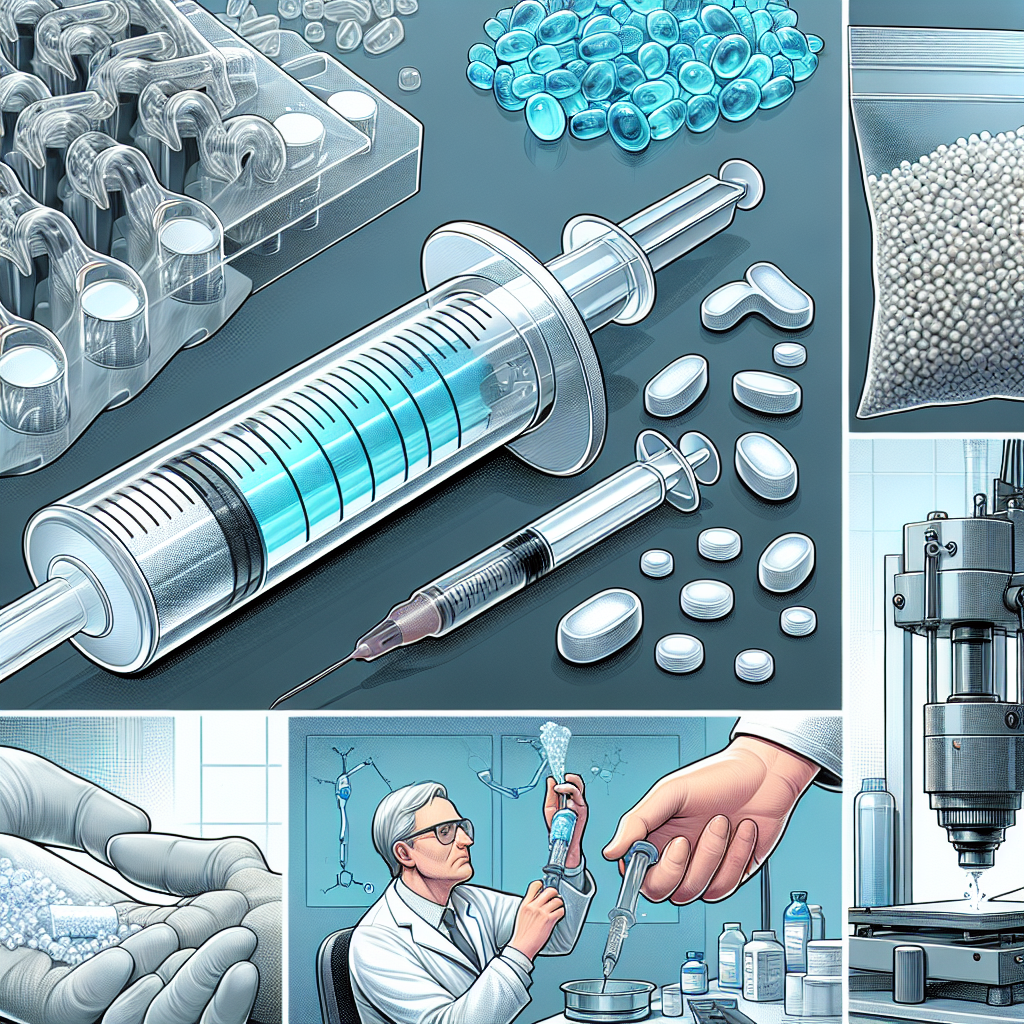
The advent of biopolymers has significantly impacted modern manufacturing, reshaping industries across the globe. As environmental considerations take a front seat, these sustainable alternatives to conventional polymers present an attractive option for both large-scale manufacturers and smaller enterprises. Biopolymers offer a compelling range of benefits, from reducing the carbon footprint to enhancing the biodegradability of products. As such, they stand as a key opportunity for innovation within the industry. With an ever-growing demand for eco-friendly products and the increasing awareness of the ecological burdens associated with traditional plastics, biopolymers have surfaced as a critical component in the future of manufacturing. This article delves deeply into the transformative impact of biopolymers on the manufacturing sector, examining their advantages, challenges, applications, and future potential.
The shift towards biopolymer-based manufacturing is much more than a mere trend; it reflects an industry-wide paradigm shift towards sustainable practices. As industries strive to align with the global sustainability agenda, one cannot overlook the strategic importance of biopolymers. These materials not only reduce reliance on fossil fuels but also promote a circular economy through their lifecycle. This transition is fraught with challenges—ranging from the cost of production to technological hurdles in scaling production—but the potential benefits outweigh the constraints. The promise of reduced pollution, increased recyclability, and energy-efficient processing provides a substantial incentive for manufacturers. In the sections that follow, we will explore the nuances of biopolymers and their revolutionary impact on modern manufacturing.
Understanding Biopolymers
Biopolymers are naturally derived polymers that are predominantly sourced from biological materials, which include but are not limited to, plants, animals, and microorganisms. The category of biopolymers encompasses a wide array of materials such as polylactic acid (PLA), polyhydroxyalkanoates (PHA), and starch-based polymers. Unlike conventional plastics which are derived predominantly from petrochemicals, biopolymers are capable of integrating seamlessly into the natural ecosystem post-use. Their inherent biodegradability and compostability make them an attractive option for industries seeking to minimize environmental impact.
The development of biopolymers is fueled by advanced chemical engineering processes that aim to replicate the properties of synthetic polymers while maintaining ecological benefits. For instance, PLA, derived from fermented plant starch, has emerged as a leading biopolymer in packaging industries due to its excellent properties like clarity, gloss, and rigid structure. On the other hand, PHA is widely used in medical applications because of its biocompatibility and non-toxic nature. The diversity in functionality of these materials showcases the versatility of biopolymers and their adaptability for various industrial applications.
Advantages Over Conventional Polymers
One of the significant advantages of biopolymers is their reduced environmental impact compared to conventional plastics. Since they are sourced from renewable resources, their use leads to a lowered dependence on petroleum-based materials, effectively curbing greenhouse gas emissions associated with fossil fuel extraction and plastic manufacturing. Furthermore, the end-of-life biodegradability of biopolymers provides an effective solution to pollution caused by synthetic plastics. Rather than persisting in the environment for hundreds of years, biopolymers can decompose more rapidly, thereby diminishing the burden of plastic waste.
Manufacturers also benefit from the positive consumer perception associated with biopolymer-based products. As consumer consciousness rises towards sustainable consumption, products manufactured using environmentally friendly processes have a marketing edge. The credibility accorded by certifying bodies to biopolymer manufacturers enhances consumer trust, thus creating a strategic advantage in competitive marketplaces.
Challenges in Adoption
Despite the appealing advantages, the widespread adoption of biopolymers in manufacturing is met with a set of challenges. Primarily, the cost of production remains a significant hurdle. Biopolymer production, in many cases, is more expensive than traditional plastics. This is largely due to the complexities involved in sourcing raw materials, processing, and refining bio-based feedstocks. There is also the technological challenge of ensuring that biopolymers meet the same performance standards as their conventional counterparts across varied conditions.
Additionally, the current infrastructure for bioplastic processing and recycling is not as developed as for petrochemical-based plastics. This lack in sophisticated recycling chains potentially limits the end-of-life options, thereby affecting the recyclability of biopolymers. Furthermore, there is a need for universal standards and certifications that clearly differentiate between biodegradable and compostable materials to guide manufacturers in selecting appropriate materials for their products.
Applications Across Industries
Biopolymers have found applications in several industries, revolutionizing traditional manufacturing practices with sustainable alternatives. In the packaging sector, biopolymers are utilized to produce biodegradable packaging materials, serving as an excellent option to manage the burgeoning waste crisis associated with traditional packaging solutions. In the food industry, biopolymer films are being integrated into food packaging to extend shelf life and reduce spoilage.
The healthcare sector has significantly benefitted from biopolymers due to their biocompatibility and safety profile. Applications range from medical implants to drug delivery systems where precision and safety are paramount. The automotive industry is also incorporating biopolymers for interior components, offering a way to reduce vehicle weight, improve fuel efficiency, and enhance the recyclability of car parts.
In agriculture, biodegradable films made from biopolymers are replacing conventional plastics used in mulching, reducing soil contamination and aiding in better crop production. The versatility of biopolymers also extends to textiles where they are employed to create sustainable fibers and fabrics, catering to the apparel industry’s push towards eco-friendly fashion.
Technological Innovations and Advances
Continuous advancements in technology are driving biopolymers to new heights in modern manufacturing. Innovations in polymer science have enabled the tweaking of molecular structures to achieve better thermal resistance, mechanical strength, and flexibility in biopolymers. Researchers are focusing on genetically engineering microorganisms to produce biopolymers more efficiently, which could reduce cost and widen the availability of raw materials.
There is also a growing investment in nanotechnology to enhance the properties of biopolymers. This approach is being used to develop nanocomposite materials that outperform traditional polymers. With the integration of nanomaterials, the barrier properties of bioplastic films can be improved, which is significantly beneficial for food packaging applications. Such technological strides are crucial in overcoming the existing limitations faced by biopolymers, thereby supporting broader adoption in manufacturing ecosystems.
The Future of Biopolymers in Manufacturing
The future of biopolymers in manufacturing is promising and exciting. As innovations continue to resolve supply chain and cost issues, biopolymers are likely to capture an even larger share of the plastics market. Policy frameworks and governmental incentives supporting sustainable manufacturing practices are expected to catalyze the transition process further. The evolution of smart and responsive materials also presents opportunities for biopolymers to expand into high-tech applications, unlocking value in sectors such as electronics and biomedical devices.
Moreover, consumer demand for eco-friendly products is expected to sustain the momentum for biopolymer adoption. Market forecasts indicate a growing trend in environmentally conscious consumers willing to pay a premium for sustainable products, creating a pivotal opportunity for industries to invest heavily in biopolymer research and development. The ongoing collaboration between industry players, academic institutions, and policymakers is vital in shaping a sustainable future where biopolymers serve as a cornerstone in comprehensive environmental strategies.
Conclusion
The impact of biopolymers on modern manufacturing is profound and multifaceted. Facilitating a shift toward sustainability, these materials present a viable replacement for traditional plastics, driving the industry towards eco-friendly practices. Though challenges remain, such as cost and recycling infrastructure, the advantages that biopolymers offer in terms of environmental protection, versatility in application, and consumer acceptance make them an indispensable tool in the quest for a greener future. As the world grapples with environmental degradation and climate change, biopolymers play a crucial role in mitigating the adverse effects brought by synthetic plastics.
The trajectory of biopolymer development is on an upward rise, bolstered by technological innovations and policy support. As industries endeavor to align with sustainable practices, biopolymers provide a pathway to achieving corporate social responsibility goals while meeting consumer demands for greener solutions. The willingness to invest in this transformative material will set apart pioneers from laggards in the manufacturing sector. Ultimately, embracing biopolymers heralds a point of convergence between profitability and sustainability, where businesses can thrive while ensuring a positive environmental impact.
Collectively, the manufacturing industry stands on the precipice of a biopolymer revolution. Prioritizing research, advocating for supportive policies, and fostering collaborations across sectors are essential steps in harnessing the full potential of biopolymers. As industries become more empowered in their choices toward sustainability, the widespread adoption and integration of biopolymers promise a brighter, cleaner and more resilient future for our planet.