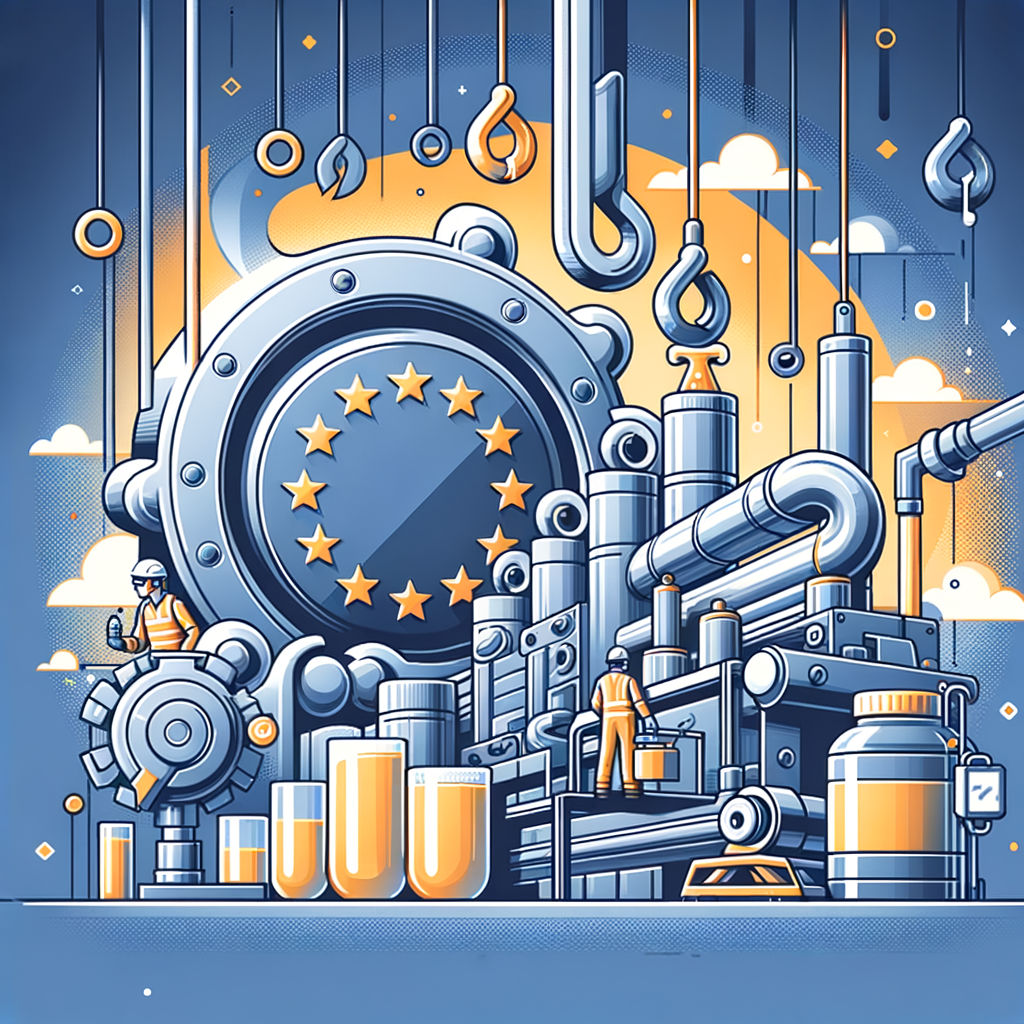
The global polymer market is intricately linked to trade policies that shape how raw materials and finished products move across borders. These polymers, essential in various industries including automotive, packaging, and construction, rely heavily on international trade for both the supply of raw materials and demand for finished products. In recent years, changes in trade policies have had profound effects, creating shifts in supply chains, influencing prices, and altering market dynamics. Understanding these impacts is crucial for stakeholders across the globe who depend on a balanced and transparent trade environment to thrive. As globalization intensifies and nations assert more control over their economies through tariffs, trade agreements, and other regulatory frameworks, the polymer industry finds itself at a crossroads. This introduction will explore the multifaceted effects of trade policies on the polymer market, setting the stage for a deeper exploration of specific impacts on production, distribution, and consumption patterns worldwide. The introduction to this complex subject will unravel the elements of trade policies that hold the power to reshape the landscape of the global polymer industry.
Historical Context of Trade Policies and Polymers
Trade policies have long been a significant factor in the development and growth of the polymer market globally. In the mid-20th century, the advent of synthetic polymers marked a revolutionary change, and nations were quick to realize the transformative potential of these materials. The 1960s and 70s saw significant trade liberalization in Western countries, allowing for the rapid exchange of raw materials and finished polymer products. This period benefited from the General Agreement on Tariffs and Trade (GATT), which facilitated lower tariffs and increased trade flows.
Moving into the 1990s, the globalization wave further expanded polymer trade as companies sought new markets and cost-effective production locations. The establishment of the World Trade Organization (WTO) in 1995 was a turning point, providing a stronger framework for international trade rules that included polymer products. However, not all impacts were positive, as some developing nations struggled with a surge of cheap imports affecting local production capabilities.
The 21st century has seen a more complex trade environment, with countries adopting various protectionist policies and regional trade agreements. This era saw the rise of major polymer producers like China, India, and Brazil, who began playing a pivotal role in the market. The challenges and opportunities within this evolving trade policy landscape have greatly influenced global polymer market trends and continue to do so.
The Role of Tariffs in the Polymer Market
Tariffs are one of the most significant tools governments use to control trade, and their impact on the polymer market is substantial. By imposing duties on imported polymer products or raw materials, countries can protect domestic industries from foreign competition. However, these tariffs can also drive up prices, making the end products more expensive for consumers.
In some cases, tariffs have led to trade wars, where countries impose retaliatory measures, disrupting the global supply chain. For instance, during the recent trade tensions between the United States and China, the polymer industry experienced increased costs, delays, and a marked reconfiguration of supply chains. While some countries were able to benefit by becoming alternative suppliers, others saw their costs skyrocket.
Importantly, the impact of tariffs is not uniform across the polymer market. Different segments, such as polyethylene versus polyvinyl chloride, can experience varied effects depending on the specific duties applied and the supply and demand factors inherent to their markets. Tariffs can influence competitive positioning, potentially providing advantages to regions with less burdensome trade restrictions.
Trade Agreements and their Influence
Trade agreements play a pivotal role in shaping the global polymer market by establishing rules and frameworks for trade between signatory countries. Such agreements often focus on reducing tariffs, establishing standards, and ensuring fair competition. The North American Free Trade Agreement (NAFTA), for instance, created a trilateral trade bloc that eased the movement of polymers across the United States, Canada, and Mexico.
The Trans-Pacific Partnership (TPP), although not fully realized, proposed similar benefits for a larger geographic area, foreseeing a massive expansion in trade possibilities for polymer manufacturers. Such agreements boost trade efficiency, reduce costs, and open up markets previously burdened with high tariffs and regulatory barriers. However, the implications for local industries can be mixed; while some benefit from expanded markets, others face increased competition, leading to industry consolidation or innovation pressures.
Moreover, bilateral agreements, like those between the European Union and individual countries, often include specific provisions for industrial products, which affect polymer trade flows significantly. These agreements can propel a region into becoming a critical player on the global stage, influencing both domestic employment in the polymer sector and the competitive landscape internationally.
Non-Tariff Barriers and Regulatory Challenges
While tariffs often dominate headlines, non-tariff barriers (NTBs) pose equally formidable challenges. NTBs include a range of regulatory and policy measures, such as import quotas, licensing requirements, and product standards, all of which can complicate international trade in polymers. These barriers can be particularly challenging as they often involve complex and time-consuming compliance processes.
Countries may use NTBs to protect local industries by setting stringent technical standards that are difficult for foreign producers to meet. For the polymer market, which includes diverse applications requiring specific properties and performance characteristics, such standards can greatly influence the ability to compete in different jurisdictions.
Additionally, environmental regulations are becoming more prevalent, affecting how polymers are sourced, produced, and disposed of globally. These regulatory challenges require ongoing adaptation by polymer producers and traders, necessitating investments in research and development to meet different standards worldwide. The implications for the polymer industry are significant, involving potential shifts in manufacturing bases and increased costs of compliance.
Impact on Supply Chains and Global Production
Trade policies crucially affect the global supply chains and production of polymers, influencing everything from raw material sourcing to final product delivery. As countries implement tariffs or NTBs, companies in the polymer sector may seek to reconfigure their supply chains to minimize costs. Such adjustments can involve finding alternative suppliers or relocating production facilities to more trade-friendly locations.
These shifts can have sweeping consequences. While some regions integrate further into the global production network, gaining investment and employment, others may suffer from divestment and reduced industry activity. For instance, stringent trade policies in one country can redirect investment to countries with more favorable terms, thereby altering the global balance of polymer production.
Moreover, disruptions such as trade disputes or embargoes can create material shortages and slow down production, affecting the overall reliability and predictability of polymer supply chains. As global logistics become more intricate, firms must strategically align their operations to meet the ever-evolving trade policy landscape, balancing efficiency with compliance and risk management.
Market Dynamics and Price Fluctuations
Trade policies have direct implications on market dynamics and price fluctuations within the global polymer market. Tariffs and NTBs can lead to increased production costs, affecting supply and consequently elevating prices. In contrast, trade agreements that reduce such barriers tend to amplify competition and drive down prices, benefiting consumers.
Furthermore, geopolitical events and policy shifts can induce volatility, causing sudden spikes or dips in polymer prices. For example, political tensions leading to tariffs can create sharp price rises as supply bottlenecks occur, prompting manufacturers to seek alternate sources and routes, often at higher costs. Conversely, market liberalization may result in a glut, suppressing prices.
Simultaneously, currency fluctuations affected by trade policies can impact the polymer market by altering the relative cost of raw materials or finished goods between countries. Producers must remain agile, adopting hedging strategies and flexible pricing mechanisms to navigate these challenges. The overall effect is a more dynamic, yet potentially more unpredictable, polymer market landscape.
Conclusion
In conclusion, trade policies significantly shape the global polymer market through various mechanisms, including tariffs, trade agreements, and non-tariff barriers. These policies don’t merely affect cross-border trade volumes but also influence prices, supply chains, and competitive dynamics in profound ways. As the globe becomes more interconnected, understanding the nuances of trade policies and their ramifications is imperative for stakeholders within the polymer industry.
Successfully navigating this terrain requires adapting to geopolitical shifts, complying with diverse regulatory standards, and harnessing opportunities presented by liberalized trade environments. Companies must remain vigilant, innovative, and strategic in leveraging the advantages while mitigating risks associated with protectionist or adversarial trade measures.
The future of the polymer market is inextricably linked to trade policy directions, demanding industry-wide anticipation and readiness to evolve. By maintaining a clear focus on these influencing factors, the industry can continue to be a driving force in the global economy, fostering development and addressing consumer needs sustainably. Keeping abreast of global trade policies will ensure the continued growth and resilience of the polymer market amid an ever-changing international landscape.