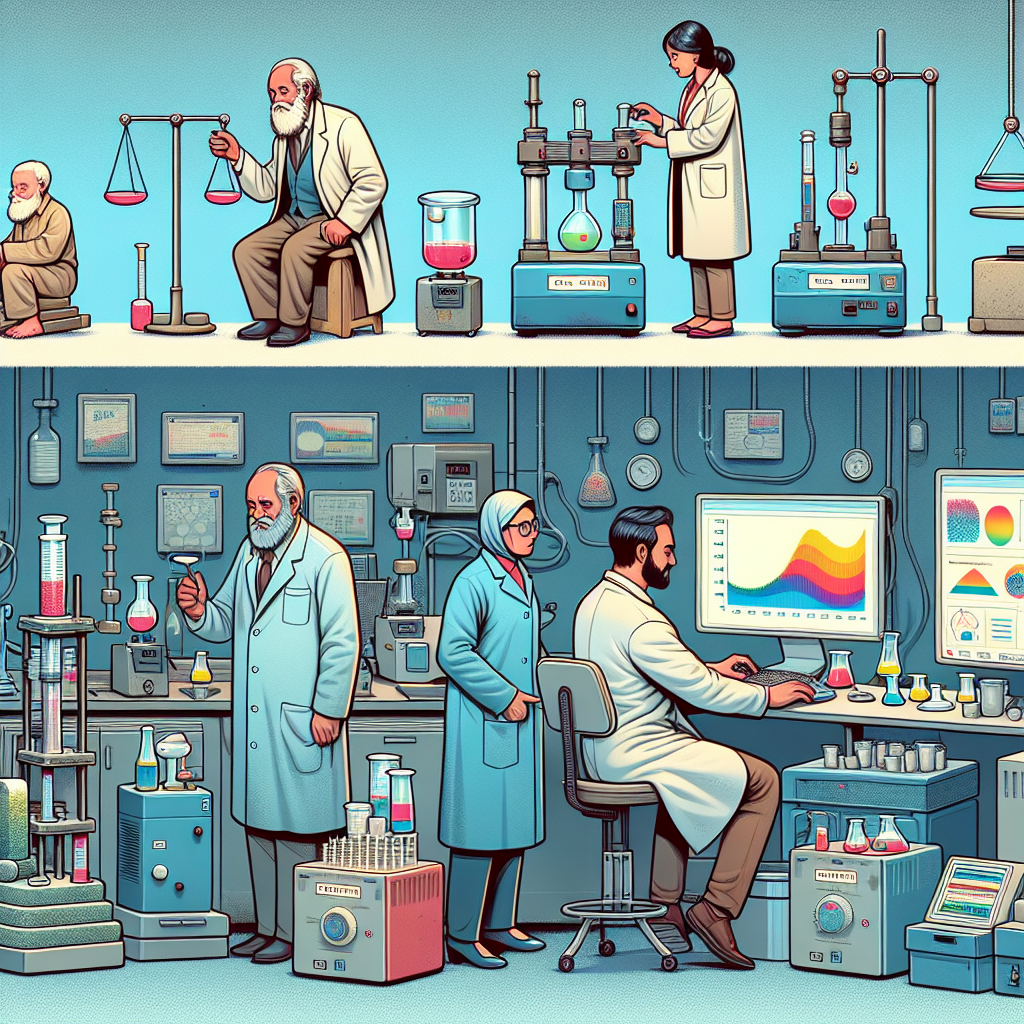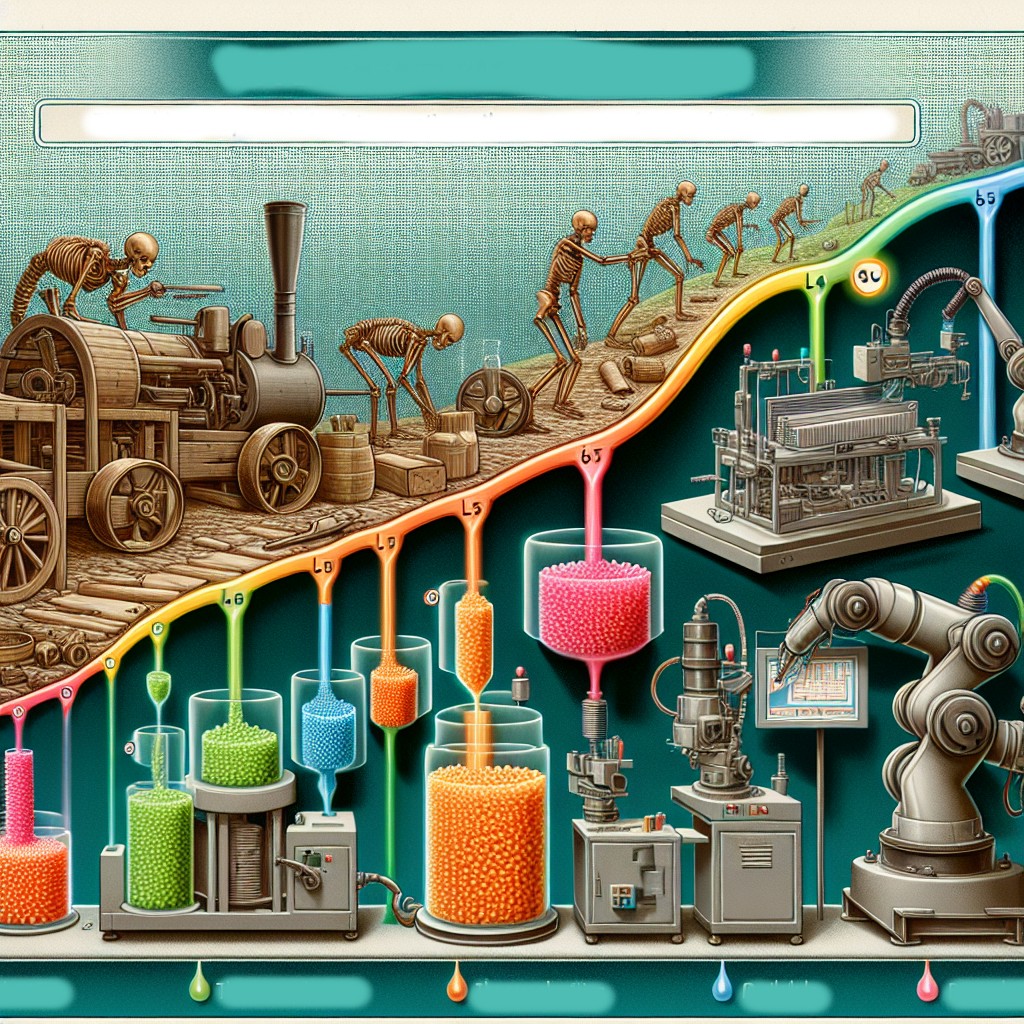
The polymer industry stands as a cornerstone of modern manufacturing, dramatically reshaping various facets of production and product design since the origins of thermoplastics. Delving into this rich history, one uncovers the profound developments that have elevated the significance of thermoplastics in the industrial realm. By offering a simplified yet comprehensive overview, we’ll explore the genesis of these versatile materials and their subsequent transformation of the manufacturing landscape.
Thermoplastics, characterized by their ability to be repeatedly melted and reshaped, have become synonymous with innovation and flexibility in manufacturing circles. Today, these prolific materials are omnipresent, found in countless everyday applications from packaging to automotive components. Their journey began in the early 20th century, rooted in scientific discovery and ingenuity, which laid the groundwork for their indispensable role in modern industry.
Prior to the advent of synthetic polymers, natural materials such as rubber and cellulose were the primary resources for manufacturing flexible and moldable goods. While effective to a degree, these materials were limited by their availability and properties. The shift towards thermoplastics was driven by both necessity and scientific curiosity, culminating in breakthroughs that heralded a new era of material science. By examining the historical context and pivotal advancements, the following sections offer a detailed account of how thermoplastics have come to dominate the manufacturing scene.
The Early Days of Thermoplastics
The history of thermoplastics is deeply intertwined with the story of early polymer science. One of the groundbreaking moments occurred in 1907 when Belgian chemist Leo Baekeland invented Bakelite, the first fully synthetic plastic. Bakelite, a thermosetting phenol formaldehyde resin, revolutionized perspectives on material science, proving that polymers could be engineered to meet specific needs. This invention spurred further research into synthetic polymers, laying the foundation for thermoplastics’ development.
World War II marked a significant period for thermoplastics as wartime demands accelerated scientific advancements and industrial applications. Materials like nylon, developed by Wallace Carothers at DuPont, found critical uses in military gear and equipment. Polyvinyl chloride (PVC) and polyethylene, both discovered in the early 1930s, saw improved production techniques and applications during this time, leading to wider post-war adoption.
The ensuing decades saw rapid growth in thermoplastic varieties and applications. Polypropylene, discovered in the 1950s by Giulio Natta and Karl Ziegler, offered exceptional flexibility and durability, rapidly integrating into everyday objects and industrial uses. This era witnessed the birth of many polymer-related patents and innovations, positioning thermoplastics as essential materials for a broad range of industries.
Advancements in Thermoplastic Technology
The latter half of the 20th century brought substantial technological advancements in the processing and applications of thermoplastics. The development of advanced polymerization techniques and catalysts allowed for more efficient and specialized production processes. Injection molding, extrusion, and blow molding technologies evolved, making the mass production of complex plastic components more feasible and cost-effective.
Innovations in polymer blends and composites further expanded the utility of thermoplastics. By combining different polymers or adding reinforcements such as glass fibers, manufacturers could engineer materials with superior strength, heat resistance, and other desired properties. Thermoplastic elastomers (TPEs), which combine the usability of thermoplastics with the elasticity of rubber, became popular in applications requiring flexibility and resilience.
Moreover, the advent of computer-aided design (CAD) and computerized manufacturing brought a new level of precision and customization to plastic products. Advanced software and robotics integrated into manufacturing lines allowed for more intricate designs and reduced waste, underscoring the versatility and adaptability of thermoplastics.
Impact on Various Industries
Thermoplastics have permeated virtually every industry, transforming manufacturing processes and product capabilities across the board. In the automotive sector, thermoplastics contribute significantly to vehicle weight reduction, leading to improved fuel efficiency and reduced emissions. Components such as dashboards, bumpers, and interior panels are commonly made from thermoplastics like polycarbonate and ABS (acrylonitrile butadiene styrene).
The healthcare industry has also greatly benefited from thermoplastics, where materials like polystyrene and polycarbonate are used in medical devices, surgical instruments, and disposable syringes. The high degree of sterilization achievable with thermoplastics ensures safety and reliability in critical medical applications. Biodegradable and biocompatible polymers are also being developed for use in various medical implants and drug delivery systems.
In electronics, thermoplastics like nylon and polyvinyl chloride (PVC) provide electrical insulation, contributing to the safety and performance of electronic devices. The flexible, moldable nature of these materials supports the ongoing miniaturization of electronic components, facilitating advancements in consumer electronics, telecommunication equipment, and other high-tech applications.
Environmental Considerations and Recycling
While thermoplastics have revolutionized manufacturing, their environmental impact cannot be overlooked. The durability and long lifespan of these materials, while beneficial in many respects, also contribute to persistent plastic waste in the environment. Addressing this issue has become a critical challenge for the polymer industry, driving extensive research into sustainable practices and materials.
Recycling efforts have gained momentum, with various methods such as mechanical recycling, chemical recycling, and energy recovery being employed to manage plastic waste. Mechanical recycling, which involves melting and remolding plastic waste, is the most straightforward method but can degrade material quality over successive cycles. Chemical recycling, which breaks down plastics into their monomer components, holds promise for producing high-quality recycled plastics but requires significant energy and technological investment.
The development of bio-based and biodegradable thermoplastics is another promising avenue. Polymers derived from renewable resources like corn starch or sugarcane aim to reduce dependency on fossil fuels and mitigate environmental impact. While not a panacea, these innovations represent crucial steps toward a more sustainable polymer industry.
Future Trends and Innovations
The future of thermoplastics is poised for continued evolution and innovation, driven by advancements in material science and manufacturing technologies. Smart polymers, which can change properties in response to environmental stimuli, are being developed for applications in everything from wearable electronics to self-healing materials. These smart polymers promise unprecedented versatility and functionality in various domains.
Additive manufacturing or 3D printing also holds substantial promise for the future of thermoplastics. This technology allows for on-demand production of complex shapes and structures, minimizing waste and reducing the need for extensive inventories. As 3D printing technology advances, the range of thermoplastic materials suitable for this process is expected to grow, further integrating rapid prototyping and custom manufacturing into mainstream practices.
Additionally, ongoing research into enhancing the properties of existing thermoplastics through nanotechnology could lead to the development of materials with superior strength, conductivity, and thermal stability. Nanocomposites, which incorporate nanoparticles into polymer matrices, could yield materials that are lighter, stronger, and more adaptable than current options.
Conclusion
The journey of thermoplastics from a novel scientific discovery to a cornerstone of contemporary manufacturing highlights the profound impact of innovation in material science. From their origins in early 20th-century laboratories to their extensive application across various industries, thermoplastics have revolutionized production processes, product design, and functionality.
The continual advancements in polymer technology point toward a future where thermoplastics play an even more critical role in tackling global challenges, particularly those related to sustainability and environmental conservation. By embracing recycling, bio-based materials, and cutting-edge innovations like smart polymers and 3D printing, the polymer industry is actively shaping a more efficient and sustainable manufacturing landscape.
As we move forward, it is crucial for stakeholders across industries to collaborate and innovate, ensuring that the evolution of thermoplastics aligns with the broader goals of economic growth, technological advancement, and environmental stewardship. Only through such concerted efforts can we fully harness the potential of these remarkable materials to create a better future for all.