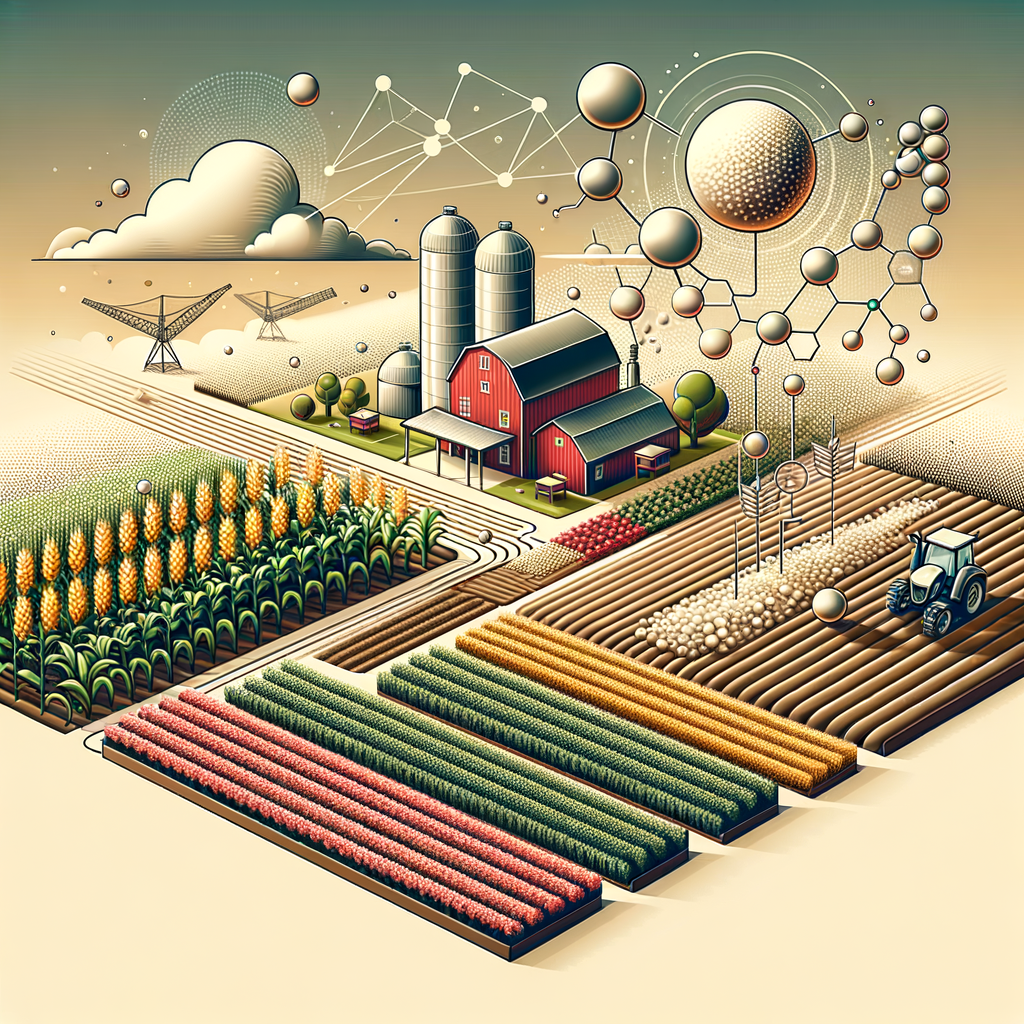
In recent years, biopolymers have gained considerable attention in various sectors, including agriculture, due to their environmentally friendly properties and potential to replace conventional materials. As the world faces environmental degradation and climate change concerns, sustainable agricultural practices become increasingly vital. Biopolymers, derived from renewable biological sources such as plants and microorganisms, hold promise for innovative applications that enhance sustainable agriculture. These biopolymers can be biodegradable, bio-renewable, and non-toxic, making them an attractive alternative in the agricultural sector. Understanding the role of biopolymers in agriculture is essential for encouraging their adoption across the industry and ensuring their integration into broader sustainability strategies. This article delves into the specific applications, benefits, and challenges of biopolymers in agriculture, showcasing how they contribute to a more sustainable and productive agricultural future.
Enhancing Soil Health
One of the primary applications of biopolymers in agriculture is soil health enhancement. Biopolymers such as polysaccharides and proteins can improve soil structure, moisture retention, and nutrient availability. These biopolymers assist in binding soil particles, which enhances soil aeration and prevents erosion. Soil treated with biopolymers can retain water more effectively, reducing the need for frequent irrigation and promoting sustainable water use. Moreover, the gradual decomposition of biopolymers adds organic matter to the soil, enriching it with nutrients that promote plant growth. By improving soil properties, biopolymers play a crucial role in maintaining the health and productivity of agricultural lands.
Biodegradable Mulches
Mulching is a common agricultural practice that involves covering the soil’s surface to suppress weeds, retain soil moisture, and regulate temperature. Traditional mulches often consist of plastic materials, which can lead to environmental pollution. Biopolymers offer a sustainable alternative through biodegradable mulches. These mulches are derived from natural sources such as cellulose, starch, and chitosan, and they degrade over time without leaving harmful residues. Biodegradable mulches provide all the benefits of traditional mulching while reducing plastic waste and enhancing soil fertility as they degrade. This dual benefit positions biopolymer-based mulches as a key component in sustainable farming systems.
Controlled Release of Agrochemicals
Biopolymers also play a crucial role in the controlled release of agrochemicals, such as fertilizers and pesticides. Encapsulating agrochemicals in biopolymer matrices enables a gradual release of active ingredients, reducing the frequency of application needed and minimizing environmental impact. This method increases the efficiency of agrochemical use and reduces leaching and volatilization, particularly in environments susceptible to nutrient runoff. This controlled release mechanism can significantly enhance crop yield while mitigating the adverse effects associated with excessive agrochemical application, making it a crucial innovation for sustainable agriculture.
Biostimulants and Plant Growth Promotion
Biopolymers can also act as biostimulants, substances that enhance plant growth and productivity beyond the basic nutritional needs. Biopolymers like chitosan and alginate are known to elicit plant defense mechanisms, improve resistance to stressors such as drought, and stimulate growth. Their application to crops can enhance biomass accumulation, nutrient uptake, and overall resilience, contributing to increased agricultural outputs. By promoting natural growth processes, biopolymers as biostimulants represent an ecological approach to crop production, moving away from reliance on synthetic growth enhancers.
Packaging and Preservation
In addition to direct agricultural applications, biopolymers are invaluable in the packaging and preservation of agricultural products. Biopolymer-based films and coatings offer biodegradable options for food storage, extending shelf life and reducing food waste. These materials, sourced from polylactic acid (PLA), polyhydroxyalkanoates (PHA), and starch blends, offer excellent barrier properties that protect produce from microbial spoilage. Biopolymer packaging aligns with circular economy principles by minimizing plastic use and contributing to the sustainable lifecycle management of packaging materials.
Waste Utilization and Energy Recovery
Biopolymers facilitate the conversion of agricultural and organic waste into valuable products. Through processes like fermentation and anaerobic digestion, waste can be transformed into biopolymers that serve functions such as bioplastic production or soil amendment. This valorization of waste not only reduces environmental impact but also promotes the generation of bioenergy and compost, enhancing the sustainability of agricultural systems. Thus, biopolymers aid in creating closed-loop systems where waste is efficiently utilized rather than discarded.
Environmental Impact and Challenges
While biopolymers offer significant environmental benefits, challenges remain in their widespread adoption. Production costs are often higher compared to conventional materials, and scalability issues can hinder broader implementation. Additionally, there is a need for further research and development to enhance the functional properties and cost-efficiency of biopolymer-based products. The environmental impact of biopolymers also depends on feedstock sources and production processes, necessitating careful consideration to ensure truly sustainable practices. Despite these challenges, continued advancements in biopolymer technology are anticipated to overcome current limitations, driving their integration into agriculture and beyond.
Conclusion
Biopolymers emerge as pivotal elements in advancing sustainable agricultural practices, offering multifaceted solutions to key challenges such as soil health, waste management, and agrochemical efficiency. Their biodegradable and eco-friendly nature aligns seamlessly with the growing need for environmental stewardship in agriculture. As the agricultural sector continues to confront the dual pressures of increased food demand and environmental conservation, biopolymers provide a pathway towards fulfilling these needs sustainably. Through ongoing research, innovation, and collaboration between scientists, farmers, and policymakers, the potential of biopolymers in agriculture can be fully realized. These biopolymers promise a future where agricultural productivity harmonizes with ecological preservation, underscoring their significance as part of global sustainable development goals. Embracing biopolymers reflects not only a technological advancement but also a commitment to fostering a healthier planet and robust agricultural systems. The role of biopolymers in agriculture is thus integral to achieving enduring sustainability.