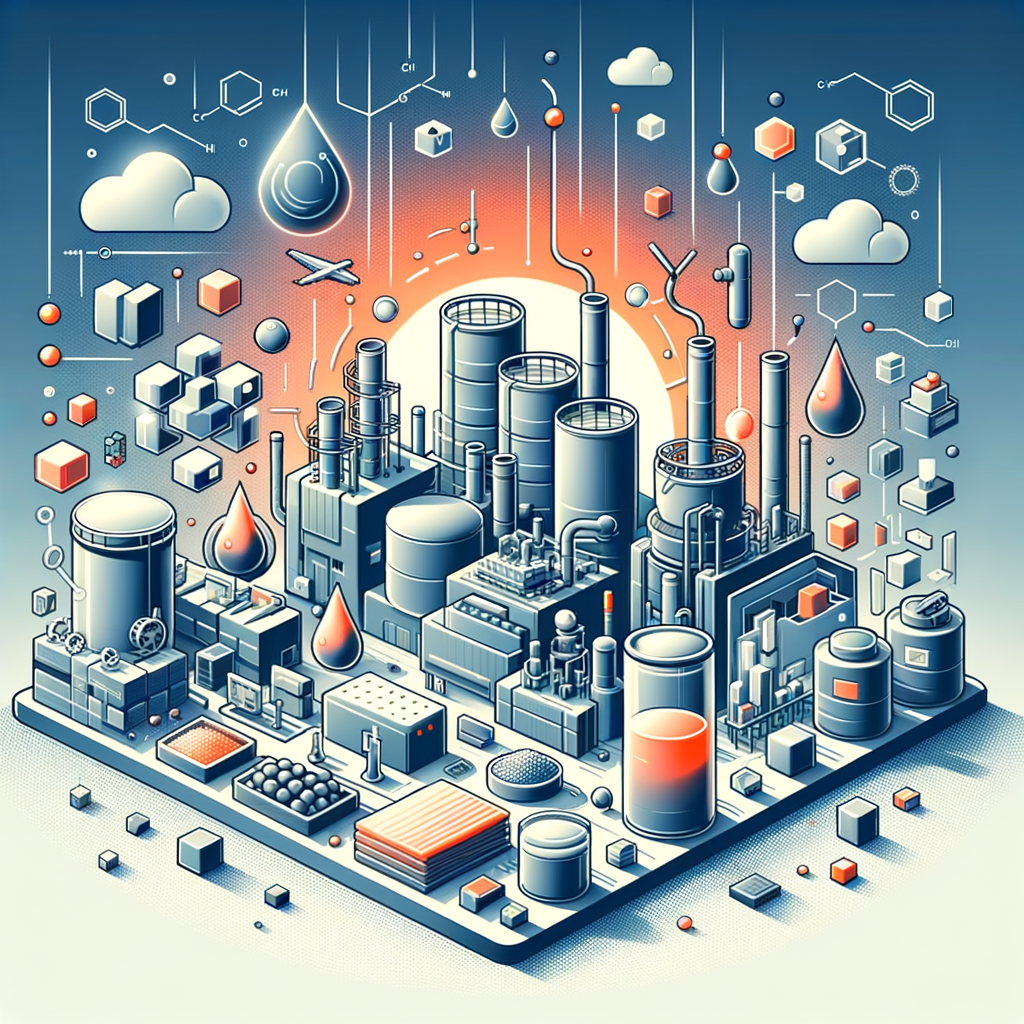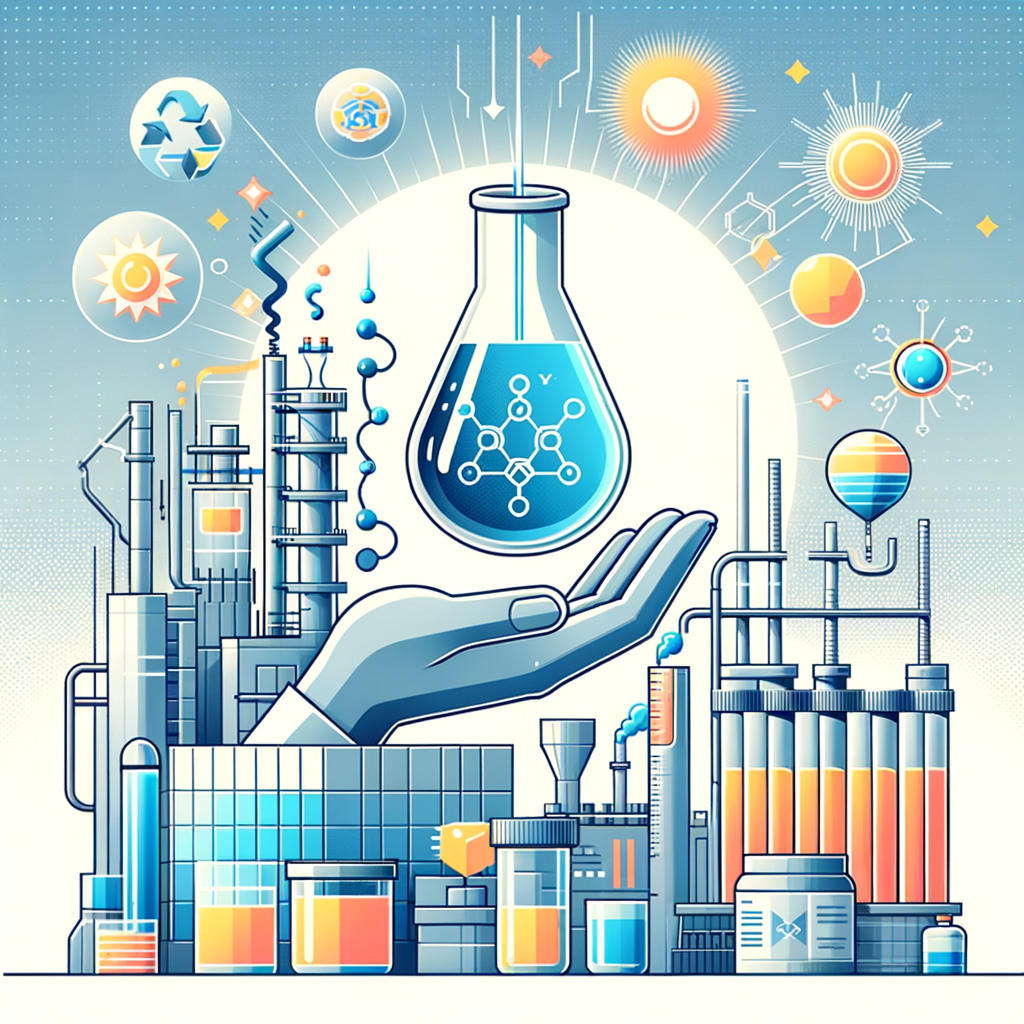
In recent decades, the importance of environmental regulations in shaping industrial practices has significantly increased. Among the various industries affected, polymer manufacturing stands out due to its widespread applications and potential environmental impact. Polymers, which include plastics, resins, and other synthetic materials, have become integral components of countless products, from packaging to automotive parts, and even medical devices. However, the production processes and life-cycle impacts of these materials pose considerable environmental challenges. Therefore, implementing robust environmental regulations is crucial to minimizing these impacts and promoting sustainability within the polymer manufacturing industry.
The evolution of environmental regulations has been driven by growing awareness of pollution, resource depletion, and climate change. This awareness has led to governmental and supranational entities enacting regulations focused on reducing emissions, ensuring resource efficiency, and promoting recycling. For polymer manufacturers, this regulatory landscape demands not only compliance but also innovation in processing techniques, materials, and product design. Consequently, regulations serve not only to protect the environment but also to encourage advances in polymer science and production technologies. In this context, a detailed examination of the role of environmental regulations in polymer manufacturing is paramount, as it highlights both the challenges and opportunities for sustainable industrial practices.
The following sections will explore key aspects of environmental regulations in polymer manufacturing. We will consider the regulatory frameworks that govern the industry, their impact on operational practices, and the innovations spurred by these regulations. Furthermore, the discussion will extend to the global implications of these regulations, illustrating how different regions address environmental concerns and their effects on international trade and competition. Ultimately, this exploration will underscore the vital role that environmental regulations play in driving the polymer industry towards a more sustainable and responsible future.
Understanding Regulatory Frameworks
The polymer manufacturing industry operates within a complex web of regulations that vary significantly across regions. In the United States, agencies like the Environmental Protection Agency (EPA) establish guidelines and enforce standards concerning emissions, waste management, and resource utilization. The Clean Air Act and the Toxic Substances Control Act are two pivotal legislations that regulate pollutants from polymer manufacturing plants. Similarly, the European Union enforces its comprehensive suite of environmental regulations through mechanisms such as the REACH (Registration, Evaluation, Authorization, and Restriction of Chemicals) framework and the Circular Economy Action Plan, aimed at minimizing waste and encouraging recycling.
These regulations are designed to mitigate the ecological footprint of polymer manufacturing by controlling the release of harmful substances into the environment. For example, volatile organic compounds (VOCs), which are common by-products of polymer production, are strictly monitored. Compliance with these regulations often necessitates the adoption of advanced emission control technologies, such as scrubbers and filters, thus prompting manufacturers to invest in cleaner technologies and processes. Additionally, regulations emphasize lifecycle assessments, encouraging manufacturers to evaluate the environmental impact of their products from production to disposal.
Moreover, the regulatory landscape is continuously evolving, reflecting new scientific findings and public concerns. This dynamic nature requires manufacturers to stay informed and adaptable, often leading to collaborations with regulatory bodies to develop industry-specific guidelines that balance economic growth and environmental protection. Ultimately, understanding and navigating these regulatory frameworks is crucial for polymer manufacturers to maintain competitiveness and ensure compliance, all while contributing to sustainability goals.
Impact on Operational Practices
Environmental regulations significantly influence the operational practices of polymer manufacturers. For starters, compliance with stringent emissions standards requires modifications to production processes. Manufacturing plants may need to upgrade equipment to reduce emissions, such as implementing energy-efficient machinery or switching to cleaner energy sources. In some cases, process optimization techniques, such as lean manufacturing or continuous processing, are employed to enhance efficiency and reduce waste.
Beyond emissions, regulations governing waste management compel companies to adopt more sustainable practices. This often involves the development of recycling programs, where post-industrial and post-consumer polymer waste is collected and reprocessed. By integrating recycling into their operations, manufacturers can not only comply with regulatory requirements but also reduce raw material consumption, thereby lowering their environmental impact and production costs.
Furthermore, regulations encourage the adoption of green chemistry principles in polymer manufacturing. This approach involves designing products and processes that minimize the use and generation of hazardous substances. Through the selection of environmentally benign solvents and reagents, as well as the development of catalysts that enable more efficient reactions, manufacturers can reduce the ecological and health risks associated with polymer production.
Companies are also prompted to reconsider their supply chains, ensuring that materials are sourced responsibly and that suppliers adhere to environmental standards. This due diligence extends to evaluating the end-of-life options for polymer products, encouraging the design of materials that are either biodegradable or easily recyclable. As such, environmental regulations push polymer manufacturers towards holistic operational changes that promote sustainability across the entire value chain.
Innovations Driven by Regulations
The necessity to comply with environmental regulations has been a catalyst for innovation in the polymer industry. One significant area of innovation is the development of biopolymers, which are derived from renewable resources and offer a more sustainable alternative to traditional, petroleum-based polymers. By investing in biopolymer research and development, companies can create products that have a reduced carbon footprint and are more easily biodegradable, aligning with regulatory goals for sustainability.
Additionally, regulations have spurred advancements in chemical recycling technologies. Unlike mechanical recycling, which can lead to degradation in polymer quality, chemical recycling breaks down polymers into their monomers, allowing for the production of high-quality, virgin-grade polymers. This technology not only helps manufacturers comply with waste management regulations but also represents a significant step forward in closing the loop on plastics production.
Furthermore, the push towards energy efficiency has led to innovations in polymer processing techniques. Advances in extrusion, molding, and polymerization processes aim to increase energy efficiency, reduce cycle times, and lower emissions. For instance, the introduction of microcellular foam technology reduces material usage and weight while maintaining the structural integrity of polymer products.
Finally, digital transformation and the integration of Industry 4.0 technologies have enabled real-time monitoring and optimization of manufacturing processes. This trend enhances the ability of manufacturers to adhere to regulations while improving operational efficiency. By leveraging data analytics, machine learning, and the Internet of Things (IoT), companies can gain deeper insights into their production processes, leading to more informed decision-making and proactive compliance with evolving regulations.
Global Implications of Environmental Regulations
While environmental regulations vary by region, their implications are felt globally, especially in the context of international trade and competition. As different countries implement their own regulatory frameworks, polymer manufacturers operating on a global scale must navigate diverse and sometimes conflicting requirements. This complexity can pose challenges in terms of compliance, logistics, and market access.
However, stringent regulations in one region can set a precedent that influences other parts of the world. The EU’s proactive approach to environmental regulations, for example, has prompted other countries to adopt similar measures, fostering a more harmonized global regulatory landscape. This alignment facilitates smoother trade relations and encourages consistent environmental standards across borders.
Additionally, variations in regulations can affect competitiveness within the polymer industry. Companies in regions with stringent regulations may incur higher costs due to compliance investments, potentially impacting their pricing strategies and market share. Conversely, these same regulations can be seen as drivers of innovation and quality, giving rise to products that are more sustainable and appeal to increasingly eco-conscious consumers.
Overall, the global implications of environmental regulations in polymer manufacturing underscore the need for international collaboration and dialogue. By sharing best practices and aligning on key regulatory objectives, countries can collectively advance the sustainability agenda and address the shared environmental challenges posed by polymer production and consumption.
Conclusion
In conclusion, environmental regulations play a critical role in shaping the polymer manufacturing industry. They serve as a driving force for operational change, innovation, and sustainability, compelling manufacturers to adopt cleaner and more efficient practices. This regulatory influence extends beyond compliance, encouraging advancements in biopolymers, recycling technologies, and energy-efficient processes, while fostering an industry culture that prioritizes environmental responsibility.
While navigating the complex and evolving regulatory landscape can be challenging, it also presents opportunities for polymer manufacturers to enhance their competitive edge and respond to growing consumer demand for sustainable products. As regulations continue to evolve globally, the polymer industry is poised to contribute significantly to environmental protection efforts, demonstrating that economic growth and ecological stewardship are not mutually exclusive but can be aligned to achieve a sustainable future.
Ultimately, the role of environmental regulations in polymer manufacturing underscores the importance of vigilant stewardship and innovative problem-solving in addressing the environmental challenges of today and tomorrow. Through a concerted effort by industry stakeholders, policymakers, and consumers, the polymer industry can advance towards a more sustainable and resilient future, where the benefits of polymers are realized without compromising the health of our planet.