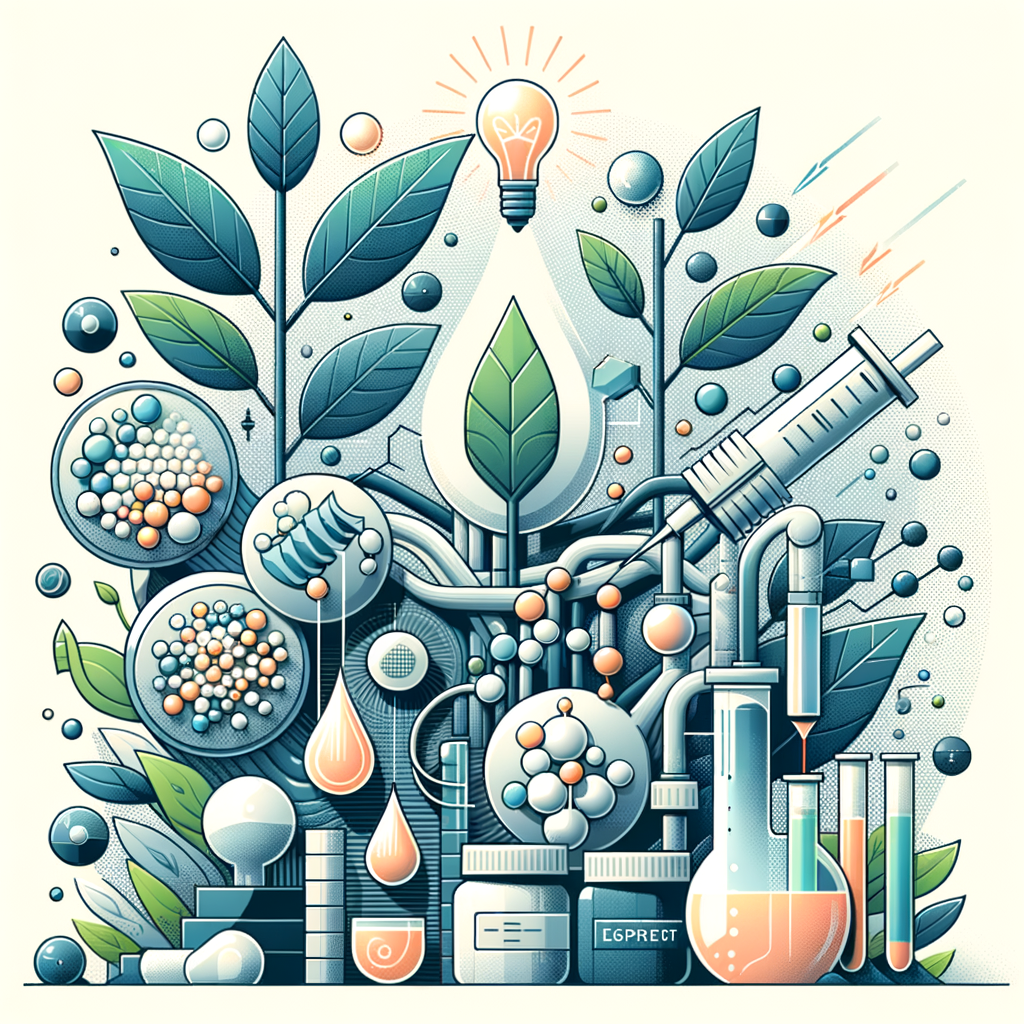
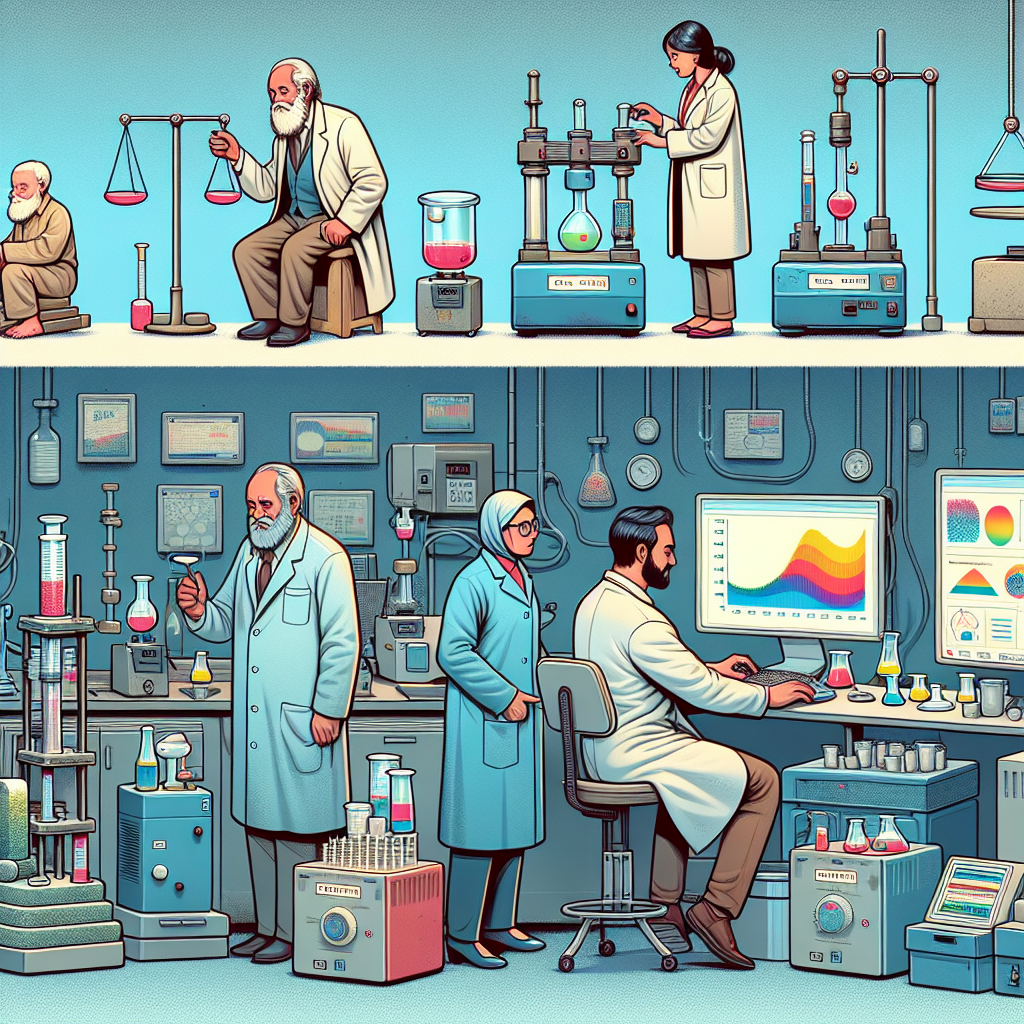
The polymer industry, an essential part of the modern manufacturing landscape, faces numerous challenges in the current era. As the demand for sustainable and efficient materials increases, the pressure mounts on this sector to innovate and adapt quickly. Polymers are ubiquitous in everyday life, forming the backbone of countless products and materials. However, issues such as environmental concerns, regulatory pressures, and the need for advanced material properties have put the industry at a crossroads. Here, innovation plays a crucial role in addressing these challenges. By embracing new technologies, methodologies, and approaches, the polymer industry can not only overcome its current hurdles but also position itself for long-term success and sustainability. Therefore, this article explores the multifaceted role of innovation in tackling the various challenges faced by the polymer industry. We will delve into technological advancements, sustainable practices, regulatory adaptations, and the role of collaboration in driving the industry forward through innovation.
Technological Advancements
Technological innovation is at the forefront of solving polymer industry challenges, particularly in the realm of material science. Advances in polymer chemistry have enabled the development of new types of polymers with enhanced properties, such as increased strength, flexibility, and heat resistance. Innovations like nanocomposites, which involve the incorporation of nanoparticles to improve polymer characteristics, have opened up new applications in sectors like aerospace, automotive, and electronics.
3D printing, also known as additive manufacturing, is another technological breakthrough that significantly impacts the polymer industry. This technology allows for the efficient use of polymer materials, reducing waste and enabling the creation of complex components that would be challenging to produce using traditional methods. Moreover, 3D printing technology supports rapid prototyping, accelerating the design and development process and enabling quicker responses to market demands.
Automation and data analytics also play a pivotal role. By harnessing the power of Industry 4.0 technologies, polymer manufacturers can enhance their production processes, leading to significant improvements in efficiency and quality. Machine learning algorithms and Internet of Things (IoT) devices provide valuable insights into production trends and material behaviors, enabling companies to optimize their processes in real-time.
Sustainable Practices
Innovation in sustainability is paramount in the polymer industry as environmental concerns rise. Bio-based polymers, derived from renewable resources like corn starch and vegetable oils, are increasingly popular alternatives to traditional petrochemical-based materials. These sustainable solutions minimize environmental impact and offer an avenue for reducing the carbon footprint of polymer production.
Recycling technologies are also evolving to address the polymer industry’s sustainability challenges. Recent advancements enable more efficient and effective recycling processes, allowing for a circular economy model where polymers are reused, reducing dependence on virgin resources. Innovations such as chemical recycling break down polymers into their monomers, which can be repurposed to make new materials without degrading quality. This process is vital for managing polymer waste and contributing to a sustainable lifecycle.
Biodegradable polymers are an area of significant innovation, addressing the persistent issue of plastic waste in the environment. These materials are designed to naturally decompose under specific conditions, reducing the impact on landfills and oceans. Research is continuously underway to enhance their properties and extend their applicability across various industries, including packaging, agriculture, and healthcare.
Regulatory Adaptations
The polymer industry is subject to rigorous regulations aimed at ensuring the safety and environmental compatibility of its products. Innovation helps companies adapt to these evolving regulations by developing materials that meet and exceed safety and environmental standards. For example, companies are finding alternatives to hazardous substances previously used in polymer manufacturing, such as phthalates and bisphenol A (BPA), thus complying with stricter health regulations while maintaining product performance.
Furthermore, innovation in alternative testing methods, such as computer-based simulations and in vitro analyses, reduces the need for animal testing and complies with ethical standards. These methods provide reliable data for regulatory submissions, ensuring products are safe for consumers without compromising ethical considerations.
The integration of blockchain technology is also emerging as an innovative approach to managing regulatory compliance. Blockchain provides a transparent and immutable record of all manufacturing processes, which can be invaluable for demonstrating compliance with environmental and safety standards. This technology ensures accountability and facilitates straightforward communication with regulatory bodies.
Collaboration and Open Innovation
Collaboration is a key driver of innovation in the polymer industry. Initiatives that promote open innovation allow companies to leverage external expertise and resources, fostering a culture of shared knowledge. Academia-industry partnerships, for instance, enable the exchange of ideas and research, pushing the boundaries of what is possible in polymer science.
Collaboration also extends to cross-industry partnerships where companies from different sectors work together to develop composite materials that meet specific needs. Such collaborations have led to technological breakthroughs, as seen in the automotive and electronics industries, where lightweight and high-performance materials are crucial.
Consortia and alliances such as the Circular Economy for Flexible Packaging (CEFLEX) initiative are instrumental in pooling resources and knowledge to devise sustainable solutions to pressing polymer challenges. These collaborative efforts aim to establish best practices and set new industry standards for sustainability and resource efficiency, thereby addressing common goals while benefiting all stakeholders involved.
Conclusion
In conclusion, innovation serves as the cornerstone for transforming the polymer industry to overcome contemporary challenges. By embracing technological advancements, sustainable practices, and regulatory adaptations, the industry can significantly reduce its environmental impact while meeting consumer and regulatory demands. Moreover, fostering a collaborative approach ensures that the industry remains agile and responsive to emerging trends, facilitating the development of materials that cater to futuristic applications.
The polymer industry stands on the brink of a significant transformation driven by innovative concepts and methodologies. While challenges are vast and varied, innovation offers a pathway to a sustainable and prosperous future. It enables the industry to redefine its capabilities, creating products that not only satisfy current needs but also anticipate future challenges and opportunities. Thus, the role of innovation is not only to address the existing issues of the polymer industry but also to propel it towards a future of limitless possibilities.
As we embrace these innovations, it is crucial for stakeholders across all levels to remain committed to fostering an environment conducive to innovation. Only then can the polymer industry continue to thrive and contribute positively to both the economy and the environment.