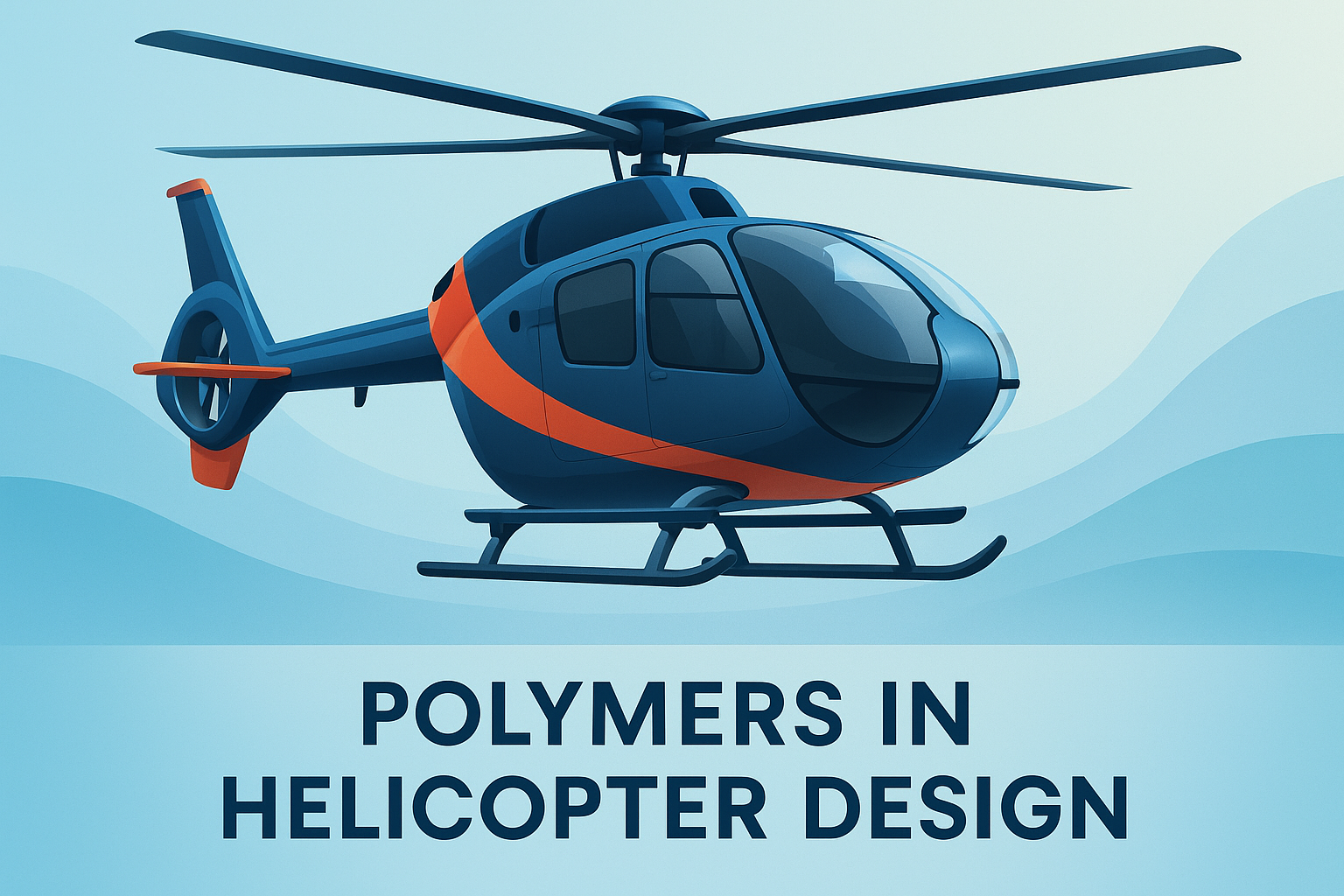
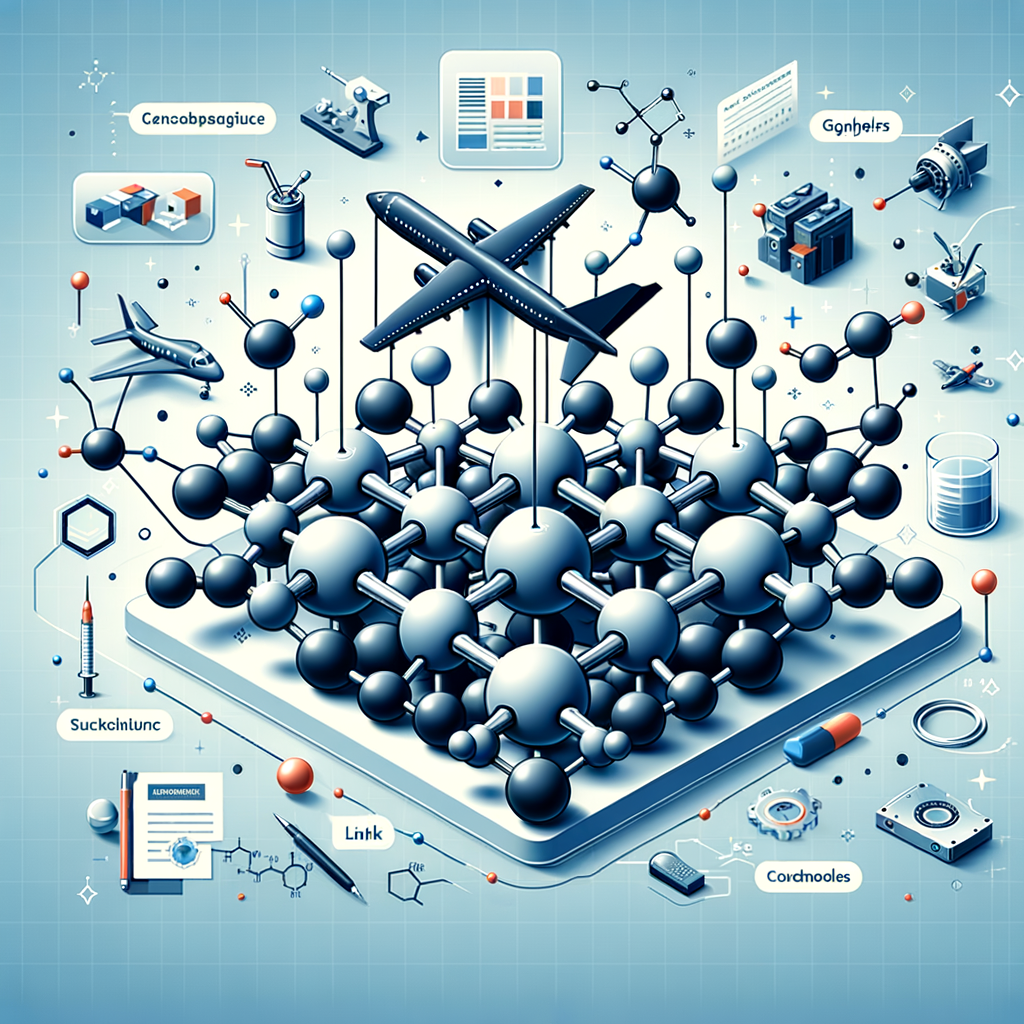
In the dynamic world of aviation, the quest for efficiency, durability, and sustainability drives a continuous evolution in materials and design. One of the most transformative innovations in this realm is the application of polymer composites. As aircraft manufacturing has evolved over the decades, the integration of these advanced materials has become pivotal. Historically, aircraft construction relied heavily on metals like aluminum and titanium due to their strength-to-weight ratios and durability. Yet, as the aviation industry faces increasing demands for fuel efficiency, reduced carbon emissions, and more extended aircraft lifespans, polymer composites have emerged as a game-changing solution. These materials combine polymers, which form a matrix, with reinforcing fibers that provide additional strength. Together, they create a unique composite that offers unparalleled advantages over conventional materials. Understanding the role of polymer composites in aircraft manufacturing requires diving into their characteristics, the benefits they offer, and how they are revolutionizing the industry’s production processes and design philosophies.
Understanding Polymer Composites
At their core, polymer composites are composed of a polymer matrix and a reinforcing material—typically fibers such as carbon, glass, or aramid. The polymer matrix binds the fibers together, distributing stress and protecting them from environmental damage. Carbon fiber-reinforced polymers (CFRPs) are perhaps the most well-known among them, known for their impressive strength-to-weight ratio. The matrix, generally an epoxy resin, contributes properties like resistance to chemicals and moisture, while the fibers impart mechanical strength and stiffness. Together, they form a material capable of withstanding intense aerodynamic forces while adding minimal weight.
Advantages Over Traditional Materials
The advantages of polymer composites over traditional materials like metals are manifold. Chief among them is weight reduction. Aircraft constructed with polymer composites often see weight reductions of up to 20-30% compared to their metal counterparts. This decrease in mass results in lower fuel consumption and, consequently, reduced carbon emissions—a vital consideration in today’s environmentally conscious era. Moreover, composites offer superior fatigue resistance and corrosion resistance, enhancing aircraft longevity. Metals are susceptible to fatigue crack propagation, requiring regular maintenance; composites, in contrast, exhibit reduced fatigue crack growth rates and require less frequent inspections. Additionally, while metals can suffer from significant corrosion, composites are naturally resistant, which simplifies maintenance, especially in harsh environments.
Impact on Aircraft Design
The use of polymer composites allows for unprecedented freedom in aircraft design. Composites can be molded into complex shapes more efficiently than metals, facilitating the creation of aerodynamic surfaces essential for modern aircraft. This flexibility permits designers to optimize structural components for weight savings, aerodynamic efficiency, and overall performance. For instance, the ability to create smoother wing geometries can lead to reduced drag, directly impacting fuel efficiency. The Boeing 787 Dreamliner is a testament to this potential, with approximately 50% of its primary structure made from composite materials. This innovation allows the aircraft to achieve higher altitudes and speeds more efficiently than previous generations, demonstrating the profound impact of composites on design capability.
Manufacturing Processes
Incorporating polymer composites into aircraft manufacturing necessitates sophisticated production techniques. One such process is autoclave molding, where composite materials are placed in a mold and subjected to high pressures and temperatures. This process ensures that excess air is expelled, optimizing material properties. Another method is resin transfer molding (RTM), which involves injecting resin into a mold containing dry fibers, offering precise control over fiber alignment and resin distribution, crucial for achieving desired material characteristics. Out-of-autoclave (OOA) techniques are gaining traction due to their lower cost and reduced resource consumption, eliminating the need for expensive autoclave systems while still producing high-quality, aerospace-grade composites.
Challenges and Innovations
Despite their advantages, the adoption of polymer composites is not without challenges. One major issue is the initial material and production cost, which can be higher than that of traditional metals. However, the long-term savings in fuel efficiency and maintenance often offset these upfront costs. The non-traditional methods of joining composite parts, which differ from those used with metals, necessitate new assembly strategies. Innovations are constantly emerging, such as the development of thermoplastic composites, offering easier processing and recyclability compared to thermoset composites. Thermoplastics can be reshaped and repurposed, aligning with sustainability goals, while advances in automated manufacturing techniques, like robotic fiber placement, improve precision and reduce labor costs.
Applications in Aircraft Systems
Beyond the airframe, polymer composites play crucial roles in various aircraft systems. Composite materials offer significant advantages in interiors, reducing weight and increasing fire resistance, while enhancing passenger comfort with sleek, ergonomic designs. Additionally, composites contribute to critical components such as engine nacelles and turbine blades, allowing for lighter and more fuel-efficient engines. Control surfaces, like rudders and elevators, increasingly utilize composites for their reduced weight and superior aerodynamic performance. The versatility of composites extends their application into cutting-edge areas like UAVs (unmanned aerial vehicles), where weight savings and durability are paramount.
Sustainability and Environmental Impact
The environmental benefits of polymer composites in aircraft construction extend beyond operational fuel savings. The lightweight nature of composites reduces fuel consumption, thereby minimizing the aviation industry’s carbon footprint. Furthermore, as advances continue in the development of more environmentally friendly composite resins and recycling processes, the production and lifecycle management of these materials become increasingly sustainable. Innovative projects are already underway, exploring the use of bio-based resins and the recycling of composite waste into new products, pushing the boundaries of what sustainable aviation materials can achieve. This synergy between innovation and environmental stewardship positions polymer composites as a foundational element in the future of green aviation.
The Future of Composites in Aviation
Looking forward, the role of polymer composites in aviation is poised to expand further. As technology continues to advance, their application in hybrid electric and fully electric aircraft could redefine air travel altogether. The aviation industry’s ongoing research into more efficient composite materials, such as those that incorporate nano-scale reinforcements, promises to unlock unprecedented levels of performance and capability. The potential for integrating smart materials—capable of real-time self-assessment and repair—could revolutionize maintenance procedures, enhancing aircraft safety and availability. As these innovations materialize, polymer composites will likely remain at the forefront of aviation material science, enabling the industry to meet the dual challenges of efficiency and sustainability in an ever-evolving global landscape.
Conclusion
Polymer composites have transformed the landscape of aircraft manufacturing, offering substantial improvements in weight reduction, fuel efficiency, and design flexibility. While challenges remain, particularly regarding cost and recycling, ongoing innovations promise to address these issues effectively. The growing adoption of composites in aerospace underscores their critical role in meeting the increasing demands for efficiency, performance, and sustainability. As the aviation industry continues to face pressures from economic, regulatory, and environmental fronts, polymer composites present a versatile and promising avenue, shaping aircraft that push the boundaries of possibility. With continued investment in research and development, the potential for polymer composites in aviation is immense, heralding a new era of air travel characterized by smarter, lighter, and more sustainable aircraft. In turn, this evolution not only propels aviation technology forward but also significantly contributes to the pursuit of a greener, more resource-efficient world, echoing the industry’s commitment to innovation without compromising the planet’s future.
Frequently Asked Questions
1. What are polymer composites, and why are they used in aircraft manufacturing?
Polymer composites are materials made by combining polymers with reinforcing fibers such as carbon or fiberglass. These materials are engineered to maximize the beneficial properties of both components, resulting in a material that is lightweight and strong, with excellent resistance to corrosion and fatigue. The use of polymer composites in aircraft manufacturing has become increasingly prominent because they help design aircraft that are lighter yet capable of withstanding harsh operational conditions. This reduction in weight leads to improved fuel efficiency, which is a major cost and environmental concern in the aviation industry. Another reason for their use is the enhanced aerodynamic properties that composites offer, making them ideal for designing sleek, efficient aircraft bodies and wings.
2. How have polymer composites changed aircraft design and performance?
The incorporation of polymer composites into aircraft design has revolutionized how we think about and create aircraft structures. One of the most notable changes is in the weight reduction of airplane parts. Composites allow for more complex and streamlined shapes that are difficult or impossible to achieve with metals alone. This helps in reducing drag and improving aerodynamics, resulting in better fuel efficiency and increased range. Additionally, because these materials are more resistant to fatigue and corrosion compared to traditional metals like aluminum, they contribute to longer aircraft service life and reduced maintenance needs. The ability to mold composites into desired shapes also provides flexibility in design, allowing engineers to innovate and iterate on new designs more quickly than before.
3. What are the environmental benefits of using polymer composites in aircraft?
From an environmental perspective, polymer composites offer significant advantages. The lightweight nature of composites contributes to a reduction in fuel consumption, which not only cuts costs but also minimizes greenhouse gas emissions. This aligns well with the aviation industry’s goals to decrease its carbon footprint. Additionally, the durability and resistance to corrosion and other damage prolong the life of aircraft components, reducing the need for replacements and repairs, which in turn decreases waste. Furthermore, many polymer composite manufacturing processes are less energy-intensive than traditional metalworking, leading to further reductions in environmental impact during the production phase.
4. What challenges do manufacturers face when working with polymer composites?
While polymer composites offer many advantages, manufacturers do face several challenges when working with these materials. One notable difficulty is the need for specialized manufacturing processes and equipment, as working with composites is quite different from traditional metal fabrication. This often requires significant upfront investment and skill development. There are also complex quality control measures needed to ensure the integrity of composite materials, as the curing process and layering of fibers can easily lead to defects if not done correctly. Additionally, while composites are generally more durable, they can be more challenging and costly to repair if damaged. This necessitates developing new maintenance procedures and training for personnel. Moreover, recycling composite materials at the end of their life poses environmental and logistical challenges that the industry is still addressing.
5. How is the future of aircraft manufacturing likely to be shaped by polymer composites?
Looking forward, polymer composites are expected to play an even more critical role in the future of aircraft manufacturing. As research and development in materials science continue to advance, we are likely to see new composite materials with even better performance characteristics, such as improved heat resistance or enhanced conductivity for integrating more advanced electronics and sensors into aircraft structures. The ongoing development of automated manufacturing processes, such as 3D printing of composite materials, is expected to further reduce costs and enhance the precision and efficiency of aircraft production. Finally, the growing focus on sustainability across industries means that the ability of composites to reduce environmental impacts will make them an indispensable component in the design of next-generation commercial and cargo aircraft, as well as urban air mobility solutions like drones and air taxis. All these factors point towards a future where polymer composites are at the core of aviation innovations.