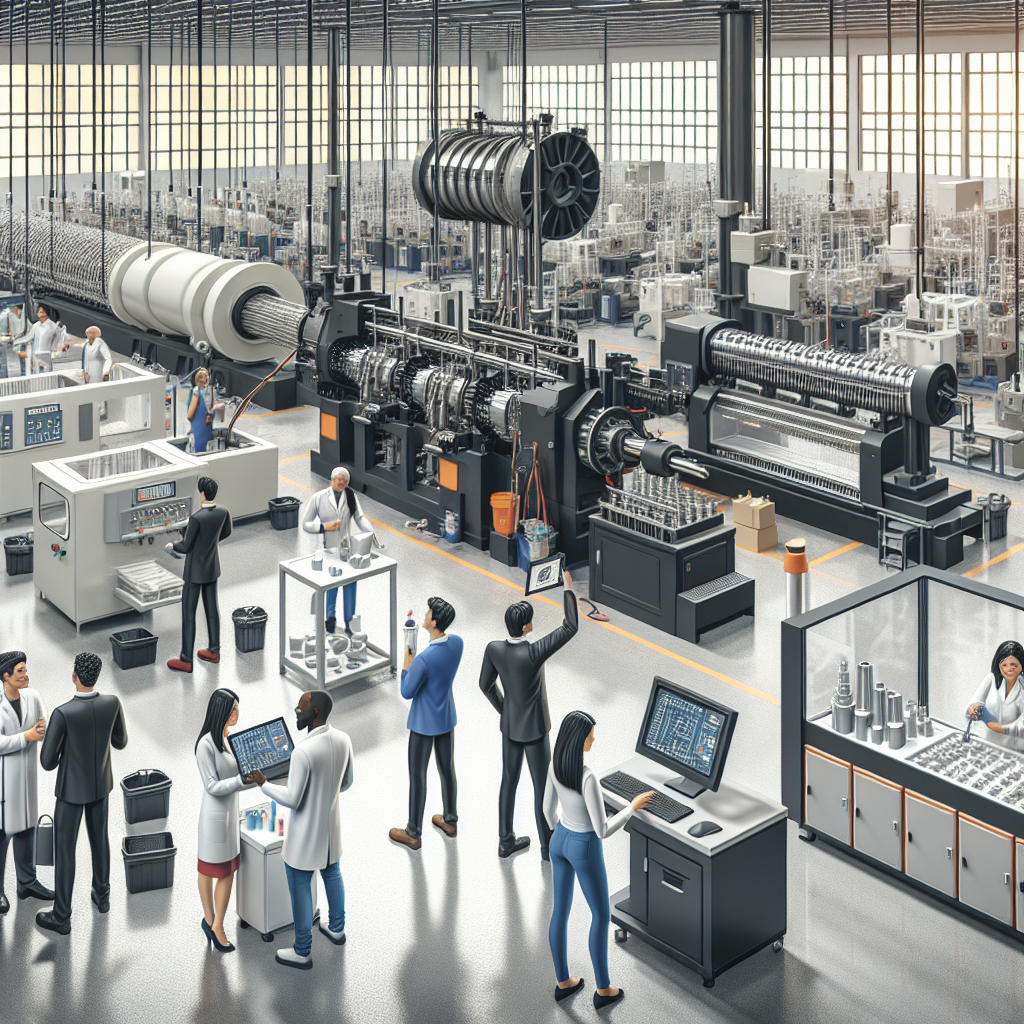
In the contemporary world, innovation in materials science is significantly impacting the construction industry. One of the prominent advancements in this field is the use of polymer composites, which have emerged as a versatile and beneficial material choice for various construction applications. This article delves into the realm of polymer composites, detailing their composition, benefits, and the transformative role they play in modern building practices. Their application spans across several construction domains, providing solutions that traditional materials cannot match, such as enhancing structural performance, improving durability, and fostering sustainability in construction practices.
Polymer composites are engineered materials composed of polymers and reinforcing fibers, often offering a combination of properties that are unattainable with individual components alone. The advantageous characteristics of such composites, including high strength-to-weight ratios, corrosion resistance, and design adaptability, make them particularly alluring for use in structures where these attributes are highly valued. As the demand for innovative, cost-effective, and environmentally friendly construction materials continues to rise, the deployment of polymer composites is proving to be revolutionary within the construction sector. This introductory segment aims to outline the fundamental aspects of polymer composites and set the stage for a more in-depth exploration of their utilization in construction.
Composition and Types of Polymer Composites
Polymer composites are primarily composed of two distinct parts: the matrix and the reinforcement. The matrix is generally a polymer that binds and protects the fiber reinforcements and aids in load transfer among the fibers. Reinforcements can include glass, carbon, or aramid fibers, which impart the desired mechanical properties to the composite, such as stiffness or tensile strength. The properties of the resultant composite depend heavily on the type of polymer used as well as the fibers embedded within it.
There are several types of polymer composites utilized in construction, notably thermoplastic composites, thermosetting composites, and elastomeric composites. Thermoplastic composites, using thermoplastic polymer matrices, are meltable and remoldable, making them advantageous for numerous recycling applications and formats. On the other hand, thermoset composites, which are set into a permanent shape using a curing process, offer superior resistance to corrosive environments and are typically employed in more demanding structural applications. Lastly, elastomeric composites consist of elastomer polymers providing flexibility and are commonly used in applications requiring dynamic resilience.
Advantages of Polymer Composites in Construction
Polymer composites offer substantial advantages over traditional materials, gaining significant ground in construction applications. A crucial benefit is their exceptional strength-to-weight ratio, enabling lighter constructions without compromising on structural integrity. This property is particularly valuable in structures where weight is a critical design constraint, such as bridges or high-rise buildings.
Another advantage is their inherent corrosion resistance. Traditional materials like steel and concrete may deteriorate when exposed to hostile environments, whereas polymer composites exhibit remarkable durability against chemicals and moisture. This quality significantly extends the lifecycle of structures and reduces long-term maintenance costs. Moreover, polymer composites are low thermal conductors, which makes them suitable for applications requiring thermal insulation, contributing to energy efficiency in building designs.
Additionally, the design flexibility of polymer composites allows for the creation of custom shapes and tailored material properties to suit specific applications, providing architects and builders with the ability to push creative boundaries. Sustainability is another poignant benefit, as these materials often have a lower environmental impact compared to metals and can incorporate recycled content or bio-based polymers. Consequently, polymer composites align well with the growing emphasis on sustainable construction practices.
Applications of Polymer Composites in Construction
Polymer composites find diverse applications across construction projects, significantly impacting both horizontal and vertical construction initiatives. In building facades, lightweight composites provide aesthetic versatility and energy-efficient skin solutions. Fiber-reinforced polymers (FRP) are commonly used in structural reinforcement applications, often retrofitting existing buildings to enhance load-bearing capacity or seismic resistance without substantial weight add-ons.
In bridge construction, their high durability and low maintenance nature make polymer composites an ideal choice. Projects leveraging these materials benefit from reduced service interruptions and associated costs. The U.S. alone has seen numerous bridges constructed or repaired using composites, marking a shift towards more durable infrastructure solutions.
Polymer composites also play a prominent role in the development of modern roofing systems, pipelines, and underground constructions, offering durable and chemical-resistant alternatives. Innovations in composite technology have enabled the creation of prefabricated composite houses and modular building solutions, accelerating construction timelines and improving quality control.
Challenges and Considerations
While polymer composites exhibit many advantages, their application in construction does not come without challenges. One major hurdle is the initial material cost, which can be higher than that of traditional materials. However, proponents argue that this cost is offset over time due to their maintenance and lifecycle benefits.
Another consideration centers around the lifecycle analysis of polymer composite structures. Comprehensive assessment of their environmental impact from production to disposal remains an ongoing challenge for fuelling widespread adoption.
The technical skill gap also poses a significant barrier. The industry requires skilled labor and expertise in designing and deploying composite materials to maximize their potential, which necessitates further education and training.
Future Trends and Innovations in Polymer Composites
Looking to the future, advancements in polymer composite technology continue to evolve, promising greater integration into the construction industry. Development of hybrid composites aims to further optimize performance characteristics like tensile strength, elasticity, and impact resistance. Industry experts predict a surge in ‘smart’ composites offering embedded functionality for monitoring structural health, enhancing safety, and minimizing maintenance interventions.
The integration of nanotechnology also offers exciting prospects, with nano-reinforcements improving composite performance through material property manipulation at the molecular level. Additionally, sustainability concerns will push for more eco-material solutions that minimize environmental impact throughout their lifecycle.
Research is increasingly channeling efforts into fully recyclable composites, developing end-of-life solutions to minimize landfill waste. This trajectory aligns with the global shift towards environmentally sustainable practices, ensuring polymer composites continue their upward trend in construction applications.
Conclusion
The advantageous properties and innovative application potential of polymer composites make them indispensable materials for modern construction needs. Their role spans beyond just structural enhancement; they stand as the epitome of transformational potential in engineering fields. Through leveraging their strength, flexibility, durability, and sustainability characteristics, composite materials improve the performance and lifespan of structures, aligning them with contemporary engineering and environmental goals.
Despite the existing challenges, particularly in cost, recyclability, and the skill gap, the burgeoning demand for advanced, high-performance materials is unceasingly catalyzing innovation within polymer composite technology. The trajectory of polymer composites in construction is a promising one, with potential future breakthroughs poised to unlock even more possibilities, ensuring that they remain integral to the evolving narrative of modern construction.
In conclusion, adopting polymer composites represents a forward-thinking approach that melds engineering prowess with sustainable practices, encouraging a shift towards more resilient and environmentally harmonized building solutions. As technological advancements continue, polymer composites are expected to not only meet but exceed expectations, driving the construction industry forward into an era of enhanced durability, creativity, and green design.